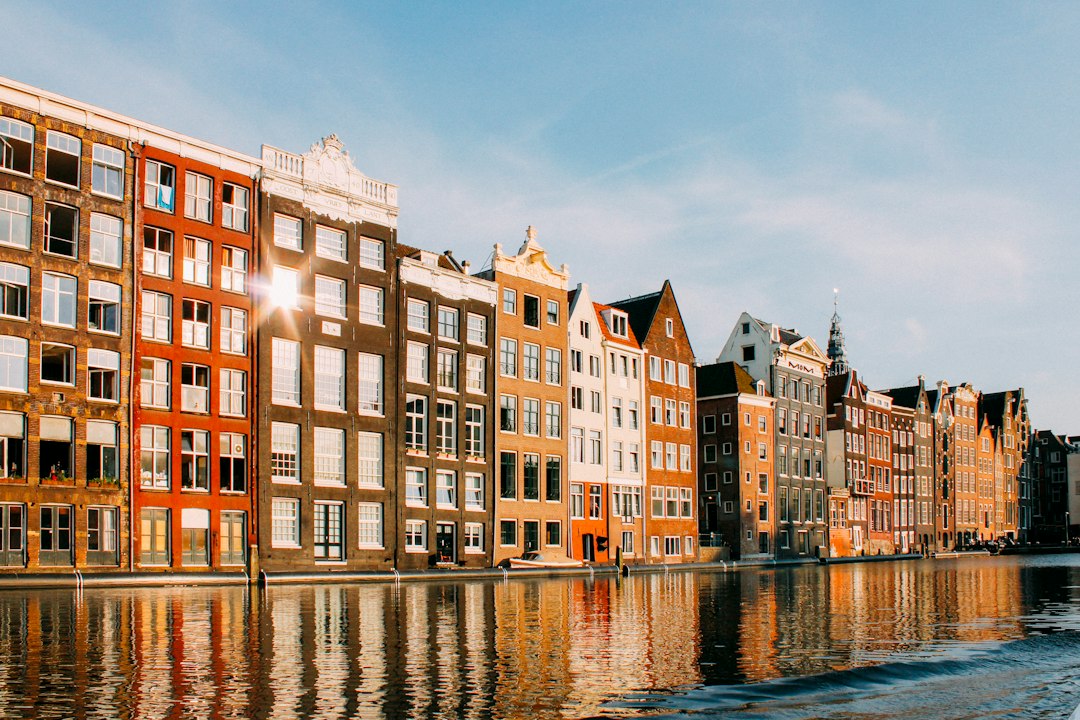

Amsterdam has about 165 canals, more than 1,500 bridges, and a network of bike paths that exceeds 500 kilometers. Numbers that make the city as fascinating as it is potentially chaotic to explore, especially if you arrive without a clear plan. Every year, over 20 million tourists visit the Dutch capital, and the difference between those who return satisfied and those who get lost among queues and overrated attractions almost always lies in the quality of preparation.
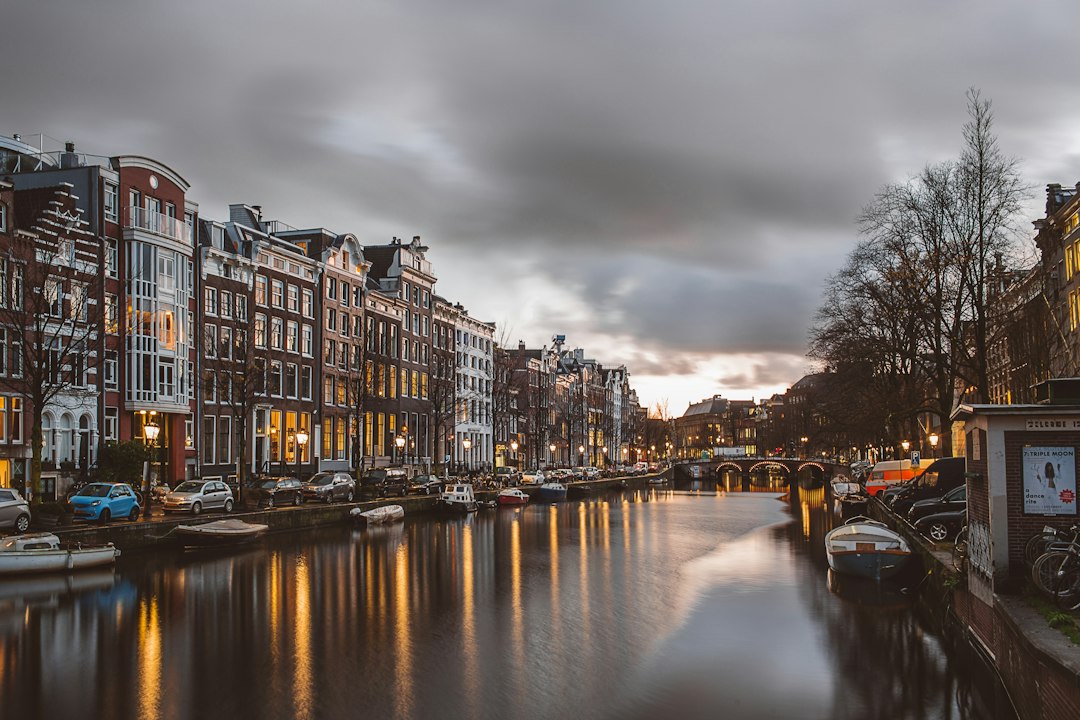
In 2026, planning a trip to Amsterdam also means knowing how to use the right tools. Artificial intelligence has radically changed the way travelers build their itineraries: no more hours on outdated forums or generic paper guides, but personalized routes based on your real interests, your pace, and the time you have available. In this article, you will find practical and concrete advice for visiting Amsterdam, with a focus on how AI can make your life much easier.
The neighborhoods not to be missed and how to really get around
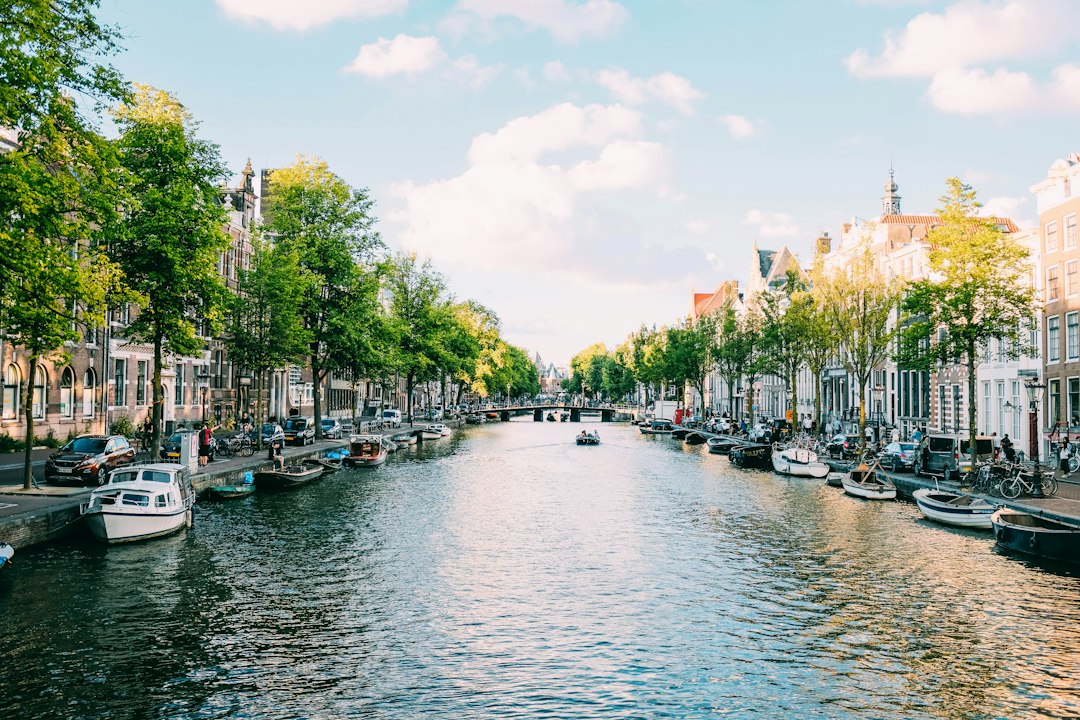
Amsterdam is best explored on foot or by bike. The Jordaan, the most picturesque neighborhood in the city, is reachable on foot from Centraal Station in about 20 minutes. Here you will find the Anne Frank House, where tickets must be booked weeks in advance and cost about 16 euros: arriving without a reservation almost always means finding the ticket office sold out. A few minutes' walk away is the Westerkerk, the largest Protestant church in the Netherlands, with a panoramic tower that is worth the 9 euro ticket.
The Museum Quarter, on the other hand, is located about 3 kilometers from the historic center and houses the Rijksmuseum (ticket 22.50 euros, at least 2-3 hours of visit), the Van Gogh Museum (20 euros, reservation required) and the Stedelijk Museum for contemporary art. A practical tip: visit these museums on weekdays and in the early morning hours to avoid the longest lines. Renting a bike costs on average 12-15 euros per day and remains the most efficient way to get around between neighborhoods.
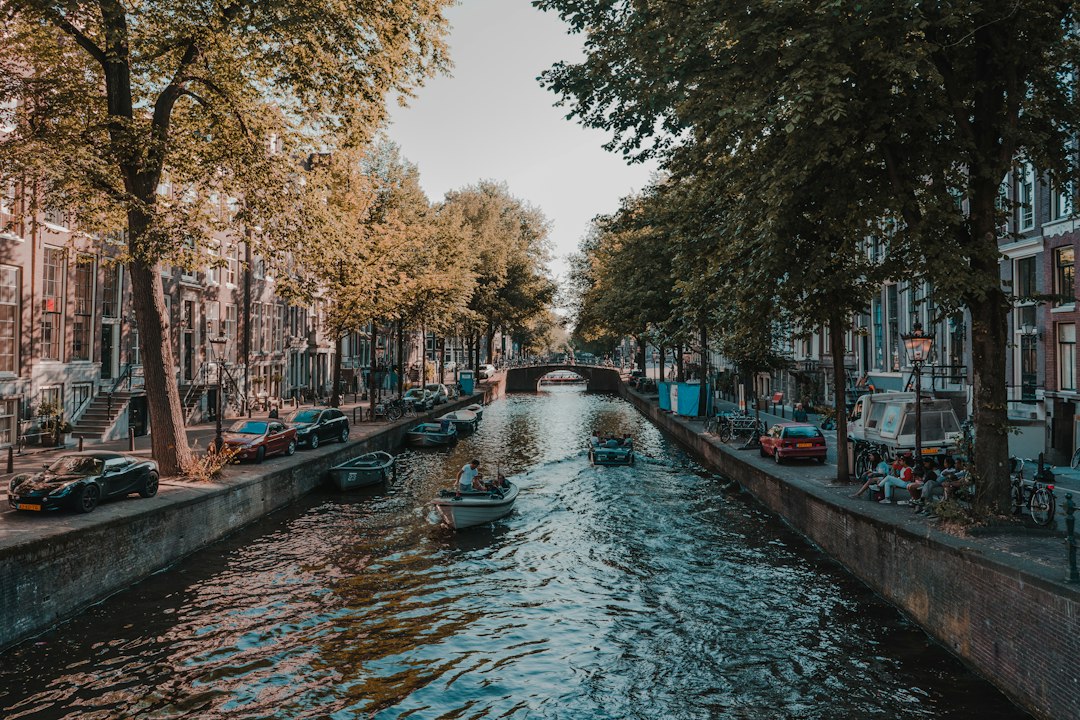
How AI Transforms Your Itinerary Planning
Until a few years ago, building a custom itinerary required hours of research, comparing often contradictory blogs and guides. Today, tools like Secret World use artificial intelligence to generate personalized itineraries in seconds, taking into account your preferences, the number of days available, and the type of experience you seek. With a database of over 1 million destinations worldwide, Secret World does not limit itself to the most famous attractions but also suggests lesser-known places that fit your traveler profile.
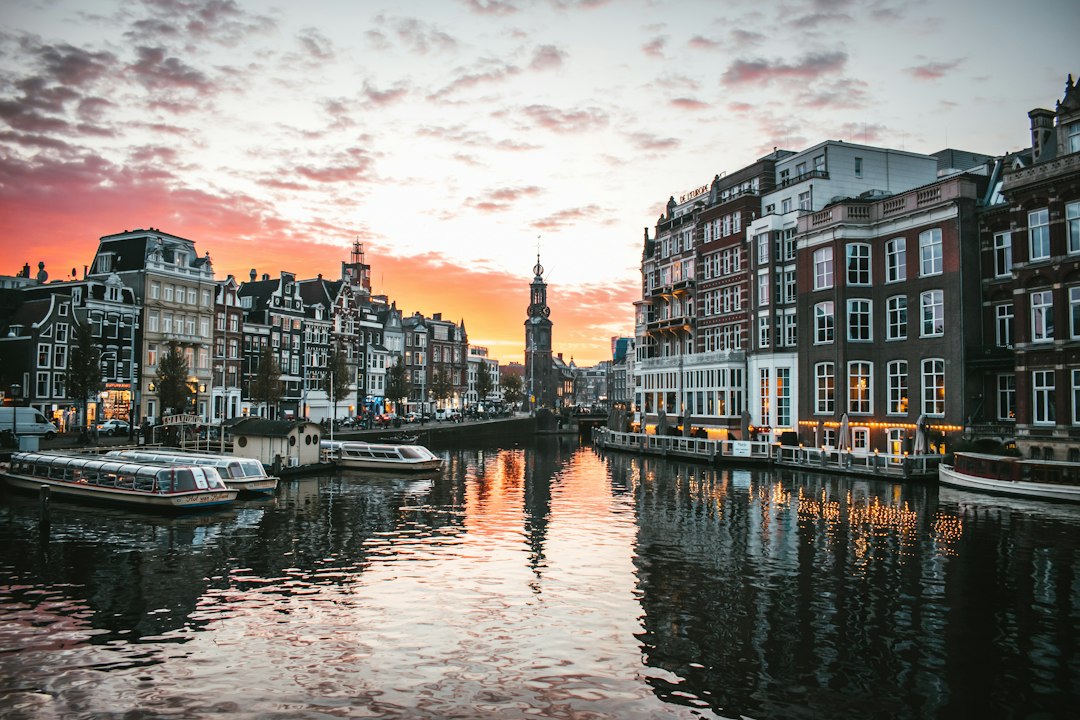
For Amsterdam, this means being able to receive a route that balances a visit to the Rijksmuseum with a stroll through the Albert Cuyp market, the largest outdoor market in the city, open from Monday to Saturday. Or discovering that the De Pijp neighborhood is much more authentic and less crowded than Damrak, while being just a 15-minute walk from the center. AI eliminates the informational noise and gives you only what you really need.
KnowWhere and the audio guides: explore Amsterdam without missing anything
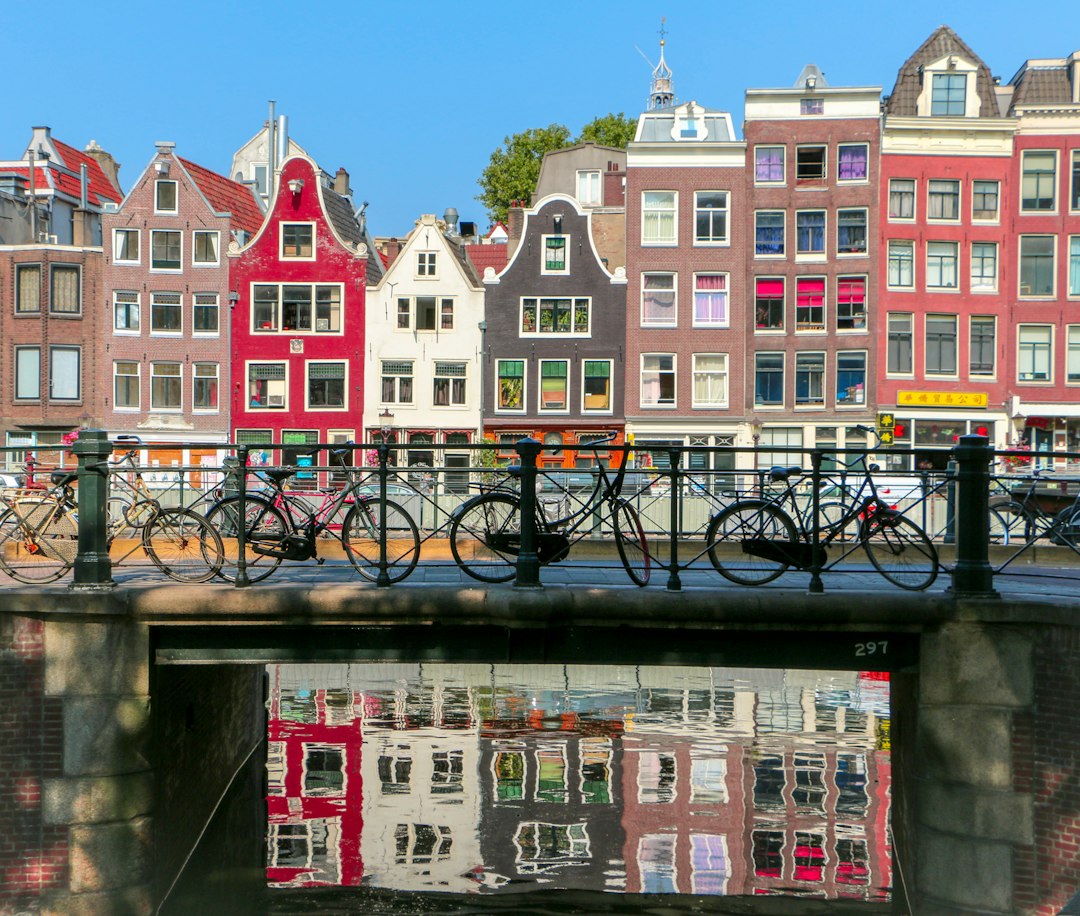
One of the most useful features of Secret World for those visiting Amsterdam is KnowWhere, the contextual recommendation system that suggests what to see and do based on your real-time location. Are you walking along the Prinsengracht and don't know what is 200 meters away from you? KnowWhere guides you without the need to open Google Maps or search on TripAdvisor.
The integrated audio guides of Secret World are another element that changes the visiting experience. Instead of reading informational panels or following group tour guides, you can listen to in-depth content directly in your ears while you walk. For Amsterdam, this is particularly useful in museums and along the historic canals, where every building has a story worth telling. All of this without a constant internet connection, which is a real advantage when exploring less central areas of the city.
Practical tips for 2026: budget, periods, and bookings
The best time to visit Amsterdam remains spring, between April and May, when the Keukenhof (about 35 kilometers from the city, reachable by bus) is in full bloom and the temperatures are mild. Hotel prices rise significantly during this period: expect to spend between 120 and 200 euros per night for a good quality central accommodation. Autumn, between September and October, is a great alternative with fewer crowds and more affordable prices.
For the daily budget, calculate about 50-70 euros per person excluding accommodation, considering museums, transport, and meals. The I Amsterdam City Card (from 65 euros for 24 hours) can be convenient if you plan to visit many museums in a short time, but it should be carefully evaluated based on your itinerary. This is where Secret World comes in handy: download the app for free, enter your available days, and let the AI build the most efficient itinerary for you, including time and cost estimates. A concrete way to arrive in Amsterdam prepared and enjoy every hour of your visit.