
History and Origins
Art and Architecture
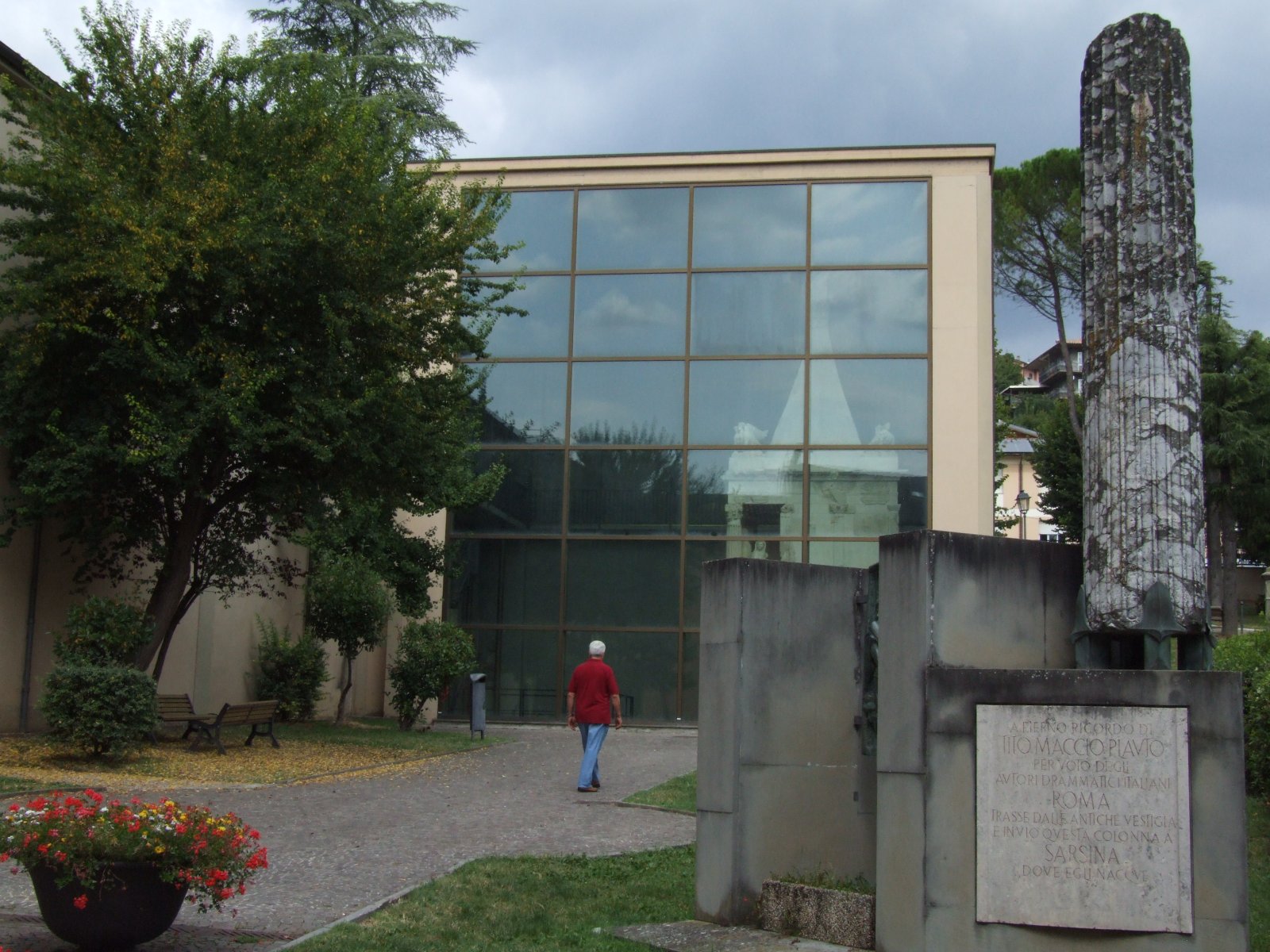
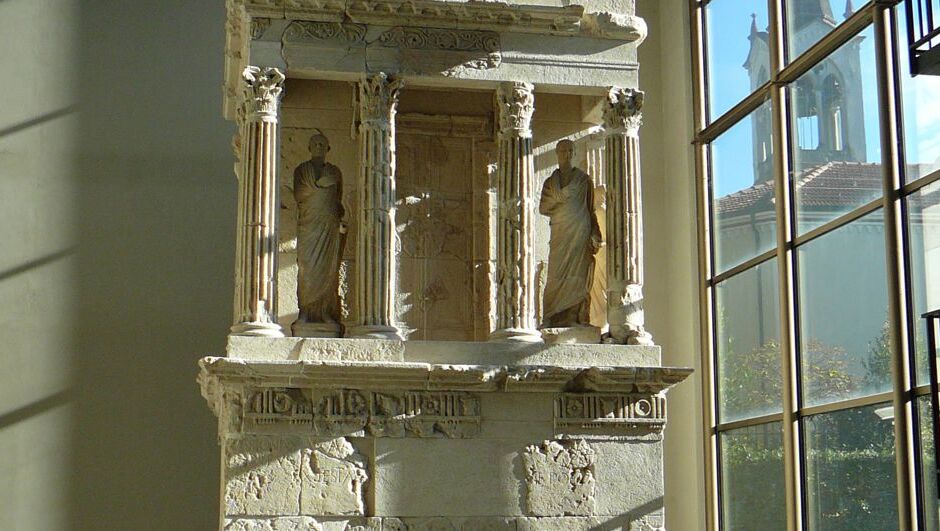
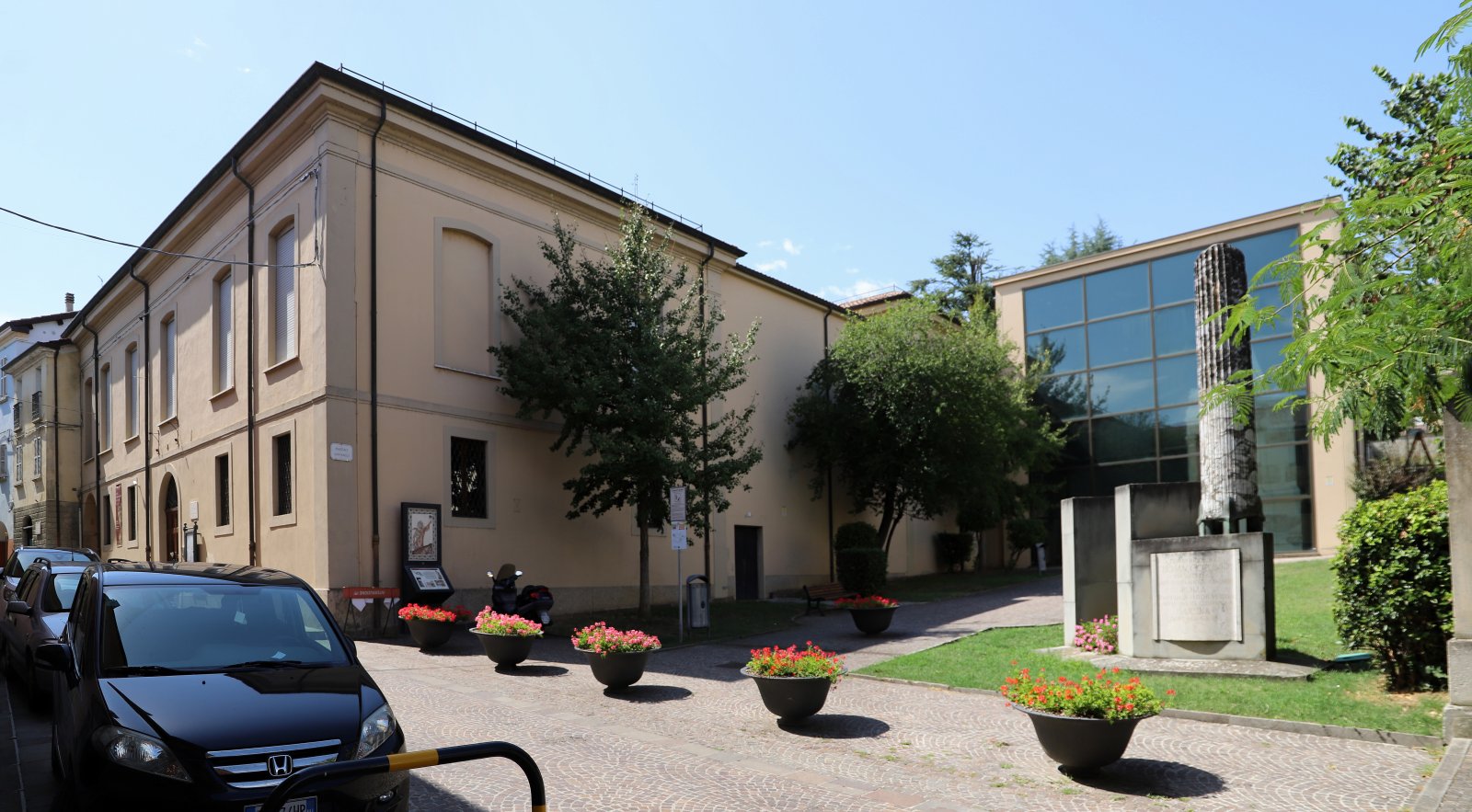
The museum's architecture itself is a harmonious blend of historical significance and modern design. The 1990 radical restructuring enhanced the display of several grand funerary monuments. Among these, the highlight is the shrine mausoleum of Rufus, reaching an impressive height of 13.5 meters and dating back to the late 1st century B.C. This mausoleum not only exemplifies the architectural prowess of the time but also serves as a poignant reminder of the burial customs of the ancient Romans. The museum also boasts exquisite artworks, including statues of Eastern gods that reflect the syncretic nature of religious beliefs during the Roman era. The stunning polychrome mosaic floors are another highlight, particularly the mosaic known as "the Triumph of Dionysus," which vividly depicts the god of wine and revelry. This artwork is not merely decorative; it encapsulates the cultural significance of Dionysian festivals that were integral to Roman life.Local Culture and Traditions