





← Back

Casciana Terme

56034 Casciana Terme PI, Italia ★★★★☆ 134 views
Smita Koll
Casciana Terme
🏆 AI Trip Planner 2026

Get the free app

Discover the best of Casciana Terme with Secret World — the AI trip planner with 1M+ destinations. Get personalized itineraries, hidden gems and local tips. Free on iOS & Android.

🧠 AI Itineraries 🎒 Trip Toolkit 🎮 KnowWhere Game 🎧 Audio Guides 📹 Videos
Scan to download iOS / Android
Scan for AppGallery Huawei users

About Casciana Terme

Casciana Terme - Casciana Terme | Secret World Trip Planner

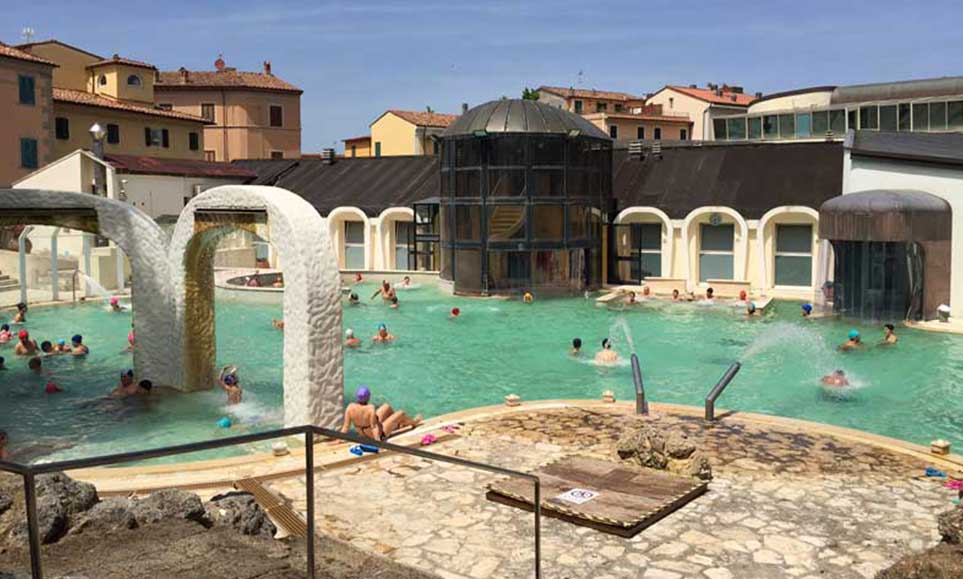
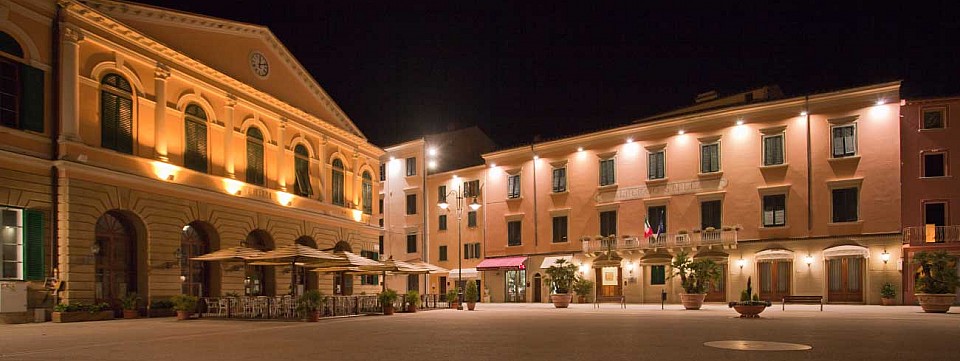
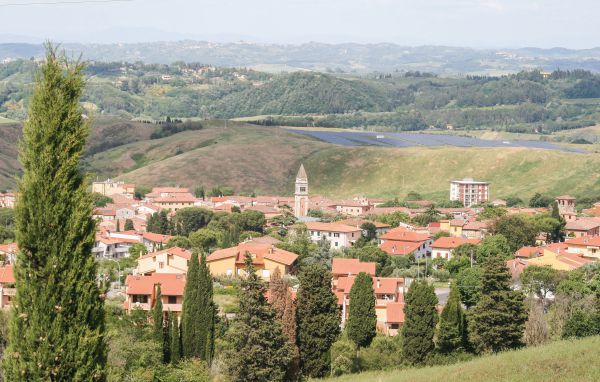
Nestled in the soft hills of Pisa, Casciana rises like an unexpected masterpiece. A small village with green and serene contours, with sunny old houses. Casciana's bicarbonate-sulfate-calcic waters flow at a temperature of 35.7C° and have therapeutic qualities against dysfunctions of the venous circulation, rheumatism and arthrosis, high cholesterol, rhinitis, pharyngitis, bronchitis and gynecological disorders. Its history is closely linked to the therapeutic properties of the waters that flow there, giving rise to the spa. Casciana's origins date back to Etruscan times as per recent archaeological findings in the Parlascio area. The oldest written records, date back to the 9th century and attest to the existence of the parish church of Santa Maria ad Acquas, in a document from the bishop's archives of Lucca. A bull of 1148 first highlighted the therapeutic virtues of Casciana's thermal waters, particularly for skin diseases. In the 12th century Casciana (Aqui) was home to a castle with walls and towers, located in the nucleus of Petraia where a beautiful medieval tower, the Aquisana Tower, is still visible today. Although many scholars claim that Casciana's thermal waters were already known to the Romans, the construction today documented of the first spa was the work of Federico da Montefeltro, Lord of Pisa, in 1311. In 1460, after nearly two centuries, it was restored for the first time by the Magnificent Lords of Florence, and further improvements were made in 1596. With the Lorraines, between the 1700s and 1800s, the Grand Duchy's attention to the Cascian Baths resumed, and in 1824, by order of Ferdinand III of Tuscany, a new renovation project was initiated. This led to 1870 and the new establishment designed by architect Giuseppe Poggi, famous for having built Piazzale Michelangelo in Florence.
Casciana Terme - Casciana Terme | Secret World Trip Planner
🗺 The smart Trip Planner app

Plan your visit to Casciana Terme

Suggested itinerary near Casciana Terme

MAJ+
500.000+ travelers worldwide
  1. 🌅
    Morning
    Casciana Terme
    📍 Casciana Terme
  2. ☀️
    Afternoon
    Bocelli and the beautiful Theatre of Silence
    📍 11.4 km · Casciana Terme
  3. 🌆
    Evening
    Piaggio Museum, Pontedera
    📍 15.4 km · Casciana Terme

Buy Unique Travel Experiences

Powered by Viator

See more on Viator.com

Explore nearby

Frequently Asked Questions

Casciana's bicarbonate-sulfate-calcic waters flow at 35.7°C and are known to treat venous circulation dysfunctions, rheumatism, arthrosis, high cholesterol, respiratory issues like rhinitis and bronchitis, and gynecological disorders. The therapeutic properties of these waters have been documented since at least the 12th century, when a papal bull first highlighted their effectiveness for skin diseases.
Casciana's origins trace back to Etruscan times according to recent archaeological findings in the Parlascio area, with the oldest written records dating to the 9th century mentioning the parish church of Santa Maria ad Acquas. The first documented spa construction was built by Federico da Montefeltro in 1311, and it was further developed through the centuries by the Medici and Lorraine dynasties.
The most notable landmark is the Aquisana Tower, a beautiful medieval tower still visible today in the Petraia area, which dates back to the 12th century when Casciana was home to a fortified castle. Additionally, you can visit the current spa establishment designed by renowned architect Giuseppe Poggi in 1870, the same architect who created Florence's famous Piazzale Michelangelo.
Casciana is nestled in the soft hills of Pisa in Tuscany, a small village characterized by its green and serene landscape with sunny old houses. Its strategic location in the heart of Tuscany makes it easily accessible from major cities like Florence and Pisa.
The current spa establishment was built in 1870 and was designed by the prestigious architect Giuseppe Poggi, following renovation orders issued by Ferdinand III of Tuscany in 1824. This modern facility represents the culmination of centuries of development, with previous restorations and improvements made in 1460 and 1596.