
← Back

Cathedral of Our Lady of the Bridge

Piazza Plebiscito, 1, 66034 Lanciano CH, Italia ★★★★☆ 140 views
Joanna Hoara
Lanciano
🏆 AI Trip Planner 2026

Get the free app

Discover the best of Lanciano with Secret World — the AI trip planner with 1M+ destinations. Get personalized itineraries, hidden gems and local tips. Free on iOS & Android.

🧠 AI Itineraries 🎒 Trip Toolkit 🎮 KnowWhere Game 🎧 Audio Guides 📹 Videos
Scan to download iOS / Android
Scan for AppGallery Huawei users

About Cathedral of Our Lady of the Bridge

Cathedral of Our Lady of the Bridge - Lanciano | Secret World Trip Planner

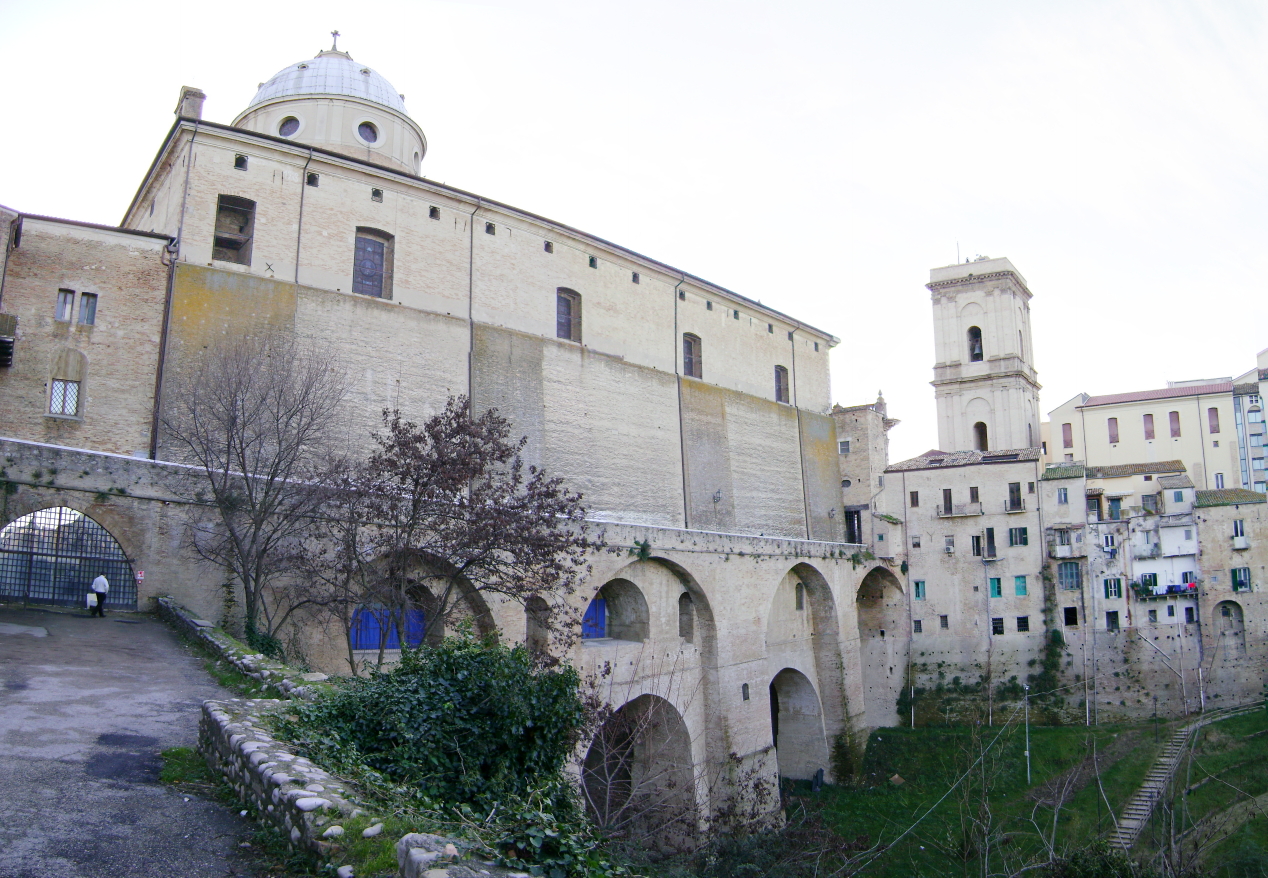
The history of the Church of Our Lady of the Bridge is closely linked to the bridge, or rather the bridges over which it is built.
Cathedral of Our Lady of the Bridge - Lanciano | Secret World Trip Planner

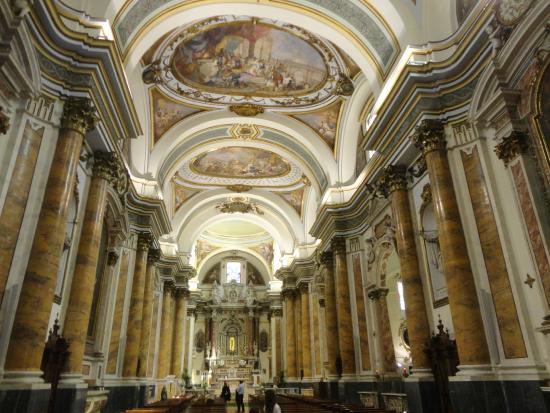
The construction on the bridge known as Diocletian's Bridge of the first oratory-named first after Mary Most Holy of the Bridge and then after St. Mary of Grace-by the citizens in 1389 was necessary to guard an ancient statue found in the spans of the bridge following the 1088 earthquake. Tradition, unconfirmed, has it that the statue of the Madonna and Child was from the 8th century and of Byzantine workmanship, and that it had been hidden in the bridge to save it from the iconoclastic fury that raged in those years.More likely, as reported by the historian Antinori, the ancient chapel contained only a painted image of the Virgin, and the present terracotta sculpture dates from the late 14th century. The first oratory, which stood at the present Chapel of the Blessed Sacrament, contained the statuette of Our Lady flanked by figures of the twelve apostles. It was precisely this placement, among full-length figures, that prompted the completion of the originally half-length Marian artifact. Subsequent enlargements of the oratory, necessary as a result of the growing number of worshippers who turned to Our Lady of the Bridge obtaining copious graces, led in later stages to the building of the Basilica in its present form, which took place at the end of the 18th century, based on plans by architect Eugenio Micchitelli, after the demolition of another building of worship, the church of the Santissima Annunziata, the city's first cathedral following Lanciano's erection first as an episcopal see (1515) and then as an archbishopric (1562).

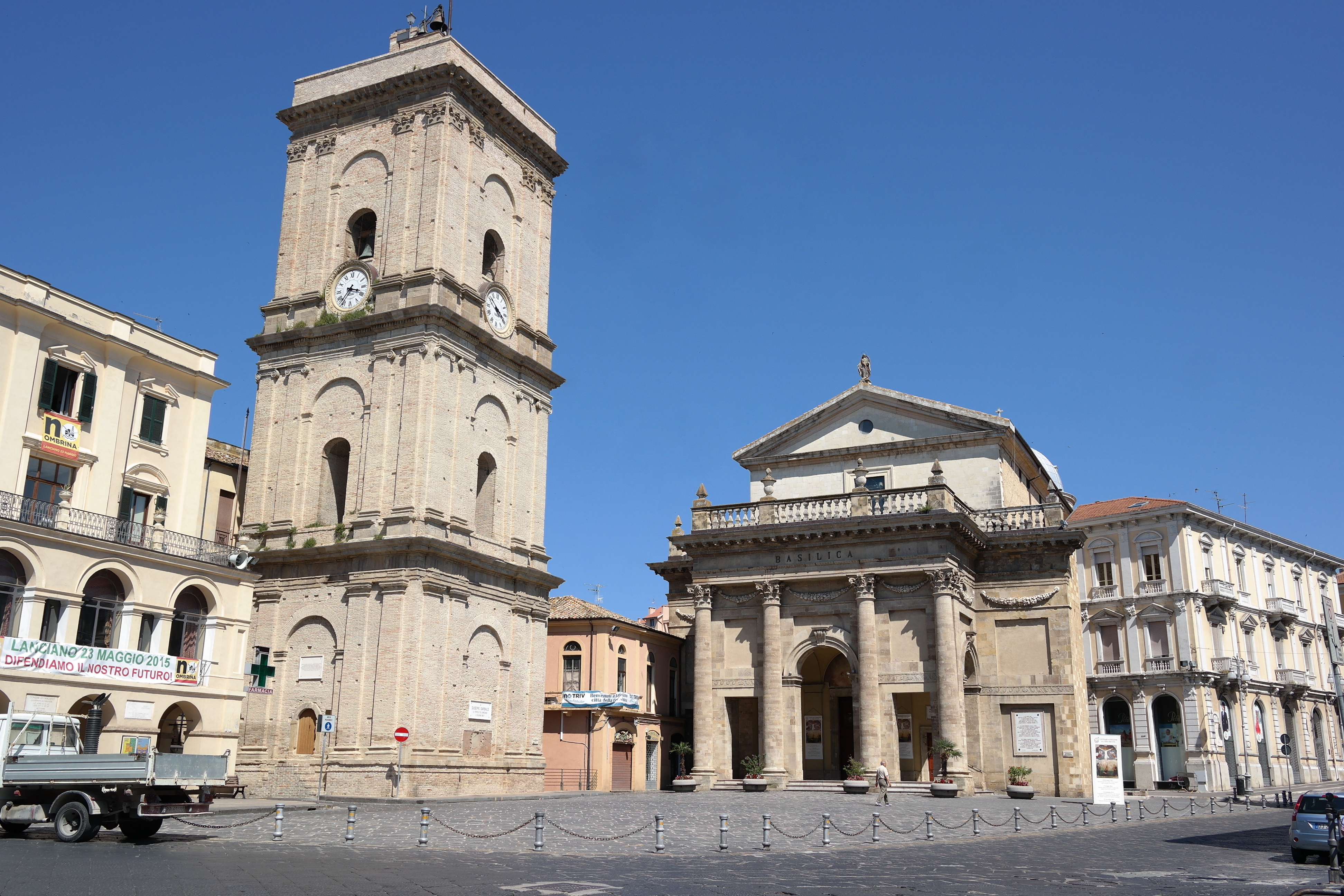
The facade, work on which began in 1819, was never completed. It features a forepart consisting of a three-light portico with columns topped by the balustrade of a terrace. Its masonry is of face brick, and is one of the best examples of the application of terracotta to the architectural order.
Cathedral of Our Lady of the Bridge - Lanciano | Secret World Trip Planner

The imposing four-story bell tower (including the one now buried due to the raising and leveling of the square) was built between 1610 and 1640, by Tommaso Sotardo of Milan. Consolidation work on the structures was carried out in 1942-43 and, more recently, in the period from 1985 to 1996, during its closure following an earthquake event.


🗺 The smart Trip Planner app

Plan your visit to Lanciano

Suggested itinerary near Cathedral of Our Lady of the Bridge

MAJ+
500.000+ travelers worldwide
  1. 🌅
    Morning
    Cathedral of Our Lady of the Bridge
    📍 Lanciano
  2. ☀️
    Afternoon
    The bocconotto abruzzese
    📍 4.8 km · Lanciano
  3. 🌆
    Evening
    Rocca San Giovanni, among beaches, vineyards and orange groves
    📍 6.5 km · Lanciano

Buy Unique Travel Experiences

Powered by Viator

See more on Viator.com

Explore nearby · Lanciano

Frequently Asked Questions

The cathedral's history dates back to 1389 when citizens built a small oratory on Diocletian's Bridge to protect an ancient statue of the Madonna and Child discovered after the 1088 earthquake. The original terracotta sculpture likely dates from the late 14th century, and the site grew into a basilica by the end of the 18th century due to increasing pilgrimage and devotion to Our Lady of the Bridge.
The first oratory was constructed in 1389 to guard an ancient statue of the Madonna and Child that was found in the spans of Diocletian's Bridge following damage from the 1088 earthquake. According to tradition, the statue may have been hidden in the bridge to protect it from iconoclastic destruction, though historians suggest it more likely contained a painted image of the Virgin instead.
The present Cathedral of Our Lady of the Bridge was built at the end of the 18th century based on plans by architect Eugenio Micchitelli, replacing the earlier church of the Santissima Annunziata. The basilica's construction was prompted by the growing number of pilgrims seeking miracles and graces from Our Lady of the Bridge.
The facade, which began construction in 1819, features a three-light portico with columns topped by a terrace balustrade and is built with face brick terracotta—one of the finest examples of terracotta application to architectural design. Notably, the facade was never completed, giving the cathedral its distinctive unfinished appearance.
The first oratory contained the statuette of Our Lady flanked by full-length figures of the twelve apostles, which prompted the completion of the originally half-length Marian sculpture to match the surrounding figures. This artistic arrangement was an important feature of the early chapel before the larger basilica was constructed.