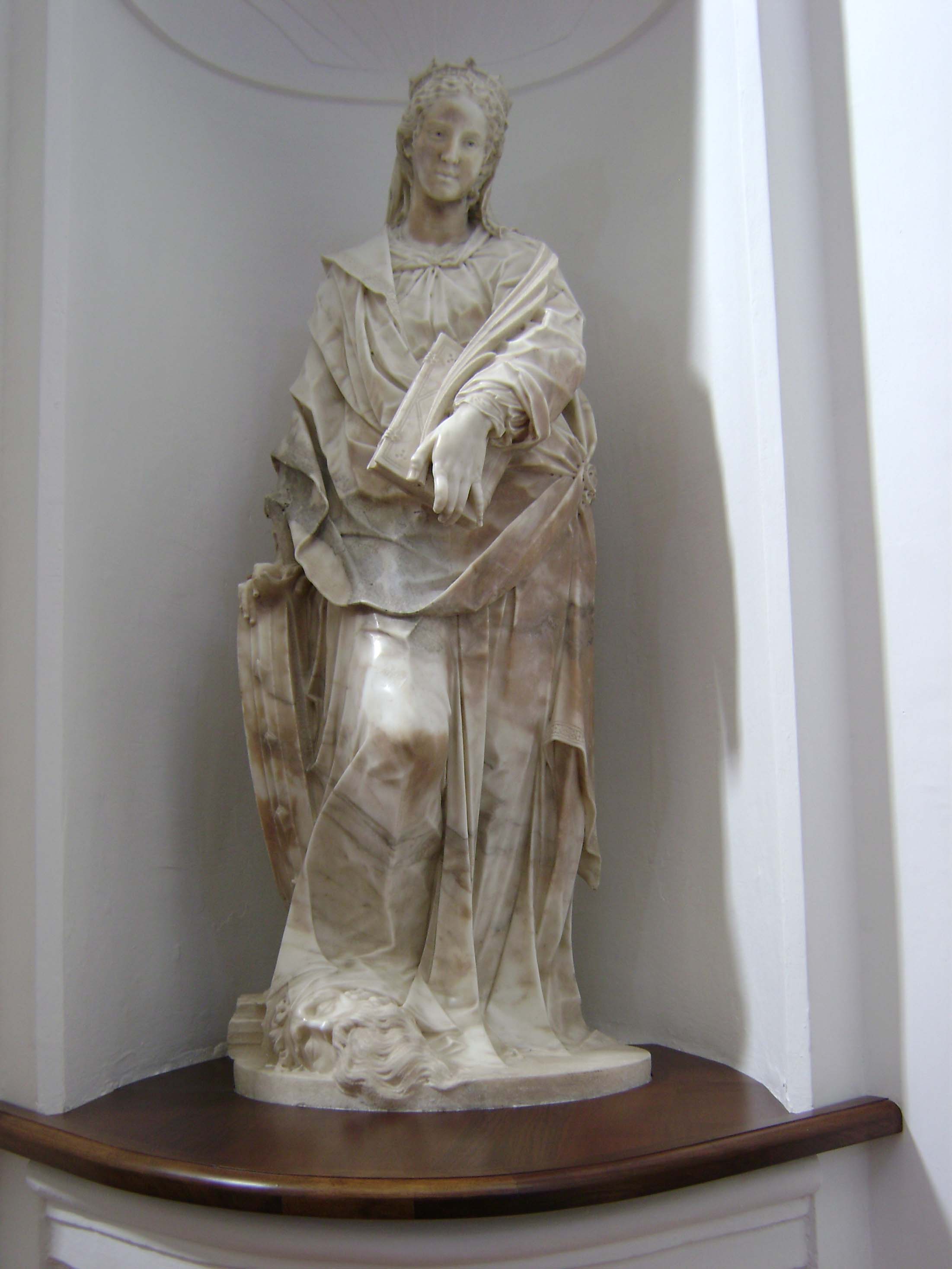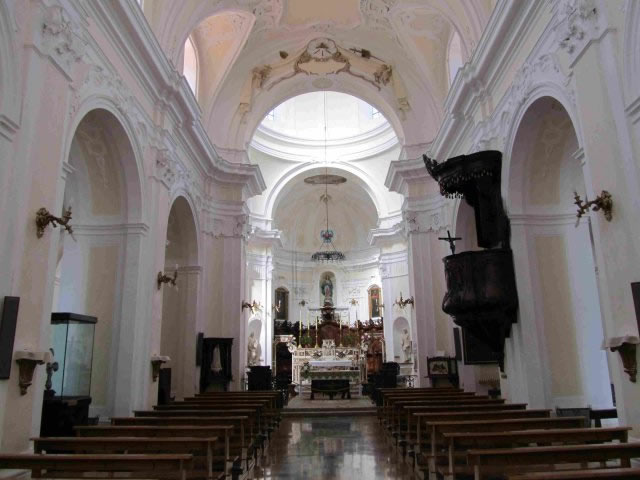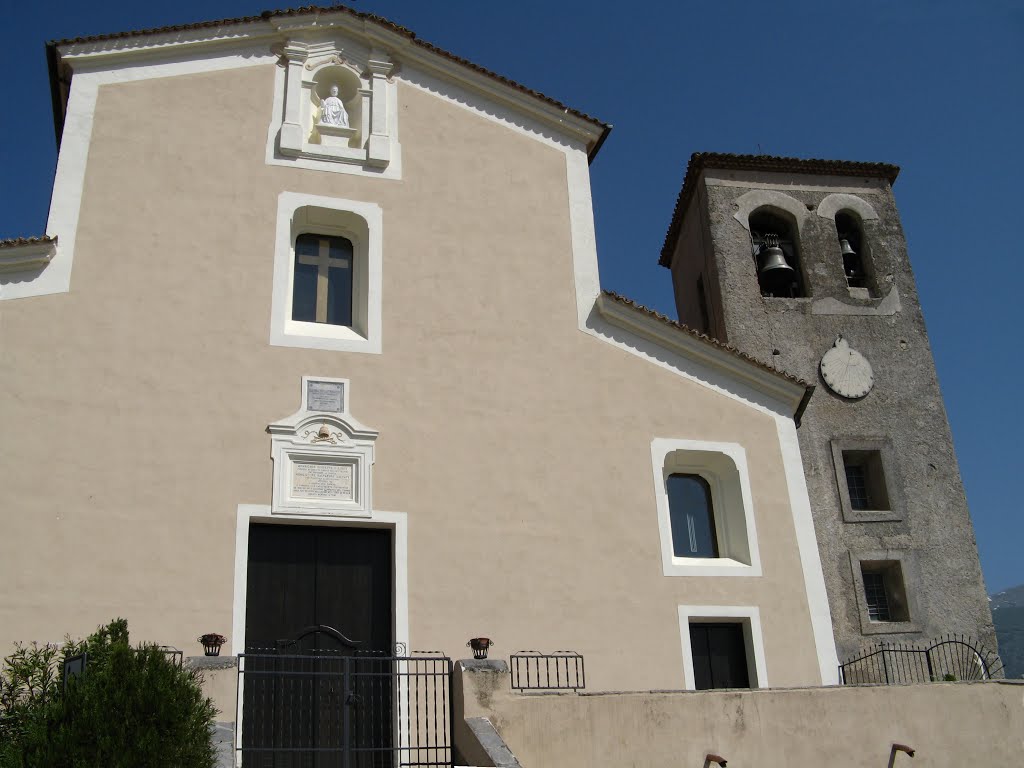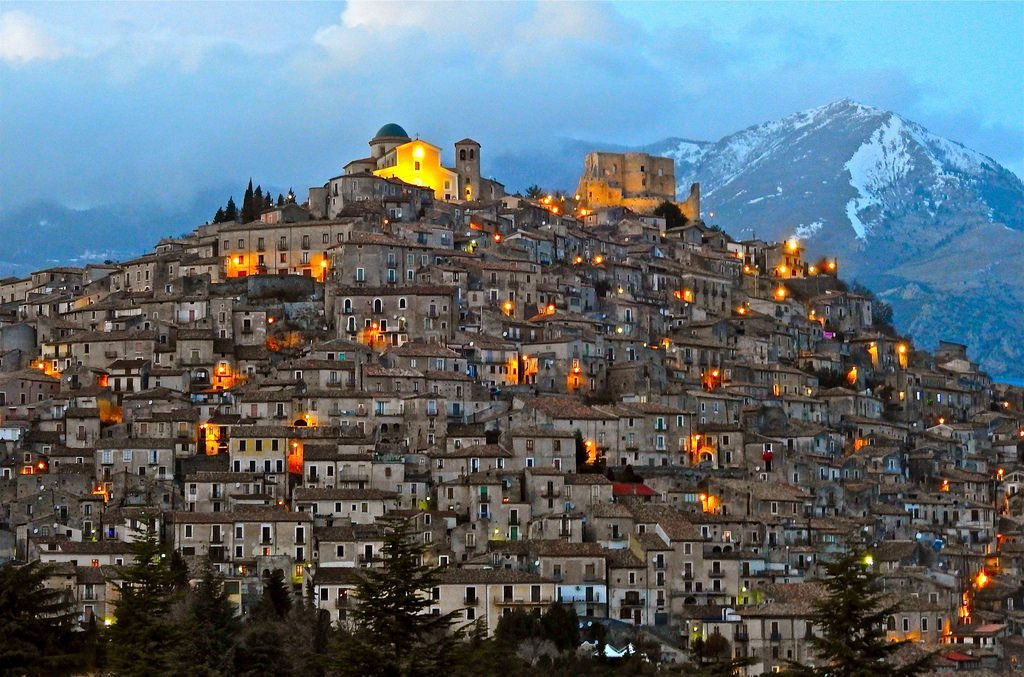

The church, which stands in the upper part of the town near the castle, is one of the oldest in Morano. In fact, it dates back perhaps to the year 1,000, although various renovations over the centuries make it impossible to identify the oldest architectural elements. The bell tower, dating from medieval times, was initially detached from the rest of the building and is still set back from the church. Instead, the result of work carried out between 1822 and 1886 is the domed dome. The interior space of the church, now with three naves and a Latin cross, owes its elegant late Baroque appearance, with declared preludes to Rococo, to the interventions of the late 18th century. The oldest works preserved in this church date from the 15th century: evidence of the early 15th century is the Sarcophagus Front (walled in the left side wall of the sacristy), a bas-relief on stone belonging to the tomb of the Fasanella family, feudal lords of Morano from the 1200s to the mid-1500s. Of particular value is the silver processional cross (1445), a gift of the priest Antonello de Sassone, attributable to Neapolitan silver production. In the side niches of the high altar and in those of the side arms of the transept are two pairs of marble statues by Pietro Bernini (1562 - 1629), father of the more famous Gianlorenzo and a well-known sculptor of Tuscan origin active in Naples in the late 1500s early 1600s. The St. Catherine of Alexandria and St. Lucy originally pertaining to the church of the Augustinians in Colloreto are works from 1592. On the other hand, the St. Peter and St. Paul, patrons of the Moranese archpriesthood of the same name, are from 1602. Two other sculptural works date back to the same 17th century: the wooden statue of Candlemas, which comes from the convent of Colloreto, is attributed to Giovan Pietro Cerchiaro, an exponent of local craftsmanship in the second half of the 17th century; the marble statue of St. Charles Borromeo, on the other hand, is assigned to an author of Neapolitan culture. The pictorial works kept in this church are also of considerable interest. To Cristofaro Roncalli known as il Pomarancio (1552 - 1626), a painter also of Tuscan origin, active between Rome and the Marches, is due the Lamentation over the Dead Christ. The altarpiece and two other canvases depicting St. Peter and St. Paul (now in the apse) originally constituted integral parts of the same polyptych on whose frame the coat of arms of the University of Morano stood out. Apart from the marble altars that were commissioned in Naples, the wooden furnishings of this church are also due to the workshop of the Fusco family .The lectern (1793) is the work of Agostino, from the workshop of Agostino and Mario is the Pulpit. The chancel, in precious Rococo style, is the masterpiece of this family of cabinetmakers, who wisely and skillfully resorted to refined decorations "á la page" with the innovations of European Rococo. The work begun by Augustine in 1792 was finished by his son Francis Mario, who, together with a certain Romualdo Le Rose, completed the presbytery chair in 1805. Above, in the small cymas, painted medallions simulating 'cameo' decorations, also typical of "rocaille" furniture, do not go unnoticed. In them are portraits of the apostles, executed by Genesio Galtieri.