
🎄 Win a month in Italy for two — €10,000 · The Secret Italy Prize GO →
Churches of Peace in Jawor and ?widnic — ?widnica
← Back
Religious places 📍 ?widnica, Poland 179 views

Churches of Peace in Jawor and ?widnic

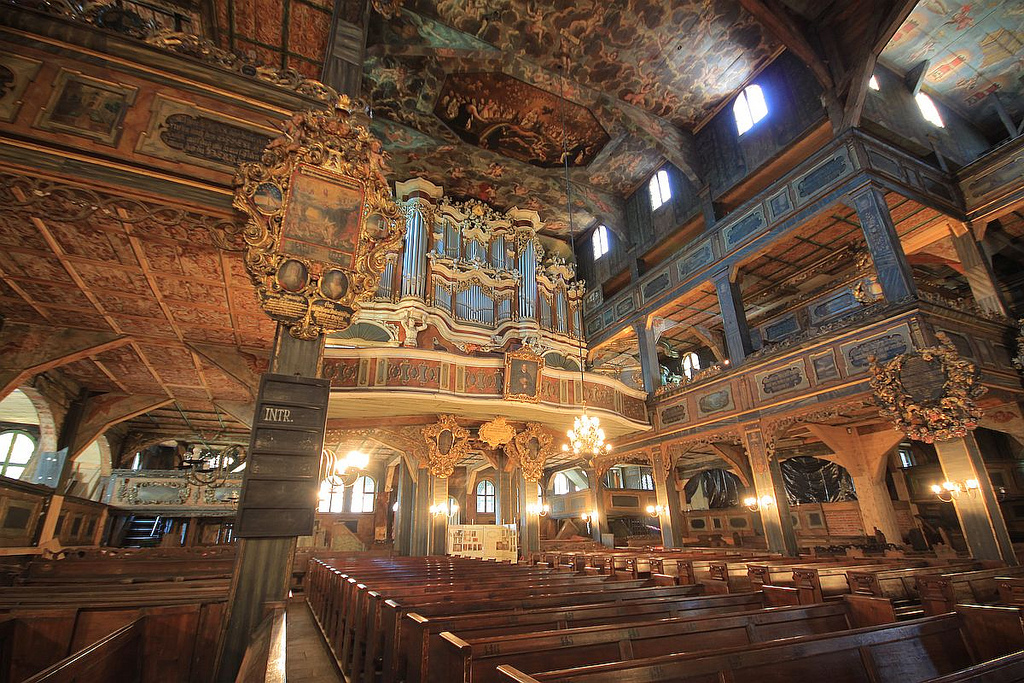
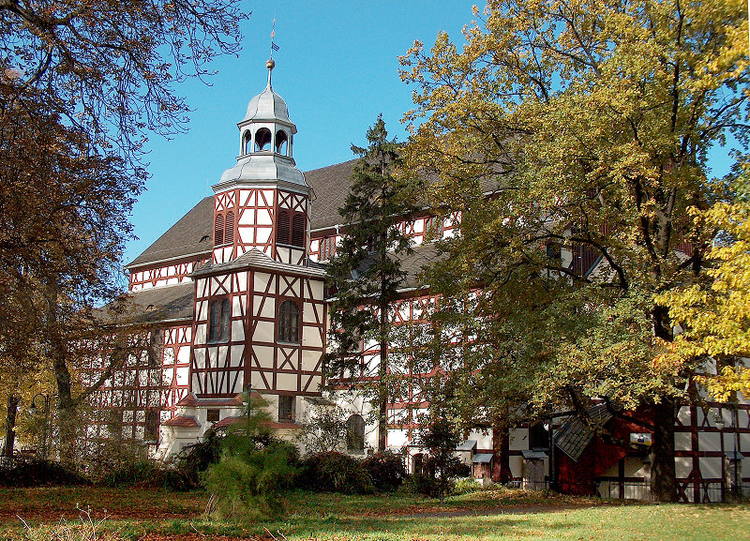
The Churches of Peace in Jawor and ?widnica, the largest timber-framed religious buildings in Europe, were built in the former Silesia in the mid-17th century, amid the religious strife that followed the Peace of Westphalia. Constrained by the physical and political conditions, t...

Photo · Patrizia M.

Churches of Peace in Jawor and ?widnic — ?widnica, Poland.

Location
?widnica
Type
Religious places
Opening hours
Weather now
↗ Directions

About Churches of Peace in Jawor and ?widnic

Churches of Peace in Jawor and ?widnic - ?widnica | Secret World Trip Planner

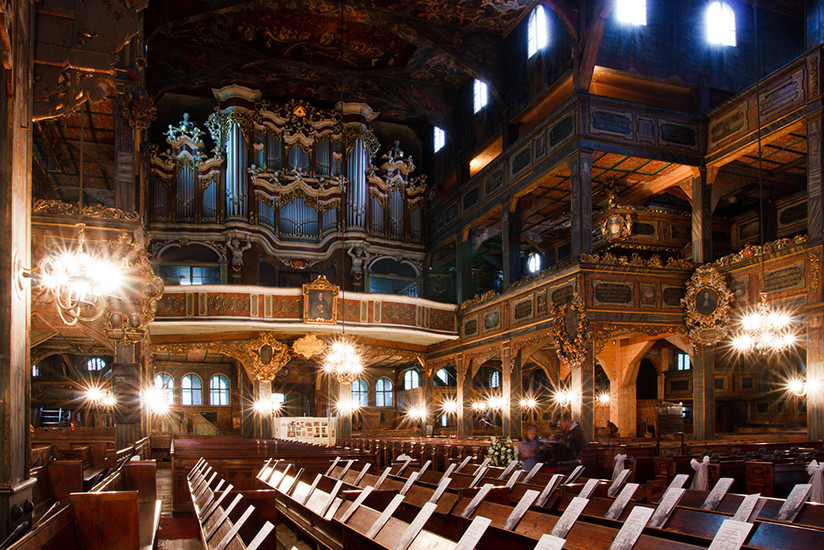
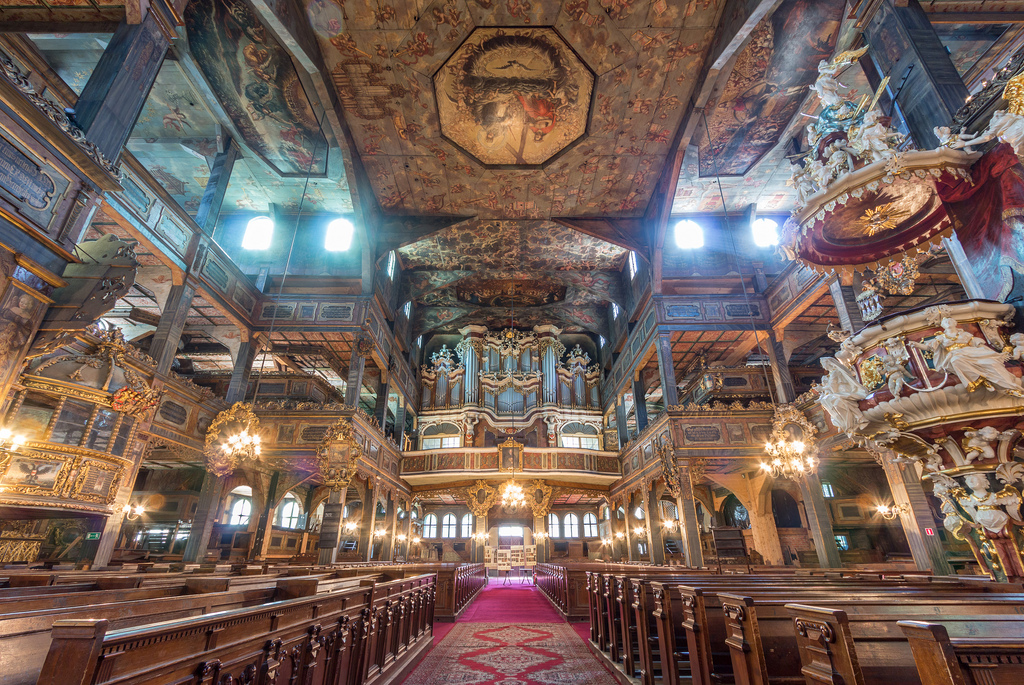
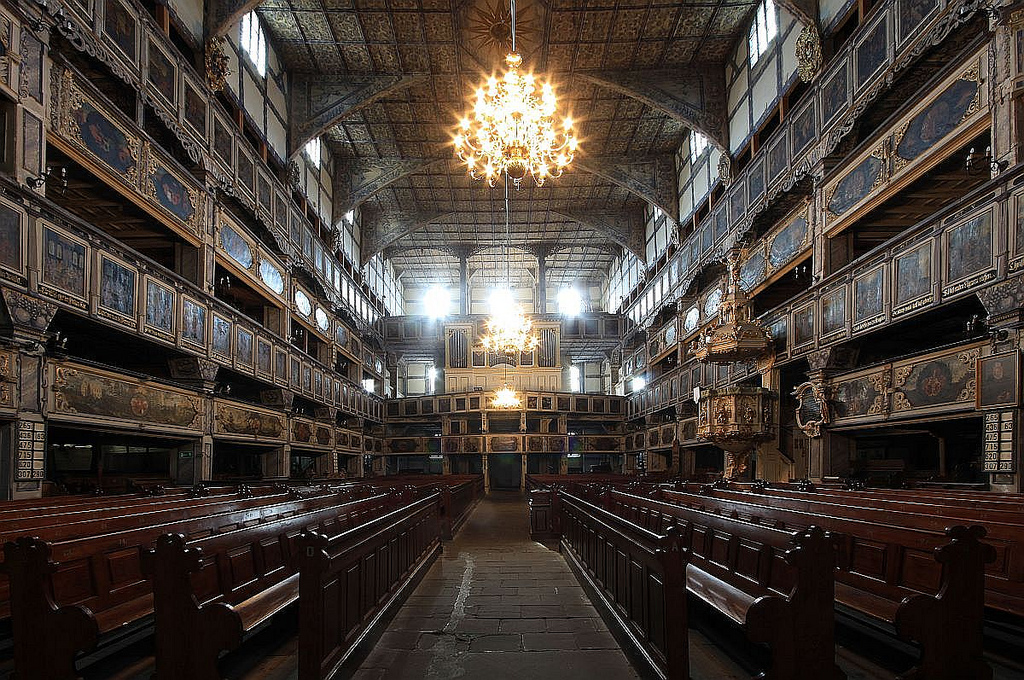
The Churches of Peace in Jawor and ?widnica, the largest timber-framed religious buildings in Europe, were built in the former Silesia in the mid-17th century, amid the religious strife that followed the Peace of Westphalia. Constrained by the physical and political conditions, the Churches of Peace bear testimony to the quest for religious freedom and are a rare expression of Lutheran ideology in an idiom generally associated with the Catholic Church. Since 2001, the remaining churches are listed as UNESCO World Heritage Sites. The church in Jawor has capacity of 5, 500. It was constructed by architect Albrecht von Saebisch (1610–1688) from Wroclaw and was finished in 1655. The 200 paintings inside by were done by Georg Flegel in 1671–1681. The altar, by Martin Schneider, dates to 1672, the original organ of J. Hoferichter from Legnica (then German Liegnitz) of 1664 was replaced in 1855–1856 by Adolf Alexander Lummert. References: Wikipedia UNESCO
Churches of Peace in Jawor and ?widnic - ?widnica | Secret World Trip Planner
✦ Secret World · suggested day

A perfect day in ?widnica

Start with Churches of Peace in Jawor and ?widnic, then continue with nearby places selected by Secret World.

  1. 01
    Morning
    Churches of Peace in Jawor and ?widnic
    📍 ?widnica
    Start here
  2. 02
    Afternoon
    📍 12.2 km away
  3. 03
    Evening
    📍 14 km away

Collect this place

Turn places you discover into stamps in your Secret Passport.

Open Secret Passport →

Keep exploring · ?widnica

Frequently Asked Questions

These churches are recognized as UNESCO World Heritage Sites since 2001 because they are the largest timber-framed religious buildings in Europe and represent a unique expression of religious freedom during the 17th century. Built after the Peace of Westphalia amid religious strife, they showcase Lutheran ideology expressed through architectural and artistic styles traditionally associated with the Catholic Church, making them rare historical monuments of their kind.
The Church of Peace in Jawor has a capacity of 5,500 people, making it an impressively large structure despite being constructed entirely from timber. This substantial capacity reflects the significant Lutheran community that existed in Silesia during the 17th century.
The Church of Peace in Jawor was designed by architect Albrecht von Saebisch from Wroclaw (1610–1688) and was completed in 1655. The church's interior was further enhanced with 200 paintings by Georg Flegel created between 1671–1681, plus an altar by Martin Schneider from 1672.
Inside the Church of Peace in Jawor, you can admire approximately 200 paintings created by Georg Flegel between 1671–1681, an ornate altar designed by Martin Schneider from 1672, and historical organ work that dates back to 1664 by J. Hoferichter, though it was later replaced in 1855–1856. These artistic elements showcase the exceptional craftsmanship and Lutheran religious expression within this remarkable timber structure.
The Churches of Peace were built in the mid-17th century in former Silesia following the Peace of Westphalia, during a period of intense religious strife in Europe. They were constructed under strict physical and political constraints to provide space for Lutheran worship, representing a remarkable quest for religious freedom and tolerance during this turbulent historical period.

Experiences nearby · ?widnica

Powered by Viator

See more on Viator.com