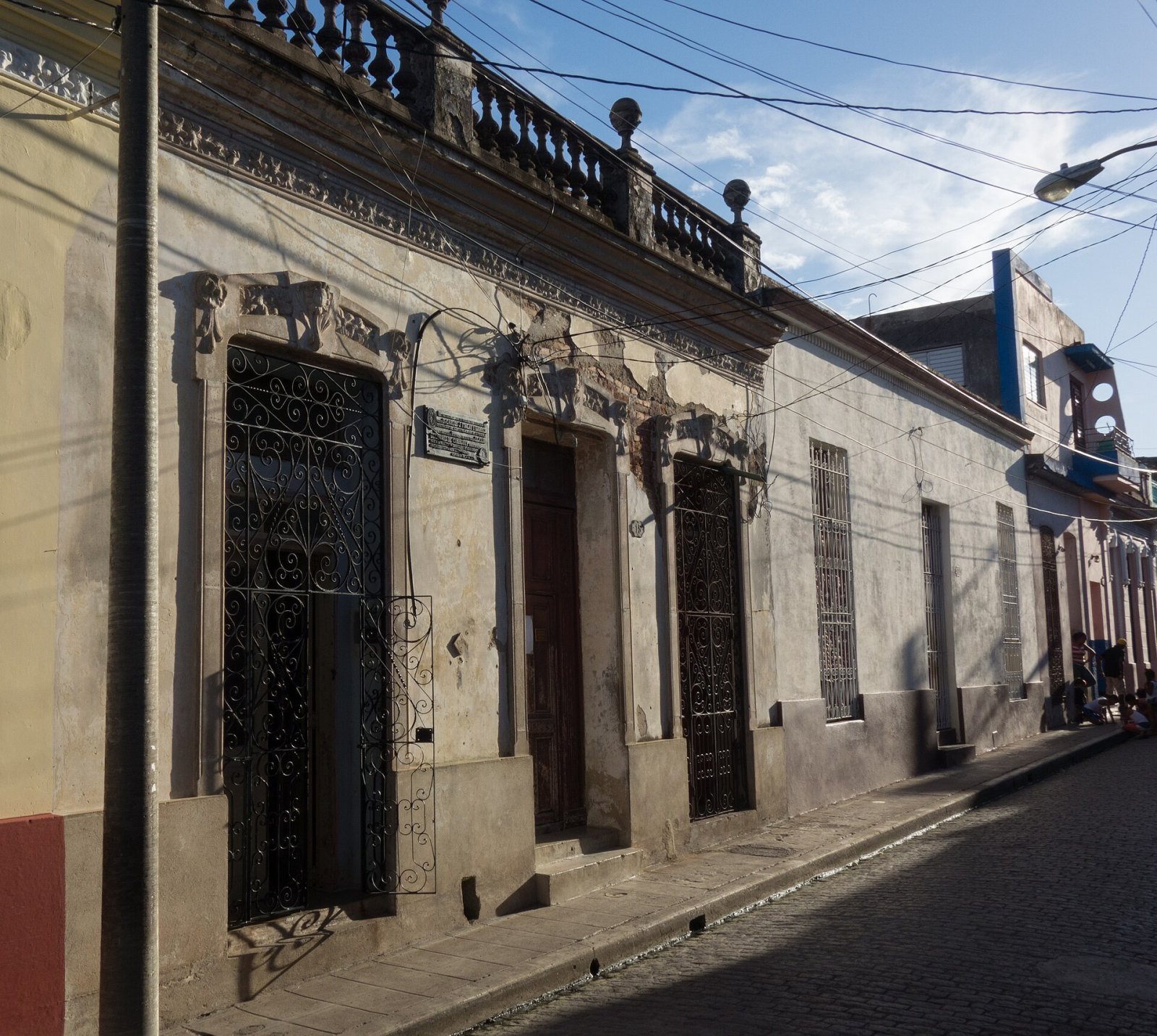

Dr. Carlos J. Finlay is a figure of extraordinary importance in the history of medicine and science, whose work has had a significant impact on public health. Born in Cuba, Finlay is best known for his pioneering research on the role of mosquitoes in the transmission of yellow fever. His legacy is celebrated and continues to influence the fight against infectious diseases worldwide.
Visiting the site dedicated to Finlay offers a unique opportunity to immerse oneself in the history of medicine and better understand the challenges faced by doctors and scientists of the past. His life and discoveries are an example of how perseverance and dedication can lead to significant changes in society.
History and Origins
Dr. Carlos J. Finlay was born in Cuba and dedicated much of his life to scientific research. His discovery that mosquitoes were the vectors of yellow fever revolutionized medicine, helping to save countless lives. Finlay, through rigorous methods and detailed observations, was able to demonstrate that the disease was not caused by direct contact between people, but rather by a transmissible agent. This insight paved the way for new strategies for the prevention and control of infectious diseases.
His work has had a lasting impact, influencing not only public health in Cuba but also around the world. His studies were fundamental to the understanding of tropical diseases and laid the groundwork for future research in epidemiology and virology. The figure of Finlay represents a crucial chapter in the history of medicine, highlighting the importance of scientific research and international collaboration.
Sights to Observe
When visiting the site dedicated to Dr. Carlos J. Finlay, visitors can admire not only the tributes to this illustrious scientist but also the surrounding architecture that reflects Cuba's rich cultural history. Various monuments and installations commemorating his achievements and contributions to science can be discovered. These elements not only pay homage to his figure but also provide a visual context that helps understand his impact in the fight against yellow fever.
Additionally, the site often hosts events and conferences that delve into the themes of public health and infectious diseases. Participating in these initiatives can provide further insights and knowledge about the importance of scientific research and the need to continue fighting the diseases that afflict humanity.
Why It Is Interesting Today
Today, the work of Dr. Carlos J. Finlay is more relevant than ever, especially in a world facing global health challenges such as pandemics and antibiotic resistance. His insight into the transmission of diseases through biological vectors underpins many modern epidemic control strategies. His legacy reminds us of the importance of investing in research and prevention, crucial elements for protecting the health of the global population.
In an era where infectious diseases can spread rapidly, Finlay's work serves as a warning and inspiration for new generations of scientists and doctors. His life is an example of how science can tackle and solve complex problems, making his study and commemoration of fundamental importance for the present and future.
Practical Information for Visitors
For those wishing to visit the site dedicated to Dr. Carlos J. Finlay, it is advisable to inquire about any special events or conferences that may take place during their stay. The area is accessible and offers various opportunities to explore Cuban history and culture, making the visit not only educational but also fascinating. It is important to plan the trip in advance to make the most of the experience.
Furthermore, for a complete visit, it is useful to download the Secret World app, which provides information and suggestions on other historical and cultural points of interest in Cuba, allowing for an even richer travel experience.