
← Back

Faenza

48018 Faenza RA, Italia ★★★★☆ 189 views
Chiara Senna
Faenza
🏆 AI Trip Planner 2026

Get the free app

Discover the best of Faenza with Secret World — the AI trip planner with 1M+ destinations. Get personalized itineraries, hidden gems and local tips. Free on iOS & Android.

🧠 AI Itineraries 🎒 Trip Toolkit 🎮 KnowWhere Game 🎧 Audio Guides 📹 Videos
Scan to download iOS / Android
Scan for AppGallery Huawei users

About Faenza

Faenza - Faenza | Secret World Trip Planner

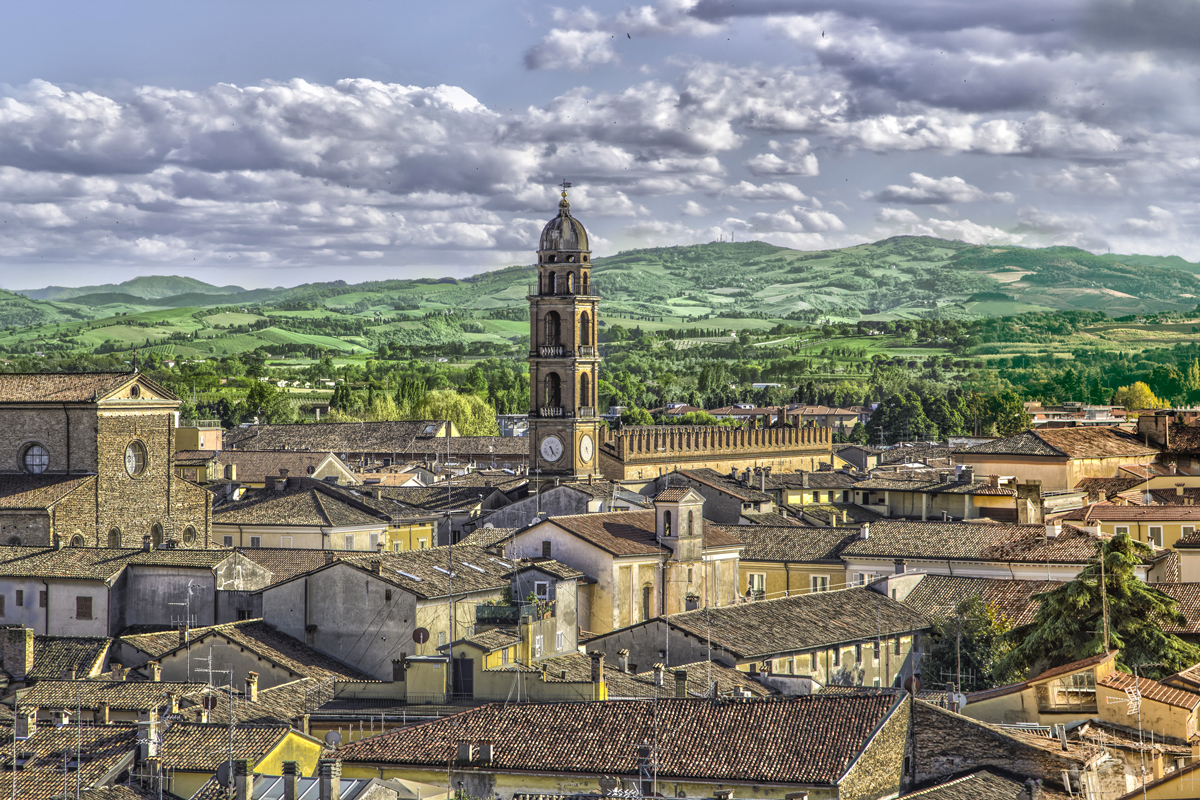
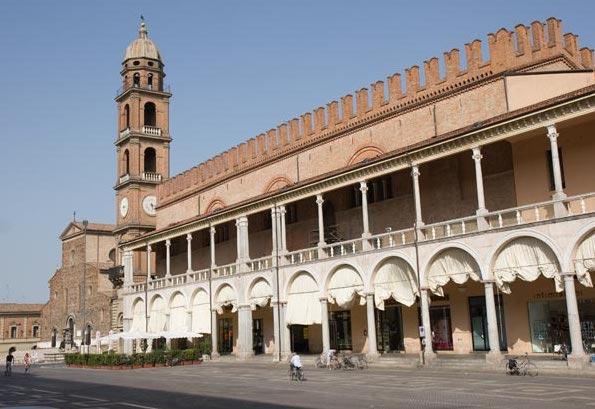
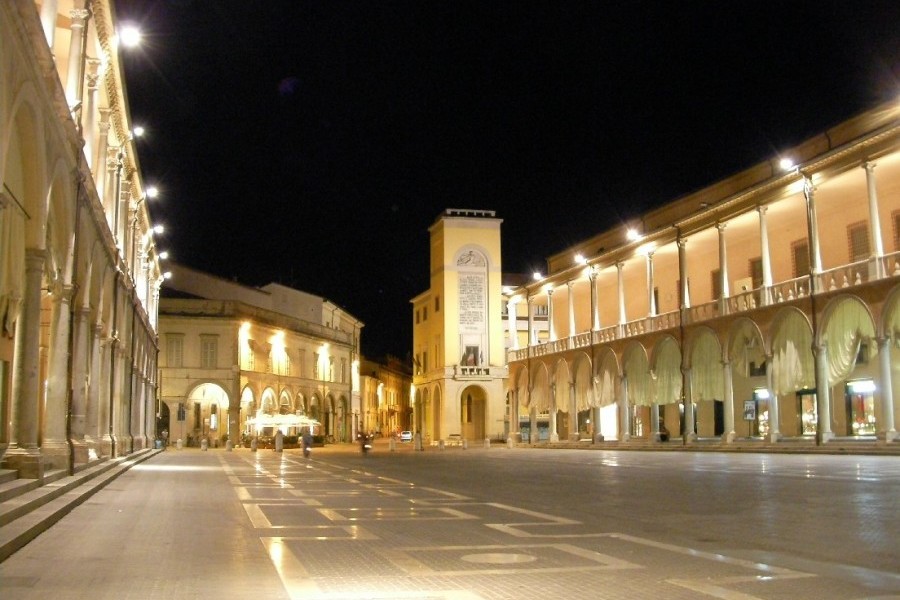
Faenza was probably founded by the Romans in the 2nd century B.C. on a site already inhabited in prehistoric times. Roman Faenza (Faventia) soon became the center of power, the site of trade and artisan workshops. In the 8th century it was walled to defend itself from the Lombards, and in the early 12th century it passed from the feudal system to the municipal institution. In the 14th century the Manfredi conquered the Seigniory of Faenza and held it for nearly two hundred years. During this period the Palazzo del Popolo was enlarged and embellished, the cathedral built, and the city walls enlarged. This is the period of Faenza's greatest splendor and also the period of the development of ceramics, an element that will characterize the city's economic and cultural life over the centuries. The year 1501 marked the end of the Manfreda seigniory by the Valentine and a period of Venetian rule until 1509/10; after that Faenza passed under the rule of the papacy and remained there until the last decade of the 18th century, when Romagna, to the great joy and relief of the people of Faenza, was annexed to the Kingdom of Sardinia. The twentieth century then marks a prosperous period for the city. Trade multiplied thanks to the construction of an important railway junction linking Faenza with the major commercial centers, and in addition, the Esposizione Torricelliana, a very important economic event, also visited by the king, was held, giving national notoriety to the city. Today Faenza is rich in monuments and above all in an art, ceramics, that has made it famous throughout the world. Over the centuries, ceramics has tied the city of Faenza to its name, so much so that Faenza (Faiance) throughout the world is synonymous with majolica, a tradition that continues uninterruptedly and still plays a major role in the city's cultural and economic life.
Faenza - Faenza | Secret World Trip Planner
🗺 The smart Trip Planner app

Plan your visit to Faenza

Suggested itinerary near Faenza

MAJ+
500.000+ travelers worldwide
  1. 🌅
    Morning
    Faenza
    📍 Faenza
  2. ☀️
    Afternoon
    The International Ceramics Museum of Faenza
    📍 0.3 km · Faenza
  3. 🌆
    Evening
    National Museum of the Neoclassical Age in Romagna
    📍 0.5 km · Faenza

Buy Unique Travel Experiences

Powered by Viator

See more on Viator.com

Explore nearby

Frequently Asked Questions

Faenza became renowned for ceramics starting in the 14th century during the Manfredi family's rule, a period of great splendor when ceramic production flourished. Over the centuries, the city's name became so synonymous with majolica that 'Faience' throughout the world is now used as a term for this type of pottery, and ceramics continue to play a major role in the city's cultural and economic life today.
Key monuments include the Palazzo del Popolo and the cathedral, both of which were enlarged and embellished during the prosperous 14th-century rule of the Manfredi family. The city is also surrounded by walls that were expanded during this golden period, showcasing Faenza's rich architectural heritage from its feudal past.
Faenza's importance as a trading center began in Roman times when it was founded in the 2nd century B.C. as Faventia, serving as a center of power and home to trade and artisan workshops. The city experienced another major commercial boom in the twentieth century with the construction of an important railway junction connecting it to major commercial centers.
Faenza evolved from a Roman settlement to a feudal system, then became a municipal institution in the early 12th century before being conquered by the Manfredi family in the 14th century. After the Manfredi rule ended in 1501, the city passed through Venetian control and then papal rule for nearly three centuries, until Romagna was annexed to the Kingdom of Sardinia in the late 18th century.
Faenza is rich in monuments from its diverse historical periods and is world-renowned for its ceramic and majolica traditions that remain actively practiced. The city gained national notoriety in the twentieth century through the Esposizione Torricelliana, an important economic and cultural event, and today visitors can experience both its historical architecture and vibrant contemporary ceramics culture.