





← Back

Gran Salone della Meridiana

Piazza Museo, 19, 80135 Napoli, Italia ★★★★☆ 161 views
Marianna Totti
Napoli
🏆 AI Trip Planner 2026

Get the free app

Discover the best of Napoli with Secret World — the AI trip planner with 1M+ destinations. Get personalized itineraries, hidden gems and local tips. Free on iOS & Android.

🧠 AI Itineraries 🎒 Trip Toolkit 🎮 KnowWhere Game 🎧 Audio Guides 📹 Videos
Scan to download iOS / Android
Scan for AppGallery Huawei users

About Gran Salone della Meridiana

Gran Salone della Meridiana - Napoli | Secret World Trip Planner

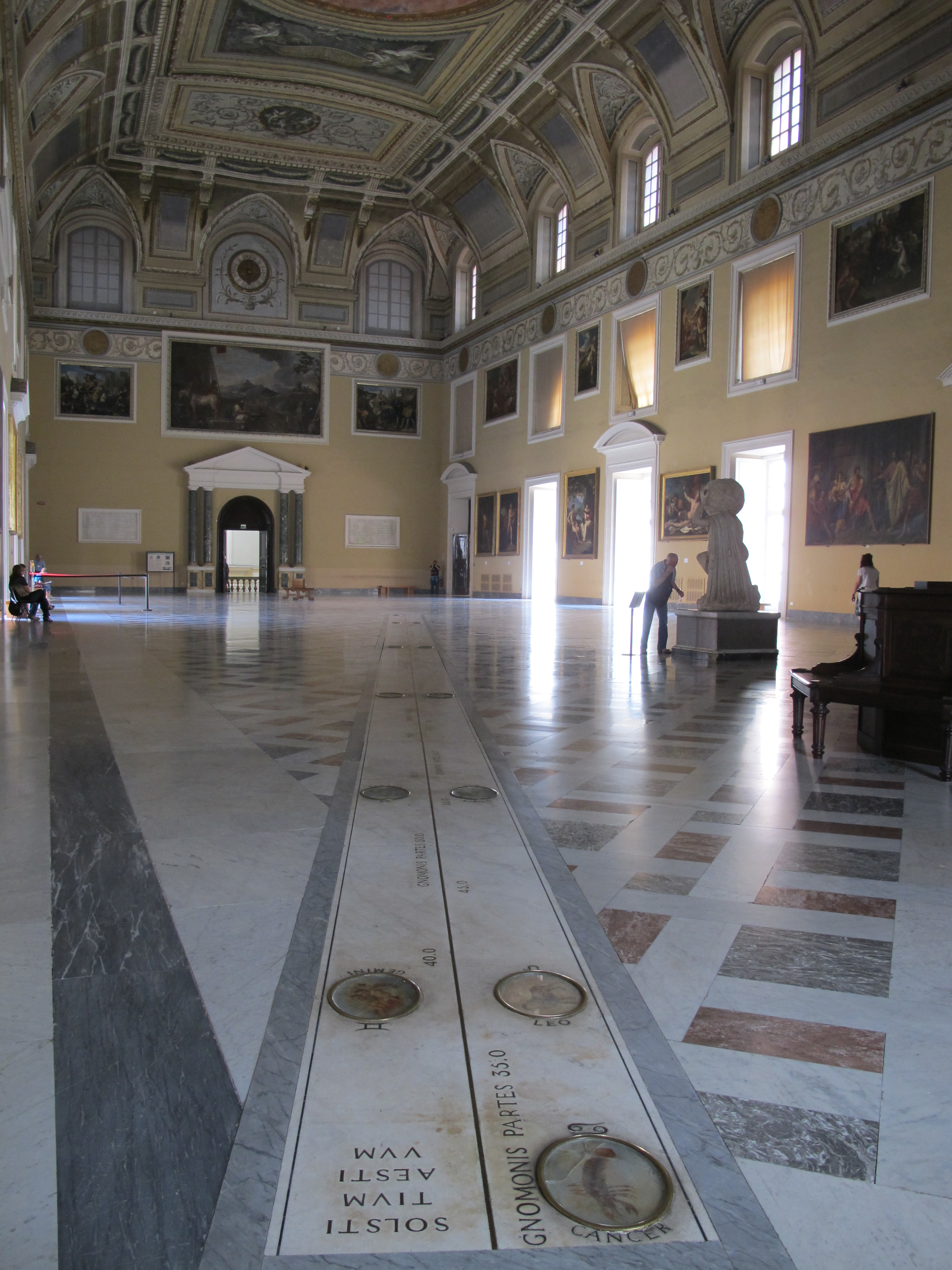
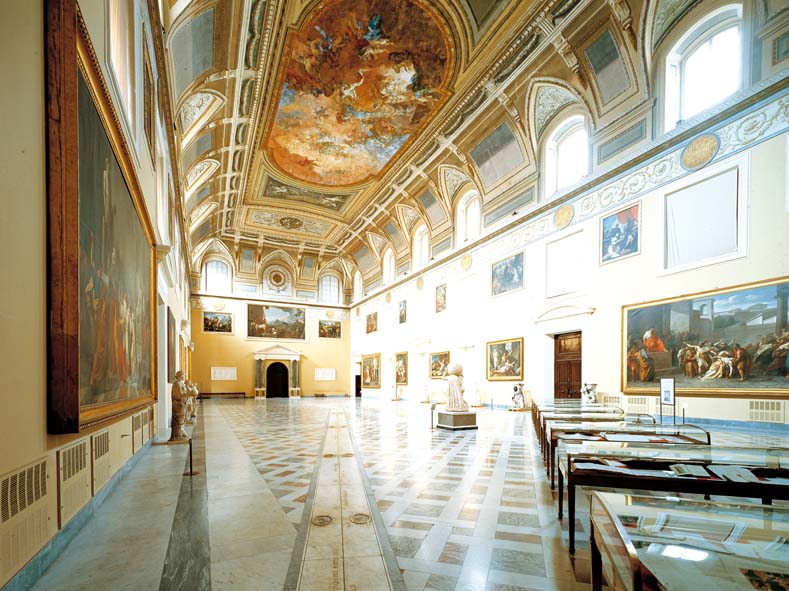
The Sundial Hall of the National Archaeological Museum is one of the most impressive architectural spaces for monumentality and size in the city of Naples and, of its kind, in all of Europe (length m. 54, width and height m.20). Destined to host the "Public Bookseller's" when the Palace was the seat of the Neapolitan University, the room remained unfinished and unused throughout the seventeenth century. In the following century, after the building was transformed into the Real Museo Borbonico (1777), it housed the Farnesiana library, brought to Naples a few decades earlier by King Charles of Bourbon. The official opening of the library dates back to 1783, as can be read on the dedicatory plaque at the entrance, but the arrangement of the books took longer. Further transformations were determined, between 1790 and 1793, by the project, never completed, to install in the north-west wing of the building an astronomical observatory on the proposal of the astronomer Giuseppe Casella. The idea was soon abandoned due to both financial and political difficulties and perhaps also to the limited horizon that would not allow to observe completely the zodiac belt. All that remains of the initial project is the sundial on the floor of the Hall, in the southwest corner. Designed by Pompeo Schiantarelli, it is over 27 meters long and consists of a brass strip that runs between the marble panels in which elliptical shapes are set with paintings of the twelve signs of the zodiac. The sundial is still working: the sunlight penetrates the hole of the gnomon placed at the top of the room to the right of the vault and, at local noon, falls on the sundial line of the floor, running along it according to the seasons.

Gran Salone della Meridiana - Napoli | Secret World Trip Planner
🗺 The smart Trip Planner app

Plan your visit to Napoli

Suggested itinerary near Gran Salone della Meridiana

MAJ+
500.000+ travelers worldwide
  1. 🌅
    Morning
    Gran Salone della Meridiana
    📍 Napoli
  2. ☀️
    Afternoon
    The National Museum of Archaeology in Naples (Museo Archeologico Nazionale di Na
    📍 0.1 km · Napoli
  3. 🌆
    Evening
    Church of Santa Maria delle Grazie Maggiore in Caponapoli
    📍 0.2 km · Napoli

Buy Unique Travel Experiences

Powered by Viator

See more on Viator.com

Explore nearby · Napoli

Frequently Asked Questions

The Sundial Hall is one of Europe's most impressive architectural spaces, measuring 54 meters long and 20 meters in both width and height, located in Naples' National Archaeological Museum. Originally designed to host the Public Bookseller when the Palace was the Neapolitan University, it later became home to the Farnesiana library brought by King Charles of Bourbon in 1777.
Yes, the sundial designed by Pompeo Schiantarelli is still working today and is over 27 meters long. Sunlight enters through a gnomon hole at the top of the room, and at local noon the light falls precisely on the brass strip sundial line on the floor, moving along it according to the seasons.
The sundial features elliptical shapes set into marble panels with paintings of all twelve zodiac signs integrated into its design. The brass strip runs between these marble panels, making it both a functional astronomical instrument and an artistic display of celestial symbolism.
Between 1790 and 1793, astronomer Giuseppe Casella proposed installing an astronomical observatory in the building's north-west wing, which would have left the sundial floor as part of the project. The plan was abandoned due to financial and political difficulties, as well as the building's limited horizon that wouldn't allow complete observation of the zodiac belt.
Visit around local noon to see the sundial's gnomon effect in action, when sunlight penetrates the hole at the top of the vault and illuminates the brass strip on the floor. The best viewing would be on clear, sunny days when sunlight is strongest and most visible against the marble floor.