At a glance
- Scarperia e i coltelli — The Knife Town in the Mugello Hills
- Palazzo d'Arnolfo — San Giovanni Valdarno's Civic Heart
- Il Castello di Strozzavolpe e le sue leggende — A Haunted Castle in Chianti Country
- Le Balze del Valdarno e la Gioconda di Leonardo — The Landscape Behind the Mona Lisa
- Zuppa del Carcerato — Poggibonsi and the Food That Survived Poverty
- Accademia Internazionale d'Organo 'Giuseppe Gherardeschi' — Pistoia's Living Musical Tradition
- Il Museo Venturino Venturi — Loro Ciuffenna's Quiet Tribute to a Sculptor
- La Chiesa Santa Maria Assunta a Loro Ciuffenna — A Church That Predates the Town Around It
- Stia e la Biennale Europea d'Arte Fabbrile — Where Iron Is Still Forged by Hand
- Il Padule di Fucecchio — Italy's Largest Inland Wetland
Scarperia e i coltelli — The Knife Town in the Mugello Hills

The town has been famous for cutlery since the 14th century, and you can still watch artisans at work in small workshops along the main street. The Palazzo dei Vicari, with its facade covered in coats of arms, anchors the central piazza. Visit the Museo dei Ferri Taglienti to understand how a single craft defined an entire community's economy for seven centuries. Then buy a knife — a proper one, with a handle made from local horn or olive wood — and you'll have something worth carrying home. The nearby Mugello Circuit adds an odd, petrol-scented contrast if you happen to visit on a racing weekend.
Insider tip
Arrive before 10am on a weekday. The workshops open early and the artisans are more willing to talk before the tourist coaches arrive from Florence around mid-morning. Parking is straightforward in the lot just outside the historic walls — free, and rarely full before noon.
Palazzo d'Arnolfo — San Giovanni Valdarno's Civic Heart
The Palazzo d'Arnolfo stands at the exact center of the town between its two main piazzas, a position that tells you everything about its original purpose as a seat of civic authority. Attributed in tradition to Arnolfo di Cambio — the same architect behind Florence Cathedral's design — the building is a textbook example of Florentine Gothic civic architecture transplanted into a smaller, more human-scaled setting. Walk the two piazzas, visit the Museo della Basilica di Santa Maria delle Grazie inside the adjacent church, and take time with the Fra Angelico works held in the Museo delle Terre Nuove. San Giovanni was also the birthplace of Masaccio, and the town wears that fact with quiet pride.
Insider tip
The last train back to Florence runs later than you'd expect — check Trenitalia for the evening schedule, but there are usually options past 9pm. This means you can stay for dinner, which is worth doing: the local trattorias near the piazza are priced for residents, not tourists.
Il Castello di Strozzavolpe e le sue leggende — A Haunted Castle in Chianti Country
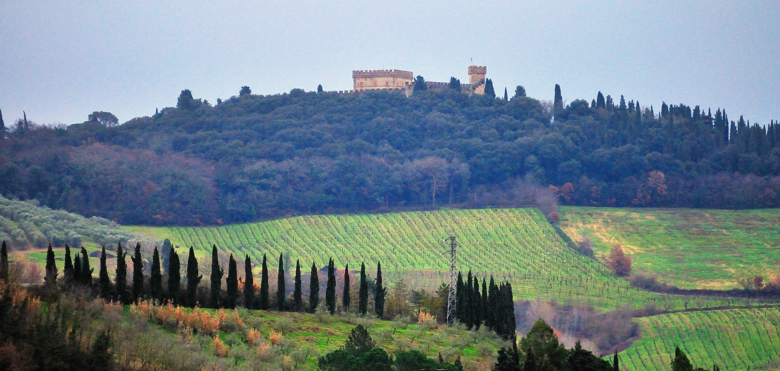
The castle's name translates roughly as 'fox-strangler,' and the legends attached to it are exactly the kind of dark medieval folklore that tends to get scrubbed out of more polished tourist destinations. The site is privately held and access varies, but the exterior and the surrounding landscape are freely visible and worth the detour. Combine this with a stop at a Chianti winery nearby — the zone is dense with them — and the drive becomes a proper half-day circuit. This is a trip for people who want to feel the texture of the landscape rather than tick off a monument.
Insider tip
Do not try to reach Strozzavolpe on a narrow GPS shortcut through the back roads unless you are driving something small. The main approach via Poggibonsi direction is more reliable. Go in autumn when the vineyards are harvested and the light is low and amber — the landscape earns its reputation then.
Le Balze del Valdarno e la Gioconda di Leonardo — The Landscape Behind the Mona Lisa
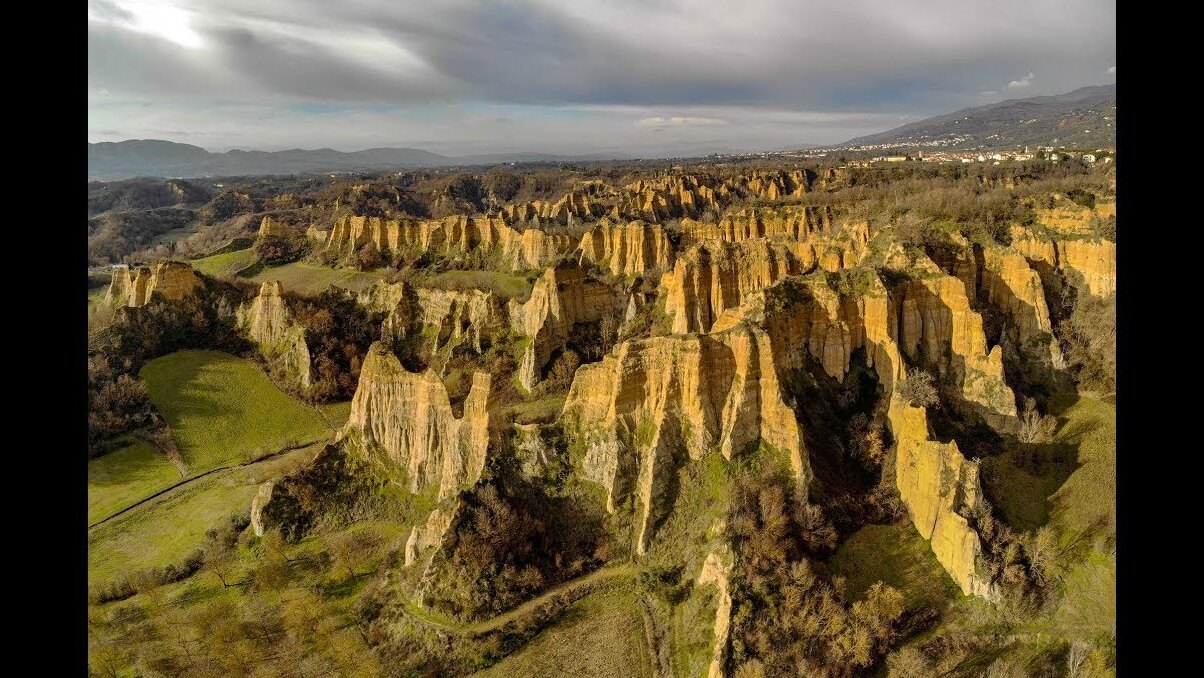
The formations are the result of millennia of erosion on ancient lake sediments, and they have an almost lunar quality up close — pale, layered, and slightly eerie in flat light. Walk the paths that run along the ridges above the Arno, and then drive into the nearest town for lunch. This is not a destination with infrastructure — no visitor center, no cafe at the viewpoint — which is exactly what makes it feel like a discovery rather than an attraction. Bring water, wear walking shoes, and allow two hours minimum at the site itself.
Insider tip
The light on the Balze is best in the morning, before the midday haze flattens the landscape. Leave Florence by 7:30am, and you'll have the place largely to yourself. Afternoon visits in summer can feel washed out and hot — the pale clay reflects heat aggressively.
Zuppa del Carcerato — Poggibonsi and the Food That Survived Poverty

This is a trip built around eating and walking rather than monuments. Find a trattoria that still makes the soup from scratch — ask specifically, because watered-down versions exist — and pair it with local red wine. The broader food culture of the Valdarno rewards exploration: lampredotto sandwiches, schiacciata, and local cheeses fill out a market morning. Come on a Saturday when the weekly markets are running in the smaller towns along the valley.
Insider tip
Don't look for the soup on the tourist menu — look for it on the handwritten daily board, usually listed under 'primi' or 'zuppe.' If it's not on the board, ask. Restaurants that still make it properly tend to be proud of it and will tell you so. Avoid the lunch rush after 1pm — arrive at noon when the kitchen is freshest.
Accademia Internazionale d'Organo 'Giuseppe Gherardeschi' — Pistoia's Living Musical Tradition
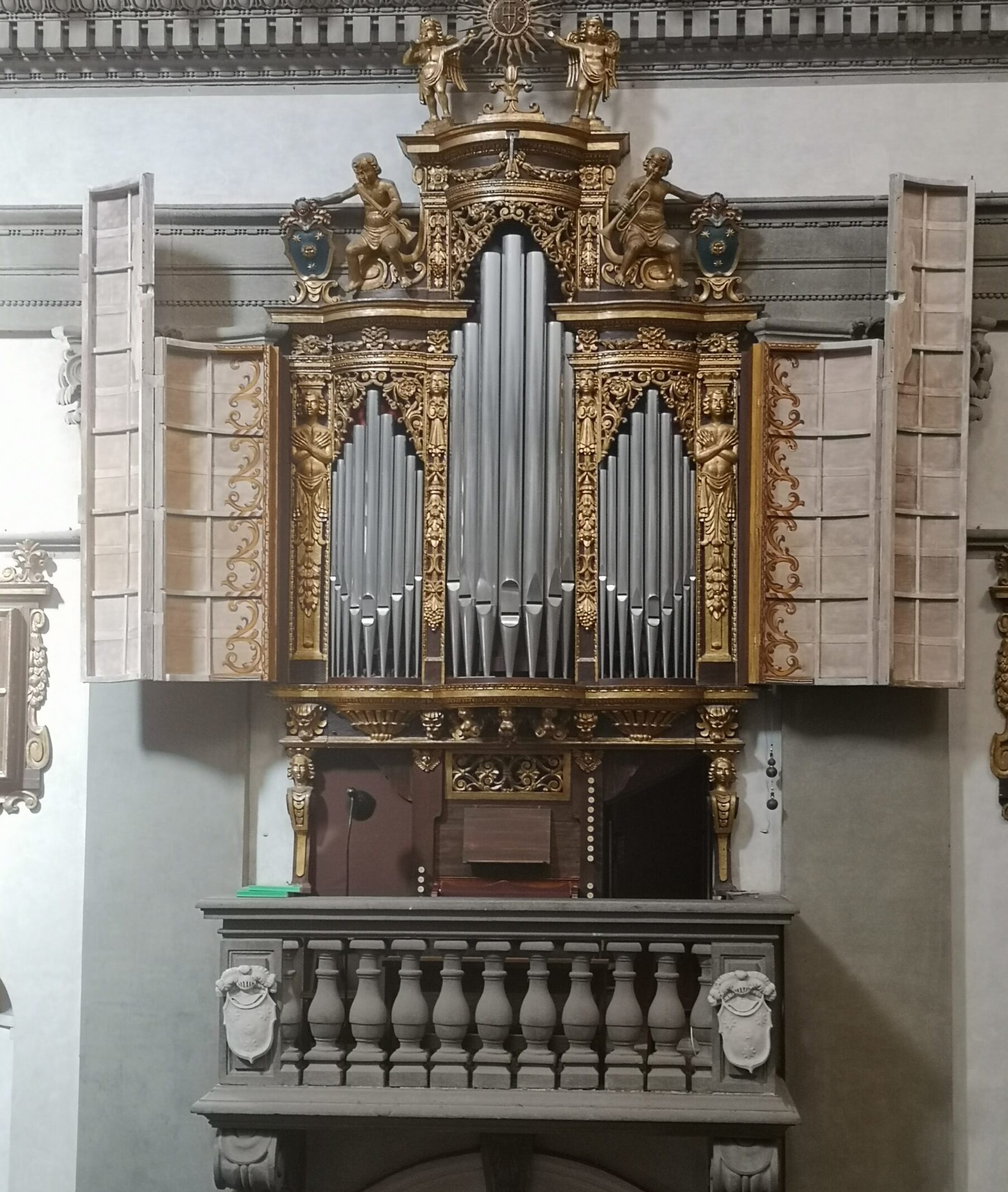
The Accademia has been instrumental in restoring and conserving historic pipe organs across the region, including a Luigi Benedetto Tronci instrument from 1793 held in the city's cathedral. When concerts are scheduled — and they are, regularly, through the Accademia's program — hearing one of these instruments played in its original acoustic setting is an experience that no recording approximates. Beyond the music, Pistoia's Piazza del Duomo is one of the most coherent medieval squares in Tuscany, and the city's zoo, botanical gardens, and contemporary sculpture park make it unusually layered for a town of its size.
Insider tip
Check the Accademia's concert calendar before you book anything — performances are the point of this trip, and they are not daily events. The cathedral itself is free to enter and the organ is visible even outside concert hours, but hearing it played is a different proposition entirely. Evening concerts mean you can take a late train back — Pistoia is well-connected past 10pm.
Il Museo Venturino Venturi — Loro Ciuffenna's Quiet Tribute to a Sculptor
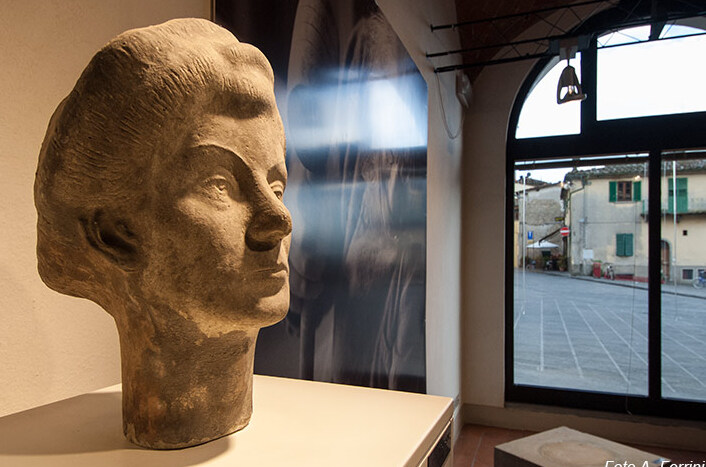
Getting here requires a car or a combination of train to San Giovanni Valdarno followed by a local bus — check timetables carefully, because the bus frequency is limited. The drive from Florence takes about an hour. The museum is small enough to absorb in 90 minutes, which leaves time to walk the medieval village, cross the Romanesque bridge over the Ciuffenna river, and eat lunch at one of the two or three trattorias in the center. This is a trip for people who prefer discovering art over queuing for it.
Insider tip
The museum has limited opening hours and may be closed on Mondays — call ahead or check with the local tourist office before making the drive. The Romanesque mill near the bridge is one of the oldest functioning mills in Tuscany and is worth finding on foot even if it's not formally open.
La Chiesa Santa Maria Assunta a Loro Ciuffenna — A Church That Predates the Town Around It
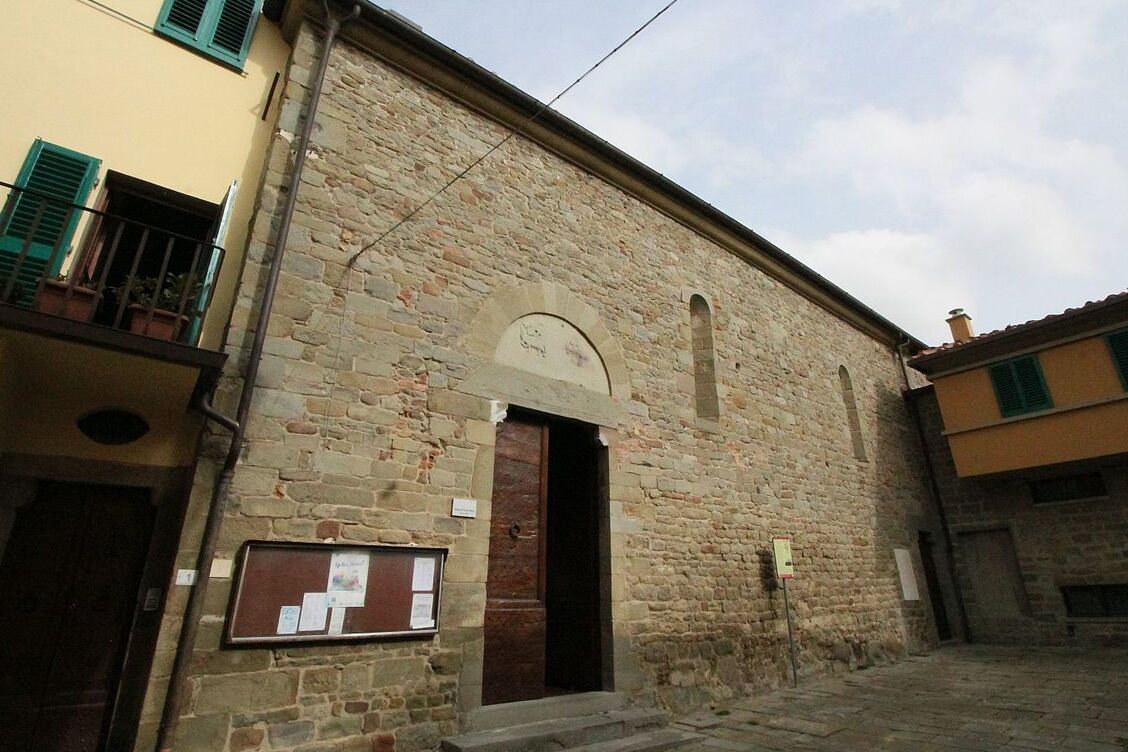
This pairs naturally with the Museo Venturino Venturi visit described above — the two sites are within easy walking distance of each other, and together they make a coherent morning in a town that most visitors to the Valdarno drive past without stopping. The church's interior holds works of local devotional art and the kind of accumulated visual history — ex-votos, worn frescoes, mismatched candlesticks — that tells you more about a community's faith than any museum label can. Allow 30 minutes inside, then walk the surrounding streets before lunch.
Insider tip
The church is typically open in the mornings and around late afternoon for evening services — the midday closure is strictly observed. If you find it locked, wait 20 minutes near the piazza; the sacristan often appears around opening time without any formal announcement.
Stia e la Biennale Europea d'Arte Fabbrile — Where Iron Is Still Forged by Hand
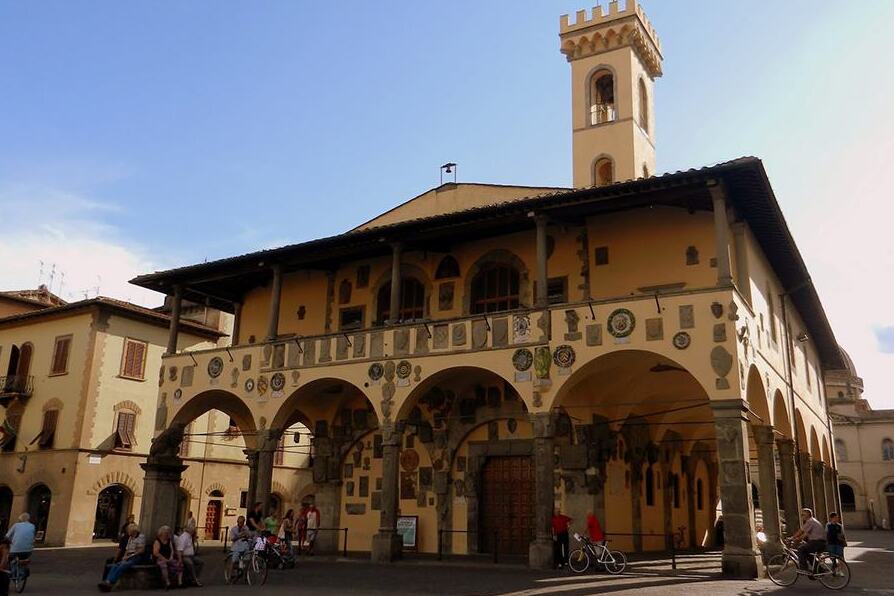
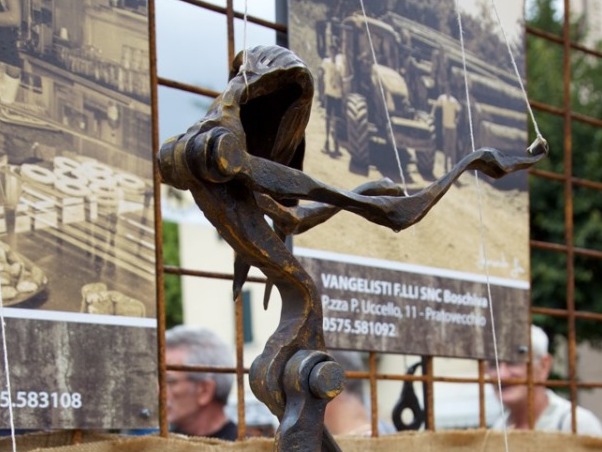
The Biennale Europea d'Arte Fabbrile, which Stia has hosted since 1976, is a competition and exhibition of wrought iron forging that has grown into a genuine European event — blacksmiths from across the continent compete in live forging demonstrations, and the results are displayed publicly. Since 1989 it has taken on the character of a championship. Even outside the biennial event years, the town maintains a strong connection to its iron-working heritage, and the surrounding Casentino forest — one of the largest in Italy — makes the drive back through the mountains worth extending.
Insider tip
The Biennale takes place in odd-numbered years, typically in late spring or early summer — confirm the exact dates before planning your trip around it. Outside event years, Stia is still worth the drive for the landscape and the Casentino wool textile tradition, but manage your expectations accordingly.
Il Padule di Fucecchio — Italy's Largest Inland Wetland

The reserve has a visitor center near Castelmartini that organizes guided birdwatching excursions, particularly during the spring and autumn migrations when the wetland hosts thousands of birds. The landscape is flat and wide in a way that feels unusual in Tuscany — the horizon is unobstructed, the light comes in low and horizontal, and the whole place has a northern European quality that surprises people expecting cypress trees and hilltops. Rent a canoe if the season allows, or walk the elevated paths through the reed beds. Either way, allow a full half-day.
Insider tip
Dawn in late April or early May is when the birdwatching is at its most rewarding — the marsh is alive with migratory species and the light is extraordinary. Book a guided excursion through the visitor center in advance; they fill up quickly in spring. Bring waterproof shoes regardless of the weather forecast — the paths near the water are reliably muddy.
There is a version of a Florence trip where you never leave the city, and it is a perfectly defensible choice. But the ten places in this list have changed the way I understand Florence itself — because the city did not emerge from nowhere. It drew on the iron of the Casentino, the agricultural surplus of the Valdarno, the trade routes that ran through the Mugello. The blade-makers of Scarperia supplied workshops that sold across Europe. The planned towns of San Giovanni Valdarno and Castelfranco di Sopra were Florentine colonial projects, imposed on the countryside with the same civic confidence that built the Palazzo Vecchio. Going out into that countryside is not a retreat from Florence. It is a way of reading the city from the outside, which is sometimes the only way to read anything clearly. Come back in the evening with dirty shoes and a better sense of where you are.