The city sits at an almost absurd geographical crossroads. Within two hours by car, you can be standing on salt flats that were once an inland sea, peering into a canyon where ghost-town ruins still hold the shape of human ambition, or watching the desert floor drop away beneath you at a viewpoint that makes the whole Mojave look like a rumpled bedsheet. The options are genuinely varied — and genuinely demanding if you don't plan them right.
A good day trip from Vegas has three qualities. First, it has to be reachable without a full day of driving each way — I'd cap it at two hours out, two hours back, which leaves you five or six hours on the ground if you leave by seven in the morning. Second, it has to offer something you cannot replicate on the Strip: scale, silence, geological time, or the specific melancholy of a place that was once alive with human purpose and isn't anymore. Third, it has to be honest about its logistics. Parking fills up. Trails close in summer heat. Some places don't have cell service. This guide is built around those realities, not around the fantasy version of each destination.
At a glance
- Nelson ghost town: where the canyon keeps its secrets
- Devil's Hole Pupfish: the smallest range of any vertebrate on Earth
- The Mojave Desert: a landscape that doesn't perform for you
- Scoprire la Valle della Morte: bellezza estrema e silenzio: the park as a full-day commitment
- Natural Bridge Canyon: a two-mile geology lesson with a payoff
- Devil's Golf Course: a salt field that sounds like it's alive
Nelson ghost town: where the canyon keeps its secrets

The canyon has a longer history than the ghost town's weathered facades suggest. The Spanish called this area Eldorado as far back as 1775, drawn by gold. A century later, prospectors arrived in force, and the town of Nelson grew up around the mines. It collapsed when the ore ran out, as these places always do. What's left is a collection of rusted machinery, crumbling adobe, and a few photogenic wrecks that attract photographers and film crews. Specific things to do: walk the main ruins cluster, find the old mining equipment near the canyon walls, take the short trail down toward the river, and stop at the Techatticup Mine for a guided underground tour if it's operating that day. The canyon walls close in around you in a way that feels genuinely old.
Insider tip
Arrive before 9 a.m. on weekends. By 10:30 the place is crowded with photographers and the light has gone flat anyway. The mine tour slots fill up fast — call ahead or check the website the night before.
Devil's Hole Pupfish: the smallest range of any vertebrate on Earth

The Devil's Hole pupfish has one of the most restricted ranges of any vertebrate species on the planet — a single geothermal pool in a collapsed cavern. The water temperature stays around 33°C year-round, and the fish have adapted to conditions that would be hostile to almost anything else. You view them from a fenced overlook above the cavern opening — you cannot descend, and the site is gated. That constraint is the point. Specific things to do here: observe the pool from the viewing platform, read the interpretive panels about the species' conservation history, walk the short trail around the site perimeter, and note the water level markers that track the aquifer feeding the pool.
Insider tip
The gate to the Devil's Hole access road is locked at night. Check National Park Service hours before you go — they vary seasonally. This is not a destination you can improvise. Combine it with a Mojave Desert drive to make the trip worth the fuel.
The Mojave Desert: a landscape that doesn't perform for you
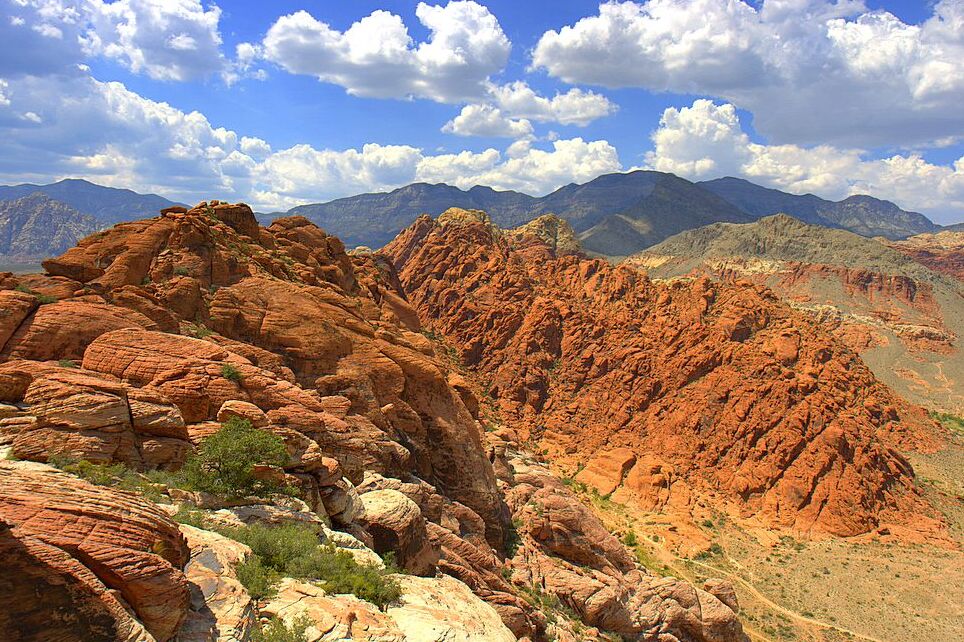
For a structured day trip, the approach that works best is to pick a corridor and commit to it. The Kelbaker Road section off I-40 takes you through Mojave National Preserve with minimal backtracking. Specific things to do: walk among the Joshua trees at Cima Dome (one of the densest natural Joshua tree forests in existence), climb the Kelso Dunes for a view that puts the scale of the desert in perspective, explore the Kelso Depot visitor center, and drive through Hole-in-the-Wall for volcanic rock formations that feel genuinely alien. No trains, no boats — just a reliable car and a full tank.
Insider tip
Cell service drops out almost entirely in Mojave National Preserve. Download offline maps before you leave Las Vegas. Also: the Kelso Dunes hike is 3 miles round trip with significant elevation gain through loose sand. Don't start it after 2 p.m. in warm months.
Scoprire la Valle della Morte: bellezza estrema e silenzio: the park as a full-day commitment
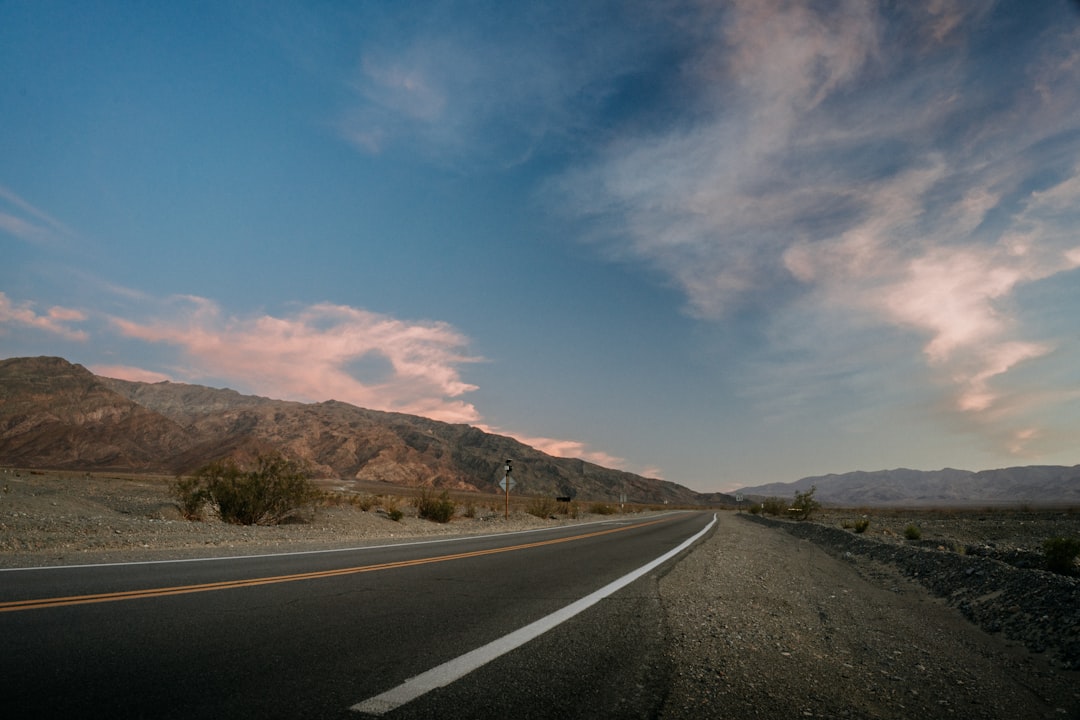
The valley is a place of contrasts that don't resolve neatly — below sea level and ringed by peaks above 3,000 meters, bone-dry and yet shaped entirely by ancient water. Specific things to do on a full-day visit: drive the Artist's Drive loop for layered mineral colors in the volcanic hills, stop at the Mesquite Flat Sand Dunes near Stovepipe Wells, visit the Furnace Creek area for orientation and shade, and take the short walk at Golden Canyon. No trains reach here. No boats. Just the road and the heat.
Insider tip
Death Valley holds the record for the highest reliably recorded air temperature on Earth. Between June and September, the valley floor is genuinely dangerous between 10 a.m. and 5 p.m. If you're visiting in summer, confine your outdoor time to early morning and plan to be in your air-conditioned car or the Furnace Creek Ranch during midday.
Natural Bridge Canyon: a two-mile geology lesson with a payoff
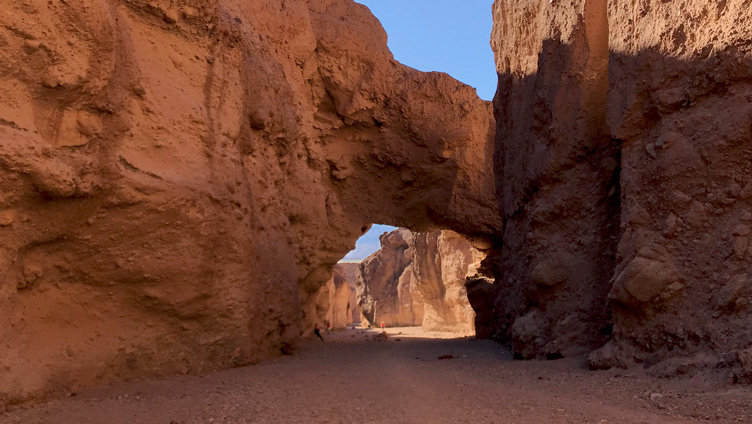
Specific things to do: hike to the natural bridge and examine the formation from both below and the side trail that takes you above it, continue past the bridge into the upper canyon where the walls narrow and the geology becomes more complex, look for the dry waterfall about a half-mile beyond the bridge, and take time at the trailhead interpretive panels before you start — they give you the vocabulary to understand what you're seeing. The trail has some rocky sections but is manageable for most fitness levels. No shade after the first quarter mile.
Insider tip
This trailhead is often overlooked by visitors rushing to Badwater Basin, which means you'll frequently have it to yourself on weekday mornings. The access road is unpaved and washboardy — slow down to protect your car's suspension and your fillings.
Devil's Golf Course: a salt field that sounds like it's alive
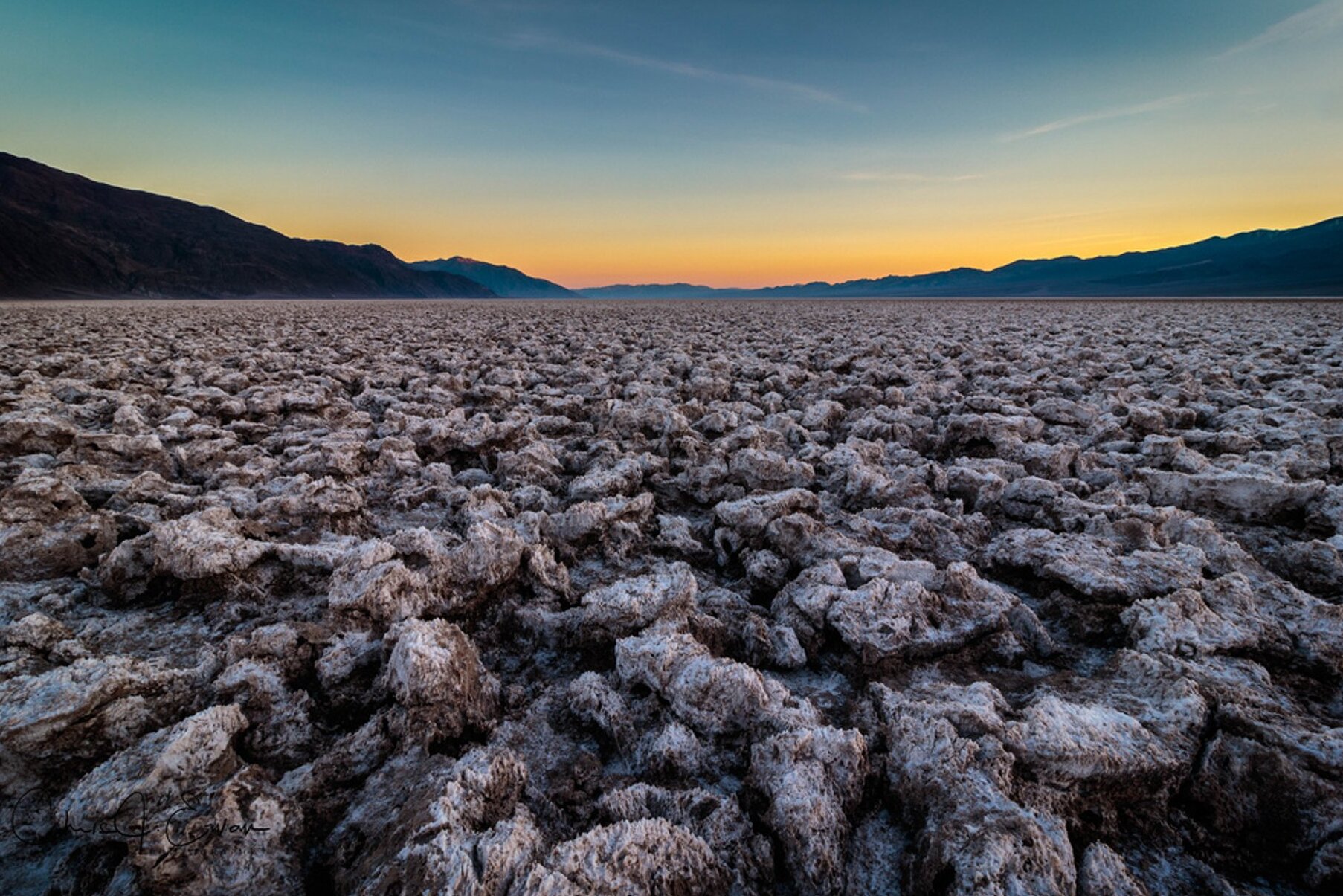
Specific things to do: walk out onto the salt field from the parking pullout (there's no formal trail — you just pick your way carefully), listen for the audible cracking of the salt crystals, examine the pinnacle formations up close for the layered mineral colors, and compare the texture here to the smoother salt flat at Badwater Basin a few kilometers north. The two sites are geological siblings at different stages of the same process. This stop works well as a 30-minute addition to a Badwater Basin visit rather than a standalone destination.
Insider tip
The salt pinnacles will shred thin-soled shoes. Wear something with a solid sole. Also, don't touch your face after handling the salt formations — the mineral content isn't just sodium chloride, and it will irritate eyes and mucous membranes.
I've done all of these trips more than once, in rental cars with inadequate air conditioning and in well-equipped 4WDs, in February when the desert is cool and green at the edges, and in August when the thermometer at Furnace Creek reads numbers that feel invented. The consistent thing I've noticed is that Las Vegas recedes faster than you expect it to. Within 20 minutes of leaving the city, the casino towers are gone and the desert is doing what it has always done — sitting there, indifferent, enormous, and genuinely old in a way that the Strip's simulacra of ancient Rome and medieval castles can only gesture toward.
None of these trips requires a guide, a tour bus, or a lot of money. Most require only a reliable car, water — more water than you think — and the discipline to leave early. The desert rewards the early riser and punishes the person who arrives at noon expecting the landscape to accommodate them. It won't. That's the deal, and it's a fair one.
None of these trips requires a guide, a tour bus, or a lot of money. Most require only a reliable car, water — more water than you think — and the discipline to leave early. The desert rewards the early riser and punishes the person who arrives at noon expecting the landscape to accommodate them. It won't. That's the deal, and it's a fair one.