This is not a list for people who have never been to Athens. It is a list for people who have been, who bought the fridge magnet, who queued for the museums, and who still felt, on the flight home, that the city had withheld something. It had. Athens is professionally withholding. It keeps its most layered experiences at a slight remove — not geographically (most of what follows is within walking distance of Syntagma) but perceptually. You have to decide to look sideways.
The destinations here range from a Byzantine monastery that most Athenians couldn't locate on a map, to a dessert that tastes like someone distilled an entire culture into a single pastry, to a theatre so old that the concept of theatre was essentially invented on its benches. Some are well documented. None of them feel that way when you arrive. That gap — between what is known and what is felt — is where Athens does its best work.
At a glance
- Athens | The Temple of Olympian Zeus: the ruin that dwarfs everything around it
- Acropoli: Loggia delle Cariàtidi: six women holding up the sky
- Hadrian Library: the reading room that outlasted Rome
- Athina: Théatro Dionysou (Theatre of Dionysus): where tragedy was invented, literally
- National Archaeological Museum: the collection that rewards a second visit more than a first
- Mouseío Benaki (Benaki Museum): a private obsession made public
- Mouseío Kykladikís Téchnis (Museum of Cycladic Art): the faces that look like tomorrow
- Monastiraki (literally little monastery): the square that contains multitudes
- Il Monastero di Dafni: the gold that survived everything
- The amazing Galaktoboureko: custard, phyllo, and the politics of the dessert case
- Secret World vs TripIt: quale app vince ad Atene nel 2026: on the question of navigating a city that resists navigation
- AI Trip Planner 2026: pianifica Atene con l'intelligenza artificiale: the limits of optimisation in a city built on contradiction
- Trip Planner AI recensione: testati ad Atene nel 2026: what gets lost when a city becomes a route
- Cosa vedere ad Atene nel 2026: guida aggiornata con AI: on the difficulty of updating a city that is already three thousand years old
Part one — The essentials
Athens | The Temple of Olympian Zeus: the ruin that dwarfs everything around it
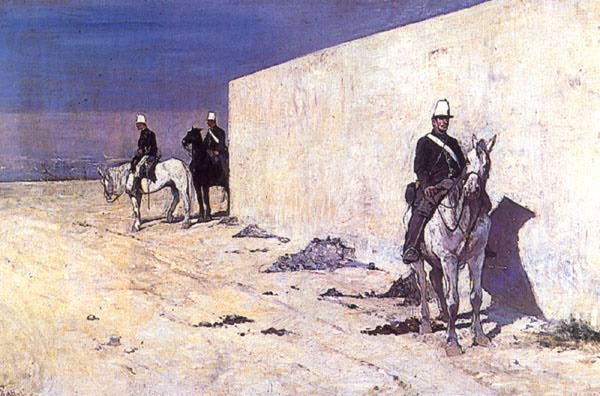
Most visitors photograph it from the fence and move on. The ones who linger notice that the fallen column — toppled by a storm in 1852 — lies exactly where it landed, its drums spread across the grass like a sentence interrupted mid-word. The temple sits in a walled archaeological park that is rarely crowded, even in August, because the Acropolis is visible from here and the Acropolis always wins the argument.
Insider tip
Enter from the Vasilissis Olgas side in the late afternoon when the light comes from the west and turns the columns the colour of old bone. The park closes earlier than most people expect, so check current hours before you go.
Acropoli: Loggia delle Cariàtidi: six women holding up the sky
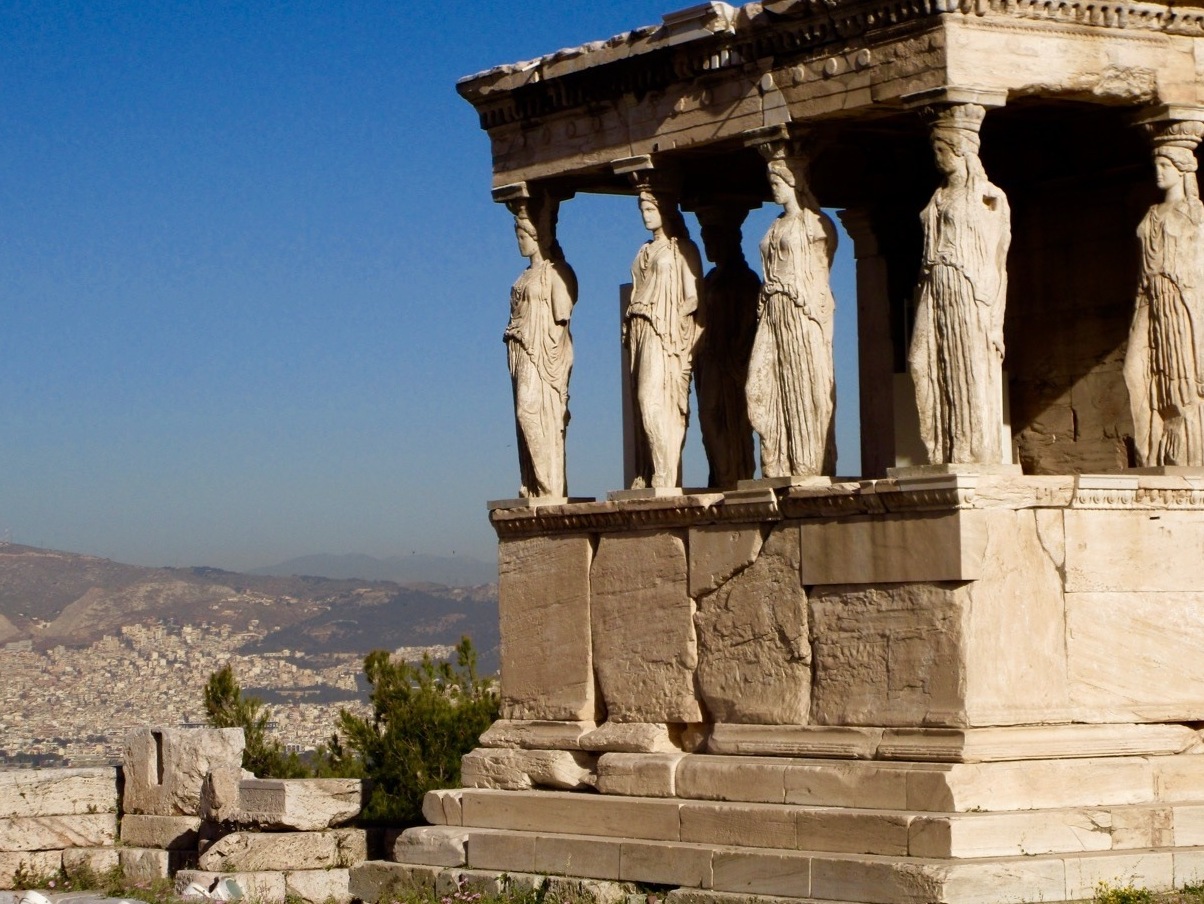
What you see today are high-quality replicas; five of the originals are in the Acropolis Museum and one, notoriously, is in the British Museum in London. The Erechtheion itself is built on the most sacred ground of the Acropolis — the spot where, according to myth, Athena and Poseidon contested ownership of the city.
Insider tip
The Erechtheion is north of the Parthenon and slightly lower; most visitor photographs are taken from the south, which means the north facade, with its elegant Ionic porch, sees a fraction of the foot traffic. Walk around it.
Hadrian Library: the reading room that outlasted Rome
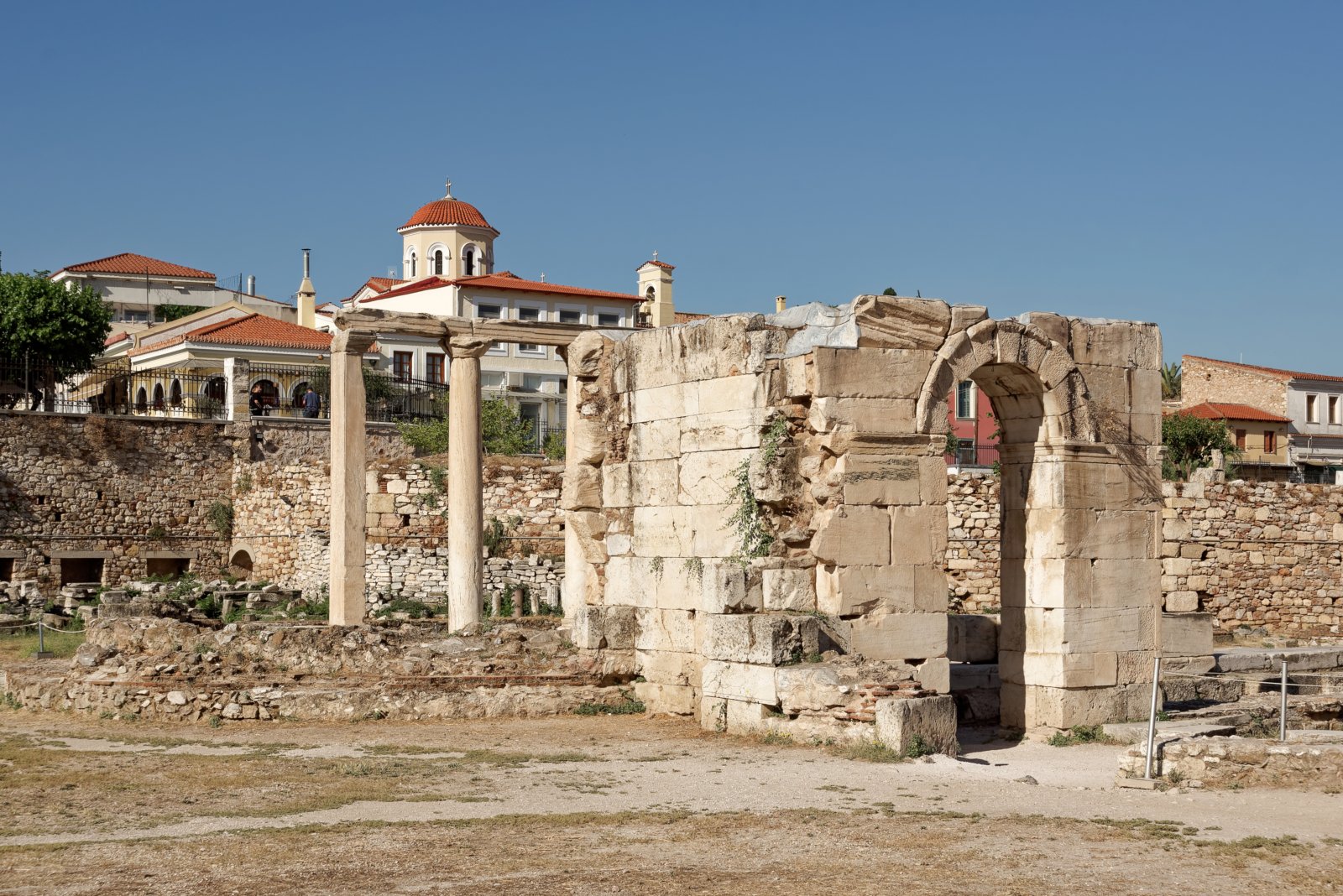
The building was later converted into a Christian basilica, and the foundations of several successive churches are visible within the archaeological site. This layering — Roman, Early Christian, Byzantine, Ottoman, modern — is Athens in miniature, compressed into a single rectangular footprint.
Insider tip
The site is often skipped because visitors assume it is simply a wall. The entrance on Areos Street reveals the full interior; the reflection pool, when it contains water, turns the columns into a different kind of argument entirely.
Athina: Théatro Dionysou (Theatre of Dionysus): where tragedy was invented, literally
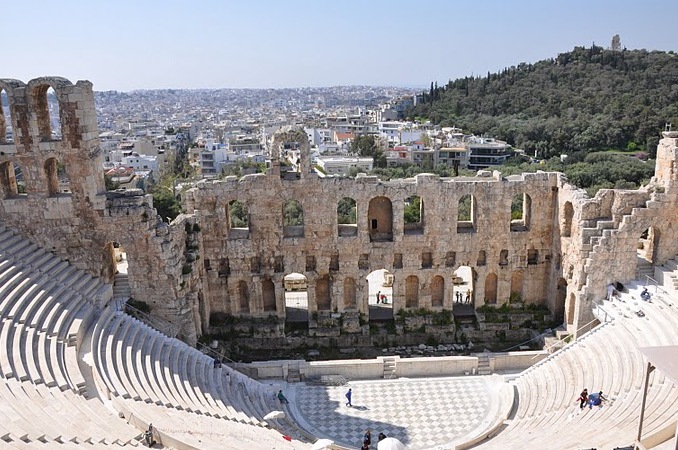
The current structure is largely from the fourth century BC reconstruction, with Roman-era modifications to the stage area. It is quieter than the Odeon of Herodes Atticus nearby, which still hosts performances and consequently attracts more attention. The Theatre of Dionysus has no evening programme; it simply sits there, being the origin of something.
Insider tip
The site is included in the combined Acropolis ticket. Go in the morning when the light falls directly on the orchestra circle and the carved throne seats of the priests are at their most legible — some of the inscriptions naming individual officials are still sharp after two millennia.
Part two — A little deeper
National Archaeological Museum: the collection that rewards a second visit more than a first
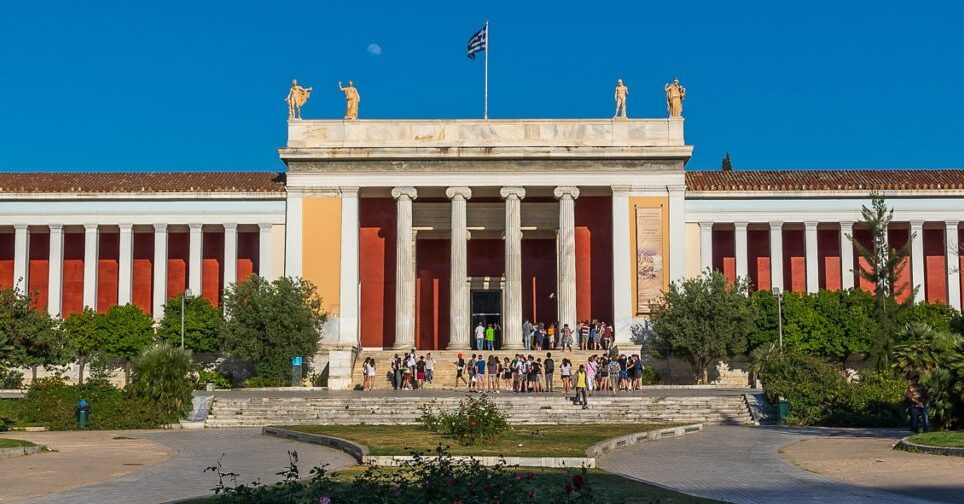
The bronze collection, in particular, is extraordinary. The Artemision Bronze — a figure of Zeus or Poseidon, scholars still argue — stands in a room that is frequently less crowded than the entrance hall, despite containing one of the finest surviving examples of Classical Greek bronze casting.
Insider tip
The museum is about 700 metres north of Omonia Square and walkable from most central hotels. Tuesday afternoons tend to be quieter than weekend mornings; the upper floor's prehistoric collection is consistently undervisited and worth the climb.
Mouseío Benaki (Benaki Museum): a private obsession made public

The Islamic art collection is particularly unexpected: Benakis spent much of his early life in Alexandria, Egypt, and his acquisitions reflect a sensibility formed at the intersection of cultures. The rooftop café has a view of the Acropolis that functions as a kind of punctuation mark after the intensity of the galleries.
Insider tip
The museum shop is genuinely worth time — it stocks scholarly publications and reproductions that are difficult to find elsewhere in Athens. The Thursday evening opening until midnight draws a local crowd that gives the building a different character entirely.
Mouseío Kykladikís Téchnis (Museum of Cycladic Art): the faces that look like tomorrow

The collection of Nicholas P. Goulandris is displayed with restraint — white walls, careful lighting, generous spacing — that allows each object to exist as an individual presence rather than a quantity. The adjacent Stathatos Mansion, connected to the main building, hosts temporary exhibitions in a nineteenth-century interior that provides a useful jolt of historical contrast.
Insider tip
The museum's permanent collection is small enough to absorb in ninety minutes without fatigue. Come on a weekday morning; the ground floor is sometimes nearly empty, which means you can spend genuine time with individual pieces rather than navigating around groups.
Monastiraki (literally little monastery): the square that contains multitudes

The name derives from a small monastery of Pantanassa that once occupied the square; the church that remains is a shadow of the original complex. What Monastiraki does better than almost anywhere in Athens is demonstrate the city's particular talent for temporal compression — you can stand in the square and see, within a single eyeline, evidence of at least four distinct civilisations.
Insider tip
The Sunday flea market in Plateia Avissinias, a short walk from the main square, is a different proposition from the tourist-facing stalls on Ifaistou Street — it is where Athenians actually buy and sell, and the quality of what surfaces there is unpredictable in the best possible way.
Part three — Off the obvious path
Il Monastero di Dafni: the gold that survived everything
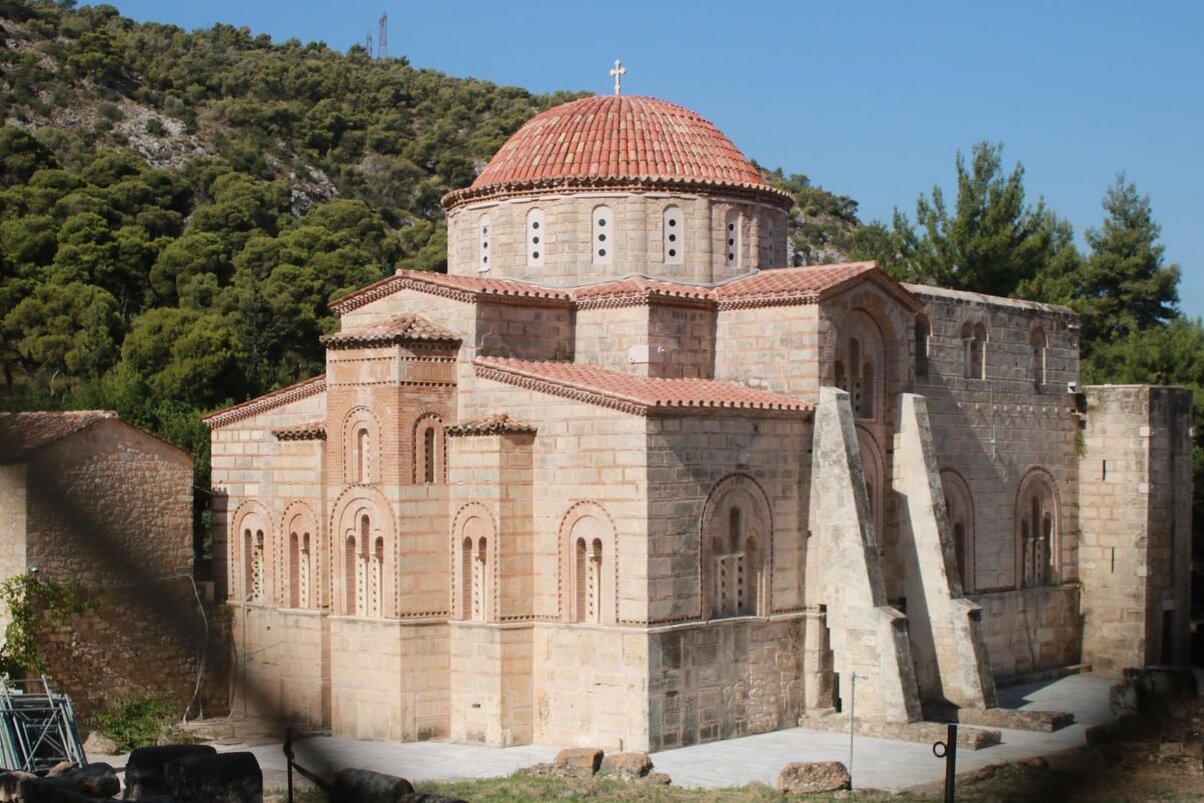
The monastery was built on the site of a sanctuary of Apollo, sacked by Crusaders in 1205, converted into a Catholic monastery, returned to Orthodox use, used as a psychiatric hospital in the twentieth century, and damaged by earthquakes in 1999. It has survived everything that Athens has survived, which is considerable.
Insider tip
Daphni is reachable by bus from central Athens but most visitors arrive by car or taxi, which means it sees a fraction of the tourist volume of comparable Byzantine sites in the city. Call ahead to confirm opening hours, which have historically been subject to change due to ongoing restoration work.
The amazing Galaktoboureko: custard, phyllo, and the politics of the dessert case
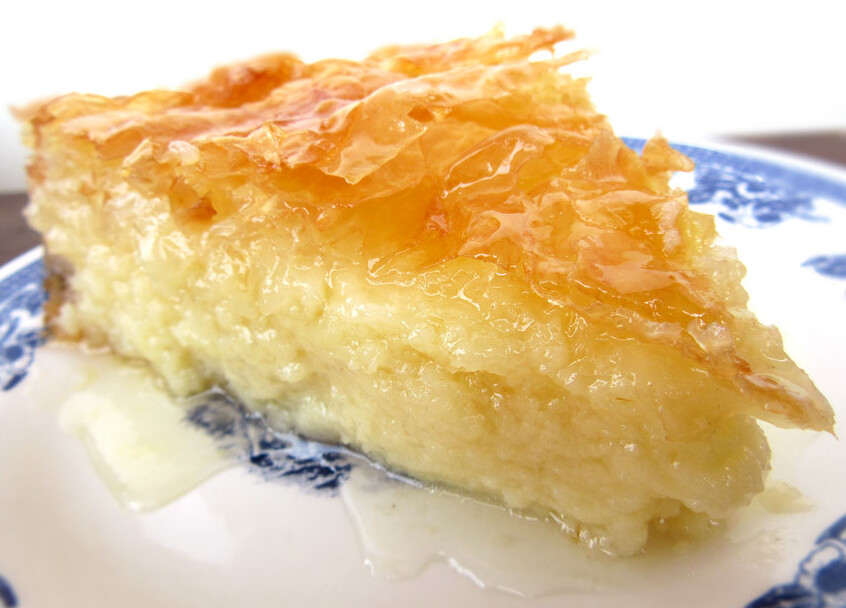
The best versions have a slight resistance in the phyllo before it gives way to the custard, which should be set but not stiff. It is a morning pastry as much as an afternoon one, and eating it at a marble-topped counter in a neighbourhood zacharoplasteío, with a small Greek coffee, is one of the more reliable pleasures the city offers.
Insider tip
Avoid ordering galaktoboureko from tourist-facing cafés around Monastiraki and Plaka; instead, walk ten minutes in any direction into a residential neighbourhood and find a zacharoplasteío with a handwritten menu. The difference in quality is not subtle.
Secret World vs TripIt: quale app vince ad Atene nel 2026: on the question of navigating a city that resists navigation
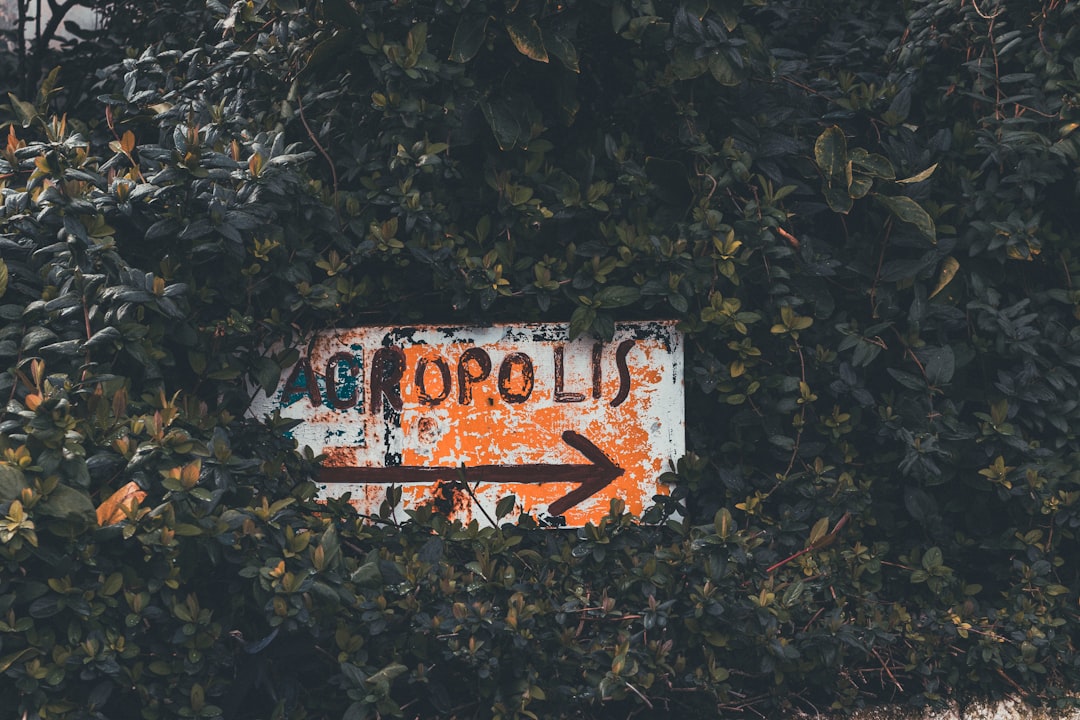
What matters in Athens is not efficiency but sequence. The city reveals itself in layers, and the order in which you encounter those layers affects what you see. An app that routes you from the Parthenon to the Benaki Museum in the most time-efficient manner may cause you to miss the thirty-minute detour through Anafiotika that changes how you understand both.
Insider tip
Whatever planning tool you use, build in at least one unscheduled afternoon per three days in Athens. The city's best discoveries are lateral — they happen when you are walking somewhere else.
AI Trip Planner 2026: pianifica Atene con l'intelligenza artificiale: the limits of optimisation in a city built on contradiction
The limitation is that Athens rewards the kind of attention that no algorithm yet models well: the willingness to stop because a courtyard looks interesting, to enter a church because the door is open, to sit in a square for forty minutes because the light is doing something specific. Optimised itineraries and serendipity are not natural allies.
Insider tip
Use AI planning tools for logistics — booking timed entry tickets for the Acropolis and major museums, which genuinely benefit from advance planning — but leave geographic exploration unscheduled. Athens is too dense with incidental discovery to be fully pre-mapped.
Part four — Around and beyond
Trip Planner AI recensione: testati ad Atene nel 2026: what gets lost when a city becomes a route
Digital planning tools tend to route visitors between monuments, which means these in-between places — which are, in many respects, the most Athens-like parts of Athens — remain consistently undervisited by people who have planned carefully.
Insider tip
The best way to use any planning tool for Athens is to identify the two or three fixed-time commitments per day — timed museum entries, a specific restaurant booking — and then walk between them by a different route each time. The city between the monuments is the city.
Cosa vedere ad Atene nel 2026: guida aggiornata con AI: on the difficulty of updating a city that is already three thousand years old
What a contemporary guide to Athens can offer that previous editions could not is a more honest account of the city's contradictions: the way extreme antiquity and present-tense urbanism coexist in the same street, sometimes in the same building. Athens in 2026 is a city that has been through economic crisis, demographic change, and a significant recalibration of its relationship with mass tourism. It is more interesting for all of it.
Insider tip
The neighbourhood of Metaxourgeio, northwest of Omonia, has been developing an arts and restaurant scene for several years and remains less visited than Monastiraki or Psiri. It is worth an afternoon without a specific destination — the kind of walking that Athens does best.
Athens does not reward the tourist who arrives with a complete plan. It rewards the one who arrives with a partial plan and the flexibility to abandon it. The city has been absorbing visitors — conquerors, pilgrims, Grand Tourists, backpackers, influencers — for long enough to have developed a certain patience with the whole enterprise. It will still be here. The Caryatids will still be holding up the porch of the Erechtheion, or their replicas will, which is almost the same thing. The galaktoboureko will still be in the pastry case at the zacharoplasteío around the corner from wherever you are staying.
What changes is what you bring to it. The fifteen places in this list are not secrets in any meaningful sense — they are simply things that the city makes available to people who look slightly sideways from the main event. Athens has been practising that particular trick for three thousand years. It is very good at it by now.
What changes is what you bring to it. The fifteen places in this list are not secrets in any meaningful sense — they are simply things that the city makes available to people who look slightly sideways from the main event. Athens has been practising that particular trick for three thousand years. It is very good at it by now.