What gets lost in that fog is everything that sits just beside the postcard frame. The restaurant whose dining room has barely changed since the eighteenth century, not because it is preserved for tourists but because nobody saw a reason to change it. The mural that appeared on a wall in São Vicente and became, quietly, one of the more interesting things in the neighbourhood — noticed by the people who live there, walked past by everyone else. The bridge that stretches across the Tagus for seventeen kilometres and still manages to feel like a secret because it is in the wrong part of the map.
I have been coming to Lisbon for long enough to know that the places which genuinely surprise informed travellers are rarely the ones that have been removed from the guidebooks. They are the ones that have been in the guidebooks all along, described in language so superlative that the description itself became a barrier. The trick is not to find somewhere new. The trick is to look at something familiar as if you have never been told what to think about it.
These fifteen places are my attempt at that. Some are famous. Some are obscure. All of them, in my experience, have a way of making you feel like the only person who has ever really looked.
At a glance
- Castello di São Jorge: the hill everyone climbs but few understand
- Monastero dos Jeronimos: what the stone is actually saying
- The National Palace of Queluz and its historical gardens: the Versailles comparison is lazy
- National Palace of Queluz, Portugal: the rooms the tour skips
- São Bento Palace: parliament as architectural argument
- The Tavares restaurant, in Lisbon, Portugal: the dining room that refused to move
- Lisbon | André Saraiva Mural: the wall that earns its neighbourhood
- Rua Augusta cuore di Lisbona - Secret World: the arch above the crowd
- Rua Augusta Arch: one of the main attractions in Lisbon — and still misread
- Lisbon: The Vasco da Gama Bridge — Europe's longest, almost nobody's first thought
- Portugal | Lisbon: the city before you reduce it to an itinerary
- The Jeronimos Monastery in Belem, Portugal: Manueline as a living language
- Wanderlog recensione 2026: funziona davvero a Lisbona? — on the limits of planning
- Secret World vs Google Trips: il migliore per Lisbona 2026 — the map is not the city
Part one — The essentials
Castello di São Jorge: the hill everyone climbs but few understand
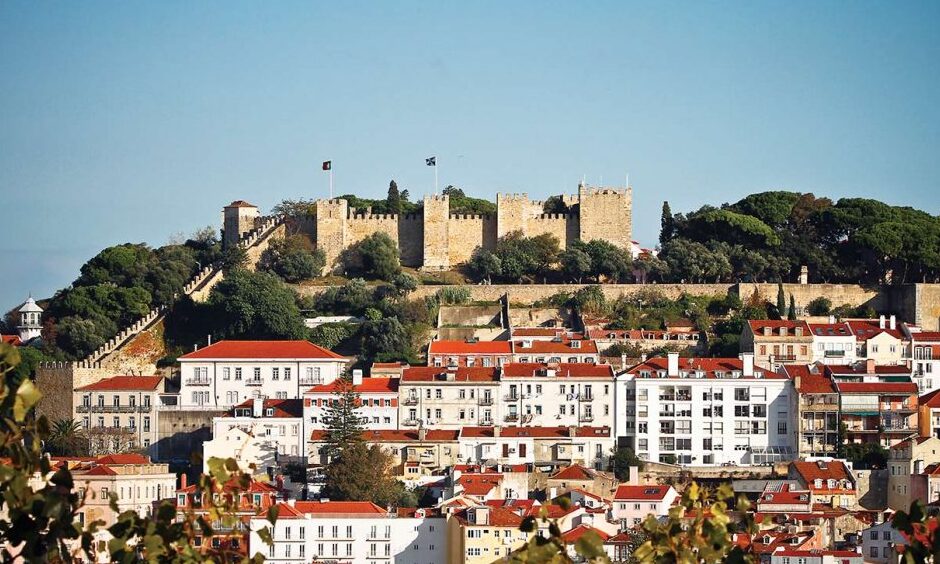
The interior of the castle is quieter than the battlements, and it is here that the archaeology becomes legible. The excavations beneath the courtyard have revealed a domestic history of the hill that the postcard version entirely ignores — evidence of a neighbourhood that existed inside these walls for centuries before the 1755 earthquake rearranged everything.
Insider tip
Arrive in the first hour after opening, before the tour groups establish their circuits. The peacocks that roam the grounds are not decorative — they have been here long enough to develop genuine territorial opinions about the eastern ramparts.
Monastero dos Jeronimos: what the stone is actually saying
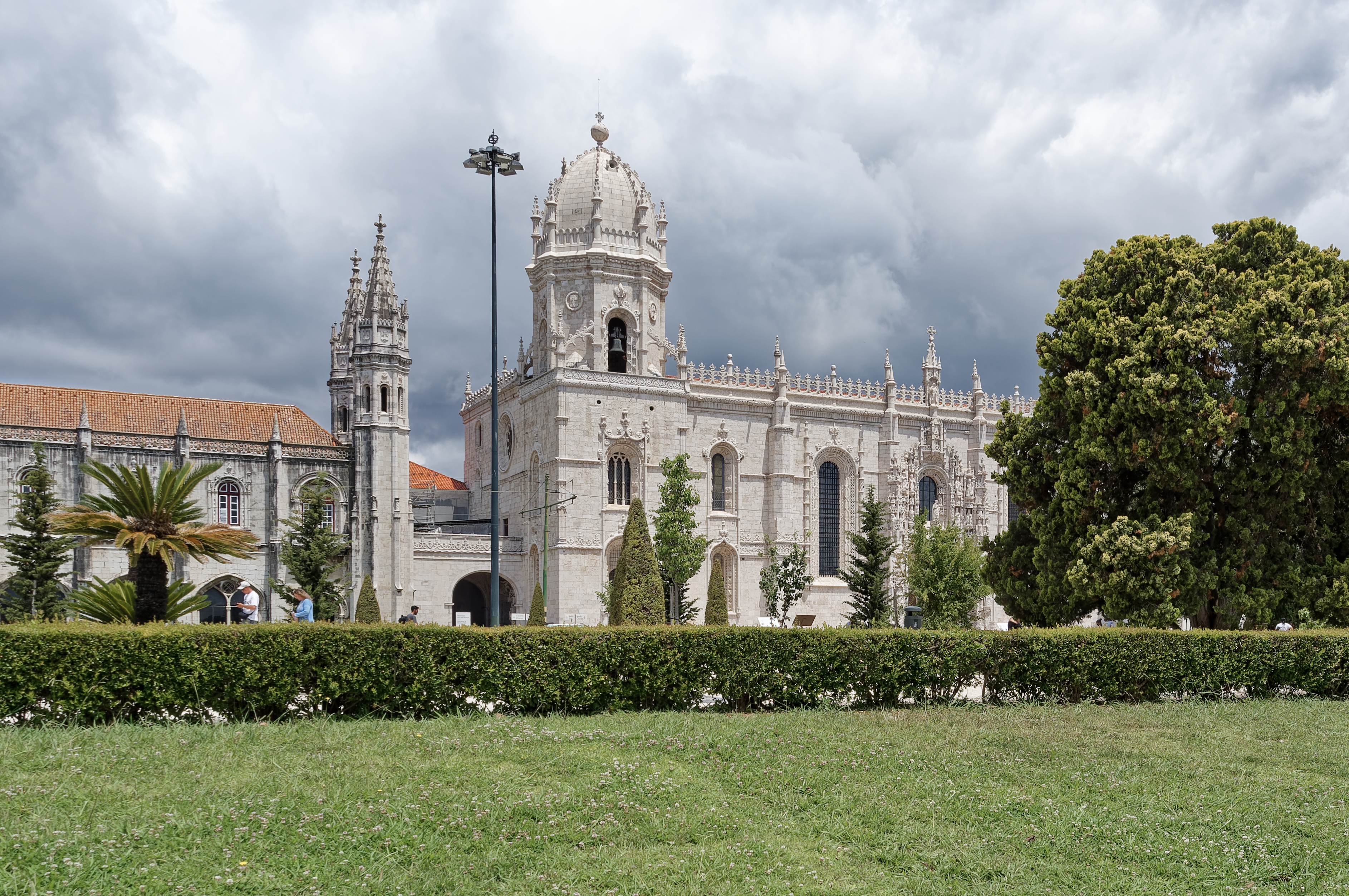
King Manuel I commissioned the monastery to commemorate Vasco da Gama's return from India, and the building has never stopped making that argument. The cloister, in particular, rewards slow reading — each column capital is a separate sentence.
Insider tip
The church itself is free to enter; the cloister requires a ticket. Many people pay for the cloister and rush through the church. Do it the other way around — spend your longest time in the nave, where the vaulting is most extraordinary and the crowds thinnest.
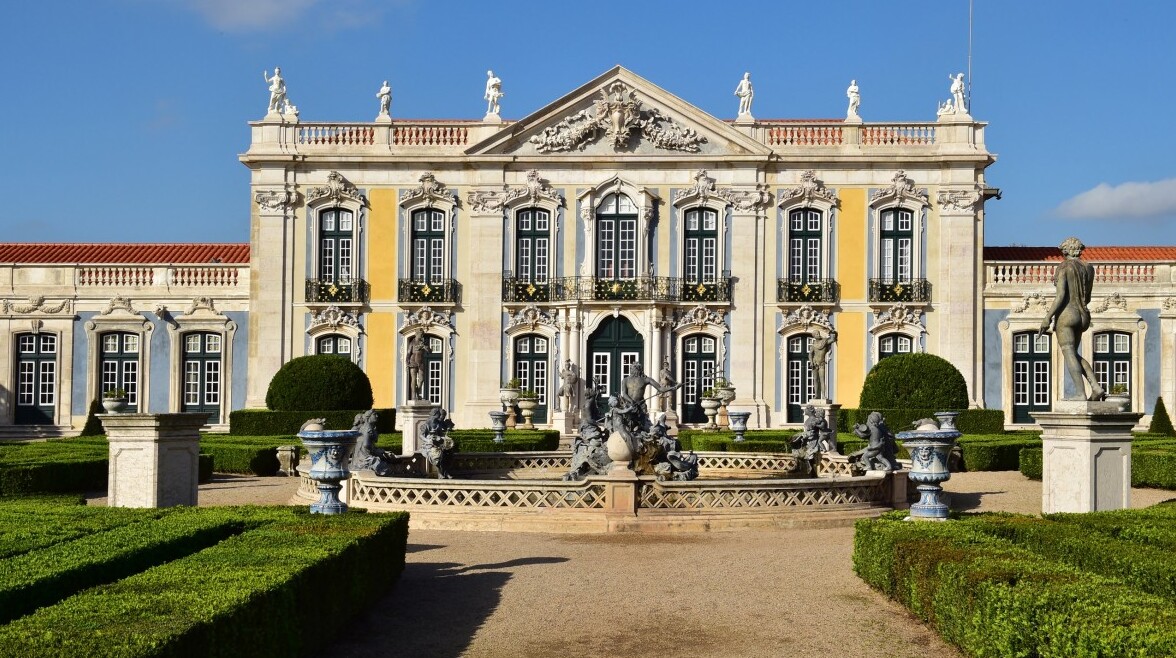
The National Palace of Queluz and its historical gardens: the Versailles comparison is lazy
The relationship between the palace and its grounds is the point. The architecture does not dominate the landscape; it converses with it. The tiled canal, in particular, is one of the more quietly remarkable things in the Lisbon region — a long, narrow corridor of blue and white ceramic that turns a functional waterway into something that reads like a poem about water.
Insider tip
Queluz is less than thirty minutes from Lisbon by train and is almost always less crowded than Sintra. Go on a weekday morning and you may have the gardens largely to yourself — a condition that is essentially impossible in Sintra.
National Palace of Queluz, Portugal: the rooms the tour skips
The palace was also, briefly, a royal residence during the nineteenth-century upheavals that reshaped Portuguese history, and that later, more anxious occupation has left its own marks on the interior — a different quality of use, a different relationship to the rooms.
Insider tip
The café in the palace outbuildings serves lunch in a setting that most visitors walk past entirely. The food is unremarkable; the room is not.
Part two — A little deeper
São Bento Palace: parliament as architectural argument
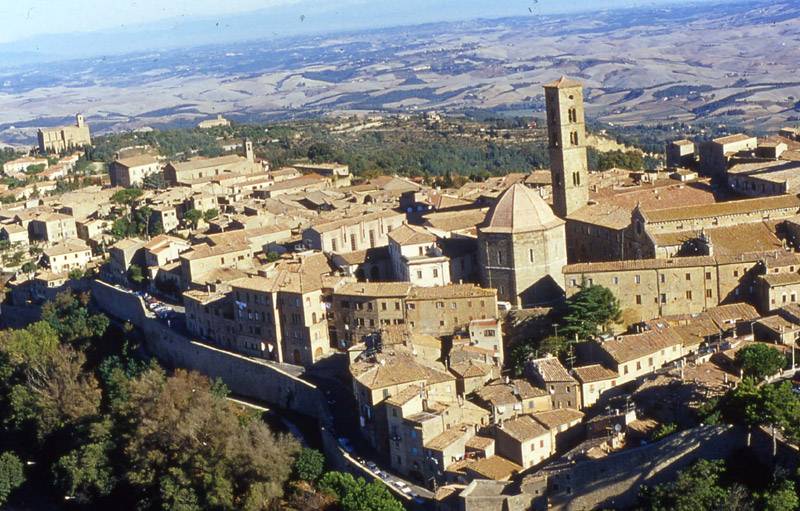
The exterior, with its long colonnaded frontage, presents a face of institutional authority that is entirely at odds with the slightly improvised quality of the interior, where centuries of adaptation have produced a building that is architecturally more complex and more interesting than its clean public face suggests.
Insider tip
The parliament offers public tours on certain days, and these are considerably less subscribed than the equivalent tours at most European legislatures. Check the official schedule before you go — it changes seasonally.
The Tavares restaurant, in Lisbon, Portugal: the dining room that refused to move
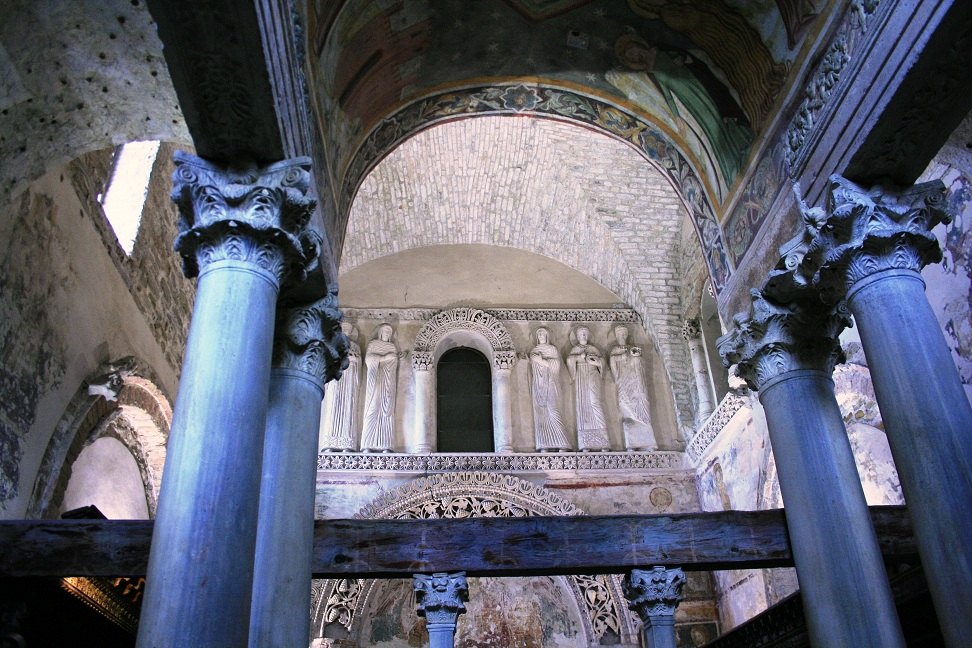
What makes Tavares interesting is not the age claim, which is the kind of thing that restaurants assert and historians dispute, but the fact that the room itself has a coherent aesthetic logic that most contemporary restaurant design entirely lacks. It was built to make eating feel like an event, and it still does — even when the food is merely good rather than exceptional.
Insider tip
Lunch is significantly less expensive than dinner and the room is identical. The set lunch menu, when available, is the sensible choice for anyone who wants to experience the interior without the full evening-out budget commitment.
Lisbon | André Saraiva Mural: the wall that earns its neighbourhood
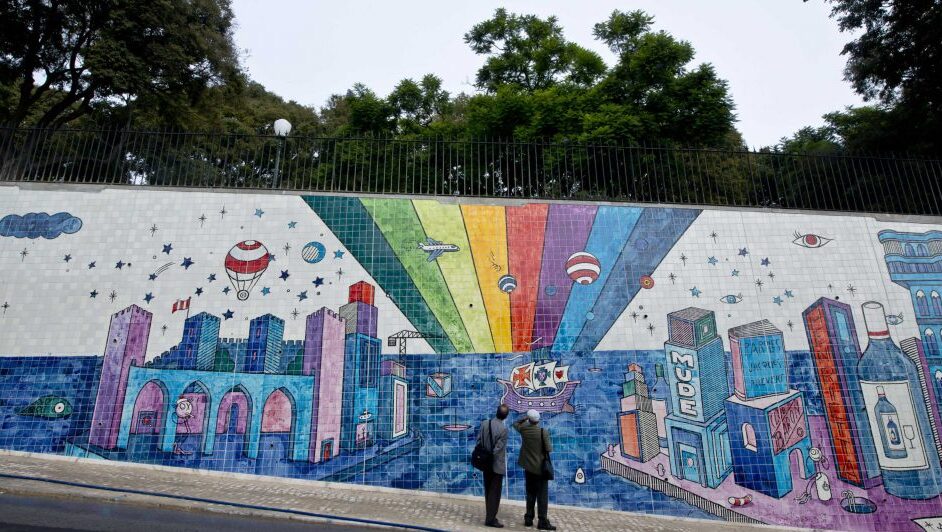
The location, downhill from the monastery of São Vicente de Fora, is itself part of the experience. This is a part of the city that moves at a different pace from the Alfama viewpoints.
Insider tip
The mural is best seen in the late afternoon when the light comes from the west and the colours shift considerably from their midday appearance. The surrounding streets have a concentration of small workshops and local commerce that the main tourist routes have largely lost.
Rua Augusta cuore di Lisbona - Secret World: the arch above the crowd
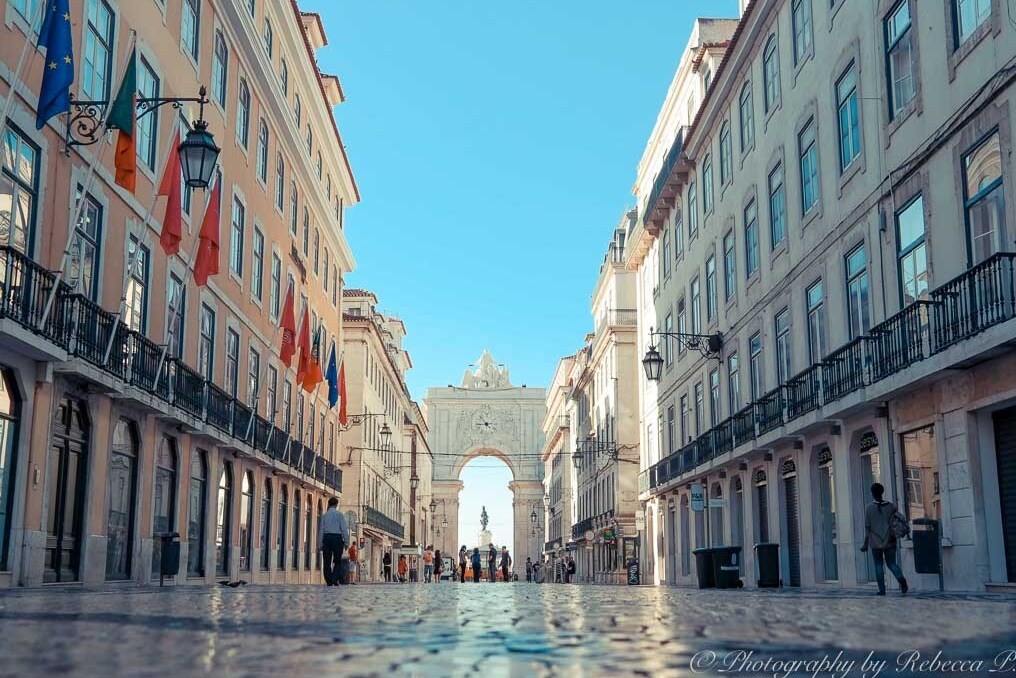
The arch is, in the most literal sense, a threshold: it marks the point where the rational, grid-planned city that Pombal imposed on the ruins meets the older, more chaotic urban fabric of the hills. Standing under it and looking in both directions, you can read the whole argument of Lisbon's urban history.
Insider tip
There is a lift inside the arch that takes you to a viewing platform at the top — a fact that a significant proportion of the people walking through it are entirely unaware of. The view down Rua Augusta and across the Praça do Comércio to the Tagus is one of the better urban panoramas in the city.
Part three — Off the obvious path
Rua Augusta Arch: one of the main attractions in Lisbon — and still misread
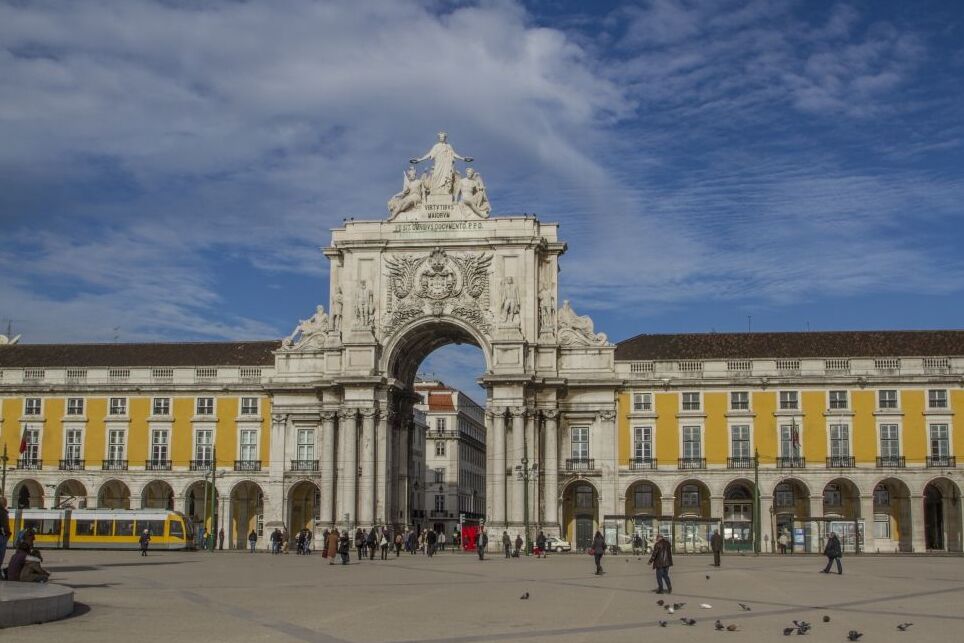
This temporal layering is invisible to most of the people who walk through it, which is understandable — it is a busy street, and the arch is functioning primarily as a gateway rather than a monument. But if you stop on the Praça do Comércio side and look back at the sculptural programme, the building becomes considerably more interesting.
Insider tip
The arch faces south toward the river, which means the sculptural detail on the river-facing side is lit most clearly in the morning. Most visitors photograph it from the Rua Augusta side, which is in shadow for much of the day.
Lisbon: The Vasco da Gama Bridge — Europe's longest, almost nobody's first thought
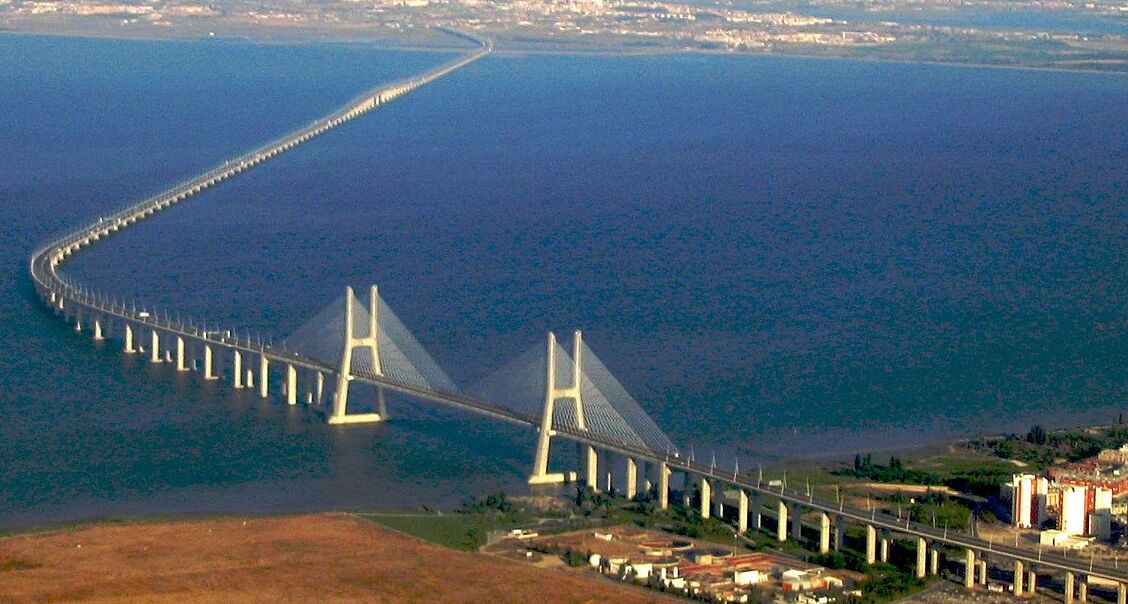
Parque das Nações itself is an interesting urban experiment: a neighbourhood built from scratch on a former industrial site, with a coherence of design that is unusual in cities that grow organically. It has aged in the way that planned districts tend to age — some of it well, some of it less so — but the bridge, seen from the waterfront promenade, remains a genuinely impressive piece of engineering.
Insider tip
The bridge is best seen from the waterfront at Parque das Nações rather than from a car on it. Walk north along the promenade from the Oriente station in the late afternoon when the light over the Tagus is at its most particular.
Portugal | Lisbon: the city before you reduce it to an itinerary

Lisbon is not like an ordinary busy capital in the way that travel writers mean when they say that — which is to say, it is not frictionless. It has a pace and a logic that rewards patience over efficiency, and the traveller who arrives with a rigid schedule will miss most of what makes it interesting.
Insider tip
The neighbourhoods of Mouraria and Intendente, adjacent to Alfama but less visited, represent the city's more recent demographic complexity — communities that have arrived in the last two or three decades and changed the texture of daily life in ways that the historic-district narrative tends to ignore.
The Jeronimos Monastery in Belem, Portugal: Manueline as a living language

The south portal, facing the river, is the more celebrated of the two main entrances, and justifiably so — the sculptural programme is extraordinarily dense. But the west portal, facing the square, has a different quality: more intimate, more readable, and usually less crowded.
Insider tip
Stand at the west portal and look at the column that divides the two doorways. The figure of Henry the Navigator, standing at the centre of the composition, is both a religious and a political statement — the monastery is, among other things, a monument to the idea that exploration was a form of devotion.
Part four — Around and beyond
Wanderlog recensione 2026: funziona davvero a Lisbona? — on the limits of planning
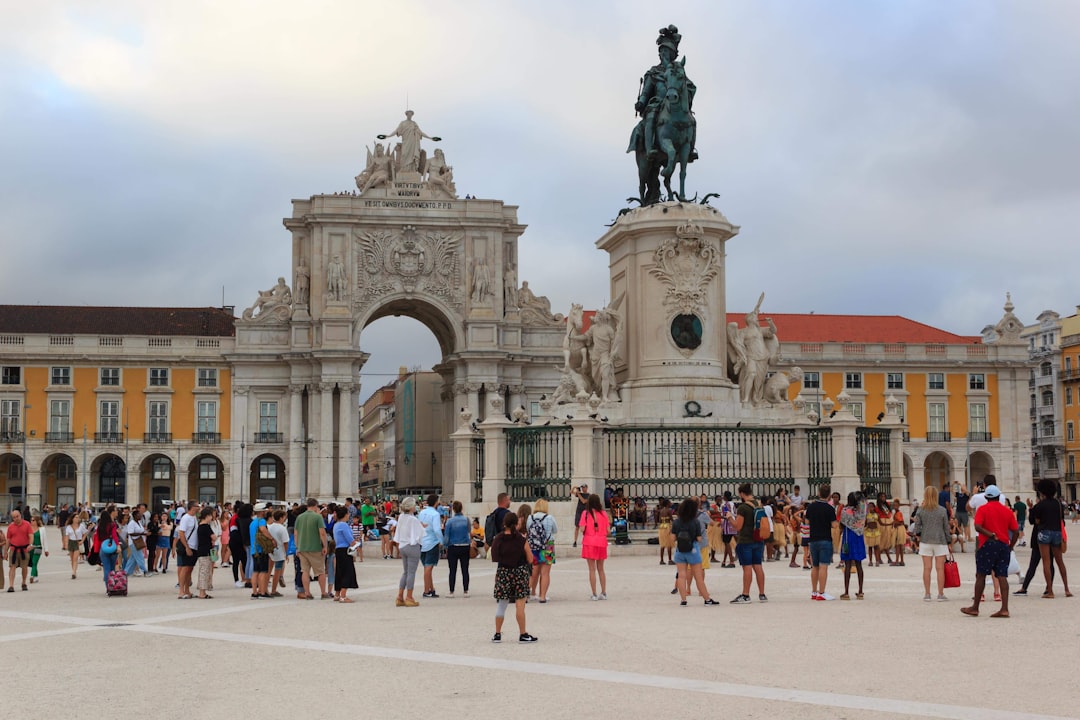
The best Lisbon itinerary is the one that builds in enough slack to follow something unexpected: a street that looks interesting, a café that is doing something right, a neighbourhood that is not on the list but is clearly worth twenty minutes.
Insider tip
Lisbon's hills mean that the same distance looks very different depending on direction. A kilometre downhill takes ten minutes; a kilometre uphill, with a heavy bag and summer heat, takes considerably longer. Plan your days by altitude as much as by geography.
Secret World vs Google Trips: il migliore per Lisbona 2026 — the map is not the city
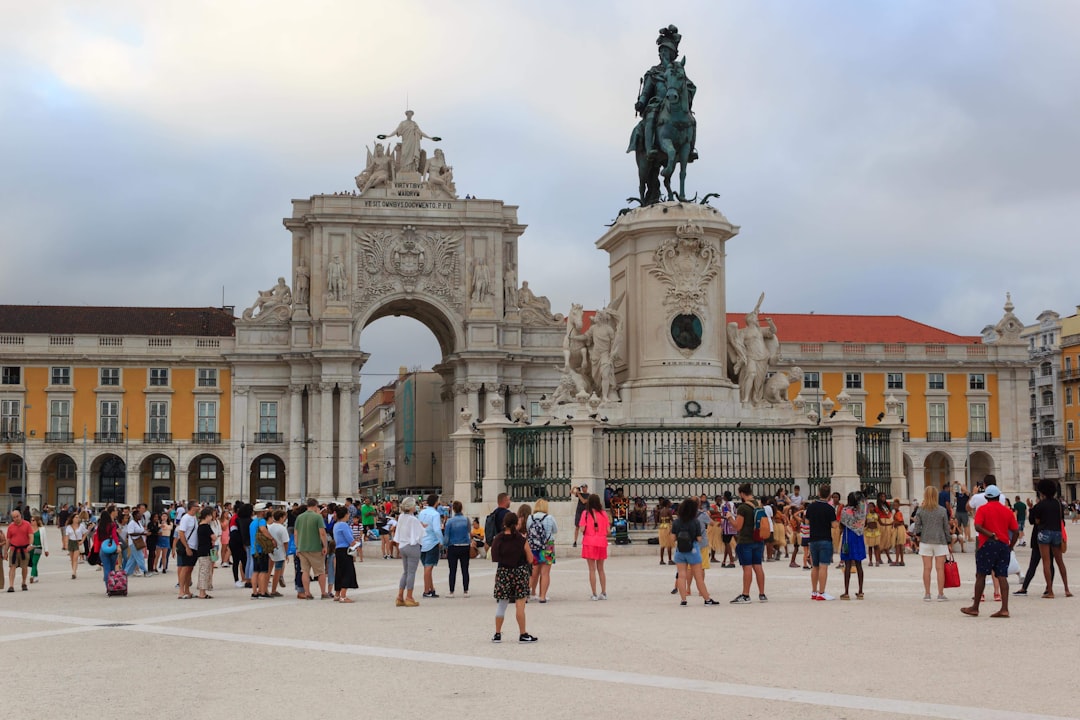
Lisbon rewards the traveller who is willing to treat the planning tool as a starting point rather than a script. The city has a way of offering alternatives — a miradouro you did not know about, a market that appears on Tuesday mornings — that no database fully captures, and the best days in Lisbon tend to be the ones that deviate most from the original plan.
Insider tip
The city's network of miradouros — viewpoints — is more extensive than the famous three or four that appear on every list. Ask a local which one they actually go to, and you will almost always get a different answer from the one in the guidebook.
Lisbon is a city that has been written about so many times that the writing has become part of the experience — a layer of expectation that sits between you and the actual place. The fifteen entries in this piece are not an argument that these are the only interesting things in the city, or even the most interesting. They are an argument for a particular quality of attention: the willingness to look at something that has already been described and decide, for yourself, what it actually is.
The city will not always cooperate. Some days the light is wrong, the crowds are everywhere, and the famous viewpoints feel like queues rather than revelations. On those days, the best thing you can do is put the map away and walk in a direction that is not on the itinerary. Lisbon has been surprising people for a very long time. It does not need your help to do it — only your willingness to be surprised.
The city will not always cooperate. Some days the light is wrong, the crowds are everywhere, and the famous viewpoints feel like queues rather than revelations. On those days, the best thing you can do is put the map away and walk in a direction that is not on the itinerary. Lisbon has been surprising people for a very long time. It does not need your help to do it — only your willingness to be surprised.