I have been coming to Miami for years, and I still find myself caught off guard. Not by secret speakeasies or unmarked doors — that particular genre of travel writing has become its own cliché — but by the way a well-known place can feel entirely private when you approach it at the wrong hour, in the wrong season, or simply with the wrong expectations stripped away. A garden that appears in every guidebook can still feel like a discovery if you arrive before the tour buses. A neighbourhood that has been written about a hundred times can still surprise you if you stop performing the act of being a tourist and start paying attention instead.
What follows is not a list of secrets. Most of these places are findable. Several are famous. What they share is the quality of being genuinely underestimated — by visitors who rush past, by locals who take them for granted, and by the travel industry, which tends to flatten everything into the same sun-bleached promotional image. Miami is a city that rewards the informed traveller who is willing to look twice. These are the places worth the second look.
At a glance
- Vizcaya Museum and Gardens: the palazzo that time forgot to close
- Holocaust Memorial: the monument that refuses to be comfortable
- Little Havana: the street that is still an argument
- The jewel in Miami's crown is undoubtedly South Beach: arriving before the crowd claims it
- Jungle Island: the zoo that forgot to be ordinary
- Wanderlog Alternatives 2026: i migliori app per Miami — the map before the journey
- Vacanze Miami low cost 2026: guida pratica per spendere poco — the city that negotiates
- Secret World recensione 2026: Scopri Miami come mai prima d'ora — the guided city, reconsidered
- Vacanze Miami low cost: Guida pratica per risparmiare nel 2026 — the other side of the ledger
- Secret World recensione 2026: la guida definitiva a Miami — when the algorithm meets the street
- Best Trip Planner Miami 2026: Guida Completa — the itinerary as a form of argument
- Come Pianificare un Viaggio a Miami con l'AI nel 2026 — the machine that learned the city
- Le migliori alternative a Wanderlog per Miami nel 2026 — finding the right tool for a complicated city
Part one — The essentials
Vizcaya Museum and Gardens: the palazzo that time forgot to close
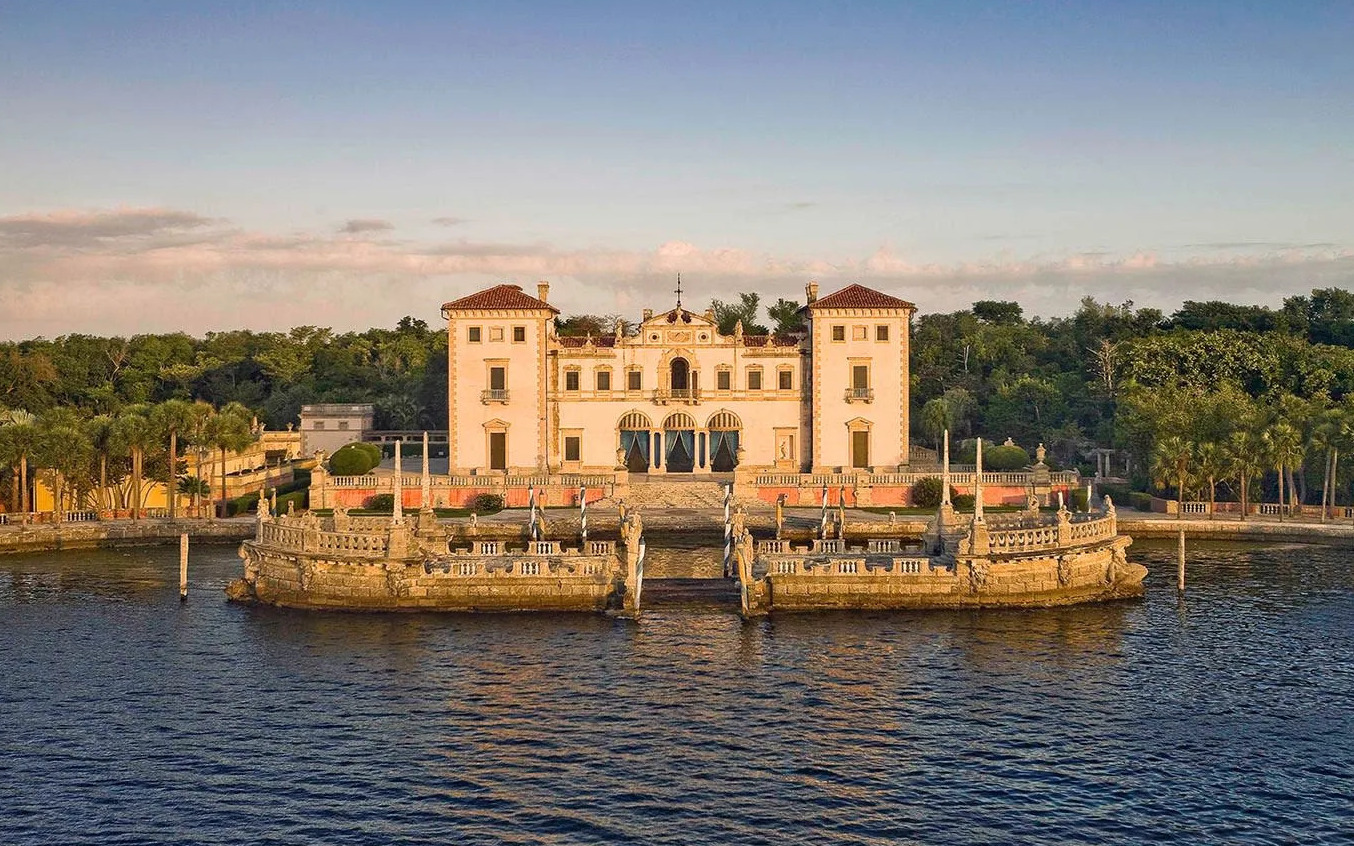
What most visitors miss is not the interior, which is well documented, but the transition between the formal gardens and the wild mangrove edge where the property meets the bay. The Italian garden geometry simply stops, and the subtropical world begins again. That collision — between imported European order and Florida's obstinate wildness — is the real subject of Vizcaya, and it is more interesting than any individual room.
Insider tip
Visit on a weekday morning before 10am. The light through the eastern loggia at that hour is the closest thing to a Venetian morning you will find in the continental United States.
Holocaust Memorial: the monument that refuses to be comfortable
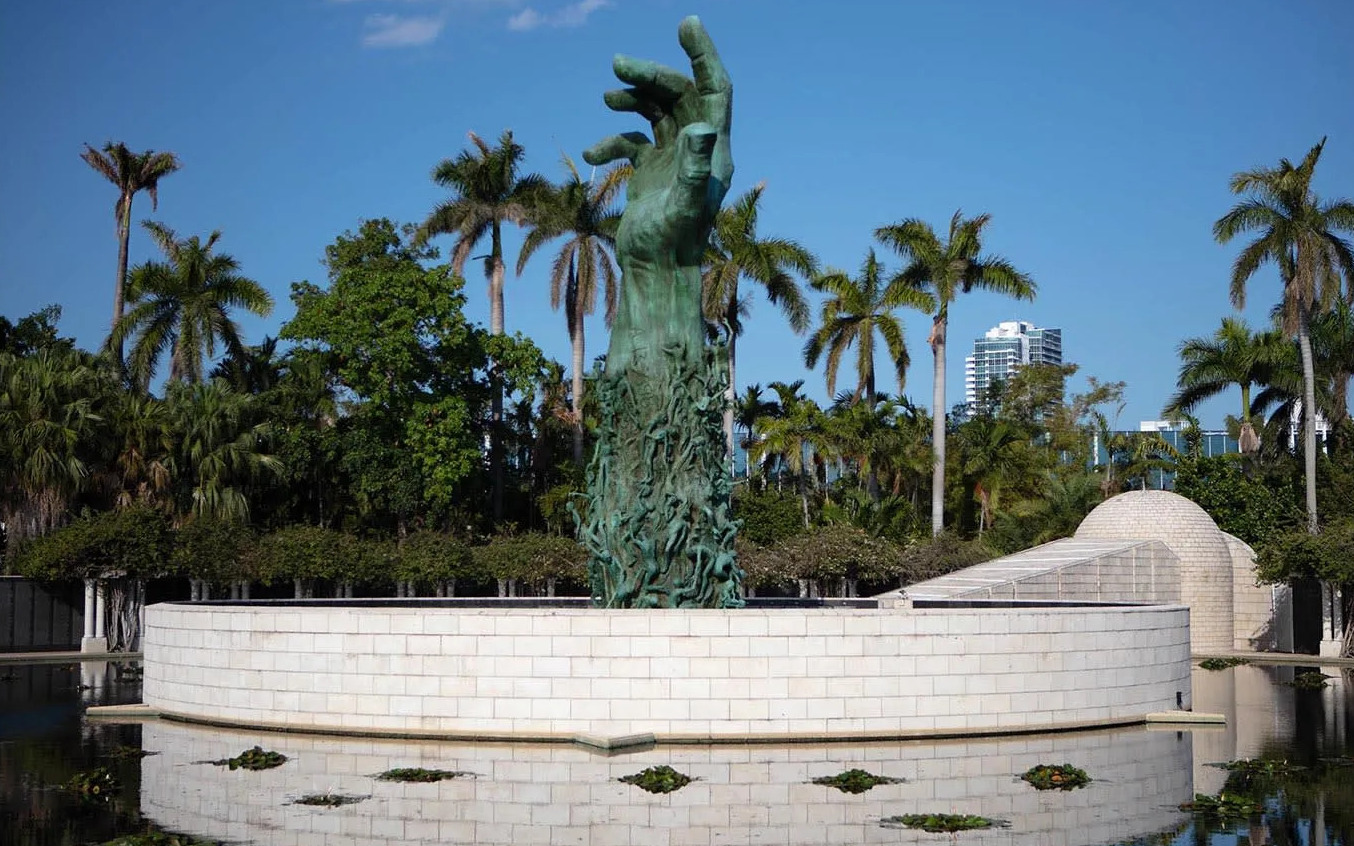
What is easy to miss, because it requires you to walk the full perimeter rather than photograph the arm and leave, is the memorial's relationship with the water around it. The reflecting pool, the inscribed names, the tunnel of photographs — these elements build a cumulative weight that the central sculpture alone cannot carry. This is a place that gives back in direct proportion to the time you spend with it.
Insider tip
The memorial is free and open daily. Come in the late afternoon when the light is low and the tourist traffic has moved toward the beach. You will likely have significant stretches of it to yourself.
Little Havana: the street that is still an argument
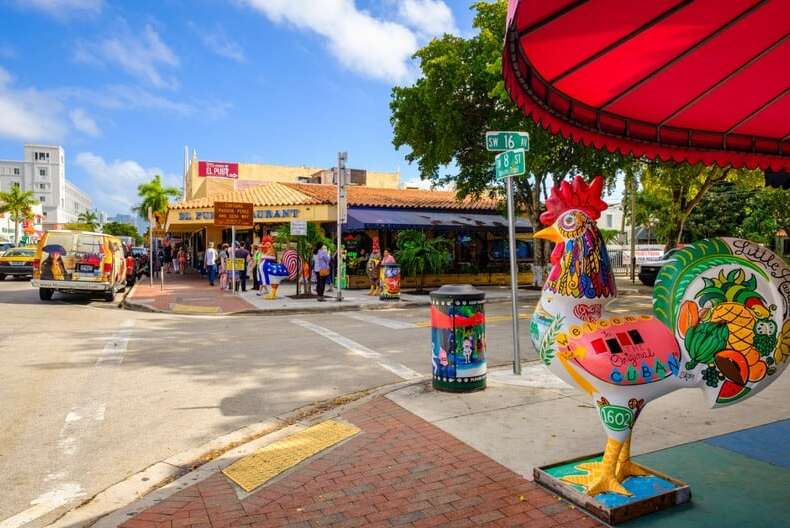
The most honest version of Calle Ocho is not the stretch nearest the tourist infrastructure but the blocks further west, where the commercial life of an actual neighbourhood — pharmacies, religious goods shops, family restaurants without English menus — continues without particular regard for visitors. That is not hostility; it is simply a place that has not yet been fully converted into a performance of itself.
Insider tip
The first Friday of each month, Viernes Culturales transforms Calle Ocho into an open-air arts event. It is popular, but it is also genuinely local in a way that most Miami events are not.
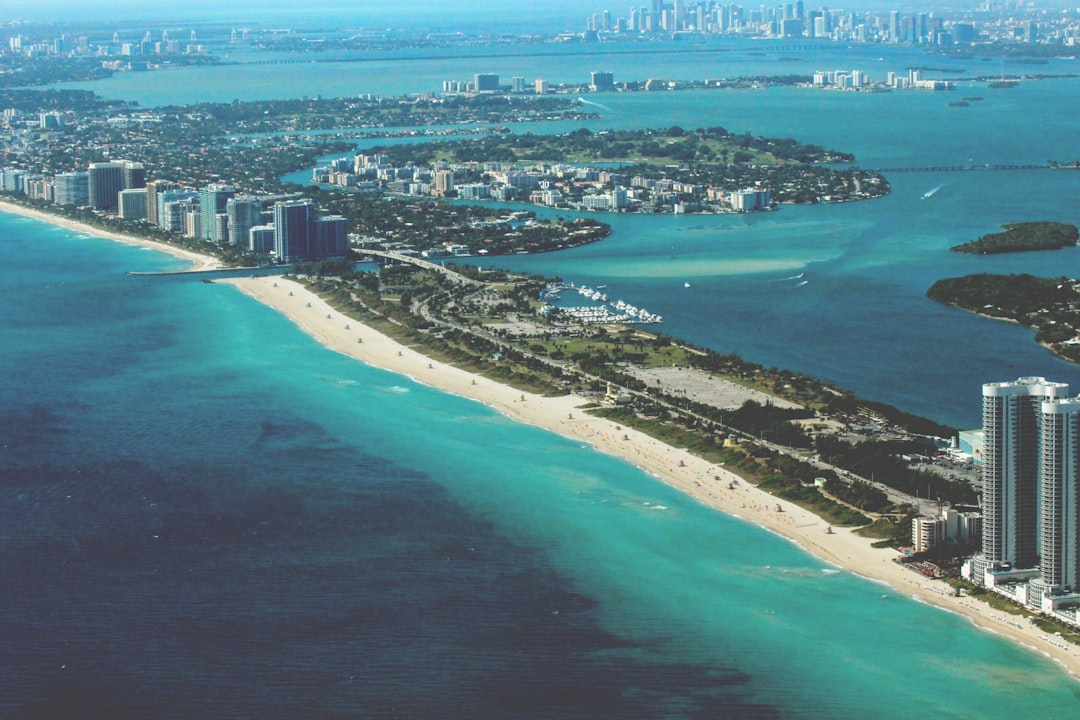
The jewel in Miami's crown is undoubtedly South Beach: arriving before the crowd claims it
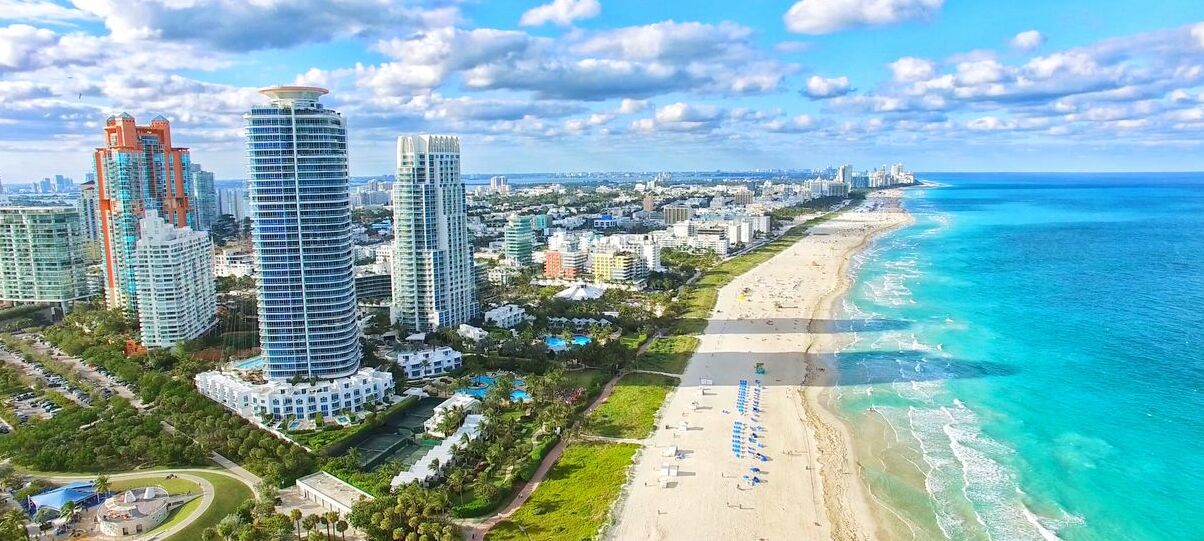
The beach at 7am in October is a different proposition entirely. The light is horizontal, the sand holds the marks of the overnight tide, and the Art Deco skyline to the west is visible without distraction. The city built this stretch to be looked at from the water. Most people never bother to look.
Insider tip
Walk north past 21st Street. The beach widens, the crowds thin, and the residential scale of the buildings shifts in a way that makes the whole place feel less like a resort and more like a city that happens to have a beach.
Part two — A little deeper
Jungle Island: the zoo that forgot to be ordinary

The setting is the thing that surprises. The Biscayne Bay views from within the park are unexpected, and the tropical planting — dense, layered, competitive in the way that genuine rainforest canopy is competitive — creates pockets of genuine atmospheric pressure. You are rarely more than a kilometre from a highway, but the park has the quality of a place that has negotiated its own terms with the surrounding city.
Insider tip
The park is most rewarding on overcast mornings when the light is even and the birds are active. Weekday visits in the off-season mean you can spend time with the animals without the weekend energy that turns any zoo into a different kind of experience.
Wanderlog Alternatives 2026: i migliori app per Miami — the map before the journey

The conversation around alternatives to dominant travel-planning apps reflects something real about how Miami is now navigated by informed visitors: the city's complexity rewards collaborative, layered itinerary tools that can handle the interplay between neighbourhoods, transport options, and the particular rhythms of a subtropical city where the best hours are not the obvious ones.
Insider tip
Build your Miami itinerary around transport logic first, neighbourhood character second. The city will punish you for doing it the other way around, regardless of which app you use.
Vacanze Miami low cost 2026: guida pratica per spendere poco — the city that negotiates

The low-cost Miami is not a compromise version of the expensive one. It is, in several respects, a more interesting city: the neighbourhoods where price has not yet been used as a filter tend to be the ones where the actual texture of Miami life is still legible.
Insider tip
The Miami-Dade public library system offers free Wi-Fi and air conditioning at multiple branches. In a city where both heat and connectivity costs can accumulate, that is a practical resource worth knowing.
Secret World recensione 2026: Scopri Miami come mai prima d'ora — the guided city, reconsidered

The value of any planning tool for Miami is ultimately in how it handles the city's temporal complexity: the fact that the same street at different hours, in different seasons, in different years, is effectively a different place. A tool that treats Miami as a fixed set of coordinates misses the point.
Insider tip
Use platform reviews as a starting point, not a conclusion. The most consistently useful reviews for Miami are those that specify the time of day and month of visit — context that most review systems bury or ignore.
Part three — Off the obvious path
Vacanze Miami low cost: Guida pratica per risparmiare nel 2026 — the other side of the ledger

The practical guides to spending less in Miami tend to cluster around the same advice: use the Metromover, visit Wynwood on a weekday, eat in Little Havana. That advice is sound, but it undersells the degree to which the most interesting Miami experiences are also frequently the cheapest ones — the kind of serendipitous encounters that happen when you are not following an expensive itinerary.
Insider tip
The free Metromover loop through downtown is one of the best elevated views of the city available, and it costs nothing. Treat it as a thirty-minute orientation rather than just a transport option.
Secret World recensione 2026: la guida definitiva a Miami — when the algorithm meets the street

What the better planning platforms understand, and what the definitive guide format struggles to accommodate, is that the most useful thing you can do for a traveller in Miami is not to tell them where to go but to help them understand which city they are in — and which one they want to be in.
Insider tip
Before you arrive, read one week of the Miami New Times and one week of El Nuevo Herald. The gap between their coverage of the same city tells you more about Miami's complexity than any travel guide will.
Best Trip Planner Miami 2026: Guida Completa — the itinerary as a form of argument
The best Miami itineraries are built with this obsolescence in mind: they identify the structural qualities of neighbourhoods and experiences rather than specific venues, so that when the specific venue inevitably changes, the traveller knows how to find its replacement.
Insider tip
Build at least one unscheduled afternoon into any Miami itinerary. The city has a habit of offering things that were not in the plan, and the plan is usually the lesser option.
Come Pianificare un Viaggio a Miami con l'AI nel 2026 — the machine that learned the city

The limitation is familiar: AI tools trained on historical data struggle with a city that moves as fast as Miami does. They tend to recommend the version of the city that existed when their training data was collected, which in Miami's case can be meaningfully different from the version that exists when you arrive.
Insider tip
Use AI planning tools to identify the structural logic of Miami's neighbourhoods, then verify current conditions through local sources. The tool is better at geography and history than it is at the present tense.
Part four — Around and beyond
Le migliori alternative a Wanderlog per Miami nel 2026 — finding the right tool for a complicated city

The most useful platforms for Miami are those that allow for flexible routing, that integrate transport time honestly rather than optimistically, and that surface the kind of neighbourhood-level context that makes the difference between arriving somewhere and understanding where you are. The competition among these tools is, in a quiet way, a competition about different theories of what a city is.
Insider tip
Whichever planning tool you use, build your Miami itinerary around the city's east-west axis rather than north-south. The neighbourhoods that matter most are arranged perpendicular to the beach, and that geography shapes everything.
There is a version of Miami that is perfectly legible — the one on the postcards, in the hotel brochures, in the Instagram grids of people who spent four days there and came back with a confident opinion. That Miami exists and is worth experiencing. But it is a surface, and surfaces are where most tourism stops.
The city underneath is more complicated, more contradictory, and considerably more interesting. It is a city still negotiating its own identity — between its Cuban heritage and its Anglo-American present, between its natural environment and its appetite for development, between the global brand it has become and the neighbourhood-level lives that continue regardless. Finding that city requires patience, a willingness to be wrong about what you expected, and the particular kind of attention that travel writing at its best is supposed to model.
Miami will not reward you for rushing. It will reward you for looking twice at the thing you thought you had already understood. That, in the end, is the only travel advice that ever really matters.
The city underneath is more complicated, more contradictory, and considerably more interesting. It is a city still negotiating its own identity — between its Cuban heritage and its Anglo-American present, between its natural environment and its appetite for development, between the global brand it has become and the neighbourhood-level lives that continue regardless. Finding that city requires patience, a willingness to be wrong about what you expected, and the particular kind of attention that travel writing at its best is supposed to model.
Miami will not reward you for rushing. It will reward you for looking twice at the thing you thought you had already understood. That, in the end, is the only travel advice that ever really matters.