What the city keeps from people who aren't paying attention
L
Words by
Lena Hofmann
Updated
21 September 2026
Read time
12 minutes
Includes
15 places · interactive map
There is a particular kind of invisibility that has nothing to do with obscurity. Some places in Tokyo are hidden not because they are hard to find, but because the city moves so fast and so confidently that most visitors never slow down long enough to actually see them. You walk past a moss-covered gate on the way to a convenience store. You glance at a bronze casting through a museum window and keep moving toward the gift shop. You eat at the chain restaurant on the corner because the handwritten menu in the narrow place next door looked like too much effort. This is how Tokyo keeps its secrets — not under lock and key, but in plain sight, behind the assumption that you already know where you're going.
I've spent enough time in this city to know that the first visit is almost always a rehearsal. You cover the famous ground, you get your bearings, you confirm that the scale of the place is genuinely disorienting. The second visit is when things get interesting. You start noticing the gaps between the landmarks — the shrine forest that feels architecturally impossible in a metropolis of this density, the museum room that holds one of Rodin's most ambitious failures, the cathedral that looks like it landed from another dimension entirely.
None of the places in this list are unknown. That would be dishonest, and Tokyo doesn't deal in the truly unknown anyway. What they share is a quality of being consistently underweighted — visited less than they deserve, thought about less than they reward, and almost never the reason someone books a flight. That, in a city of thirteen million people, is the closest thing to hidden that actually exists.
Most visitors treat Meiji Jingu as a tick on the Harajuku itinerary — walk through, photograph the sake barrels, continue to Takeshita Street. That's a shame, because the shrine's real achievement isn't the building itself but the forest surrounding it: roughly 100,000 trees planted over a century ago on what was previously bare ground, now so dense and self-sustaining that it reads as primeval. The silence inside that canopy, within earshot of one of the world's most frenetic cities, is the kind of thing that makes you question your assumptions about what urban space can be. The shrine was built to honour Emperor Meiji and Empress Shoken, but it functions, day to day, as a kind of pressure valve for the city — a place where the noise genuinely stops.
Insider tip
Enter from the southern Harajuku gate but exit through the lesser-used northern gate toward Yoyogi — the path thins out considerably and the forest feels entirely different on the way back.
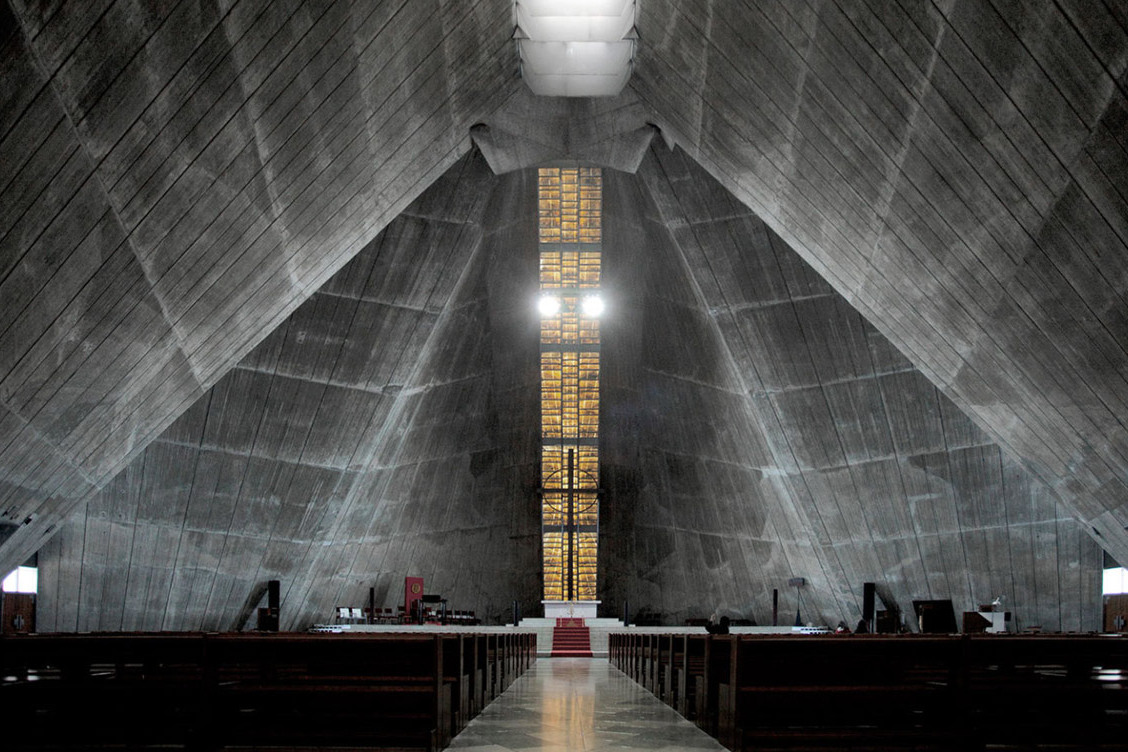
Kenzo Tange designed this cathedral in 1964 to replace a wooden Gothic structure destroyed during wartime, and the result is one of the most quietly radical buildings in Tokyo — which is saying something in a city that treats architectural ambition as a civic duty. The structure is both Modernist and Metabolist in its sensibility: eight hyperbolic paraboloid shells of stainless steel fold upward and inward, forming a cross when viewed from above. From street level it looks less like a church and more like something that arrived from a different century altogether, possibly a future one. It sits in Bunkyo ward, away from the main tourist corridors, which means you can often have the forecourt entirely to yourself — a luxury Tokyo rarely offers.
Insider tip
The interior light shifts dramatically depending on the time of day; early morning, when the steel shells catch low-angle sun, produces an effect the architects almost certainly calculated but that still feels accidental.
Tokyo is one of the few cities in the world where you can move from a seventeenth-century Buddhist temple to a Michelin-starred restaurant in a glass tower in ten minutes on foot — and the walk between them is often more interesting than either destination. The parks and gardens that thread through the city's 23 wards are the connective tissue that most visitors skip in favour of point-to-point transit. What gets lost in that approach is the city's actual logic: the way green space and density coexist not as opposites but as a deliberate system. A garden in central Tokyo isn't a retreat from the city; it's an argument about what a city can be when it takes its own contradictions seriously.
Insider tip
The smaller ward-managed gardens — as opposed to the nationally famous ones — tend to be almost entirely free of tour groups and often have better maintained seasonal plantings.
4Museum· 8.2 km
The Gates of Hell in Tokyo: Rodin's unfinished argument
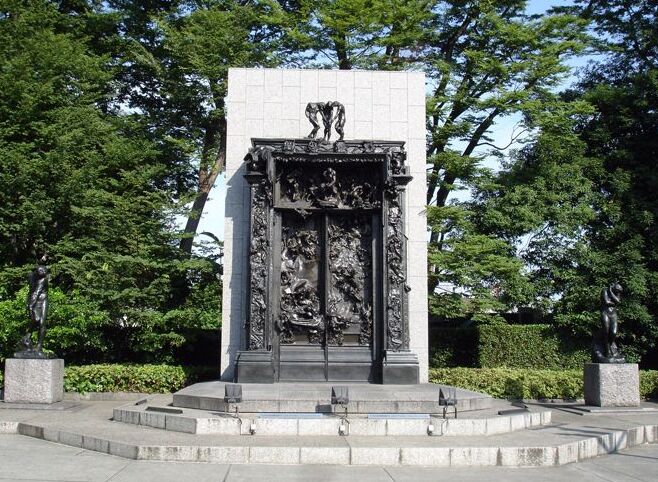
The National Museum of Western Art in Ueno Park holds a cast of Rodin's Gates of Hell — a work commissioned by the French government in 1880 that the sculptor never finished to his own satisfaction and that was only cast posthumously. This is the piece from which The Thinker was extracted, which means that what most people know as Rodin's most iconic image was originally just one figure in a churning mass of 180 others. Seeing the full Gates here, in a museum that is itself a Le Corbusier building (a fact that most visitors also walk past without registering), reframes both works entirely. The Ueno cast sits outdoors in the museum's forecourt, exposed to weather and context in a way that indoor display never quite allows.
Insider tip
The Le Corbusier building that houses the museum is itself a UNESCO World Heritage Site — one of the few in the world that is also a functioning public museum with a standard admission ticket.
Part two — A little deeper
5Urban Navigation· 0.0 km
Secret World vs Google Trips: quale app per Tokyo 2026?: navigating the city's density honestly
Between Shinjuku and Shibuya — two districts that sit just three kilometres apart — there are more distinct cultural and architectural layers than most European cities contain in their entirety. The problem isn't finding things to do in Tokyo; it's developing a framework for deciding what to ignore. The parks and gardens of this corridor are consistently underused by visitors who treat them as transitions between more 'significant' stops. But the green spaces here function as genuine archives — of landscape design, of seasonal rhythm, of the city's relationship with its own past. Treating them as destinations rather than shortcuts changes the entire texture of a day in Tokyo.
Insider tip
The city's ward boundaries often correspond to genuine neighbourhood character shifts — crossing from Shibuya-ku into Shinjuku-ku on foot, rather than by train, reveals micro-transitions that no app currently maps well.
6Food Culture· 0.0 km
カレーライスをいつ食べるか:東京で一年中楽しむための完全ガイド: the curry question nobody asks
Tokyo's curry scene is more complex than most food writing acknowledges. Indian curry, soup curry from Hokkaido, European-style curry, spice-forward contemporary curry — the single word covers dozens of distinct traditions, each with its own neighbourhood strongholds and its own devoted subculture. The question of when to eat curry in Tokyo is, as one food editor put it, half serious and half absurd — but the half that's serious is genuinely interesting. Certain styles peak in certain seasons, certain shops run seasonal menus that reward repeat visits, and the difference between a tourist curry and a local's curry often comes down to knowing which style you're actually eating.
Insider tip
Soup curry, the Hokkaido variant with a thinner, spiced broth and whole vegetables, is significantly harder to find in Tokyo than in Sapporo — the shops that do it well tend to be in residential areas far from the main tourist wards.
7Food Product· 0.0 km
東京の抹茶パウダー完全ガイド:よくある疑問に答えます: what you're actually buying
Every visit to Tokyo now involves navigating a matcha powder landscape that has expanded well beyond any reasonable consumer's ability to parse it. Department basement floors, supermarket baking sections, souvenir shops near major shrines — all of them carry matcha powder, ranging from 500 yen to well over 10,000 yen, with no obvious system for understanding why. The distinction between drinking-grade and cooking-grade powder matters enormously and is almost never explained in English. Origin matters too — Uji, Nishio, and Yame produce noticeably different flavour profiles — and the packaging rarely makes any of this clear to someone who hasn't already done the research.
Insider tip
Department store basement food halls (depachika) in Shinjuku or Ginza tend to stock a more curated and honestly labelled range than tourist-facing souvenir shops, and staff are usually willing to advise if you ask specifically about origin.
8Food Product· 0.0 km
日本酒のすべてがわかるFAQ|大阪から学ぶ酒の世界: what the izakaya counter teaches
The education in Japanese sake that Tokyo offers is, counterintuitively, best accessed through its izakayas rather than its specialist sake bars. The specialist bars are excellent, but they tend to attract people who already know what they're looking for. The izakaya counter — with its row of one-sho bottles and the proprietor's slightly proprietorial pride in 'their' recommendation — is where the real conversation happens. Sake is genuinely deep and genuinely approachable at the same time, and Tokyo's drinking culture holds both of those truths simultaneously in a way that rewards curiosity without requiring expertise.
Insider tip
Ask the proprietor what prefecture the sake they're proudest of comes from, rather than asking for a recommendation by style — it tends to open a more honest and specific conversation.
Part three — Off the obvious path
9Temple· 0.0 km
金閣寺とは?よくある質問に全部答えます【京都観光】: the famous place that still surprises
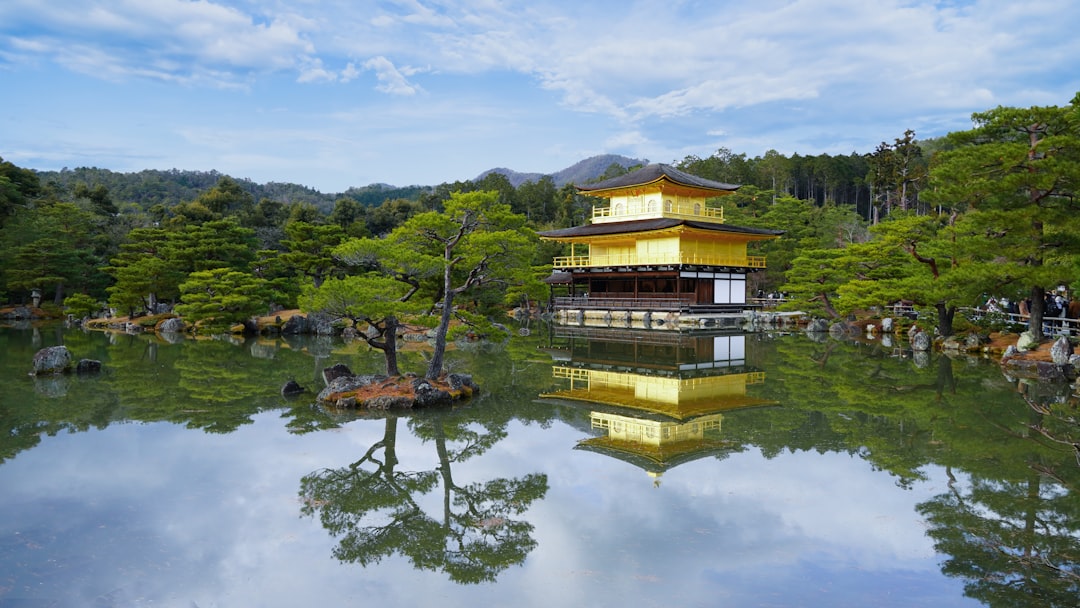
Kinkaku-ji — the Golden Pavilion — is formally known as Rokuon-ji, and it appears in the Tokyo traveller's mental landscape as a Kyoto reference point rather than a destination in its own right. But the questions it raises about expectation and reality are directly relevant to how one navigates any Japanese city's famous sites. The common complaint — smaller than expected, more crowded than bearable — misses the point that the pavilion's relationship with its reflecting pond is an architectural argument about scale and illusion, not a straightforward display of grandeur. Approaching any of Tokyo's own major sites with that frame changes what you actually see.
Insider tip
The most useful thing you can know about any heavily visited Japanese landmark is its opening time — arriving within the first thirty minutes of opening produces an experience that is categorically different from midday.
10Travel Planning· 0.0 km
京都、いつ行く?月別に正直に書く旅の季節論: the honest seasonality argument
The honest answer to 'when should I go?' for almost any major Japanese destination is: it depends entirely on what you're willing to trade. Peak foliage season in November delivers extraordinary colour and extraordinary crowds simultaneously. The same logic applies to Tokyo's own seasonal rhythms — cherry blossom, summer festivals, autumn leaves each bring a version of the city that is genuinely different and genuinely more pressured. The traveller who chooses a quieter month and adjusts expectations accordingly often comes away with a more textured understanding of the place than the one who arrived during peak season and spent most of their energy managing the logistics of other people.
Insider tip
Early February in Tokyo is consistently underrated — cold enough to deter casual visitors, quiet enough to actually inhabit the city's public spaces, and occasionally punctuated by plum blossom that predates the cherry season by weeks.
11Shrine· 0.0 km
伏見稲荷、いつ行くべきか:月別に正直に話す: the thousand gates problem
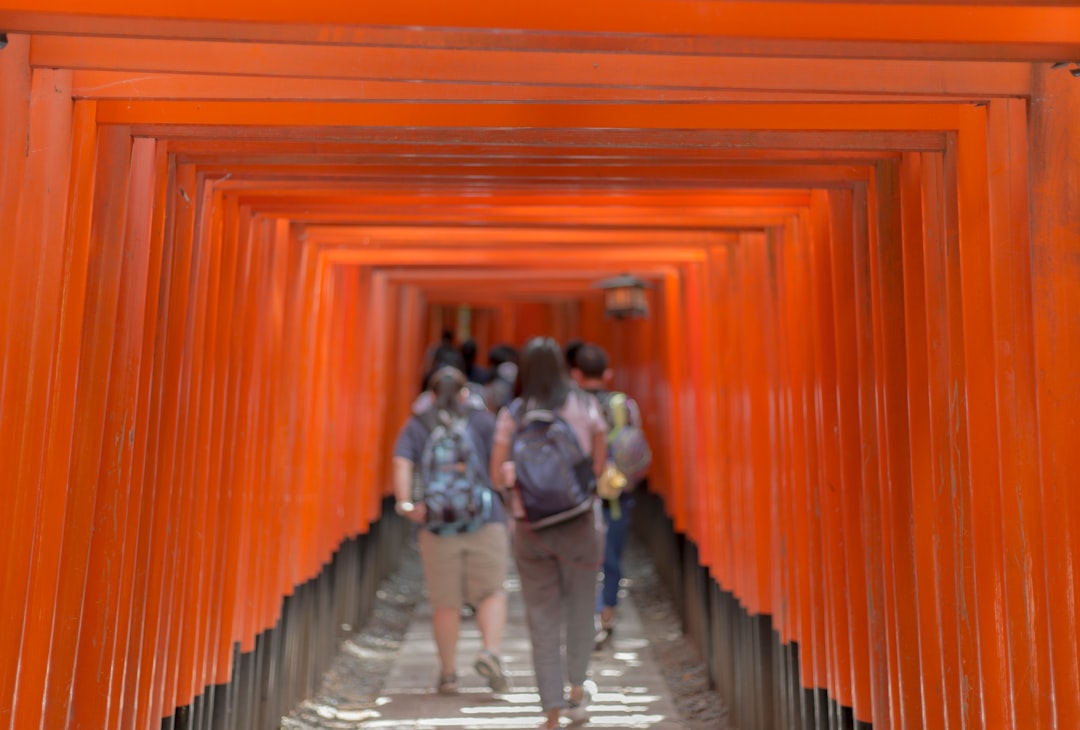
Fushimi Inari in Kyoto has become, in the past decade, one of the most photographed sites in Japan — and the experience of visiting during peak hours has become correspondingly difficult to separate from the experience of being in a crowd that is itself photographing a crowd. But the underlying logic of the site — thousands of torii gates donated by businesses and individuals over centuries, creating a tunnel that climbs a mountain — remains genuinely strange and worth the effort of timing correctly. The lesson for Tokyo is the same: the city's own shrine corridors and processional paths reward early morning visits in ways that afternoon visits simply cannot replicate.
Insider tip
The upper sections of any major shrine mountain trail in Japan tend to thin out dramatically after the first third — most visitors turn back at the first photogenic cluster, leaving the rest of the path relatively quiet.
12Shrine· 0.0 km
厳島神社の大鳥居:よくある疑問に全部答えます: water, tide, and the architecture of timing
The great torii gate of Itsukushima Shrine — the one standing in the sea off Miyajima island in Hiroshima prefecture — is one of Japan's three officially designated scenic views, and it appears in enough promotional material to have become almost abstract. But the actual experience of the gate is inseparable from the tide: at high water it floats, at low water you can walk to its base and touch the barnacled wood. That relationship between a fixed structure and a changing environment is something Tokyo's own waterfront and garden architecture plays with in subtler but equally deliberate ways.
Insider tip
Tide tables for Miyajima are freely available online and should be checked before any visit — the difference between high and low tide fundamentally changes what you're looking at and is not a minor variation.
Part four — Around and beyond
13Food Culture· 0.0 km
お好み焼きを食べるベストシーズンは?大阪で楽しむ季節ガイド: the iron plate argument
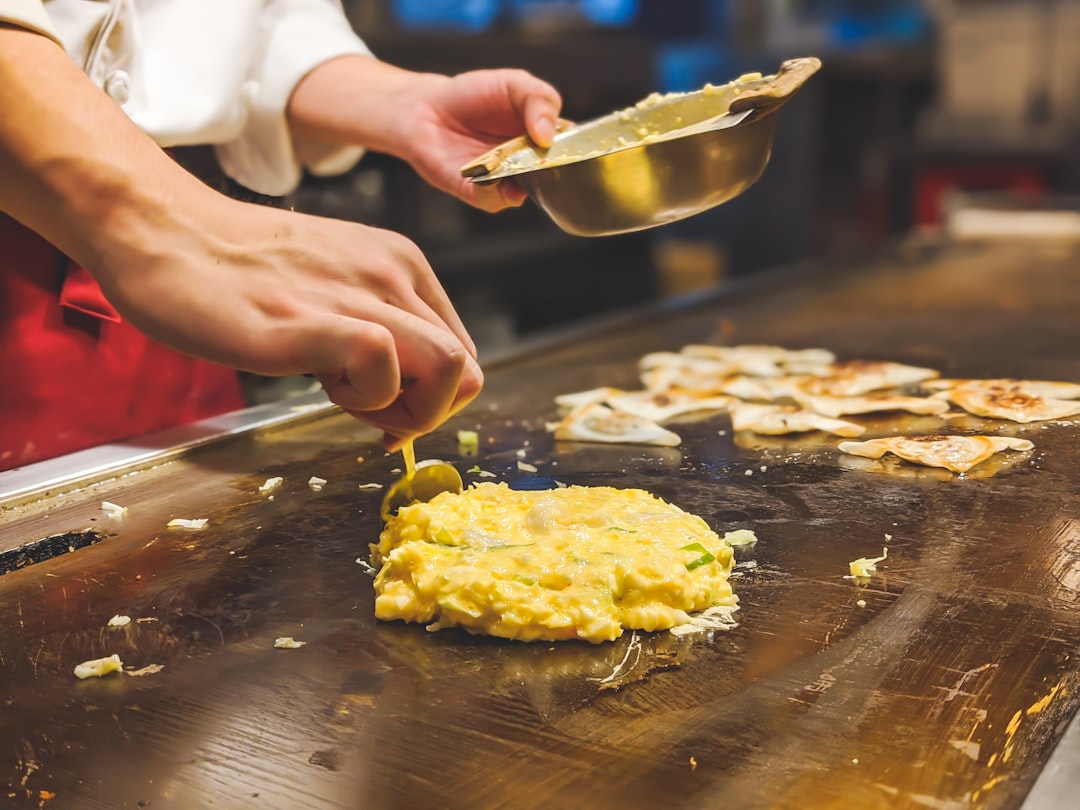
Okonomiyaki — the Osaka savoury pancake cooked on an iron teppan — is the kind of dish that sounds simple until you're sitting in front of a griddle trying to remember whether you're supposed to flip it now or wait. The seasonal argument around when to eat it is genuinely interesting: summer heat plus iron plate is a particular kind of commitment, while winter visits turn the residual warmth of the griddle into something that feels almost architectural. Tokyo has its own okonomiyaki culture, distinct from Osaka's, with a monjayaki variant native to the Tsukishima neighbourhood that most visitors never encounter because it requires actively choosing a less famous destination over a more famous one.
Insider tip
Tsukishima's monjayaki street in Tokyo is a ten-minute subway ride from Ginza and almost entirely populated by locals — the menus are mostly in Japanese, but pointing at what the next table is eating has never failed as a strategy.
14Food Culture· 0.0 km
とんかつを京都で食べるなら:季節と時期の選び方: the underrated choice
The argument that tonkatsu — breaded, deep-fried pork cutlet — is somehow incongruous in a city associated with refined kaiseki cuisine is one that Kyoto's own residents have quietly ignored for decades. The city has a number of long-running tonkatsu specialists that are beloved locally and almost entirely absent from tourist itineraries. Tokyo's tonkatsu scene is, if anything, even more serious — with specialist shops in residential neighbourhoods that have been perfecting their breadcrumb ratio and frying temperature for generations. The dish rewards the kind of attention that visitors usually reserve for more 'culturally significant' food experiences.
Insider tip
The quality indicator in a Tokyo tonkatsu shop is often the pork itself — look for menus that specify the breed or prefecture of origin, which signals a kitchen that is thinking carefully about the ingredient rather than just the technique.
15Travel Culture· 0.0 km
沖縄一人旅FAQ:行く前に知っておきたいこと: solitude as a travel method
Okinawa is usually framed as a resort destination — beaches, diving, the particular blue of the East China Sea — which means its quieter qualities tend to get lost in the promotional noise. But the experience of walking alone through Naha's backstreets, or sitting in a small bar where the conversation eventually finds you whether or not you speak the language, is a different kind of travel entirely. The same principle applies to solo navigation of Tokyo: the city is extraordinarily well-designed for the solo traveller who is willing to sit still long enough to let the neighbourhood come to them, rather than moving through it as a series of scheduled stops.
Insider tip
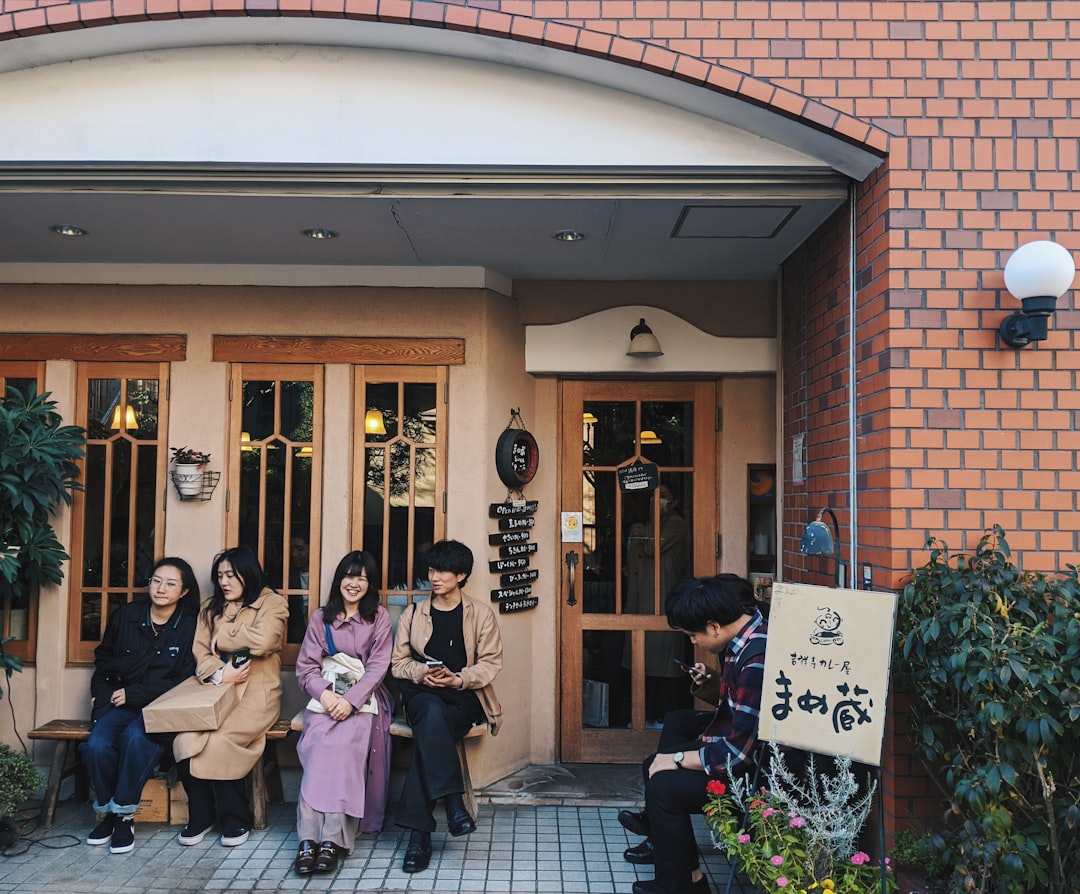
Tokyo's kissaten — old-school coffee shops that predate the third-wave coffee movement by decades — are among the best places in the city to be alone without feeling lonely; many have been operating since the 1960s and have the furniture to prove it.
The places in this list share something that is easier to feel than to describe: a quality of being present without announcing themselves. Tokyo is a city that rewards the visitor who has already made peace with not seeing everything — who has accepted that the itinerary is a suggestion and the walk between two points is sometimes the point itself. The shrine forest that shouldn't exist, the cathedral that looks like it arrived from the future, the curry shop in the residential ward that nobody thought to put on a map — these are not discoveries in any heroic sense. They are simply what happens when you slow down in a city that is always moving, and look at what's actually there rather than what you expected to find. Come back a second time. The city will be different. So, probably, will you.
🏆 Pocket guide
Take this guide with you.
Save it offline, get walking directions, and discover thousands more places like the ones you just read.
What is the best way to move between Tokyo's less-visited neighbourhoods without using the main tourist transit lines?
Tokyo's bus network covers residential areas that the subway doesn't reach, and the city's IC card (Suica or Pasmo) works seamlessly across both. For neighbourhoods like Yanaka, Koenji, or Tsukishima, buses or a combination of local train lines and walking will get you closer to street level than the express subway routes that connect the major hubs.
Are Tokyo's major shrines and temples free to enter?
The grounds of most major shrines, including Meiji Jingu, are free to enter. Some temple gardens and specific inner sanctuaries charge a modest admission fee, typically between 500 and 1,000 yen. It's worth checking in advance for any specific site, as pricing and access rules can vary by season and event.
How do I navigate Tokyo's food scene if I don't read Japanese?
Many restaurants in Tokyo now display plastic food models in their windows or have picture menus — pointing remains a completely acceptable ordering strategy. Department store basement food halls (depachika) are particularly navigable because the food is displayed openly and staff are accustomed to non-Japanese-speaking customers. Google Lens or a dedicated translation app can also handle most menu situations adequately.
What time of year is genuinely quieter for visiting Tokyo's cultural sites?
January (after the New Year holiday period ends, roughly from the second week onward) and June (rainy season, which deters many visitors) are consistently the least crowded months at major sites. February is also underrated — cold but manageable, with plum blossom beginning in some parks and significantly fewer visitors than the cherry blossom weeks that follow.
Is it worth visiting the National Museum of Western Art in Ueno, or is it too far from the main Tokyo experience?
Ueno is a twenty-minute train ride from Shinjuku and contains one of the highest concentrations of museums in the city. The National Museum of Western Art — a Le Corbusier building that is itself a UNESCO World Heritage Site — holds the Rodin Gates of Hell cast in its forecourt and a genuinely strong European collection inside. It is worth a half-day on its own, and the surrounding Ueno Park provides context for the broader cultural district.
🏆 Read this offline
Save it to your phone.
Bookmark this guide, plan your trip offline, and discover thousands of places like these.