Bali is a genuinely complex place that has spent decades absorbing the projections of millions of visitors and somehow, improbably, retained a coherent identity beneath all of it. The Balinese Hindu culture — distinct from the Islam that predominates across most of Indonesia — is not decorative. The daily offerings, the temple ceremonies that can shut a main road for three hours, the intricate calendar of sacred days: these are not performed for tourists. They simply happen, and tourists move around them or don't.
The island is small enough to cross in a few hours but varied enough to feel like several countries stacked on top of each other. The south is dense, commercial, and occasionally chaotic in ways that are either energising or exhausting depending on your mood and the traffic. The north is quieter, drier, and largely ignored by the package-tour circuit. The centre — Ubud and its surrounding villages — has been mythologised to the point of parody, yet still delivers, if you know where to look and when to arrive.
What follows is not a list of the things you will inevitably do anyway. It is, instead, an attempt to describe the Bali that exists slightly off the main road — not dramatically off, not dangerously off, just enough to feel like you found it yourself.
At a glance
- Come Pianificare un Viaggio a Bali nel 2026 con l'AI — rethinking how you arrive prepared
- Migliori app viaggio 2026: Bali e Secret World AI — navigating the island's information problem
- Come Pianificare un Viaggio AI a Bali nel 2026 — learning to read the island's green interior
- Come Pianificare un Viaggio a Bali nel 2026 con l'AI — the volcanic north and what the south forgets
- Secret World recensione 2026: il miglior AI Trip Planner a Bali — finding where the Balinese actually eat
Come Pianificare un Viaggio a Bali nel 2026 con l'AI — rethinking how you arrive prepared
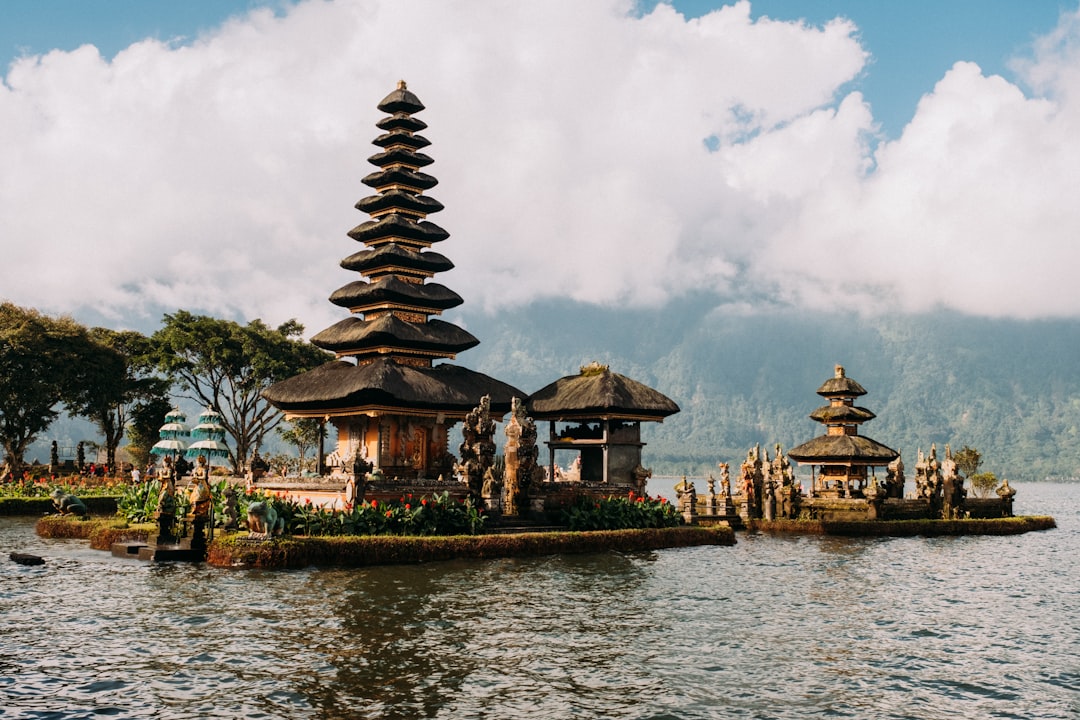
Come Pianificare un Viaggio a Bali nel 2026 con l'AI represents a broader shift in how visitors approach the island's logistical complexity — using AI-assisted tools to map out not just flights and hotels but the subtler architecture of a trip: which villages hold their temple ceremonies in which weeks, where the rice harvest falls, which roads flood in February. The Balinese ritual calendar alone, with its 210-day Pawukon cycle, can make or break an itinerary if you ignore it. Arriving with that layer of knowledge already absorbed means your first morning can be spent at the market rather than at the hotel desk asking basic questions.
Insider tip
The Galungan and Kuningan festival period is worth timing your visit around — the island is decorated with penjor bamboo poles and the atmosphere is unlike any other time of year — but accommodation books out months in advance. Plan accordingly.
Migliori app viaggio 2026: Bali e Secret World AI — navigating the island's information problem
Migliori app viaggio 2026: Bali e Secret World AI enters this landscape as part of a generation of tools trying to cut through the noise by aggregating and contextualising rather than simply listing. The practical value for a Bali trip is real: the island's geography is deceptive. Distances that look short on a map can take an hour in traffic on the Denpasar ring road. An app that factors in actual travel time — and accounts for the fact that nothing moves quickly between Seminyak and Kuta on a Saturday afternoon — is more useful than any printed map.
Insider tip
Download offline maps before you leave your accommodation each morning. Mobile data is generally reliable in the south, but the centre and north have dead zones that appear without warning on mountain roads.
Come Pianificare un Viaggio AI a Bali nel 2026 — learning to read the island's green interior
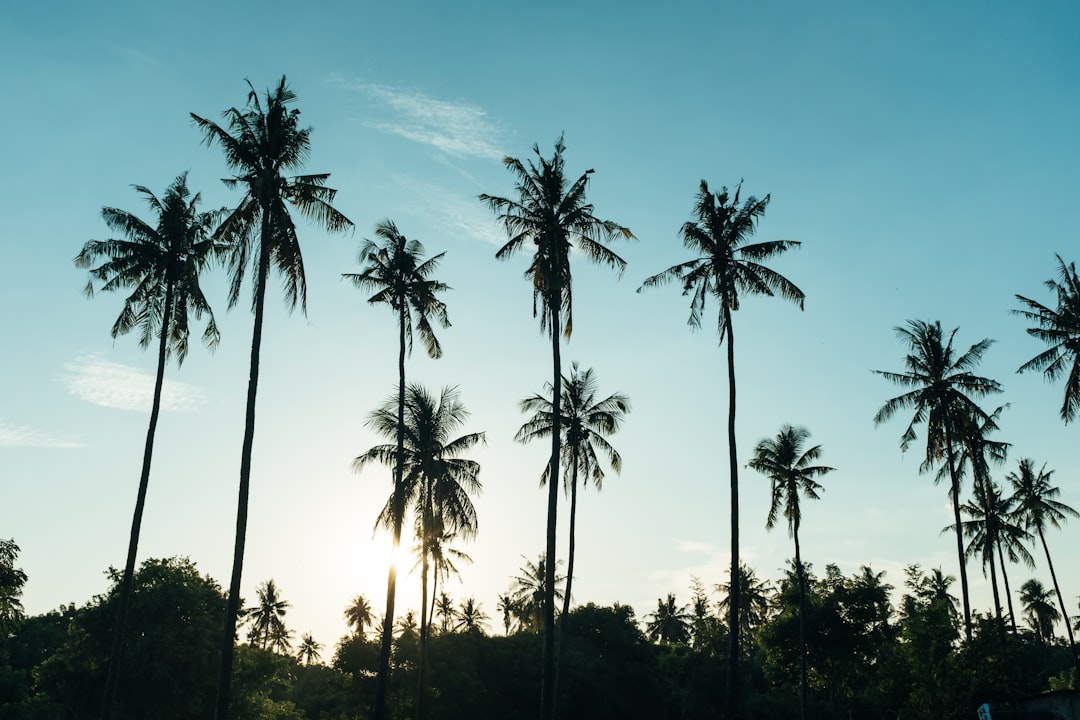
Come Pianificare un Viaggio AI a Bali nel 2026 points toward a more useful approach: using intelligent itinerary tools to locate the less-visited terraces in the Jatiluwih plateau, which are broader, quieter, and arguably more representative of the Subak system in its working form. Jatiluwih sits at around 700 metres elevation; the air is noticeably cooler and the light in the early morning has a quality that the Tegallalang crowds rarely get to see.
Insider tip
Jatiluwih charges a small entrance fee that goes directly toward Subak maintenance. Pay it without complaint — it is one of the few tourist levies in Bali that demonstrably reaches its stated purpose.
Come Pianificare un Viaggio a Bali nel 2026 con l'AI — the volcanic north and what the south forgets
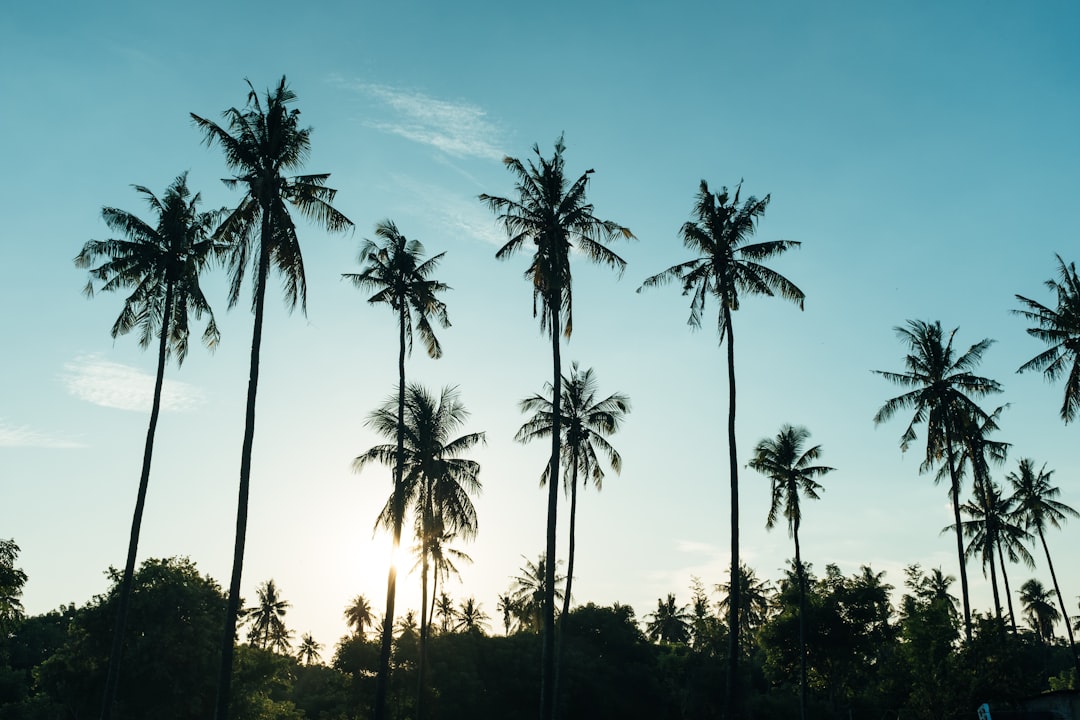
Come Pianificare un Viaggio a Bali nel 2026 con l'AI, as a planning framework, is most valuable precisely here — in the parts of the island where the tourist infrastructure is thinner, the signage is less reliable, and the distance from Denpasar airport (roughly 2.5 to 3 hours on a good day) requires actual logistical thought rather than a quick Grab booking.
Insider tip
The road over the central mountains between Bedugul and Singaraja is one of the more dramatic drives in Southeast Asia. Do it in daylight and factor in an hour more than Google Maps suggests.
Secret World recensione 2026: il miglior AI Trip Planner a Bali — finding where the Balinese actually eat
Secret World recensione 2026: il miglior AI Trip Planner a Bali, as a concept, is most useful in this domain: not finding the best-reviewed restaurant on a platform, but identifying the type of place that locals use and cross-referencing it against your location and timing. The warung near the Badung market in Denpasar, open from five in the morning, serves a nasi campur that costs less than a dollar and is more instructive about Balinese cuisine than any cooking class.
Insider tip
Denpasar's Pasar Badung is the island's largest traditional market and operates at its most interesting before seven in the morning. Go without a guide the first time — the disorientation is part of the education.
Bali is an island that has absorbed an enormous amount of longing without quite collapsing under it. That is, when you think about it, a remarkable thing. The Balinese Hindu cosmology has a concept — Tri Hita Karana, the three causes of well-being — that concerns the balance between humans and God, humans and each other, and humans and the natural world. It appears on government signage and in hotel brochures and in genuine daily practice, sometimes all three at once, which is itself a kind of Balinese achievement.
What I have come to believe, after years of visits and a period of actual residence, is that Bali rewards a particular quality of attention. Not the attention of the checklist — temple, rice terrace, sunset cocktail, done — but the slower attention that notices the offering placed at the base of a motorbike tire each morning, or the way a village gamelan rehearsal sounds through a concrete wall at ten at night, or the expression on a warung owner's face when you order in Indonesian and get it almost right.
The island will not meet you halfway if you arrive expecting it to perform. It is already performing — for itself, for its gods, for its own continuity. The visitor's job is simply to watch carefully and stay humble about what they understand.
What I have come to believe, after years of visits and a period of actual residence, is that Bali rewards a particular quality of attention. Not the attention of the checklist — temple, rice terrace, sunset cocktail, done — but the slower attention that notices the offering placed at the base of a motorbike tire each morning, or the way a village gamelan rehearsal sounds through a concrete wall at ten at night, or the expression on a warung owner's face when you order in Indonesian and get it almost right.
The island will not meet you halfway if you arrive expecting it to perform. It is already performing — for itself, for its gods, for its own continuity. The visitor's job is simply to watch carefully and stay humble about what they understand.