10 Best Things to Do in Bangkok, Thailand — beyond the obvious
A long-term resident's case for the city that refuses to be summarised
L
Words by
Lena Hofmann
Updated
19 September 2026
Read time
13 minutes
Includes
8 places · interactive map
I have been trying to write a definitive piece about Bangkok for the better part of a decade, and I keep failing in the same direction: the city outruns the sentence before the ink dries. I first arrived on a red-eye from London in 2013, convinced I had done my research — a dog-eared copy of a certain well-known guidebook, a spreadsheet of temples ranked by significance, a mild dread of the heat. Within forty-eight hours, the spreadsheet was irrelevant. I had spent an afternoon in a shophouse printing shop near Ratchawong watching a man repair a 1970s Olivetti typewriter, eaten something I still cannot name from a cart outside a gold exchange, and missed every single temple I had planned to visit. Bangkok does this. It is not a city that rewards the itinerary so much as the digression.
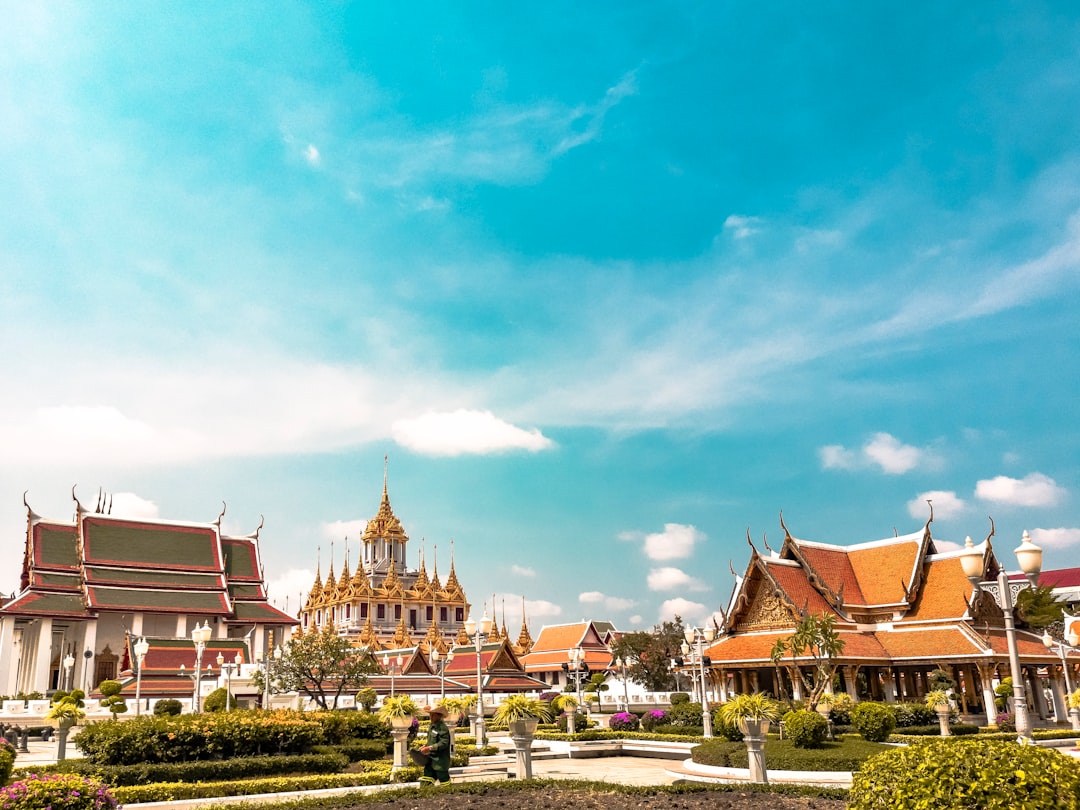
The obvious Bangkok — Wat Phra Kaew, the Grand Palace, Khao San Road, a rooftop bar at sunset — is real and worth your time, but it is also the Bangkok that exists in a kind of parallel dimension designed specifically for people who have seventy-two hours and a return flight. The city underneath that surface is slower, stranger, and considerably more interesting. It is also harder to access, not because it is secret but because it requires a tolerance for confusion and a willingness to look slightly foolish.
This list is not a ranking. It is closer to a set of coordinates — places and experiences that have, over the years, made Bangkok feel like a city worth the humidity, the traffic, the occasional con, and the persistent low-level chaos that is, in the end, the city's most honest self-portrait.
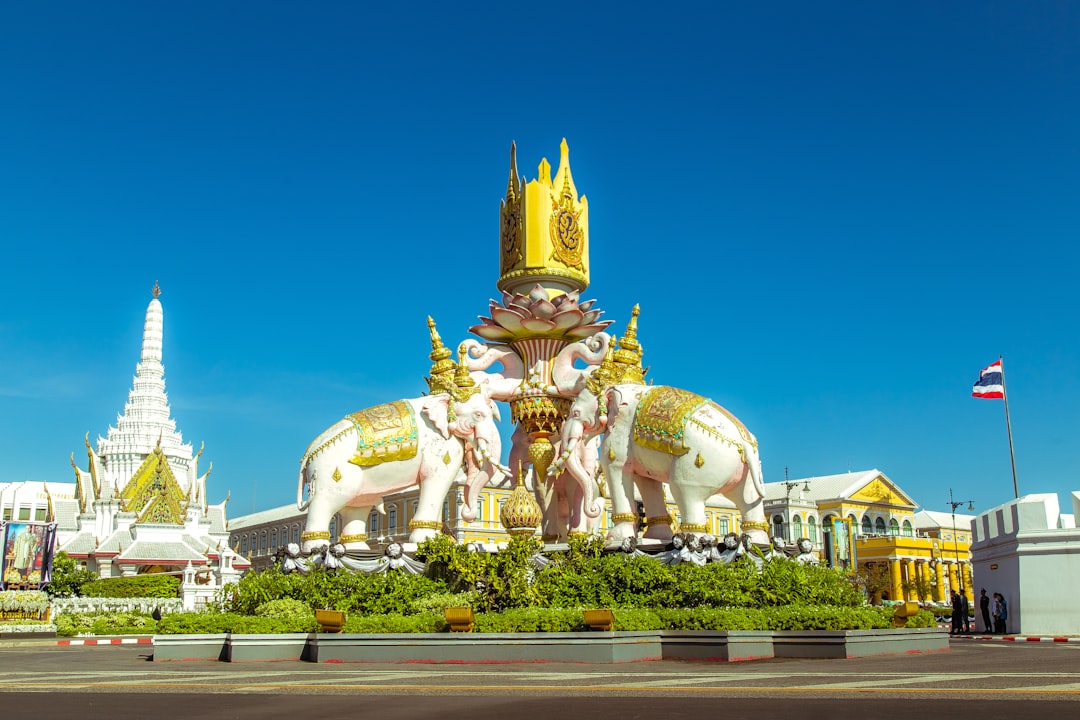
The Scopri il Two Kings Monument in Thailandia: un simbolo di cultura sits on the campus of Chulalongkorn University, roughly four kilometres south of the old city, and most visitors walk past it without registering what they are looking at. The monument honours King Rama V — Chulalongkorn himself, the king who abolished slavery and modernised the Thai state — and his son Rama VI, who founded the university in 1917. The campus around it is worth the detour on its own: a rare stretch of early twentieth-century European-influenced Thai institutional architecture that has survived Bangkok's otherwise indiscriminate appetite for demolition. Come on a weekday afternoon when the students are between lectures and the grounds have a particular quality of unhurried life that the rest of the city rarely offers. The monument itself is less a tourist attraction than a civic object — it belongs to the people who study and work here, which is precisely why it repays attention.
Insider tip
The university's Anek Utsahan building, a small museum of Thai decorative arts, is open to the public and almost always empty. Allow an hour.
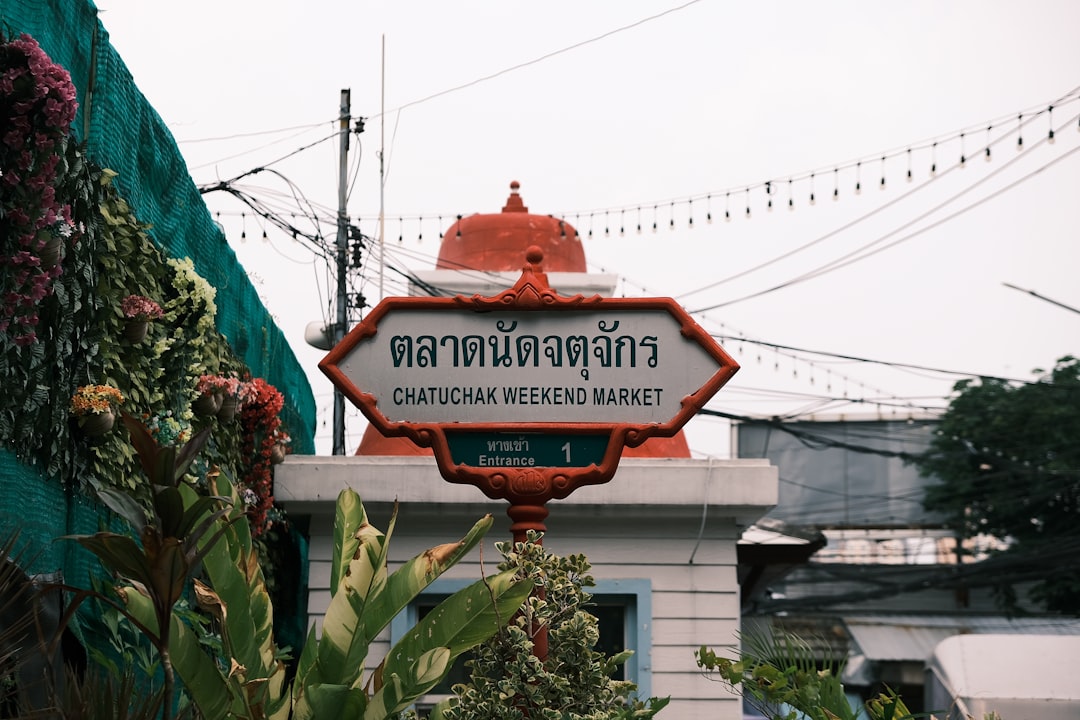
The Scopri il Mercato di Chatuchak a Bangkok: Un Mondo di Colori is one of the largest weekend markets in the world — a figure that gets repeated so often it has become meaningless. What matters more, practically, is that the market is divided into numbered sections, and most visitors never leave sections 2 through 8, which are given over to clothing and tourist goods. The sections worth your time are further in: section 7 for vintage Thai ceramics and Benjarong ware, sections 25 and 26 for antiques of genuinely uncertain provenance, and the plant market on the northern edge, which operates with a quiet seriousness that feels entirely separate from the commercial frenzy nearby. Go before ten in the morning. By noon the heat inside the covered stalls becomes a physical argument against staying. The market is also where Bangkok's weekend social life happens — young Thais eating boat noodles at plastic tables, grandmothers haggling over orchid bulbs — if you can get past the tourist scrum long enough to see it.
Insider tip
The food section near the Or Tor Kor Market border (walk north from the main entrance) has some of the most carefully prepared Thai food in the city at prices that will make you briefly question every restaurant you have ever paid for.
There is a growing category of travel product that promises to solve Bangkok's complexity algorithmically. The AI Trip Planner 2026: Rivoluzione Viaggi a Bangkok positions itself in this space — a tool that generates personalised itineraries based on stated preferences, pulling from a dataset of parks, temples, neighbourhoods, and transit options. Used honestly, these tools are genuinely useful for a first visit: they handle logistics, flag transit connections, and prevent the kind of planning paralysis that hits travellers confronted with a city of eleven million people and no obvious centre. The limitation is structural rather than technical. Bangkok's best experiences are almost always the ones that happen in the space between scheduled stops — the conversation with a temple caretaker, the wrong turn into a riverside community that hasn't been written about yet. An algorithm can optimise your route; it cannot optimise for productive accidents.
Insider tip
Use AI planning tools to handle the practical skeleton of your trip — transport, booking windows, neighbourhood sequencing — then leave at least one full afternoon per day completely unscheduled.
4Travel Planning· 0.0 km
AI itinerary tools and the myth of the frictionless trip
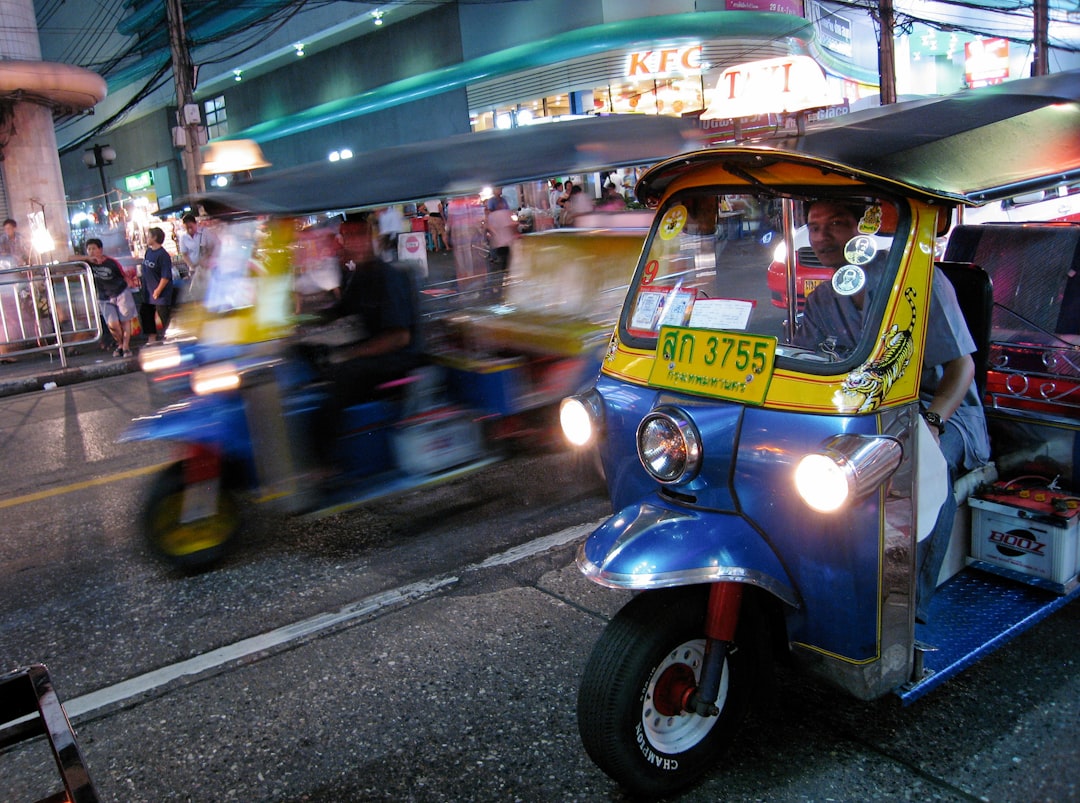
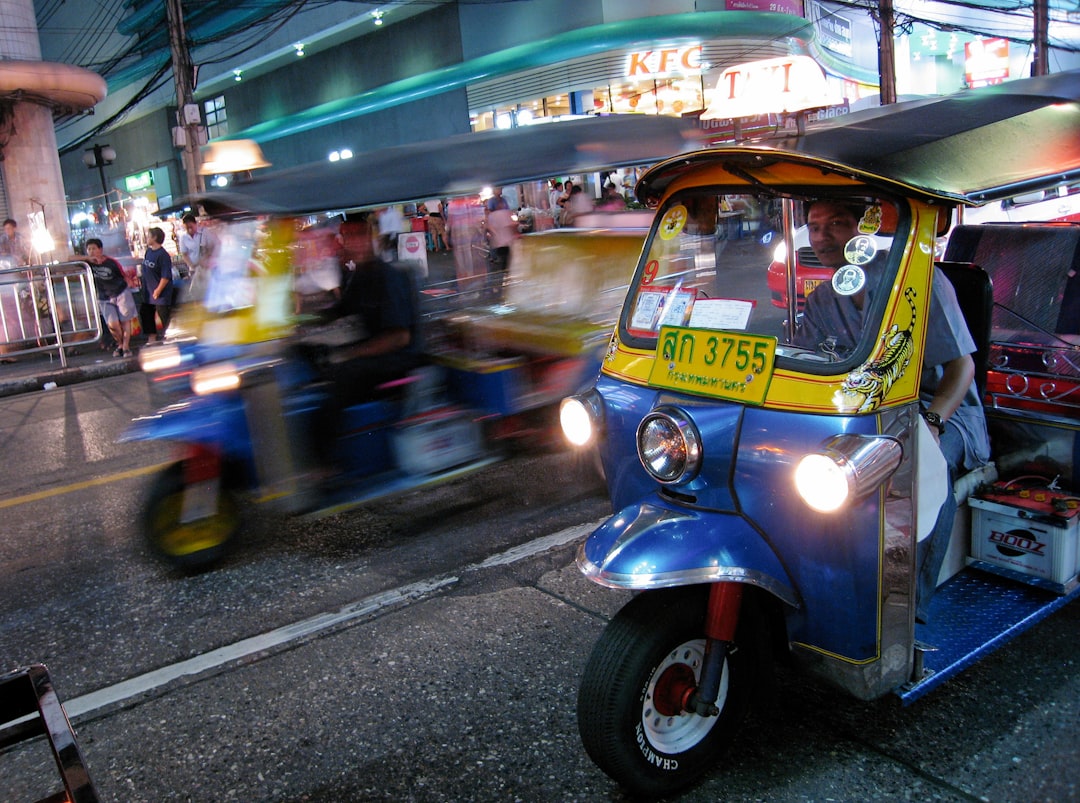
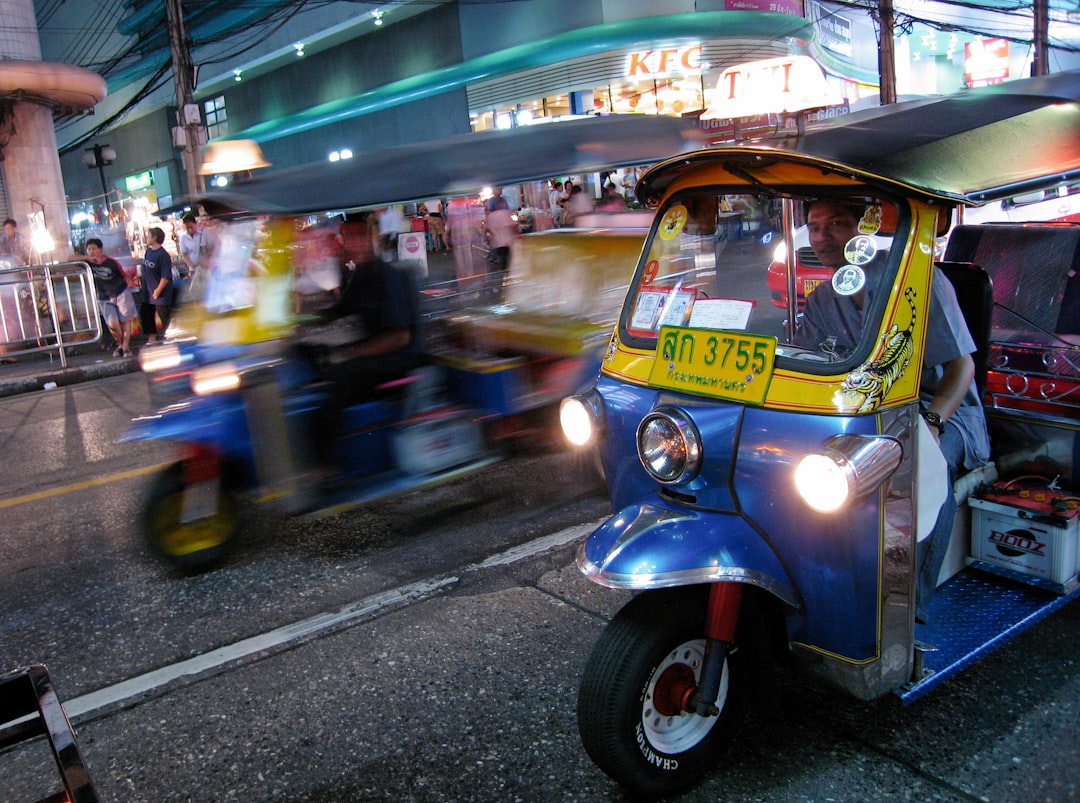
The AI Trip Planner 2026: Rivoluzione a Bangkok con l'Intelligenza Artificiale represents a broader shift in how travellers approach complex cities: the idea that sufficient data, properly processed, can eliminate the discomfort of not knowing where you are. This is partly true and partly a category error. Bangkok is a city where the friction is often the experience — the tuk-tuk driver who takes you somewhere you didn't ask for, the temple that is closed for a ceremony you weren't expecting, the neighbourhood that doesn't match any description you've read. These are not failures of planning. They are the city asserting its own logic. The better AI tools acknowledge this; the worse ones promise a Bangkok that has been sanded smooth, which is a Bangkok that doesn't exist. Approach any planning tool as a starting hypothesis rather than a confirmed itinerary.
Insider tip
Cross-reference AI-generated suggestions against recent posts in Bangkok expat forums — tools trained on older data often recommend restaurants that have closed or neighbourhoods that have changed character significantly.
5Travel Planning· 0.0 km
Comparing planning platforms: what the reviews don't say
The comparison market for travel planning apps has become its own minor industry. Secret World vs TripIt: la scelta migliore per Bangkok 2026 is one of several evaluations circulating among travellers trying to decide which tool to trust with their time. The honest answer is that no single platform has solved Bangkok, because Bangkok is not primarily a data problem. TripIt excels at consolidating bookings and managing logistics across multiple legs of a trip; newer AI-native tools attempt to generate discovery, which is a harder problem. For Bangkok specifically, the city's informal economy — the street food, the neighbourhood markets, the river ferry system — is consistently underrepresented in any platform that relies on formal business listings. The best planning stack for Bangkok is probably a combination: a logistics tool for the fixed elements, and a willingness to ask locals for everything else.
Insider tip
The Tourism Authority of Thailand's own app is underrated for real-time event listings, particularly for temple festivals and neighbourhood markets that don't appear on international platforms.
6Travel Planning· 0.0 km
Practical tools for navigating Bangkok in 2026
Viaggio a Bangkok: Consigli e Strumenti AI per il 2026 addresses something genuinely useful: the gap between arriving in Bangkok and understanding how the city actually moves. The BTS Skytrain and MRT cover the central districts efficiently, but they leave out entire swaths of the city — the Thonburi side of the river, the old town around Rattanakosin, the eastern suburbs where much of Bangkok's actual residential life happens. Motorcycle taxis, river ferries, and the orange-flag Chao Phraya Express boats are the connective tissue that any serious Bangkok itinerary needs to incorporate. AI tools that integrate real-time transit data are useful here; the ones that default to taxi recommendations for every journey are telling you something about their assumptions. Bangkok's traffic is not a minor inconvenience — it is a structural feature of the city that shapes where you can realistically go and when.
Insider tip
Download the Grab app before you arrive, but also learn the river ferry routes — the Chao Phraya Express between Sathorn Pier and Phra Athit Pier covers the most interesting stretch of the old city faster than any road-based option.
The AI Trip Planner 2026: Pianifica il tuo viaggio a Bangkok, like most planning tools, will direct you toward the street food stalls with the longest queues and the most Instagram documentation. These are not necessarily the worst stalls — popularity in Bangkok often reflects genuine quality — but they are also the stalls that have adapted to foreign palates in ways that are sometimes imperceptible and sometimes not. The more interesting exercise is to eat at the stalls where no one is photographing the food, where the menu is in Thai only, and where the cook does not look up when you approach. You will occasionally order something you don't enjoy. This is fine. Bangkok's street food culture is not a performance for visitors; it is a functional part of how the city feeds itself, and eating within it rather than adjacent to it is a different experience entirely. The Yaowarat Road area after nine in the evening, when the tourist coaches have left, is a reasonable starting point.
Insider tip
If a stall has a handwritten sign rather than a printed one, it is almost always a better sign — it suggests a menu that changes with the market rather than one that has been fixed for foreign consumption.
The Trip Planner AI Recensione: Secret World a Bangkok 2026 category of tools tends to cluster recommendations around the same central districts, which means the Ari neighbourhood — about seven kilometres north of the old city on the BTS Sukhumvit line — appears on fewer itineraries than it deserves. Ari is where a significant portion of Bangkok's professional class lives and eats, and its coffee shop culture reflects this: serious espresso, good pastry, and a pace of life that is entirely unlike the tourist districts. The neighbourhood also has a Saturday market that operates in the car park of a community centre and sells produce, prepared food, and the kind of small-batch Thai condiments that don't appear in airport shops. It is not a dramatic destination. It is the kind of place that makes you understand why people choose to live in Bangkok rather than simply visit it.
Insider tip
Ari is best approached from Ari BTS station on a Saturday morning. The market runs roughly from seven until noon; the coffee shops fill up after ten.
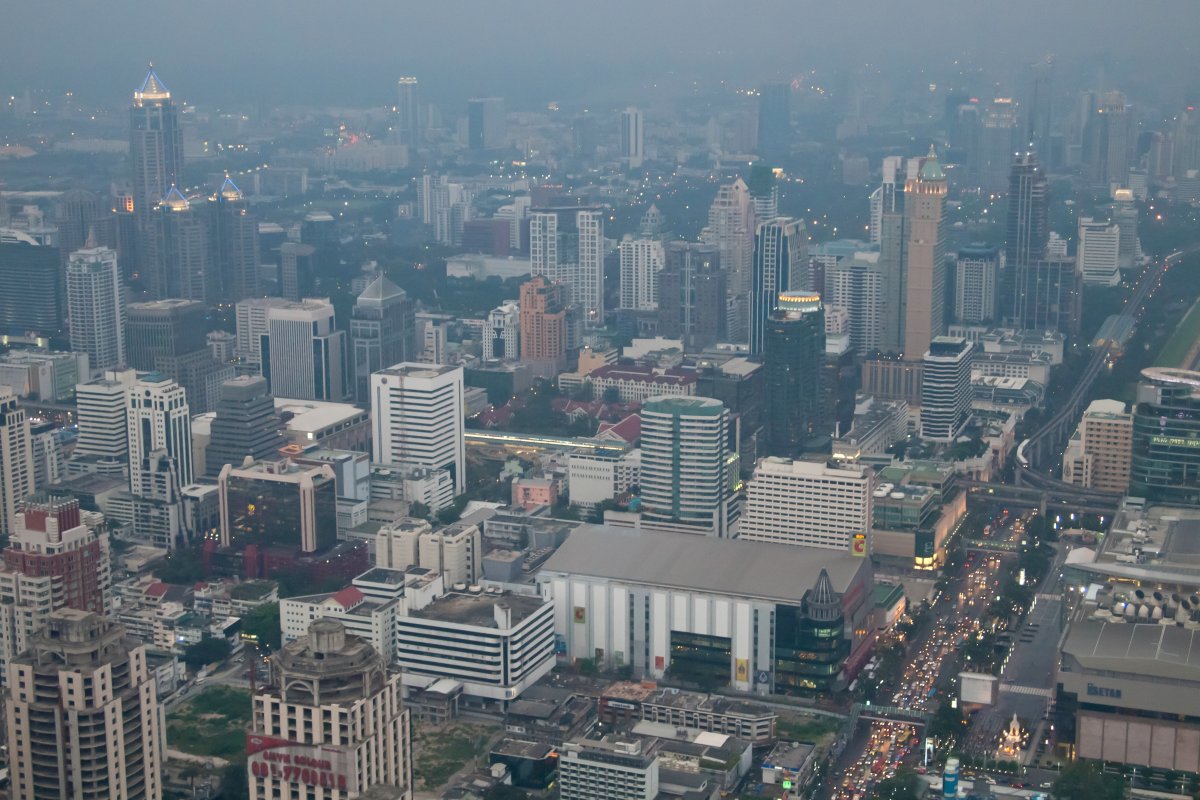
Bangkok is a city that has been declared finished — over-touristed, over-built, over-explained — at regular intervals for at least thirty years, and it has consistently refused to comply with the verdict. Part of this is scale: eleven million people generate enough daily life to absorb any amount of tourist infrastructure without becoming defined by it. Part of it is something harder to name, a quality of improvisation and self-renewal that means the city you visited two years ago is not quite the city you will find today.
What I have learned, after more visits than I can accurately count, is that Bangkok rewards a particular kind of attention — not the focused attention of the checklist traveller, but the peripheral attention of someone who has decided to be somewhere rather than to see it. The city's best moments tend to arrive sideways: in the gap between destinations, in the conversation you didn't plan to have, in the neighbourhood you walked through because the taxi was stuck.
The ten entries in this list are not the ten best things in Bangkok. They are ten things that have, at various points, made me feel that the city was worth the effort of understanding — which is a different claim, and a more honest one. Bangkok will disappoint you in specific ways and reward you in ways you won't be able to predict. This seems, on reflection, like a reasonable basis for a relationship with a city.
🏆 Pocket guide
Take this guide with you.
Save it offline, get walking directions, and discover thousands more places like the ones you just read.
The period from November through February is the most comfortable in terms of temperature and humidity — days are warm rather than brutal, and the rain is infrequent. March through May is hot in a way that requires genuine acclimatisation; June through October brings the monsoon, which means afternoon downpours that are heavy but usually brief. The monsoon months are also when Bangkok is least crowded with foreign visitors, which has its own advantages. Avoid the Songkran period in mid-April if you dislike being soaked by strangers, or embrace it if you don't.
How do you get around Bangkok without spending the entire day in traffic?
The BTS Skytrain and MRT are the only reliable ways to move across the city during daytime hours. Between them, they cover most of the areas a visitor is likely to want to reach. For the old city and the river, the Chao Phraya Express boats are faster than any road option. Motorcycle taxis — the men in numbered vests at the end of every soi — are useful for short distances and navigating the small lanes that cars cannot enter. Taxis are fine for airport runs and late-night journeys when traffic has thinned. Tuk-tuks are primarily a tourist experience and are almost never the most efficient option.
Is Bangkok safe for solo travellers?
Bangkok is, by most measures, a physically safe city for solo travellers of any background. Violent crime against tourists is rare. The risks that do exist are mostly financial: tuk-tuk drivers who take you to gem shops on commission, 'friendly strangers' who appear near major temples and offer to show you around (the tour ends at a tailor or a jeweller), and taxi drivers who run meters that are improbably fast. None of these are dangerous; they are simply expensive if you are not paying attention. The standard advice — agree on taxi fares in advance or insist on the meter, decline unsolicited guidance near tourist sites — covers most situations.
Do I need to speak Thai to get around Bangkok?
English is functional in most tourist areas, hotels, and restaurants that see regular foreign visitors. Outside those contexts — in residential neighbourhoods, at local markets, in smaller shops — it is less reliable, and a few words of Thai make a disproportionate difference to how interactions go. Learning to read Thai numbers is useful for menus and price tags. The Grab app eliminates most transport communication problems by allowing you to enter destinations in English. In genuinely local contexts, pointing, smiling, and a willingness to look slightly lost tend to produce results.
How many days do you actually need in Bangkok?
Three days is enough to see the major historic sites and eat well. Five days is enough to begin to understand the city's geography and develop some preferences. A week is when Bangkok starts to feel like somewhere you inhabit rather than somewhere you are visiting. The city has a way of expanding to fill available time — there is no point at which you will feel you have seen enough, which is either a recommendation or a warning depending on your temperament. If you have only two days, skip the rooftop bars and spend the time on the river and in the old town.
🏆 Read this offline
Save it to your phone.
Bookmark this guide, plan your trip offline, and discover thousands of places like these.