Trip.Planner
En · Travel Guide
Travel Guide · 2026 Edition

10 Best Things to Do in Budapest, Hungary — beyond the obvious.

A city that rewards patience, punishes assumptions, and occasionally makes you miss your train home on purpose.

L
Words by
Lena Hofmann
Updated
28 April 2026
Read time
13 minutes
Includes
10 places · interactive map
10 Best Things to Do in Budapest, Hungary — beyond the obvious.
🏆 AI Trip Planner 2026

Plan smarter. Travel deeper.

1.3M+ curated places worldwide, offline maps, and AI-powered itineraries — all in one free app.

1.3M+ places Offline maps AI itineraries Free
Scan to download iOS / Android
Scan for AppGallery Huawei users
I arrived in Budapest for the first time in early November, which is either the worst or best time to visit depending on your tolerance for grey skies and the smell of chimney smoke threading through cobblestones still wet from the morning. I had a guidebook. I used it mostly as a coaster. The problem with Budapest is that it performs so readily — the thermal baths, the ruin bars, the parliament at dusk — that first-time visitors often leave having consumed the city's highlights reel without once touching its actual life. I was guilty of this. It took three more visits, and eventually a six-month sublease in District VII, to understand that Budapest is not a city of grand gestures so much as a city of accumulated weight. Centuries of occupation — Ottoman, Habsburg, Soviet — have left something in the architecture and in the people: a particular quality of endurance that never quite tips into cheerfulness. Budapestians are not unfriendly. They are simply not performing friendliness for your benefit, which is, in the end, more interesting. The Danube divides the city into Buda and Pest, a fact every visitor knows, but what takes longer to absorb is how differently those two banks think of themselves. Buda is older, hillier, quieter, and slightly smug about it. Pest is flat, commercial, louder, and does most of the actual living. Between them, a handful of bridges carry the daily negotiation. What follows is not a list of the city's most famous attractions — though some appear here, because pretending they don't exist would be its own kind of dishonesty — but a set of instructions for looking at them, and at the less-visited places alongside them, with some measure of genuine attention.
1 Castle · 1.8 km

Buda Castle: Layers You Can Actually Read
Buda Castle: Layers You Can Actually Read
The Buda Castle is a UNESCO World Heritage Site, and its biography is considerably more complicated than its current neo-Baroque skin suggests. Construction first began in the 13th century, and the building has been rebuilt, bombed, occupied, and rebuilt again so many times that what you see today is less a castle than a palimpsest — each era's ambitions legible in the stonework if you know where to look. The Habsburgs gave it its present silhouette in the nineteenth century; Soviet shelling in 1945 nearly erased it; post-war reconstruction gave it back something approximating grandeur, though architectural historians still argue about the fidelity of that process.

Most visitors walk the terrace, photograph the view, and leave. Spend longer. The castle district's cobbled lanes thin out quickly once you move away from the main tourist axis, and the silence there — in the middle of a capital city — is worth the climb alone.
Insider tip The Hungarian National Gallery inside the castle is chronically undervisited and houses a serious collection of nineteenth-century Hungarian painting. Skip the crowds at the main entrance and enter from the garden side.
2 Bridge · 0.3 km

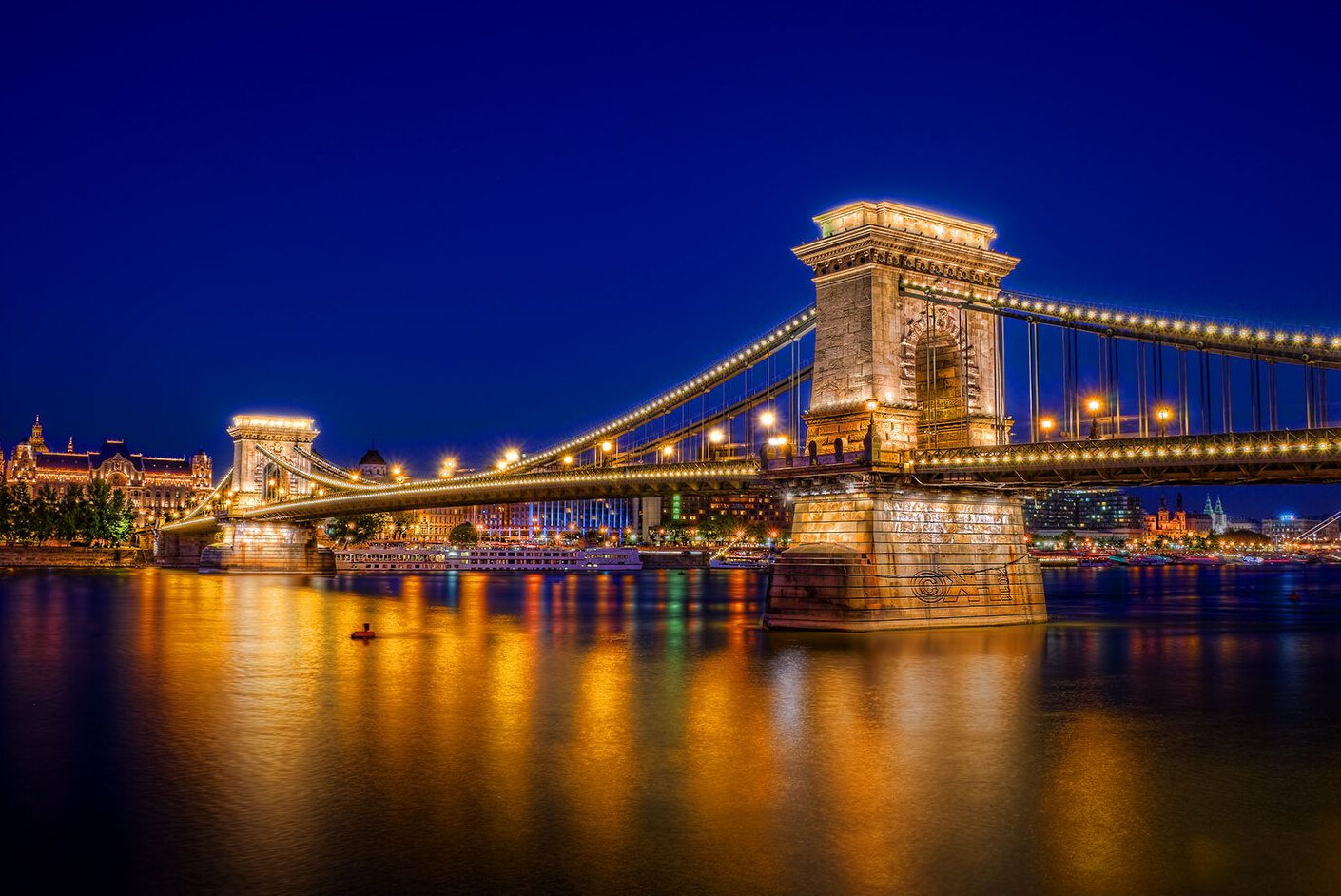
The Széchenyi Chain Bridge: An Engineering Argument Across the Water
The Széchenyi Chain Bridge: An Engineering Argument Across the Water
The Széchenyi Chain Bridge is a suspension bridge spanning the River Danube between Buda and Pest — the western and eastern halves of Budapest — and it is one of those structures that earns its fame honestly. Designed by the English engineer William Tierney Clark and completed in 1849, it was among the first permanent bridges to connect the two cities, which until then had been functionally separate towns. The iron chains from which the road-bed hangs are held by two 48-metre river piers in classicist style — hence the name Chain Bridge — and the engineering logic is visible and satisfying in a way that later, more technically sophisticated bridges rarely are.

It was blown up by retreating German forces in 1945 and rebuilt by 1949. The reconstruction is the bridge you walk today, which gives it a doubled history: a monument to connection and to destruction in the same span of iron.
Insider tip Walk it at around six in the morning in summer. The light is horizontal, the traffic is thin, and you can actually stop in the middle without being photographed by someone else's camera.
3 Memorial · 0.8 km

The Shoes on the Danube Bank: A Memorial That Does Not Comfort

The Shoes on the Danube Bank: A Memorial That Does Not Comfort
The Shoes on the Danube Bank is a memorial on the east bank of the Danube, conceived by film director Can Togay and realised with sculptor Gyula Pauer. It honours the Jews who were shot into the river by Arrow Cross militiamen during the winter of 1944–45. Victims were ordered to remove their shoes before being killed — shoes being valuable — and the memorial represents this in sixty pairs of period-appropriate iron footwear bolted to the embankment at the water's edge.

It is, by some distance, the most affecting public artwork in Budapest, partly because it refuses consolation. There is no grand plinth, no allegorical figure, no inscription that resolves the horror into something manageable. Just shoes, at the river's level, where the water sometimes rises to cover them. Many visitors walk past without understanding what they are looking at. That gap — between the ordinary object and what it represents — is precisely the memorial's point.
Insider tip Visit in the evening, when the embankment lights are low and the tourist foot traffic has moved on. The memorial reads very differently in near-darkness.
4 Church · 1.1 km

St Stephen's Basilica: Geometry and Quiet
St Stephen's Basilica: Geometry and Quiet
Along with the Hungarian Parliament Building, St Stephen's Basilica claims the title of tallest building in Budapest, standing at 96 metres — a deliberate parity that says something about how nineteenth-century Hungary conceived of the relationship between church and state. Construction was completed in 1905, after a famously troubled building process that included the partial collapse of the dome in 1868. The rebuilt dome is the one you see today, and it rewards looking at slowly from the inside, where the scale becomes properly comprehensible.

The basilica is a functioning church, which means that on weekday mornings you can sit in the nave during Mass with a congregation of actual Budapestians rather than tourists, and the building feels entirely different — purposeful rather than decorative. The reliquary containing what is claimed to be the mummified right hand of St Stephen himself is displayed in a side chapel and is, depending on your priors, either moving or macabre.
Insider tip The rooftop panorama terrace is accessed by lift and is far less crowded than the parliament viewpoint. The geometry of Pest's grid from above is genuinely instructive.
5 Museum · 1.1 km

The Dome Hall and the Hungarian Crown Jewels: A Room That Takes Sovereignty Seriously
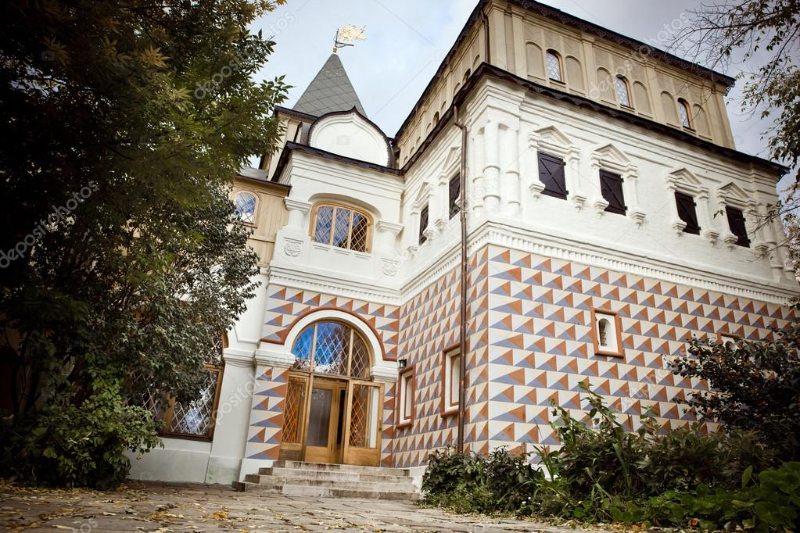
The Dome Hall and the Hungarian Crown Jewels: A Room That Takes Sovereignty Seriously
Inside the Hungarian Parliament Building, the Sala della Cupola — the Dome Hall — houses the Hungarian Crown Jewels, and the experience of visiting it is unlike most crown jewel exhibitions because the Hungarian state treats these objects not as historical curiosities but as active symbols of constitutional continuity. The Holy Crown of Hungary, whose origins are disputed but which has been central to Hungarian political legitimacy since the medieval period, sits under the dome with a guard of honour that is changed on the hour.

The building itself, completed in 1904, is the largest in Hungary and one of the largest parliamentary buildings in Europe. The guided tour is compulsory and moves at a pace set by the guide rather than by your own curiosity, which is a mild frustration. But the dome hall, when you finally reach it, has a quality of institutional solemnity that is not easily forgotten — the Hungarians, whatever their political disagreements, are serious about the idea of the state.
Insider tip Book tickets online well in advance, especially in summer. The queues at the door are long and the tours sell out. Non-EU visitors pay a higher entry fee.
6 Food Market · 2.3 km

Budapest's Great Market Hall: Go Early, Buy Less Than You Think You Need
Budapest's Great Market Hall: Go Early, Buy Less Than You Think You Need
Budapest's Great Market Hall, spread across three floors of a neo-Gothic iron-and-brick structure built in 1897, is the kind of market that travel writers have been praising for so long that it now attracts as many tourists as locals, particularly on the upper floor, where the souvenir stalls have colonised what were once food vendors. Go anyway, but go before nine in the morning. The ground floor — fresh fruit, vegetables, paprika in every gradation of heat and colour, salami, pickled everything — is still doing genuine commerce at that hour, with stallholders who have no particular interest in explaining their products to you.

The basement handles meat and fish. It is not picturesque. It is a working butcher's market with the attendant smells and sounds, and it is more interesting for that. The paprika you buy here will be better and cheaper than anything sold in a souvenir shop on Váci Street.
Insider tip The lángos stall on the upper floor is frequently cited and frequently has a queue. It is worth the queue. Order it with sour cream and cheese and eat it standing up.
7 Café · 0.3 km

The New York Café: An Argument for Excess
The New York Café: An Argument for Excess
Budapest and the famous old New York Café occupy a complicated relationship with one another. The café, which opened in 1894 inside the New York Palace on Erzsébet körút, is one of the most opulent interior spaces in Central Europe — gilded, frescoed, chandeliered to a degree that would be absurd if it weren't so thoroughly committed to its own logic. It has lived through many eras, political systems, and historical turning points, including a period under communism when it functioned as a sports equipment store, which is either a tragedy or a very good joke depending on your mood.

The coffee is expensive and the tourists are numerous and the waiters have the particular weariness of people who have explained the menu in six languages before noon. None of this is a reason not to go. Sit at the bar rather than a table, order an espresso, and look at the ceiling for ten minutes. The ceiling is the point.
Insider tip Avoid weekend brunch hours entirely. A Tuesday morning in October, when the tour groups are elsewhere, is a different experience altogether — closer to what the café might have felt like in its working life.
8 Park · 3.6 km

Városliget Park: The City at Rest

Városliget Park: The City at Rest
Városliget Park is the largest park in central Budapest, and it combines ponds, walking paths, a former sanatorium, a museum complex, playgrounds, and an amusement park in a way that feels slightly accidental — as if the city kept adding things to a field over several centuries and eventually called it a plan. The Széchenyi Thermal Bath sits at its edge. Vajdahunyad Castle, a late nineteenth-century architectural collage built originally as a temporary exhibition structure, occupies a small island in the park's lake.

In winter, the lake becomes an ice rink. In summer, it is rowboats and families and old men playing chess near the Anonymus statue, which depicts the unknown chronicler of early Hungarian history with his hood pulled low over a blank face — a detail that is either poetic or unsettling. The park is where Budapest goes to not be Budapest for an afternoon, and watching that process is more interesting than most formal attractions.
Insider tip The Museum of Fine Arts on the park's edge has a genuinely strong collection of Old Masters, largely inherited from the Habsburg period, and is visited at a fraction of the rate of comparable collections in Vienna or Prague.
9 Cemetery · 3.3 km

Kerepesi Cemetery: Where Budapest Keeps Its Dead and Its Ambitions
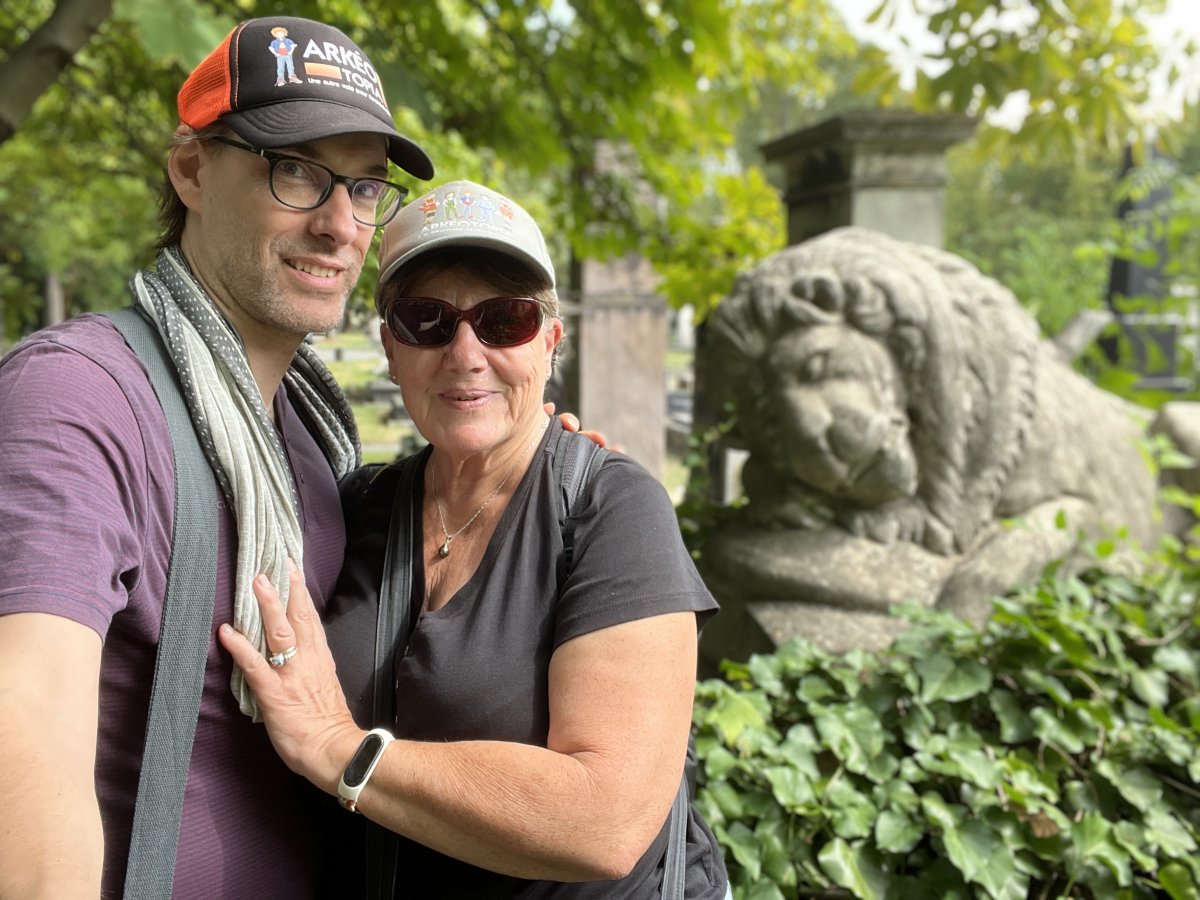
Kerepesi Cemetery: Where Budapest Keeps Its Dead and Its Ambitions
Founded in 1847, Kerepesi Cemetery is the kind of place that makes you wish you had brought a better map and more time. Its tree-lined avenues lead to Art Nouveau mausoleums that rise like small forgotten temples among the fallen leaves — structures built for politicians, poets, and industrialists who expected, perhaps reasonably, to be remembered longer than they have been. The communist-era section includes the elaborate Pantheon of the Working Class Movement, a monument to ideological certainty that now reads, in its abandonment, as a monument to something else entirely.

The cemetery is still in active use, which means you will occasionally share the paths with mourners, and this is not something to navigate around but to be respectful of. It is one of the few places in Budapest where the city's layered history — national, political, personal — is physically present in a single acre of ground.
Insider tip Pick up a map at the entrance gate. Without it, the cemetery's logic is genuinely hard to follow, and the most significant monuments are not always signposted in English.
10 Bridge · 0.2 km

The Széchenyi Chain Bridge at Night — The Same Bridge, a Different Argument
The Széchenyi Chain Bridge at Night — The Same Bridge, a Different Argument
Returning to the Széchenyi Chain Bridge after dark is not repetition — it is a different experience with the same infrastructure. The bridge is lit at night in a way that emphasises its structural logic: the chains, the piers, the precise geometry of load and tension made visible by light rather than by daylight. Standing at the Pest end and looking west toward Buda, with the castle illuminated on the hill and the river moving darkly below, you get a version of the city that is genuinely hard to access during the day when the traffic and the tour groups are doing their work.

This is also, it should be said, when the chain bridge lions — those much-photographed stone guardians at each end — are worth a second look. They have no tongues, a fact noted by a satirist at the time of the bridge's opening, and the sculptor allegedly died of shame. The story is probably apocryphal. But Budapest has always preferred a good story to a verifiable one.
Insider tip The bridge is also a useful orientation point after an evening in the ruin bars of District VII — it is walkable from most of the main nightlife streets and the walk along the Danube will clear your head reliably.
There is a particular moment that Budapest offers to visitors who stay long enough, and it has nothing to do with thermal baths or panoramic terraces. It happens when you find yourself doing something ordinary — buying bread, waiting for a tram, sitting in a courtyard that you found by accident — and you realise that the city has stopped performing for you. This is not a small thing. Most cities that attract the volume of tourism Budapest does have developed a kind of reflex hospitality, a surface calibrated to the visitor's expectations. Budapest has this surface, but it sits over something older and less accommodating, and the older layer is where the city actually lives.

The places in this list are not secrets — some of them are among the most visited sites in Central Europe. But there is a difference between seeing something and looking at it, and Budapest rewards the second activity disproportionately. The history here is not decorative. It is structural. It is in the bridges that were blown up and rebuilt, in the memorials that refuse consolation, in the cemeteries where ideological certainty has grown over with grass. A city that has been remade this many times, by this many different forces, carries its contradictions openly. That is not a flaw. It is, in the end, the most interesting thing about it.
🏆 Pocket guide

Take this guide with you.

Save it offline, get walking directions, and discover thousands more places like the ones you just read.

Save offline Smart routes Hidden gems
Scan to download iOS / Android
Scan for AppGallery Huawei users

All places, on a map

Map data © OpenStreetMap contributors.

Frequently asked questions

When is the best time to visit Budapest?

Spring (April–May) and early autumn (September–October) offer the most manageable conditions: mild temperatures, longer daylight hours, and crowds that are present but not overwhelming. July and August are hot, extremely busy, and expensive. November through February is cold and grey and considerably cheaper, with the added benefit that many of the city's indoor spaces — the baths, the cafés, the markets — feel more like themselves when they are not operating at tourist-season capacity.

Is Budapest expensive compared to other European capitals?

By Western European standards, Budapest remains relatively affordable, though the gap has narrowed noticeably over the past decade. Accommodation, local restaurants, and public transport are cheaper than in Vienna, Prague, or Berlin. Tourist-facing establishments — the New York Café, the thermal bath complexes, restaurants on the Váci Street corridor — charge prices that reflect their clientele rather than the local economy. Eating and drinking where Budapestians actually eat and drink remains good value.

How do I get between Buda and Pest?

Several bridges connect the two sides, and the Széchenyi Chain Bridge is the most central. The metro, tram, and bus networks cross the river at multiple points. Tram line 2, which runs along the Pest embankment, offers one of the more useful combinations of transport and river view. Taxis are available but use a metered, licensed service or a ride-hailing app — unmarked cabs at tourist sites have a documented history of overcharging.

Do I need to speak Hungarian?

No. English is widely spoken in hotels, restaurants, and tourist-facing businesses, and increasingly among younger Budapestians generally. That said, making a minimal effort with Hungarian — jó napot (good day), köszönöm (thank you) — is noticed and appreciated in a way that goes beyond politeness. Hungarian is not an Indo-European language and has no useful cognates with English, so expectations of fluency are zero, which means the bar for effort is correspondingly low.

Are the thermal baths worth it, and which one should I choose?

They are worth it, but they require some navigation. The Széchenyi baths in Városliget Park are the largest and most famous, and correspondingly the most crowded in summer. The Rudas baths on the Buda side are older (Ottoman-era), smaller, and architecturally more interesting, with a domed central pool that dates to the sixteenth century. The Gellért baths, inside a grand Art Nouveau hotel, are beautiful but expensive and heavily touristed. All of them operate on a ticket system with various options for pool access and private cabins — read the pricing structure before you arrive, as it is not always clearly explained at the entrance.

🏆 Read this offline

Save it to your phone.

Bookmark this guide, plan your trip offline, and discover thousands of places like these.

Bookmark Plan offline 60 languages
Scan to download iOS / Android
Scan for AppGallery Huawei users