Edinburgh is a city that rewards patience and punishes the itinerary. Its two distinct personalities — the medieval Old Town, all closes and compressed verticality, and the Georgian New Town, all symmetry and civic ambition — sit in permanent tension across the valley of Princes Street Gardens. The city has been written about so thoroughly, by writers far better than me, that it risks disappearing beneath its own mythology. Every second doorway in the Old Town has a plaque. Every pub claims a connection to someone significant. The literary and historical weight is real, but it can also become a kind of performance, a city wearing its own reputation as a costume.
What follows is not a list of the most famous things in Edinburgh, though some famous things appear, because pretending they don't exist would be its own kind of dishonesty. It is, rather, an attempt to describe what the city actually feels like when you slow down, eat something unassuming, and resist the urge to photograph everything before you have looked at it. I have been wrong about Edinburgh before. I expect I still am, in places.
At a glance
- The Royal Mile: read the architecture, not the gift shops
- The Real Mary King's Close: history without the sanitising
- St Giles' Cathedral: a building that has been arguing with itself for centuries
- The Scott Monument: climb it if you are not prone to claustrophobia
- The Writers' Museum: a small room, three large reputations
- Scottish Porridge: the breakfast that actually makes sense here
- Greyfriars Bobby: the statue is a footnote; the kirkyard is the point
- The Queen Street Gardens: a private garden in plain sight
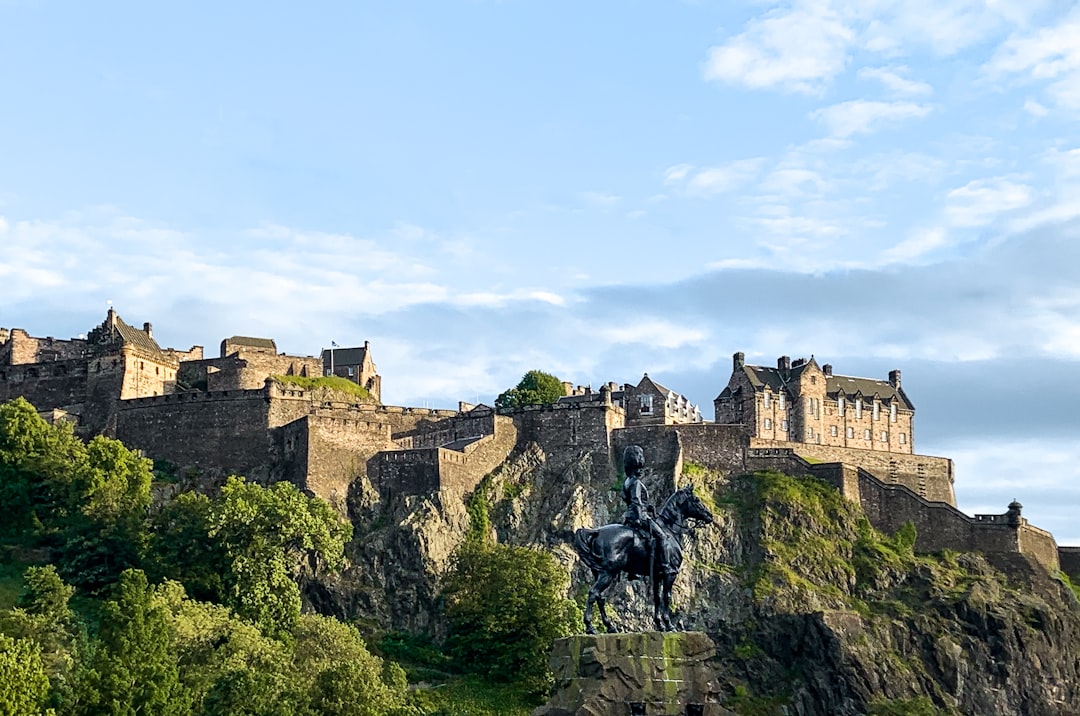
- Edinburgh Castle: go, but go with adjusted expectations
- Secret World App: planning Edinburgh in 2026 without losing your mind
The Royal Mile: read the architecture, not the gift shops
Il Royal Mile is the spine of the Old Town, running roughly a mile downhill from Edinburgh Castle to the Palace of Holyroodhouse, and it is simultaneously the most essential and most exhausting street in the city. The tourist infrastructure — the tartan shops, the whisky tastings aimed at people who have never tasted whisky, the restaurants with laminated photographs of haggis — is relentless, and it would be easy to conclude that the street has been entirely surrendered to commerce. That conclusion would be wrong.The architecture above the shopfronts tells a different story. The tenements here date from the sixteenth and seventeenth centuries and were, in their time, among the most densely inhabited vertical structures in Europe. People of radically different social classes lived stacked on top of one another, which produced a social intimacy — and a sanitary catastrophe — that shaped the city's character. Walk it early in the morning, before the tours begin, and the stone does most of the talking.
Insider tip
Turn into any of the closes — the narrow alleyways branching off the Mile — and within twenty metres the crowd noise drops entirely. Advocate's Close, on the north side, offers one of the most arresting views down to Princes Street you will find anywhere.
The Real Mary King's Close: history without the sanitising

What you are actually walking through is a vertical cross-section of Edinburgh's social history: the cramped conditions, the plague years, the economics of poverty that kept families in rooms the size of a large wardrobe. The guides vary considerably in quality; if yours seems more interested in jump-scares than in the 1645 plague outbreak, ask questions and redirect the conversation. The history responds.
Insider tip
Book the first tour slot of the morning. The close feels genuinely different when you are not shuffling through it as part of a large group, and the guides tend to be more expansive with a smaller audience.
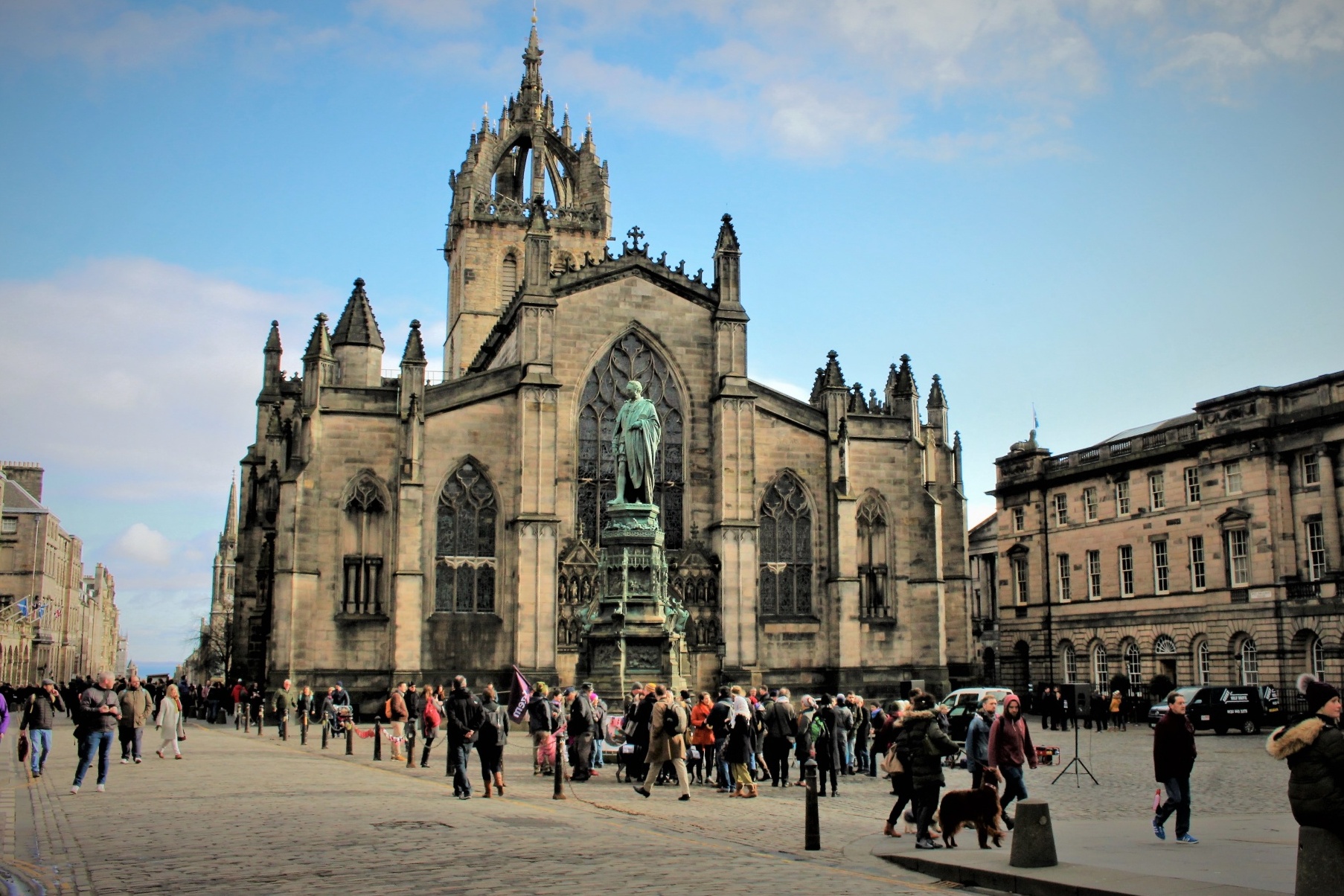
St Giles' Cathedral: a building that has been arguing with itself for centuries
Inside, the Thistle Chapel — added in 1911 and dedicated to Scotland's highest order of chivalry — is worth the detour alone. The carving is extraordinarily detailed, the space is tiny, and almost nobody lingers in it for long enough. The main nave is free to enter, though a donation is requested and, given the building's maintenance costs, genuinely warranted.
Insider tip
The cathedral hosts lunchtime recitals on selected weekdays. The acoustic is excellent and the audience is small. Check the cathedral's own schedule rather than third-party listings, which are often out of date.
The Scott Monument: climb it if you are not prone to claustrophobia

The interior staircase is genuinely narrow. The 287 steps rise through increasingly confined passages, and the views from the upper platforms are earned rather than given. Princes Street Gardens spread below you, the castle sits on its volcanic rock to the west, and the New Town's Georgian grid extends northward with a logic that the Old Town entirely refuses. The monument is not the most comfortable experience in Edinburgh. It is one of the more honest ones.
Insider tip
There is a small museum at the base with rotating exhibitions related to Scott's life and work. It is often overlooked by visitors focused on the climb, but it provides context that makes the monument itself more legible.
The Writers' Museum: a small room, three large reputations
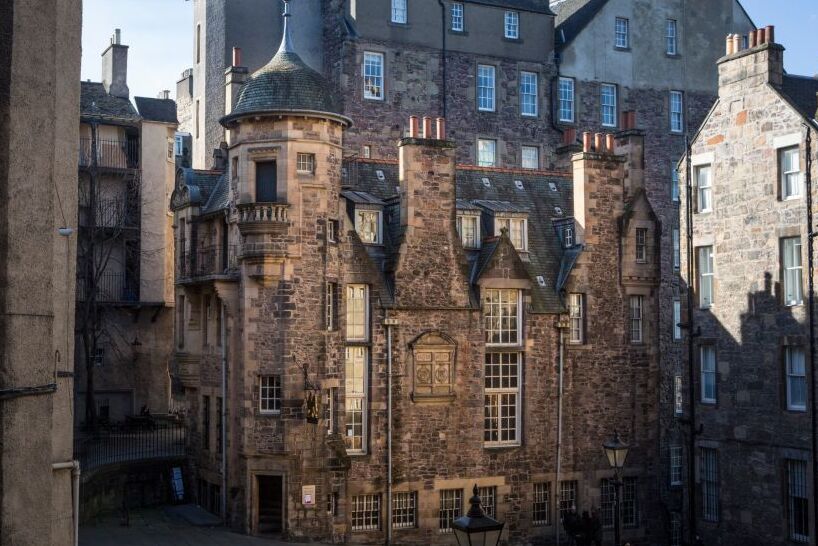
The building itself is worth attention: the turnpike stair, the low ceilings, the sense of compressed space that characterised Edinburgh's domestic architecture for centuries. The museum was donated to the city of Edinburgh and remains free to enter, which in a city that charges for almost everything historical feels like a minor act of civic generosity.
Insider tip
The close outside the museum, Lady Stair's Close, has flagstones inscribed with quotations from Scottish writers. It is easy to walk past without noticing. Don't.
Scottish Porridge: the breakfast that actually makes sense here
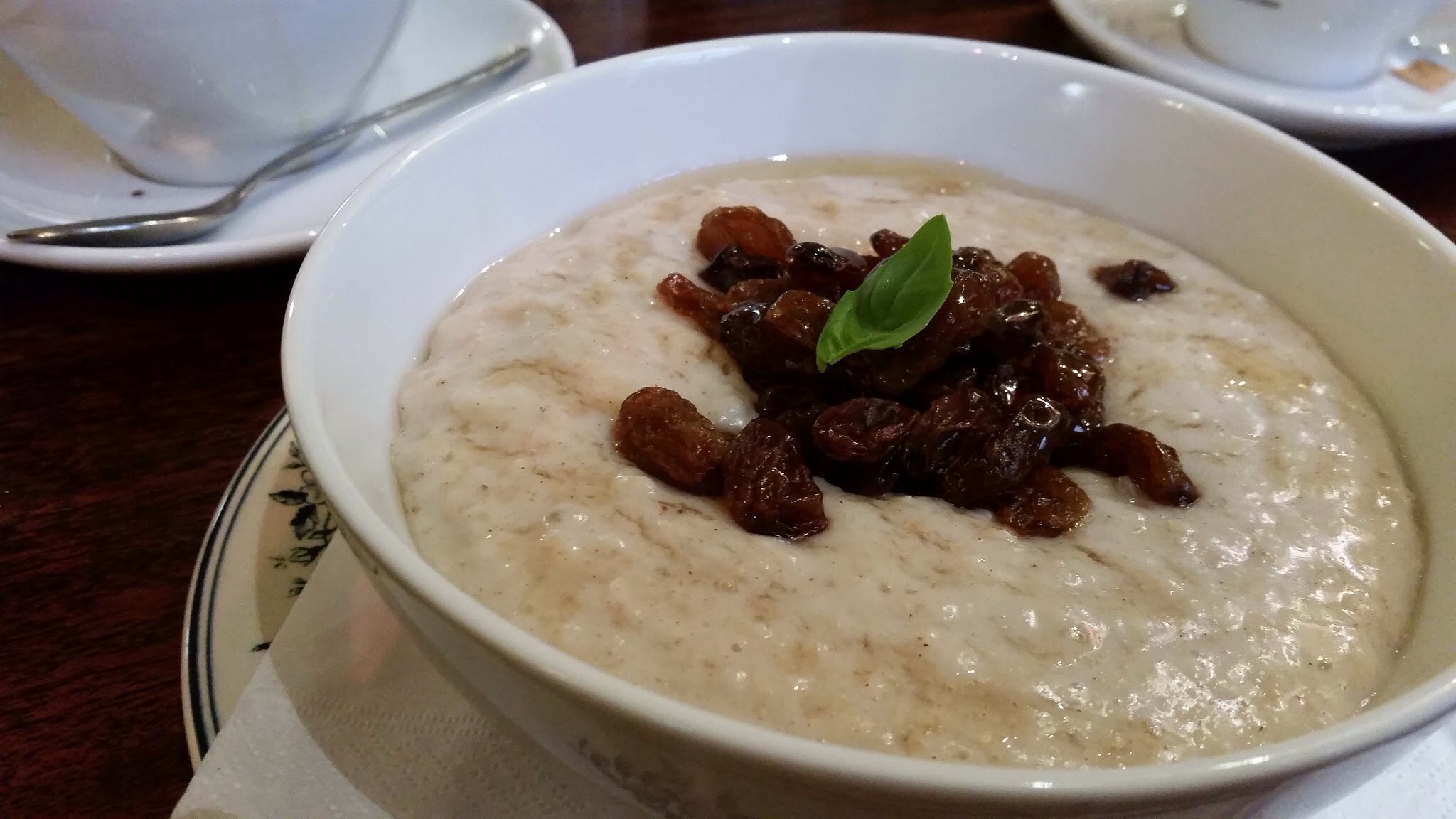
The best versions are found in small cafés rather than hotel breakfast rooms, where the oats are often overcooked and the portion is designed for someone who has never actually been hungry. Ask whether the porridge is made with water or milk, whether it is salted, and whether it is steel-cut or rolled oats. The answers will tell you whether the kitchen takes it seriously.
Insider tip
Some cafés in Edinburgh still serve porridge the traditional way — with a separate small bowl of cold cream for dipping each spoonful. If you are offered this, accept. It is not a tourist affectation; it is the correct method.
Greyfriars Bobby: the statue is a footnote; the kirkyard is the point

The statue is the least interesting thing in the immediate vicinity. Greyfriars Kirkyard behind it is one of the oldest burial grounds in Edinburgh, and it contains the graves of figures central to Scottish history, including several signatories of the National Covenant of 1638. Walk the kirkyard slowly.
Insider tip
The kirkyard is also adjacent to the Flodden Wall, part of Edinburgh's sixteenth-century city defences built after the Battle of Flodden in 1513. Most visitors walk past it without recognising what it is.
The Queen Street Gardens: a private garden in plain sight
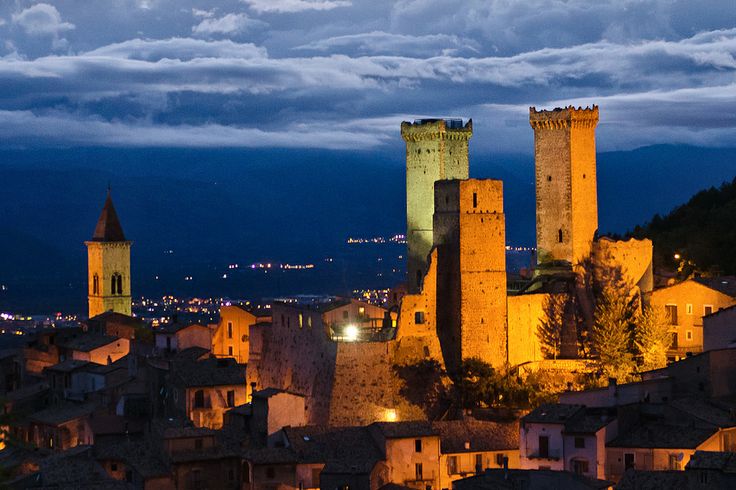
The point is not to get inside — though some residents do occasionally host events that open the gates — but to use the garden as a way of understanding the New Town's original social logic. These streets were designed as a statement of Georgian civic order, and the locked garden is part of that statement. It is Edinburgh being Edinburgh: beautiful, slightly exclusive, and entirely unapologetic about it.
Insider tip
The view back toward the Old Town from the north side of Queen Street, with the castle visible above the roofline, is one of the better urban panoramas in the city and requires no ticket, no queue, and no planning.
Edinburgh Castle: go, but go with adjusted expectations

The problem is the experience around them. In high summer, the queues are long, the audio guide is uneven, and the esplanade is a wind tunnel. The castle rewards visitors who have read something about Scottish history before arriving, because the site itself does not always do the contextual work for you. Go in October if you can. Go early. And ignore the overpriced café entirely.
Insider tip
The One O'Clock Gun, fired from the castle every day except Sunday since 1861, is audible across much of central Edinburgh. If you are in the city at 1pm, simply stop and listen — it is a more affecting experience than watching it from within the castle walls.
Secret World App: planning Edinburgh in 2026 without losing your mind
The app's value is not in replacing local knowledge but in providing a structural scaffold that locals take for granted and first-time visitors often lack. Whether it fully delivers on that promise depends on how much information you are willing to feed it at the outset. Like most tools of this kind, it performs in proportion to the quality of the questions you ask it.
Insider tip
Use any planning tool as a starting point rather than a fixed itinerary. Edinburgh has a way of rerouting you — a sudden clear sky over Arthur's Seat, a bookshop you didn't know existed — and the best days in the city are usually the ones that deviated from the plan.
There is a particular quality to Edinburgh in the late afternoon in autumn, when the light comes in low from the west and turns the sandstone of the New Town a colour that has no precise name. The castle sits above everything, as it always does, indifferent to the foot traffic below. The city has been performing its own history for so long that it is sometimes difficult to locate the thing underneath the performance — the actual city, the one where people buy groceries and argue about parking and go to work.
But it is there. It is in the porridge cafés that don't have Instagram accounts. It is in the kirkyard on a Tuesday morning when the tour groups haven't arrived yet. It is in the New Town's locked gardens and the Old Town's closes and the view from the top of the Scott Monument when the wind is coming in hard enough to make you grip the railing.
Edinburgh is a city that has been written about by better writers than most cities deserve. The risk of that inheritance is that you arrive expecting the literary version and miss the actual one. The actual one is colder, funnier, more contradictory, and considerably more interesting. It takes a few visits to find it. That, in the end, is the best reason to come back.
But it is there. It is in the porridge cafés that don't have Instagram accounts. It is in the kirkyard on a Tuesday morning when the tour groups haven't arrived yet. It is in the New Town's locked gardens and the Old Town's closes and the view from the top of the Scott Monument when the wind is coming in hard enough to make you grip the railing.
Edinburgh is a city that has been written about by better writers than most cities deserve. The risk of that inheritance is that you arrive expecting the literary version and miss the actual one. The actual one is colder, funnier, more contradictory, and considerably more interesting. It takes a few visits to find it. That, in the end, is the best reason to come back.