Kyoto is not a city that yields to efficiency. It has 1,600 Buddhist temples, 400 Shinto shrines, and a public bus network whose logic was apparently designed to humble the overconfident traveller. It is also a city where the most interesting hour you will spend is rarely the one you planned — it is the one that happens when you miss a turn and end up in a residential lane in Nishiki or sit down uninvited at a counter in a machiya that turns out to serve the best tofu you have ever eaten.
The entries that follow are not a rejection of Kyoto's famous sites. Nijo Castle is genuinely worth your time. The Philosopher's Path in late March is not a cliché so much as a fact of nature. But each entry here tries to offer something the guidebook version leaves out: the friction, the context, the detail that turns a visit into a memory. Kyoto is a city that has been performing itself for tourists since the Meiji era. The trick is to watch the performance closely enough that you start to see what's behind it.
At a glance
- Scopri il Distretto di Gion: il Cuore Culturale di Kyoto
- Esplorando il Castello Nijo di Kyoto: Storia e Bellezza
- Scopri il Nishiki Market di Kyoto: un viaggio nei sapori giapponesi
- Scopri il Mercato Nishiki di Kyoto: Un Viaggio nei Sapori Giapponesi
- Scopri il Sentiero dei Filosofi a Kyoto: Un Viaggio nella Natura
- Itinerario Perfetto Kyoto: Pianifica con Secret World
- Wanderlog recensione 2026: funziona a Kyoto? Il nostro test
- Wanderlog recensione 2026: il nostro test a Kyoto
- Le migliori alternative a Wanderlog per Kyoto 2026
- Secret World vs Wanderlog: il miglior trip planner per Kyoto
Scopri il Distretto di Gion: il Cuore Culturale di Kyoto
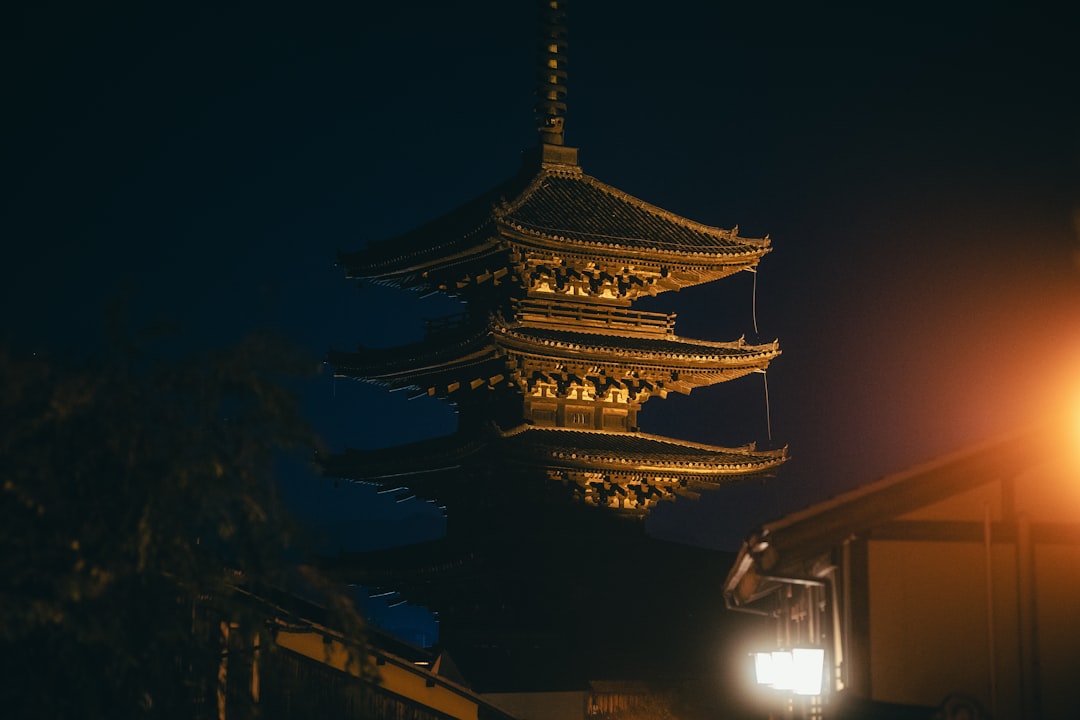
The district's ochaya — the teahouses where geiko and maiko have entertained guests for centuries — are largely closed to walk-in visitors, and the ones that have opened their doors to tourism are not always the most authentic. What Gion rewards is slow walking on a weekday morning, before the tour buses arrive, when the only people on the street are residents carrying groceries and the occasional apprentice geiko in training clothes rather than full regalia. The neighbourhood east of Hanamikoji, around Shirakawa canal, is quieter and, if anything, more architecturally coherent.
Insider tip
The stretch of Shinbashi-dori along the Shirakawa canal is less photographed than Hanamikoji but arguably more representative of what Gion looked like before mass tourism reshaped its self-presentation. Go before 8 a.m.
Esplorando il Castello Nijo di Kyoto: Storia e Bellezza
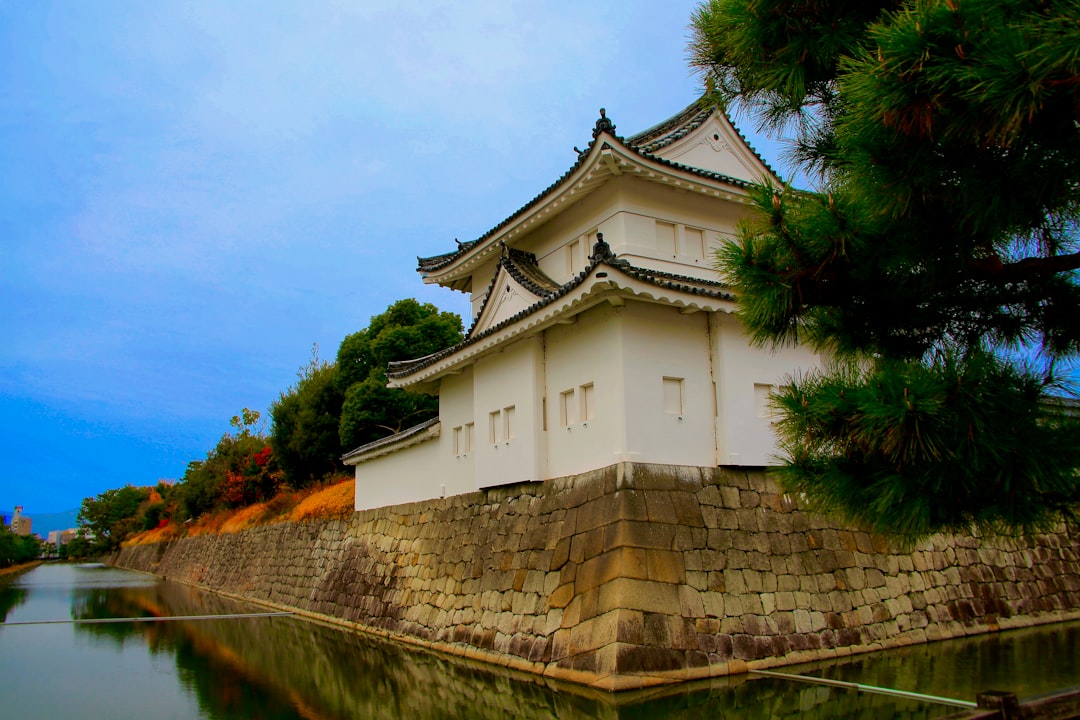
The castle grounds are large enough that the crowds, which are real and persistent in peak season, tend to disperse. The garden, designed in the early seventeenth century, is formal in the Chinese-influenced style and has a quality of deliberate stillness that the palace itself, full of tour groups with audio guides, does not. The moat is wide and green and entirely indifferent to the city pressing in around it.
Insider tip
Photography inside Ninomaru Palace is not permitted, which is quietly one of the best things about it — you are forced to look rather than frame.
Scopri il Nishiki Market di Kyoto: un viaggio nei sapori giapponesi
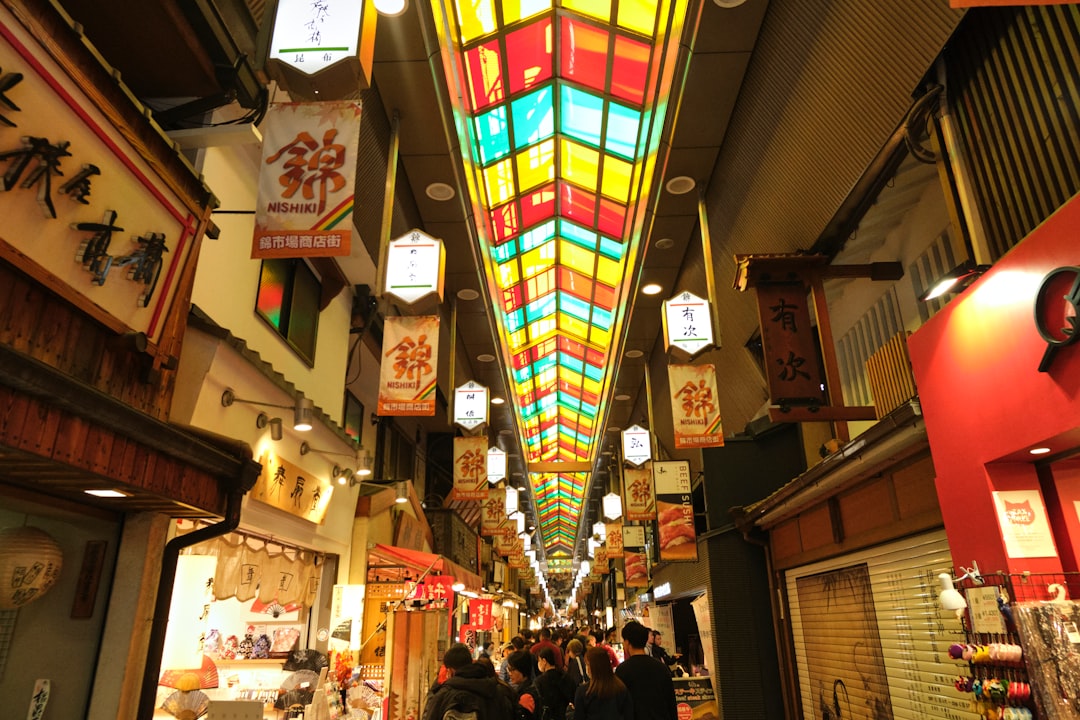
The market's nickname is 'Kyoto's kitchen,' which is accurate in the historical sense — it supplied the imperial court and the city's temples — and somewhat ironic in the contemporary one, given how much of it now caters to visitors rather than chefs. That said, the ingredient stalls toward the western end remain genuinely functional, and buying a piece of yudofu tofu or a small bag of sansho pepper from a vendor who has been selling the same product for thirty years is a different experience from the tourist-facing skewer counters near the Teramachi end.
Insider tip
Go at opening time, around 9 a.m., when the produce stalls are restocking and the crowd is a fraction of what it will be by noon. The pickled vegetable shops near the western entrance are worth the trip alone.
Scopri il Mercato Nishiki di Kyoto: Un Viaggio nei Sapori Giapponesi
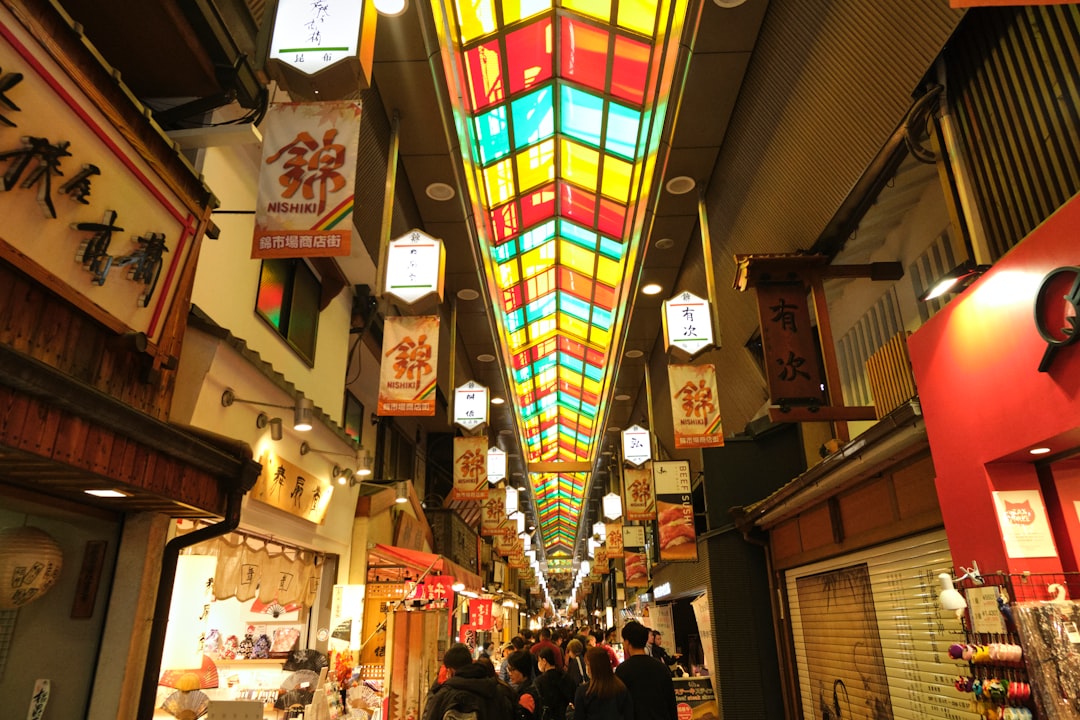
If you are interested in cooking, the market is also a useful primer in the ingredients that define Kyoto's culinary identity: Kamo eggplant, Kujo green onions, Shishigatani pumpkin — varieties cultivated in the surrounding basin for generations and rarely seen outside the prefecture.
Insider tip
Several stalls will let you taste before you buy, particularly the pickle vendors. This is not considered rude; it is considered normal commerce.
Scopri il Sentiero dei Filosofi a Kyoto: Un Viaggio nella Natura
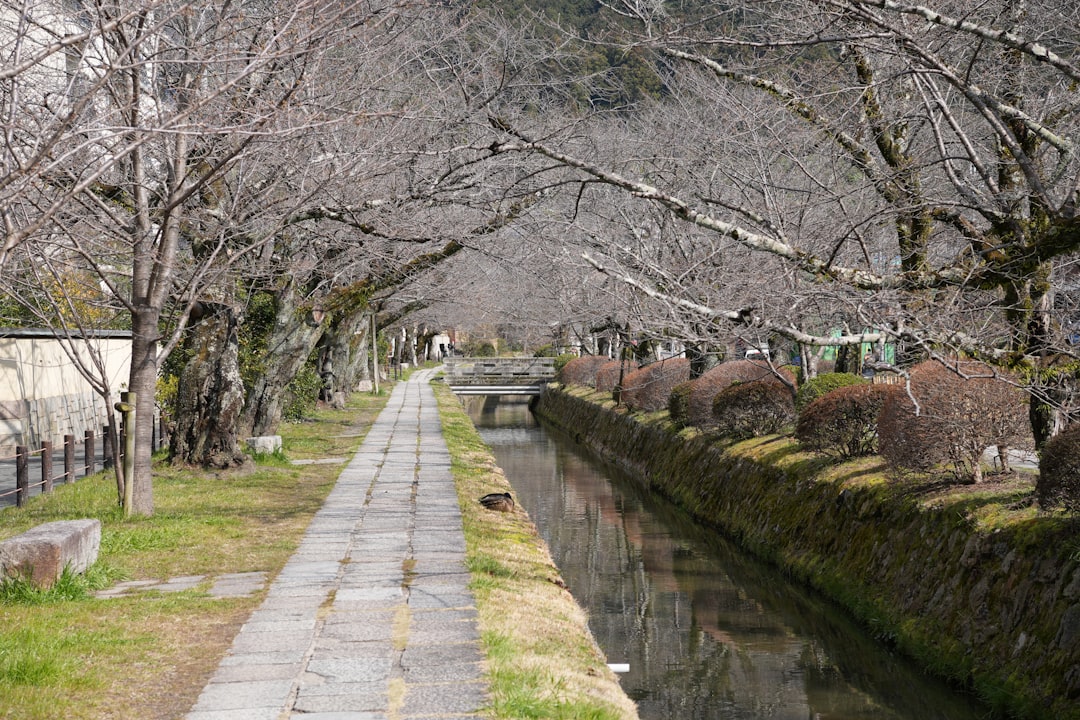
What the path offers outside cherry blossom season is something quieter and, in some ways, more interesting: a sequence of small temples, private gardens visible over stone walls, and the particular quality of light that the Higashiyama hills produce in the late afternoon, when the sun drops behind the mountains to the west and the canal water goes from brown to silver. Walk it south to north, ending at Ginkakuji rather than starting there, and you avoid the worst of the temple crowds.
Insider tip
The small temple of Otoyo Jinja, roughly midway along the path, has a pair of stone fox statues that have been adopted by local cat colonies. It is almost always empty of tourists and almost always occupied by cats.
Itinerario Perfetto Kyoto: Pianifica con Secret World

The more useful approach is to organise days by district rather than by site: spend an entire day in the northern Higashiyama corridor, another in Arashiyama, another in the area around Nijo and Nishiki. This is not a thrilling insight, but it is the one that most first-time visitors resist because they want to see everything and end up genuinely seeing very little. Kyoto's gardens in particular — Ryoanji, Kokedera, the garden at Shisendo — require stillness to register, and stillness is the first casualty of an over-scheduled day.
Insider tip
Kokedera, the moss garden in Saihoji, requires advance written application and a modest donation. The friction of the process keeps the crowds low and the atmosphere intact. It is worth the bureaucratic effort.
Wanderlog recensione 2026: funziona a Kyoto? Il nostro test

Any planning tool you use for Kyoto, whether an app or a printed map, should be treated as a starting point rather than a schedule. Build in buffer time between sites. Accept that you will miss at least one thing on your list. The city's resistance to optimisation is not a flaw in the infrastructure; it is, in a sense, a feature — it forces a kind of presence that over-planned travel tends to eliminate.
Insider tip
IC cards (Suica or ICOCA) work on Kyoto's buses and are significantly faster to use than buying individual tickets. Load one before you arrive.
Wanderlog recensione 2026: il nostro test a Kyoto
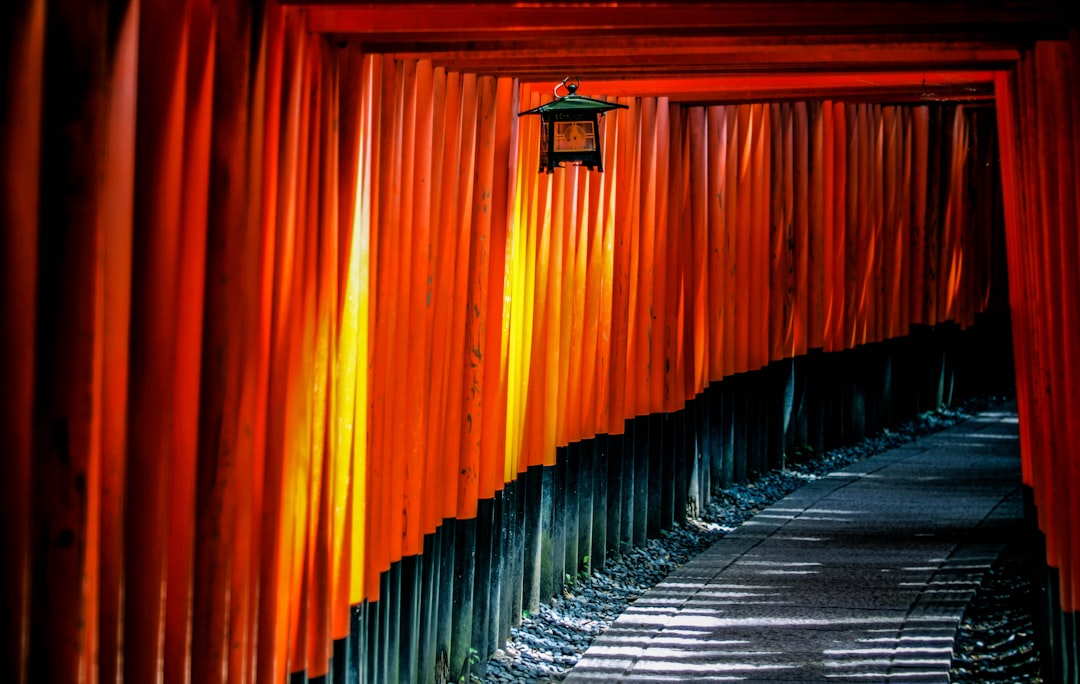
The most valuable planning resource for Kyoto remains, somewhat unfashionably, other people who have been there recently — not for recommendations of what to see, but for the granular operational knowledge that only comes from having navigated the bus system in the rain or discovered that a particular temple closes for a private ceremony on a specific Thursday.
Insider tip
Kyoto's temples frequently close sections for private events — tea ceremonies, memorial services, seasonal rituals — without updating their online listings. Call ahead for any site you consider essential.
Le migliori alternative a Wanderlog per Kyoto 2026
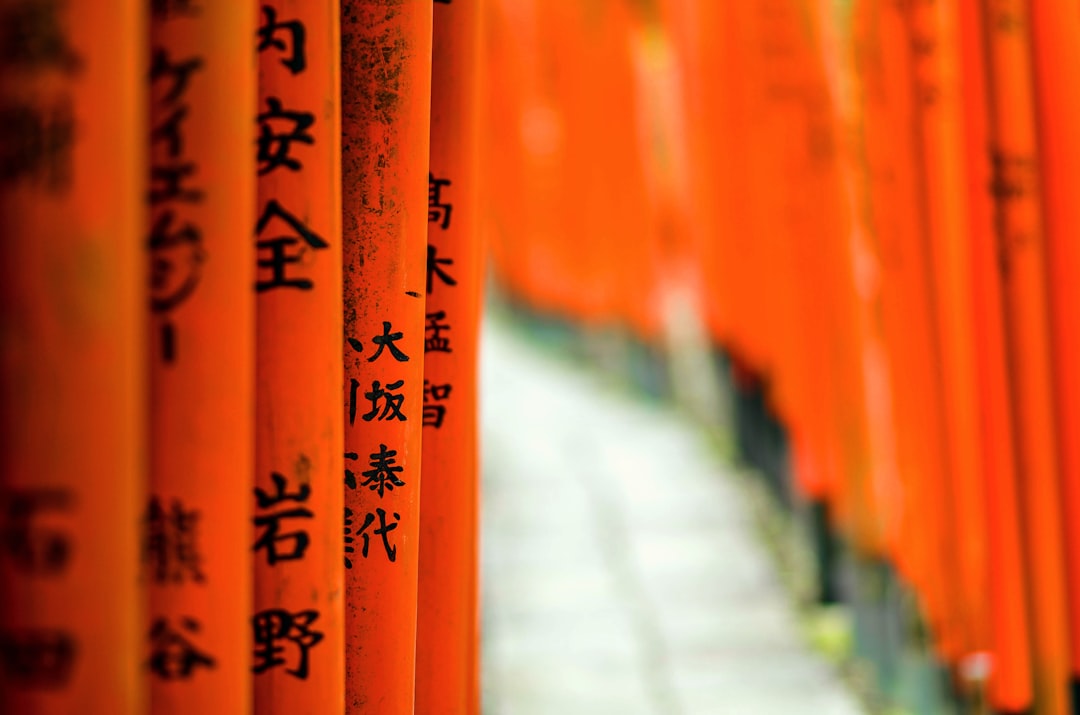
The alternative — and this applies regardless of which platform you use — is to plan around a smaller number of sites and allow the space between them to generate its own itinerary. Kyoto's residential neighbourhoods, the machiya-lined streets of Nishijin, the canal district of Fushimi, the ceramics quarter around Gojo-zaka, are not destinations in the way that temples are destinations, but they are where the city's texture becomes legible. No app will send you there unprompted.
Insider tip
The Nishijin district in the northwest of the city, historically the centre of Kyoto's silk-weaving industry, has almost no tourist infrastructure and almost all of its original urban fabric intact. It is worth an unscheduled afternoon.
Secret World vs Wanderlog: il miglior trip planner per Kyoto
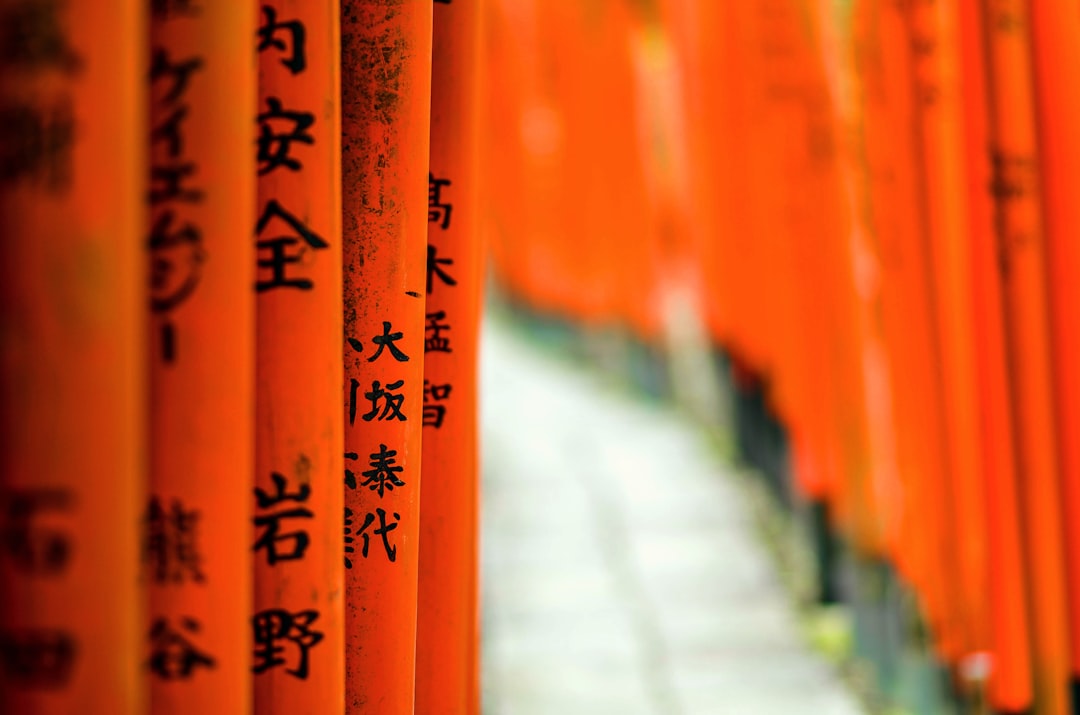
The best planning for Kyoto is probably the kind that gets you oriented and then steps back. Know which district you are in. Know roughly how the bus system works. Know that some things will be closed, some will disappoint, and one or two will be better than you had any reason to expect.
Insider tip
Kyoto's tourist information centres, including the one inside Kyoto Station, are staffed by people with genuinely detailed local knowledge and are consistently underused by visitors who have already committed to their app-generated itineraries.
Kyoto is a city that has been in the business of being visited for a very long time, and it has developed, over those centuries, a kind of professional composure about the whole enterprise. The temples receive their pilgrims and their tourists with equal equanimity. The gardens continue to be raked. The geiko continue to walk to their appointments through streets that have been photographed millions of times without being fundamentally changed by the attention.
What this means for the visitor is that the city is not going to meet you halfway. It will not explain itself, will not apologise for its crowds or its distances or its occasional inscrutability. The famous sites are famous for reasons that reward investigation rather than consumption, and the less famous ones — the neighbourhood shrine with no English signage, the tofu restaurant with no menu, the canal path that appears on no tourist map — are available to anyone willing to walk past the obvious and keep going.
I have been coming to Kyoto for long enough that I no longer feel the pressure to see everything, which has made each visit more useful than the last. The city has a way of returning different things to you depending on how much you already know, which is either a recommendation or a warning, depending on your temperament. Either way, it is worth finding out.
What this means for the visitor is that the city is not going to meet you halfway. It will not explain itself, will not apologise for its crowds or its distances or its occasional inscrutability. The famous sites are famous for reasons that reward investigation rather than consumption, and the less famous ones — the neighbourhood shrine with no English signage, the tofu restaurant with no menu, the canal path that appears on no tourist map — are available to anyone willing to walk past the obvious and keep going.
I have been coming to Kyoto for long enough that I no longer feel the pressure to see everything, which has made each visit more useful than the last. The city has a way of returning different things to you depending on how much you already know, which is either a recommendation or a warning, depending on your temperament. Either way, it is worth finding out.