Osaka has a reputation that precedes it in the way that reputations usually do — flattening and slightly wrong. Yes, it is a food city. Yes, people here will tell you to eat until you go broke, a local philosophy called kuidaore. Yes, Dotonbori exists, and it is as neon-saturated as every photograph suggests. But the version of Osaka that gets exported — the giant crab signs, the street food, the cheerful vulgarity — is a shorthand that leaves out most of what makes the city worth returning to. It leaves out the quiet shrines in the southern wards, the Meiji-era neighbourhood that time treated carelessly, the garden that almost nobody outside Japan seems to know about. It leaves out the friction and the ordinariness, both of which are, in my experience, where the interesting parts of any city actually live.
What follows is not a list of the best Osaka has to offer in any absolute sense. It is a list of ten places that, taken together, might give you a more accurate picture of the city than the one currently circulating on social media.
At a glance
- Osaka Castle: the monument that earns its crowds, barely
- Osaka Dotonbori: the city's id, best understood at 11pm
- Dotonbori (the neighbourhood, not just the canal): eating as civic identity
- Osaka Shinsekai: a neighbourhood that forgot to gentrify
- Tennoji Zoo: a hundred years of urban wildlife, honestly considered
- Keitakuen Garden: a Meiji-era landscape that most visitors walk past
- Universal Studios Japan: a theme park that takes its own premise seriously
- Sumiyoshi Taisha: a shrine that predates the city it now sits inside
Osaka Castle: the monument that earns its crowds, barely
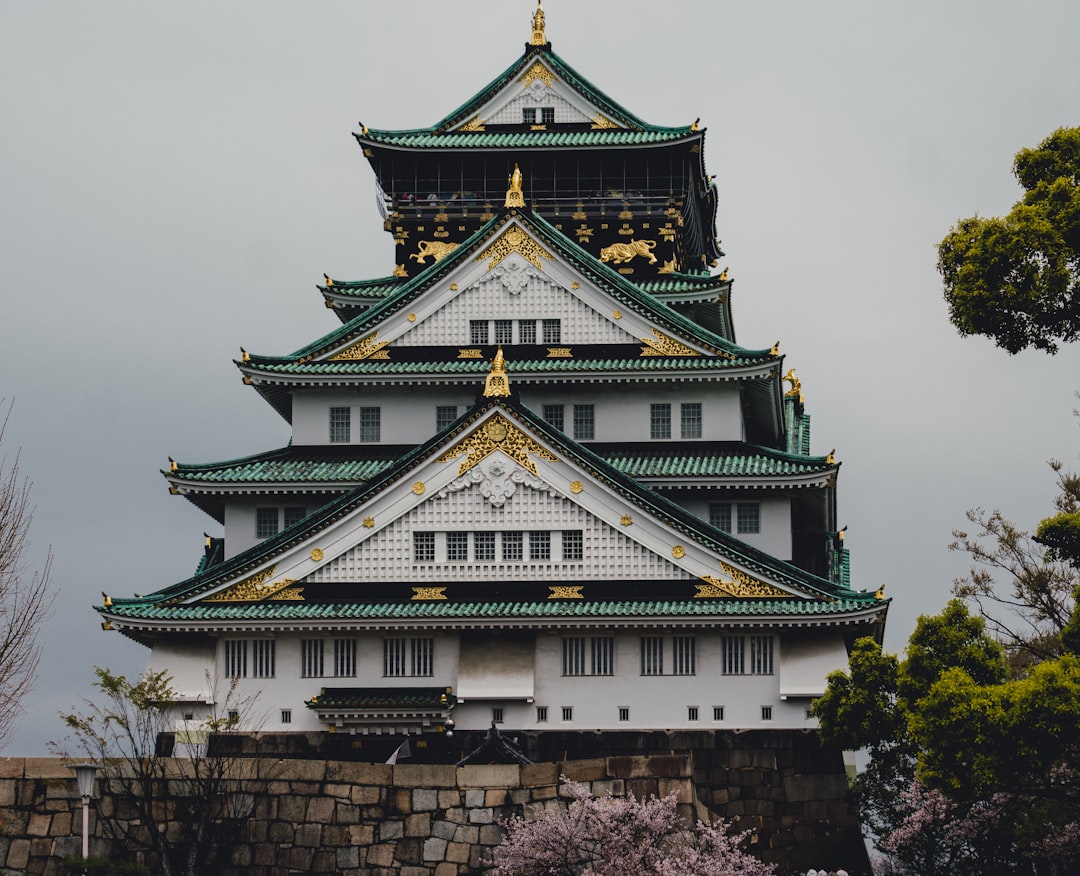
The interior museum floors are dense with artifacts and context — armour, maps, painted screens — though the top-floor observation deck tends to produce a queue that tests patience in direct proportion to the heat index of the day you've chosen to visit.
Insider tip
The Nishinomaru Garden, just west of the main keep, charges a small separate admission that most visitors skip. In spring it holds several hundred cherry trees; in autumn it is simply quiet, which is its own value.
Osaka Dotonbori: the city's id, best understood at 11pm
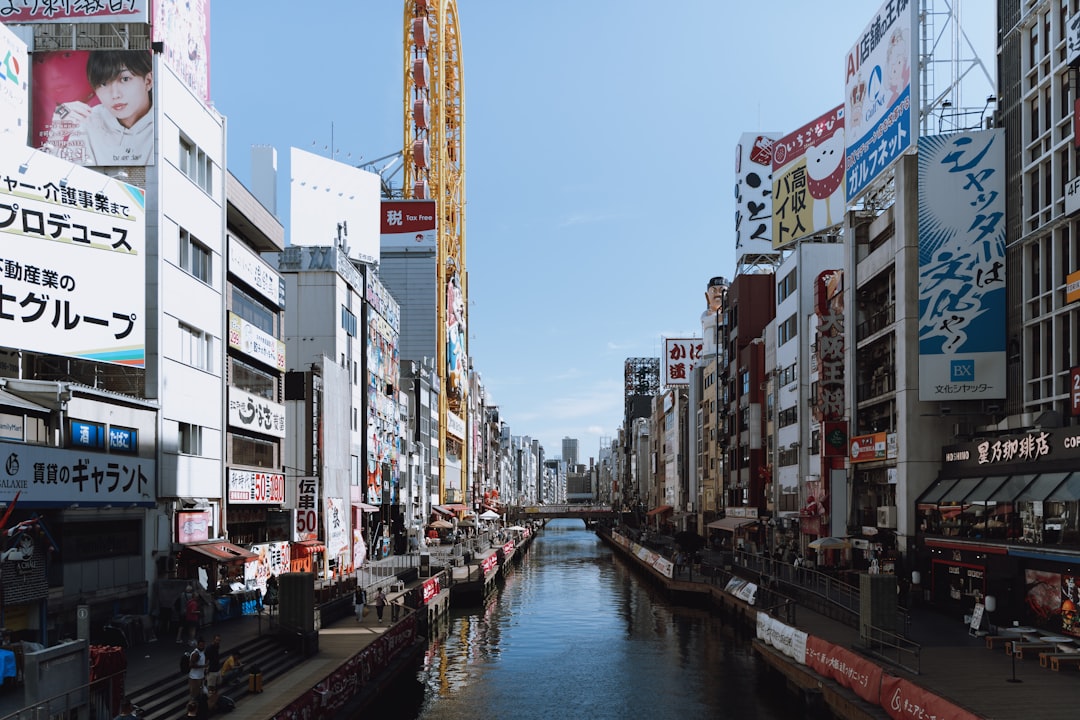
Osaka Dotonbori is one of the zones most iconically associated with Osaka's commercial culture, and what that means in practice is that it has been optimized for throughput. The food stalls closest to the canal are priced for tourists; the ones a block or two south, in the warren of streets toward Namba, are priced for people who actually live here. The distinction is worth making. Walk the canal at night when the neon doubles in the water and the noise reaches a kind of critical mass that stops being overwhelming and starts being almost meditative.
Insider tip
The covered Shinsaibashi-suji shopping arcade runs parallel and north of the main strip. It is long, it is covered, and it is where Osaka residents actually buy things — a useful corrective to the tourist-facing spectacle one block over.
Dotonbori (the neighbourhood, not just the canal): eating as civic identity
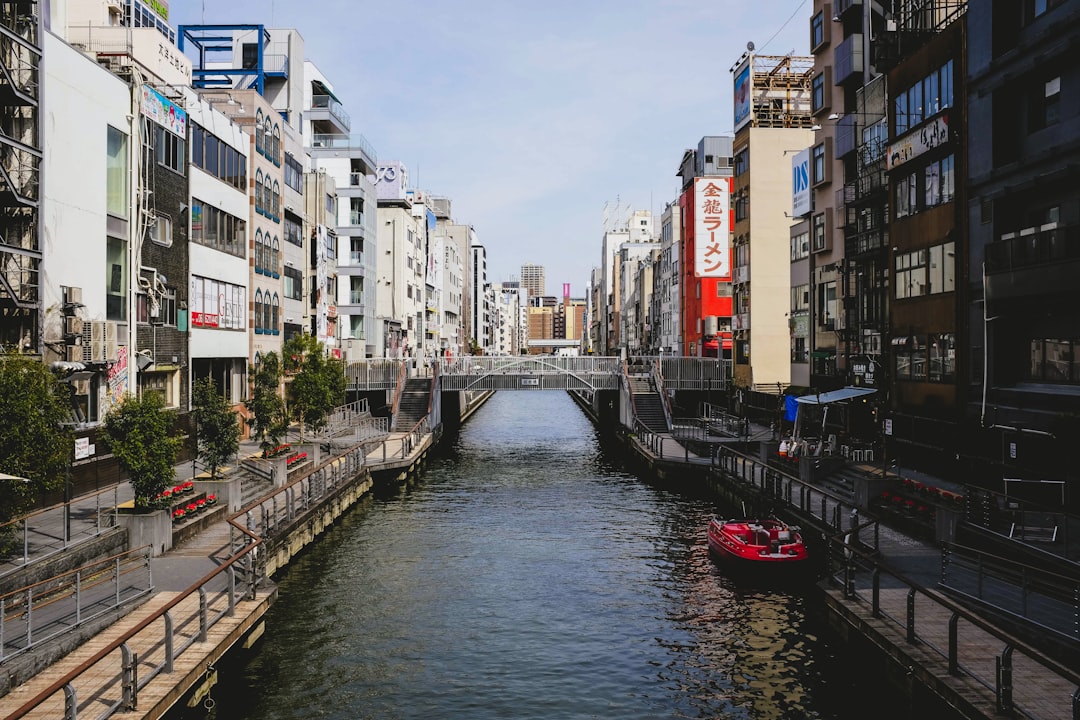
Dotonbori is where these arguments are conducted in real time, across hundreds of restaurants and stalls operating at different price points and quality levels. The tourist traps are obvious once you know what to look for: laminated picture menus in four languages, staff positioned outside to solicit customers. The places worth eating at have neither.
Insider tip
Kani Doraku, the restaurant with the giant mechanical crab on its facade, is genuinely fine for crab — not a tourist trap in the pejorative sense, though it is expensive. The line for the ground-floor counter seats moves faster than it looks.
Osaka Shinsekai: a neighbourhood that forgot to gentrify
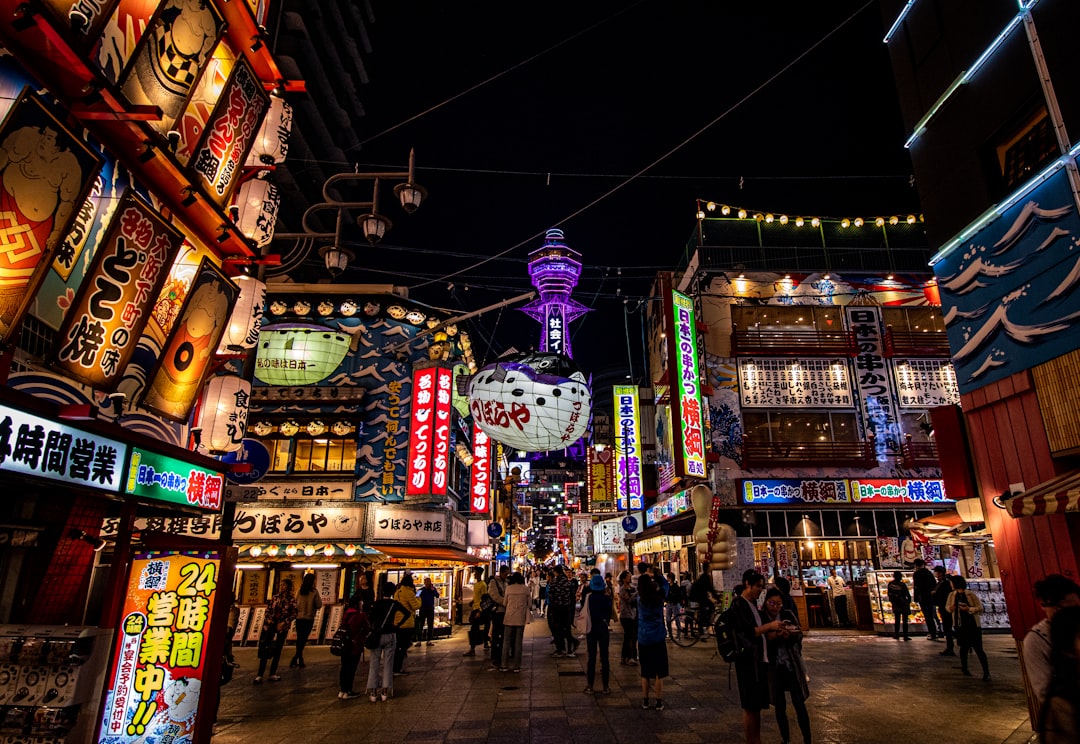
Shinsekai is often described as rough, which is a way of saying that it has not been renovated for consumption. This is its primary virtue. The streets smell of frying oil and old wood. The bars are small and dark and the menus are handwritten. It is about 4.5 kilometres from the city centre, which means most visitors never get there.
Insider tip
The rule in Shinsekai kushikatsu restaurants — no double-dipping in the communal sauce — is enforced with a seriousness that the rest of the city's informality does not prepare you for. Observe it.
Tennoji Zoo: a hundred years of urban wildlife, honestly considered
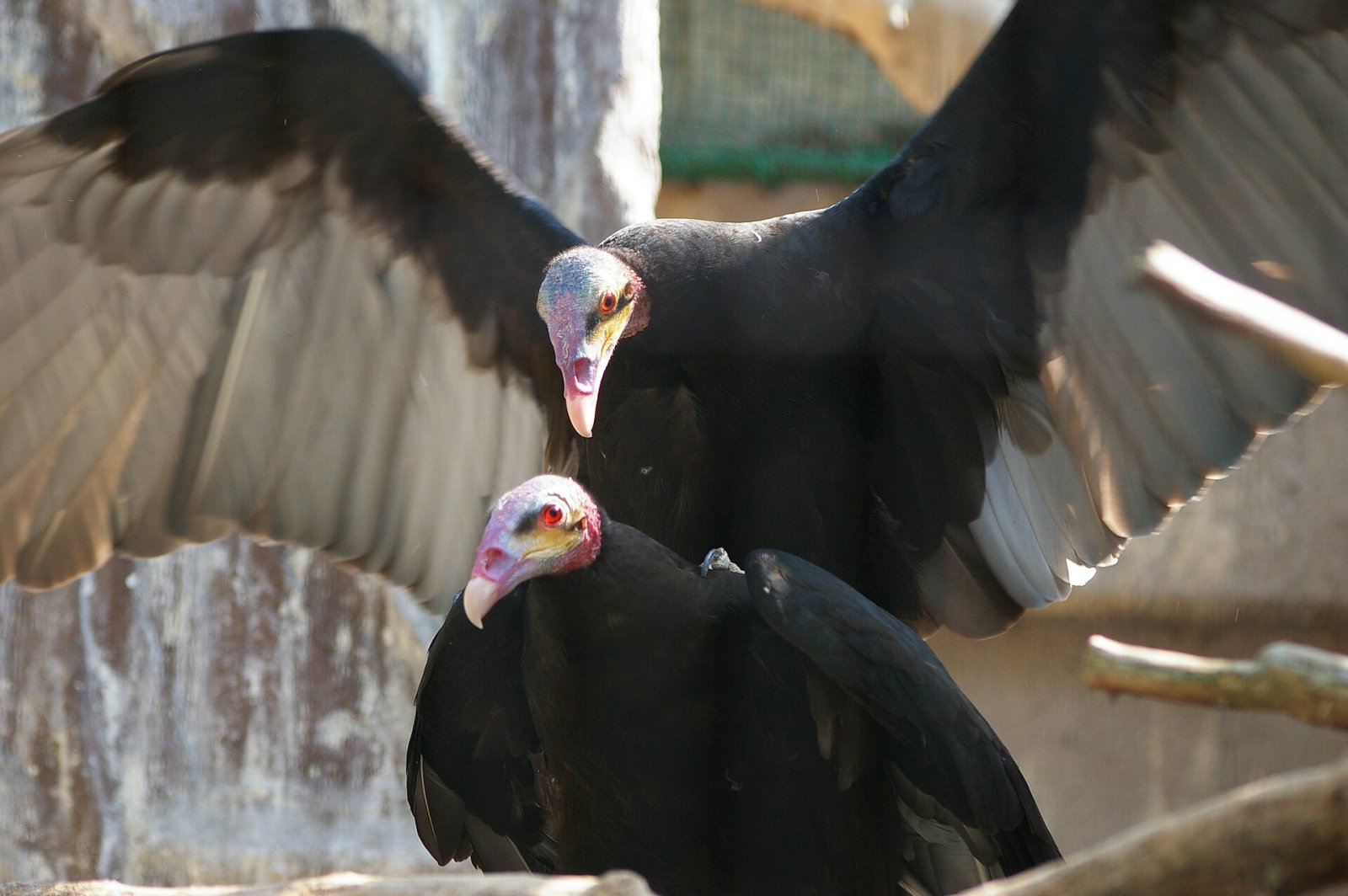
What Tennoji does well is integration with its surroundings. The zoo sits adjacent to Tennoji Park and within walking distance of Shinsekai, and the whole southern district has a coherence that the more touristed northern neighbourhoods lack. The zoo's visitors on a weekday are overwhelmingly local — school groups, grandparents, young parents with strollers — which gives it a texture that the castle or Dotonbori, with their international crowds, cannot replicate. It is a place where Osaka is simply being Osaka, without reference to what visitors might want it to be.
Insider tip
The park surrounding the zoo, Tennoji Koen, is free to enter and has a good lawn area that fills with families on weekends. The Keitakuen Garden is accessed from within the park — budget an extra hour if you plan to visit both.
Keitakuen Garden: a Meiji-era landscape that most visitors walk past
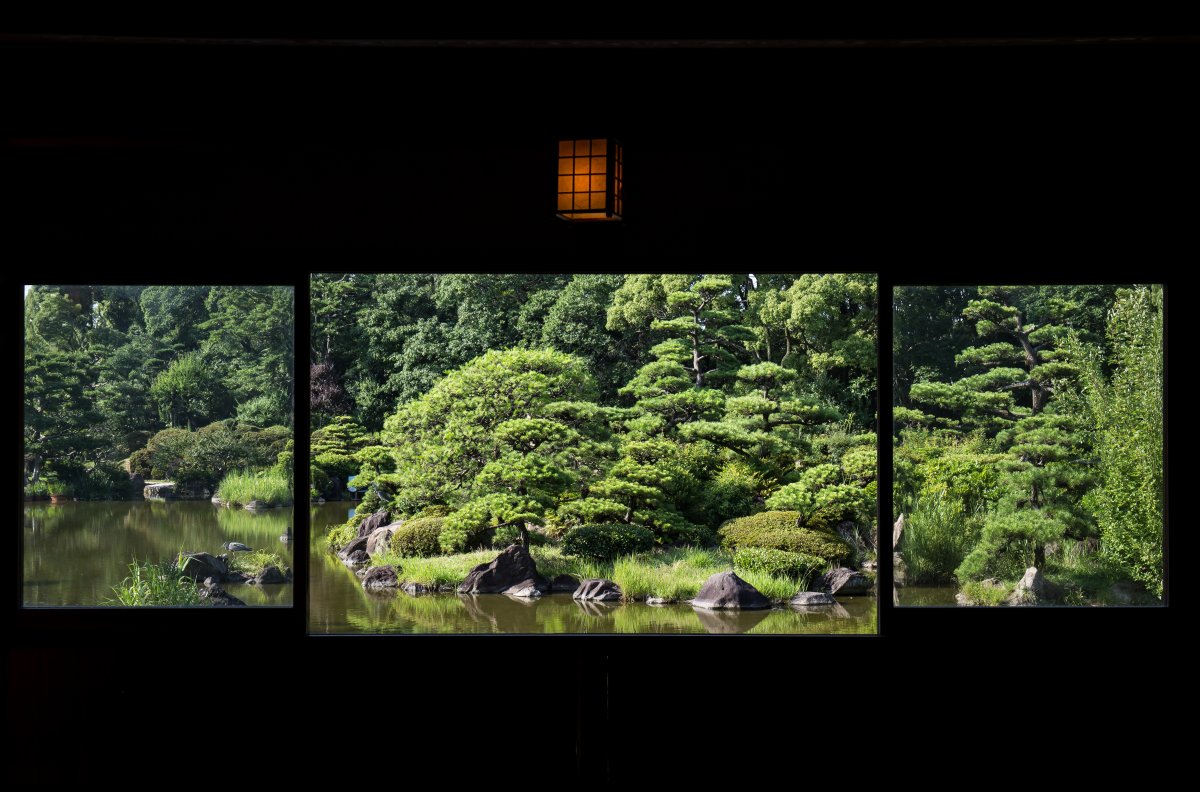
It is roughly 5 kilometres from the city centre, inside Tennoji Park, and it charges a modest admission that keeps it quiet on most days. In a city that is frequently, productively loud, the silence here is not accidental — it is the point.
Insider tip
The garden is at its most legible in early spring, when the plum trees bloom before the cherry trees, and in November, when the maples turn. Both periods are crowded by Japanese standards, though not by the standards of anywhere else.
Universal Studios Japan: a theme park that takes its own premise seriously
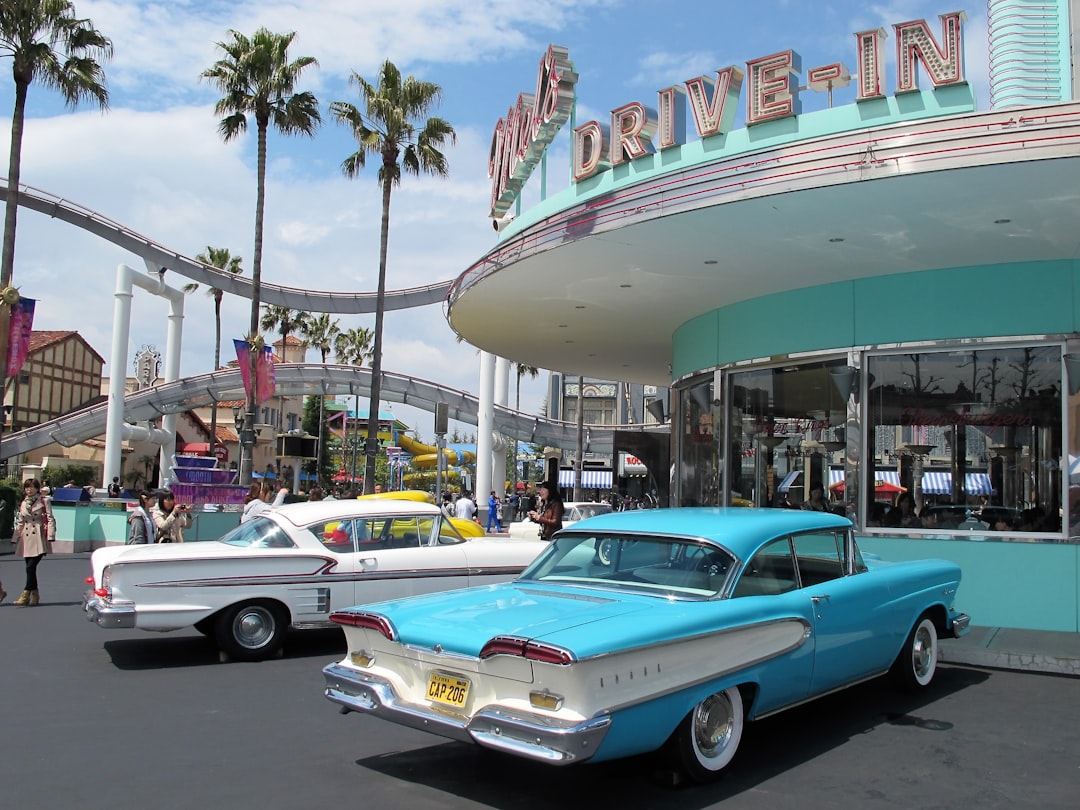
The Wizarding World of Harry Potter section, which opened in 2014, is the draw for most international visitors. The Nintendo World area, which opened more recently, is the draw for everyone else. Neither will teach you anything about Japan. Both are, in their own terms, well-executed.
Insider tip
Express passes sell out weeks in advance for peak periods. If you are visiting during school holidays or Golden Week, booking the pass before you book your flights is not an exaggeration.
Sumiyoshi Taisha: a shrine that predates the city it now sits inside
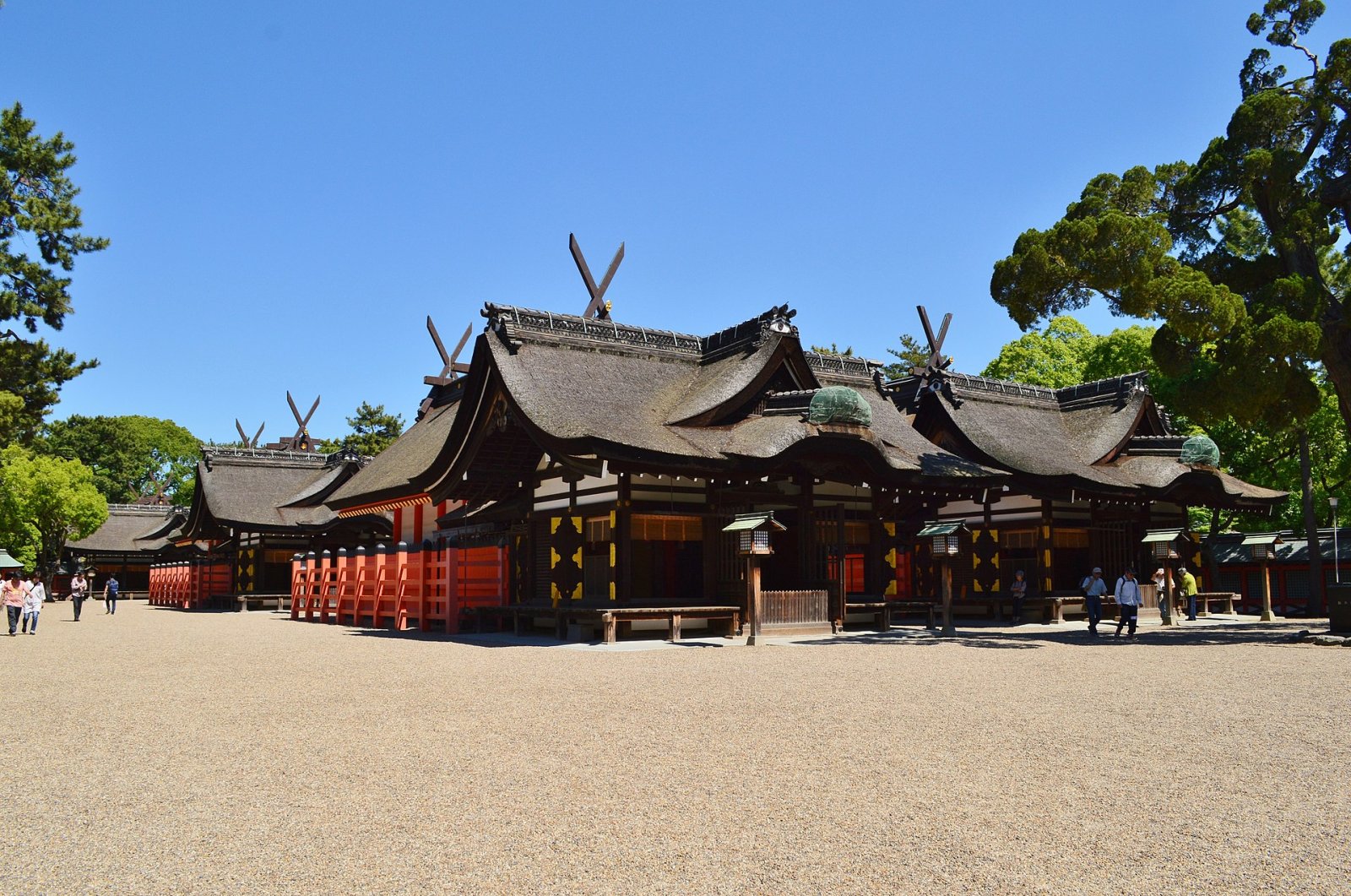
The shrine sits about 9 kilometres south of the city centre, in a residential neighbourhood that gives no particular indication of what it contains. The approach — through a torii gate, across the famous arched Sori-bashi bridge over the inner pond — is one of the more quietly affecting arrivals in a city full of arrivals. It is not crowded in the way that Fushimi Inari or Nara's Todai-ji are crowded. It is simply old, and that age is legible in the wood and the stone and the way the gravel has been raked.
Insider tip
The shrine hosts a large festival, Sumiyoshi Matsuri, in late July and early August. If you are in Osaka at that time, it is worth planning around — it draws local crowds rather than international ones, and the atmosphere is accordingly different.
There is a thing that happens in Osaka after about four days, if you stay long enough and stray far enough from the canal district. The city stops being a series of attractions and starts being a place with a metabolism. You notice the rhythm of the covered arcades in the morning, half-shuttered and smelling of cleaning fluid. You notice the way the light changes over the castle park in the late afternoon, the stone walls going from grey to something almost amber. You notice that the city's famous appetite — for food, for noise, for commerce, for a good time conducted at volume — is not a performance for visitors. It is simply how the city has always organized itself.
Osaka is the third-largest city in Japan and it has spent most of its history being the second-most-important one, which has given it a certain productive chip on its shoulder. It does not defer to Kyoto's elegance or Tokyo's scale. It has its own logic, rooted in trade and in the conviction that eating well is a form of civic virtue. The ten places in this list are not all equally significant or equally enjoyable. But taken together, they trace something closer to the actual city than the crab sign and the takoyaki stall will give you on their own. Which is, in the end, the only thing a travel list can honestly claim to do.
Osaka is the third-largest city in Japan and it has spent most of its history being the second-most-important one, which has given it a certain productive chip on its shoulder. It does not defer to Kyoto's elegance or Tokyo's scale. It has its own logic, rooted in trade and in the conviction that eating well is a form of civic virtue. The ten places in this list are not all equally significant or equally enjoyable. But taken together, they trace something closer to the actual city than the crab sign and the takoyaki stall will give you on their own. Which is, in the end, the only thing a travel list can honestly claim to do.