10 Best Things to Do in Porto, Portugal — beyond the obvious.
A long-term resident's unsentimental guide to a city that rewards patience and punishes haste.
L
Words by
Lena Hofmann
Updated
12 September 2026
Read time
13 minutes
Includes
10 places · interactive map
I arrived in Porto for the first time on a November Tuesday, which is, I would later learn, the correct way to arrive. The azulejo facades were wet and the light was doing that particular Atlantic thing where it seems to come from the wrong direction. I had a list — the tower, the bookshop, the wine cellars — and I worked through it with the grim efficiency of someone who has confused tourism with achievement. By Wednesday afternoon I was done, vaguely disappointed, and sitting in a café on Rua Santa Catarina wondering why the city felt like it had withheld something.
It had, of course. Porto is not a city that performs for you. It is dense, hilly, occasionally filthy in the productive way that old port cities tend to be, and structured around a logic that takes time to decode. The Douro runs below everything, literally and metaphorically. The neighbourhoods shift character within a hundred metres. A doorway that looks derelict opens into a courtyard with a fig tree and three old men playing cards. The famous things are famous for reasons, but the reasons are rarely the ones in the brochure.
I have been back seven times since that November. I have spent weeks at a stretch in Bonfim and Cedofeita, eaten badly and eaten very well, climbed the Torre dos Clérigos with a hangover, and once, memorably, got comprehensively lost trying to find a wine bar that had apparently closed in 2019. What follows is not a definitive guide. It is a set of honest observations from someone who kept returning until the city started to make sense — and who is still, frankly, not entirely sure it has.
Porto: il gioiello nazionale del Portogallo — the city as its own monument
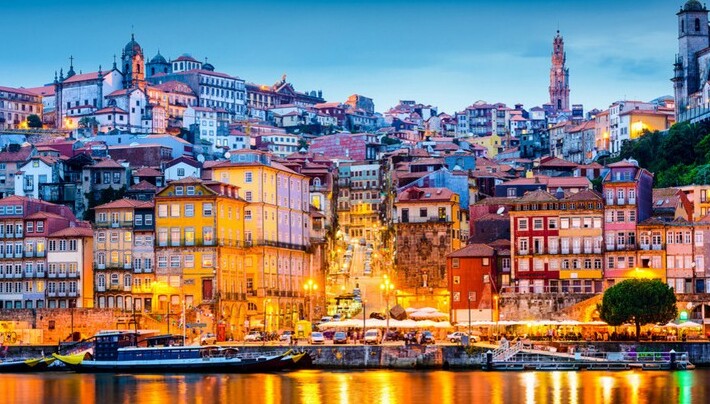
There is a version of Porto that exists entirely in Instagram grids — the same three angles of the Dom Luís I bridge, the same terracotta rooflines from the same miradouro. That version is not wrong, exactly, but it is incomplete in the way that a photograph of a face is incomplete. The city's designation as a UNESCO World Heritage Site covers the historic core, the Ribeira waterfront, and a significant stretch of the medieval street plan, and what that designation captures, however imperfectly, is the density of the thing: the way Romanesque, Gothic, Baroque, and Pombaline neoclassical architecture exist in the same block without apparent embarrassment. Porto: il gioiello nazionale del Portogallo is a phrase that circulates in Italian travel writing, and it is more accurate than it sounds — not because Porto is shiny, but because it is hard and old and has survived things that softer cities have not.
Insider tip
Walk the Ribeira on a weekday morning before 9am. The tourist infrastructure — the tuk-tuks, the selfie sticks, the port wine tasting menus on laminated cards — has not yet deployed itself, and the neighbourhood briefly resembles what it actually is: a working waterfront where people live.
2Church / Landmark· 1.8 km
Clérigos church tower — the view that earns itself
The Torre dos Clérigos was completed in 1763, designed by the Italian-born architect Nicolau Nasoni, and was for a time the tallest structure in Portugal — a record Lisbon's Vasco da Gama Tower has since claimed without much ceremony. The tower is 75 metres of granite Baroque, which sounds imposing and is, though the climb is the part that focuses the mind: 225 steps, a staircase that narrows as it rises, and a platform at the top that holds perhaps twelve people comfortably and is frequently occupied by twenty. The Clérigos church tower rewards the effort not with a panorama — there are better panoramas — but with a specific relationship to the city's roofscape, the Douro visible to the south, the Atlantic haze to the west, and the immediate neighbourhood of the Baixa spread out below in a way that makes the medieval street plan suddenly legible.
Insider tip
The queue at opening time is shorter than the midday queue but still exists. The church itself, at street level, is free to enter and worth ten minutes before you commit to the tower ticket.
3Palace / Historic Building· 2.1 km
Palácio da Bolsa — the room that justifies the tour
Palácio da Bolsa is Porto's old stock exchange, built in the nineteenth century on the site of the cloisters of the Church of São Francisco after those cloisters burned during the Siege of Porto in 1832. The exterior was finished by 1850; the interior took considerably longer, which is evident the moment you step inside. The building is now a museum and events venue, and it operates on guided tours only — a restriction that irritates visitors who prefer to drift at their own pace, but which is, in this case, defensible, because without a guide the Moorish-revival Arab Room, which took eighteen years to complete and is decorated with stucco work of hallucinatory intricacy, reads as spectacle rather than as the argument about nineteenth-century Portuguese commercial ambition that it actually is. The tour lasts about thirty minutes. The Arab Room takes about twenty-five of those.
Insider tip
Tours run in multiple languages throughout the day; English tours fill fastest. Arrive fifteen minutes before your preferred slot rather than booking the first available, which tends to attract the largest groups.
4Cultural Landmark· 1.7 km
Livraria Lello — the bookshop that has made its peace with being famous
"Livraria Lello" is one of the most beautiful bookstores in the world is a sentence that appears in virtually every piece of writing about Porto, and the repetition has not made it less true, only less useful. The shop opened in 1906, its neo-Gothic facade and the double helix of its red interior staircase designed by Xavier Esteves. The J.K. Rowling connection — she taught English in Porto in the early 1990s and is said to have found inspiration here — has become the dominant narrative, which is a shame, because the building predates Harry Potter by nearly a century and deserves to be understood on its own terms. The entry fee, introduced to manage the crowds, has done its job partially: the shop is still crowded, but the people inside have at least made a conscious decision to be there. The fee is redeemable against a book purchase, which is the correct incentive structure.
Insider tip
Go at opening time on a weekday, buy something in Portuguese even if you cannot read it — the design of Portuguese paperbacks is genuinely excellent — and leave before the tour groups arrive around 10:30am.
5Food· 0.0 km
Francesinha — the sandwich that requires a strategy
The Francesinha is a doorstep-sized sandwich typical of Porto, and the description 'doorstep-sized' is doing real work in that sentence. The dish arrived in Porto in the 1950s or 1960s — accounts vary — by way of a man named Daniel da Silva who had worked in Belgium and France and returned with the croque monsieur as a reference point, then proceeded to make something categorically different. The construction involves layers of cured meat, fresh sausage, and steak between bread, covered in melted cheese, submerged in a tomato and beer sauce that varies by establishment and is the subject of fierce local partisanship, and frequently served with chips that go soft in the sauce within minutes. It is not a refined dish. It is a dish that requires an empty stomach, a tolerance for salt, and the willingness to sit with it for longer than you planned. Ordering one at lunch and then attempting anything physically demanding in the afternoon is optimistic.
Insider tip
The sauce recipe is genuinely proprietary in most places. Café Santiago on Rua Passos Manuel and Bufete Fase in Bonfim are two addresses that locals cite without rolling their eyes, which is the closest thing to a consensus you will find.
6Historic Café· 2.2 km
Majestic Café — the Art Nouveau room you will pay for, and should
Porto: Majestic Café, a fine example of Art Nouveau architecture is the kind of description that appears on a plaque and is nonetheless accurate. The café opened in 1921 on Rua Santa Catarina, the city's main pedestrian shopping street, and its interior — the curved mirrors, the leather banquettes, the sculpted cherubs, the general atmosphere of a Belle Époque that never quite ended — has attracted high society, bohemian intellectuals, and, more recently, tourists who have read that J.K. Rowling wrote parts of the first Harry Potter novel here. The coffee is expensive by Porto standards and the service can be slow. Neither of these things is a reason to avoid it. The Majestic Café is one of those places where the room is the point, and the room is worth sitting in for an hour on a quiet afternoon, ideally with something to read and no particular schedule.
Insider tip
The café gets busy from mid-morning onwards. The best time to experience it as a functioning café rather than a photographic subject is between 8:30am and 9:30am, when the light through the front windows is at its most useful.
7Music Venue / Architecture· 0.1 km
Casa da Música — the concert hall that does not apologise for itself
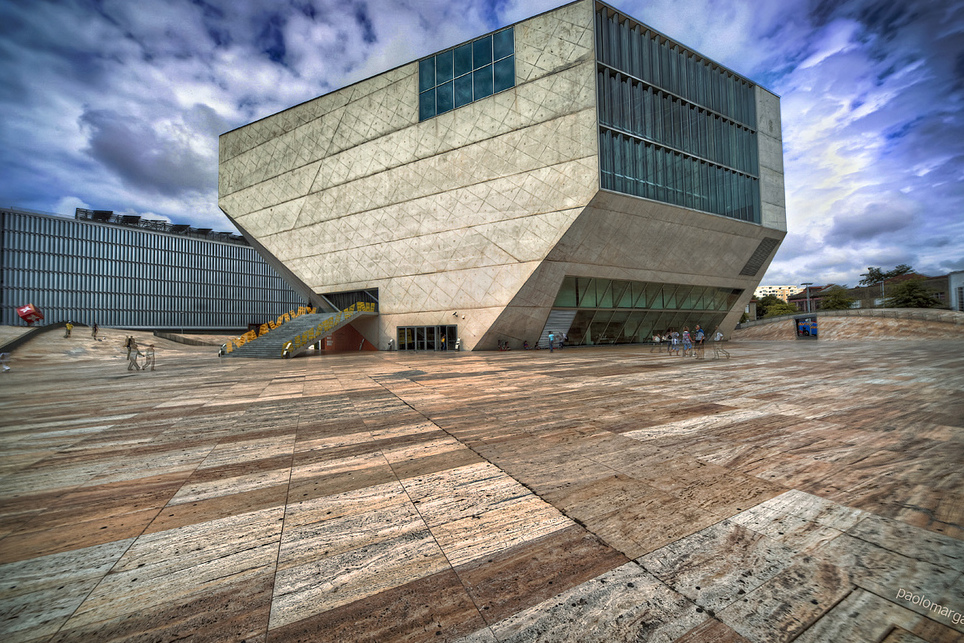
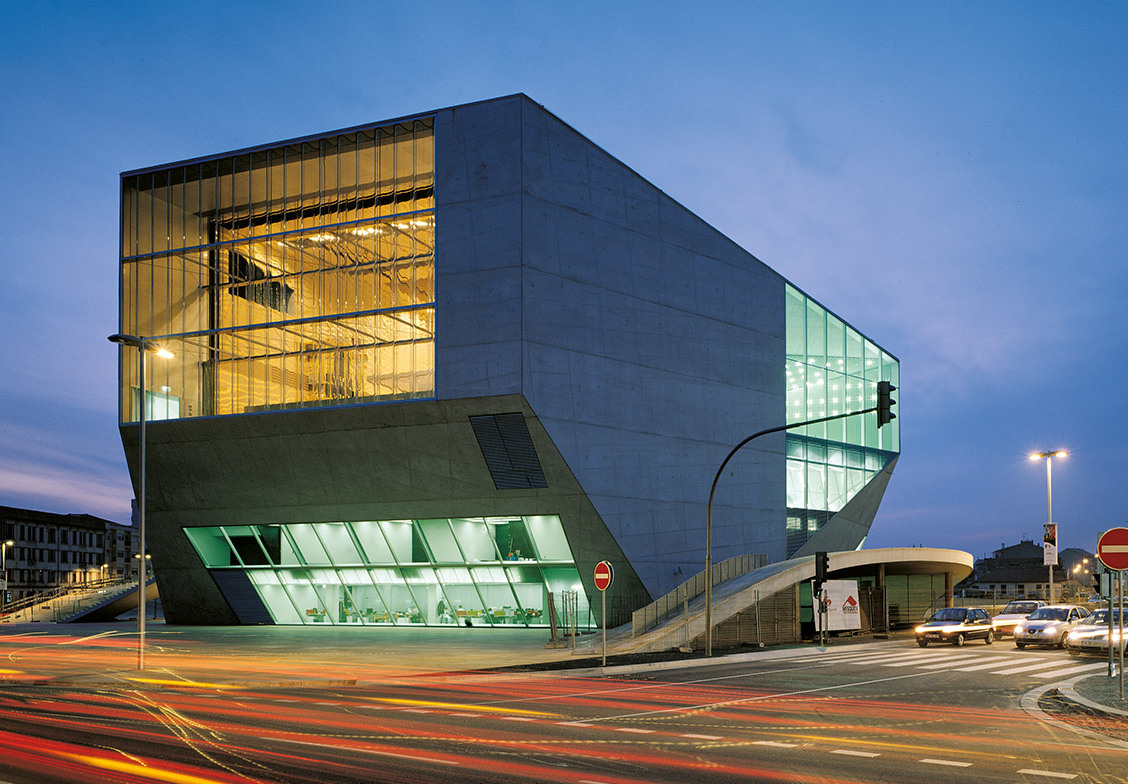
The Casa da Música opened in 2005 at the Rotunda de Boavista, roughly midway between the historic centre and the Foz neighbourhood where the Douro meets the sea. Dutch architect Rem Koolhaas designed the building, and it is one of those rare structures that reads as a position rather than a decoration — a white polyhedron that sits in its plaza like something that landed there with intent. The acoustics were developed in collaboration with specialist firms and are, by most accounts, genuinely excellent, which matters because the building's reputation tends to lead with the exterior and undervalue what happens inside. The Casa da Música hosts the Orquestra Sinfónica do Porto Casa da Música as its resident ensemble and programmes across classical, contemporary, jazz, and world music with the kind of range that suggests institutional confidence rather than audience anxiety. Porto: The Casa da Música is one of the rare music venues where the architecture and the programming justify each other.
Insider tip
Guided tours of the building run on weekend mornings and are worth taking even if you have a concert ticket — the backstage spaces, including the VIP room lined with traditional azulejos in a deliberately jarring juxtaposition, are not visible from the auditorium.
8Garden / Park· 1.2 km
The Romantic Gardens of Palácio de Cristal — eight hectares of nineteenth-century intention
The Romantic Gardens of Palácio de Cristal occupy eight hectares on a hill above the Douro, designed in the nineteenth century by the German landscape architect Émile David in the context of the Romantic movement's particular ideas about what a garden should feel like — structured enough to be navigated, wild enough to suggest escape. The original crystal palace that gave the gardens their name was demolished in 1951 and replaced with a domed sports pavilion that is, depending on your tolerance for mid-century pragmatism, either an affront or a useful reminder that cities are not museums. The gardens themselves contain peacocks, which wander with the confidence of animals that have never been told they are incongruous, a library, rose gardens, and several viewpoints over the river that are less crowded than the miradouros in the historic centre. On a weekday afternoon in spring, it is possible to spend two hours here without feeling managed.
Insider tip
The gardens are free to enter. The pavilion hosts concerts and sporting events; check the schedule before visiting if you prefer the space quiet, as events days change the character of the surrounding paths significantly.
This entry requires a small act of honesty: the best thing you can do in Porto's parks and gardens is put your phone away. That said, getting to them, and between them, without a working knowledge of the city's bus and metro system is genuinely difficult, and Porto's public transport app — Andante — is functional rather than elegant. For 2026, the city's digital infrastructure has improved incrementally; the top 5 travel apps Porto 2026 category covers tools for transit, restaurant reservation, and museum ticketing, and the honest answer is that a combination of Google Maps for transit routing, the official metro app for top-up management, and a basic offline map for the historic centre's wifi-dark alleys covers most situations. The parks themselves — Palácio de Cristal, the Jardins do Palácio de Serralves, the linear park along the Douro — reward walking between them rather than optimising the route.
Insider tip
The Andante card, Porto's reloadable transit card, works across metro, bus, and funicular. Buy it at any metro station on arrival; the single-journey surcharge for not having one adds up quickly over a multi-day stay.
10Art / Theatre / Museum· 0.2 km
Casa da Musica — the neighbourhood around the building
The Casa da Musica — note the alternate spelling that appears on some signage and in older listings — is worth returning to not just for a concert but for the neighbourhood it anchors. Boavista is not a tourist district. It is a residential and commercial area where the city's middle class does its weekly shopping, where the cafés serve coffee without a view tax, and where the scale of the streets is different from the compressed intimacy of the Baixa. Walking west from the Rotunda de Boavista toward Foz along Avenida da Boavista takes about forty minutes at a reasonable pace and passes through a cross-section of twentieth-century Porto — apartment blocks, private schools, the occasional manor house behind a wall — that the historic centre, for all its density, cannot provide. The Casa da Musica as a cultural space is one thing; as an orientation point for understanding the city's geography, it is something else entirely.
Insider tip
The plaza surrounding the building has a café with outdoor seating that is significantly cheaper than anything in the Ribeira and serves as a useful place to decompress after a concert without committing to the journey back to the centre immediately.
There is a moment in Porto — it happens at different times for different people, but it happens — when the city stops being a sequence of destinations and becomes a place. For me it was on a Thursday evening in Bonfim, watching a man deliver bread from a van to a restaurant that had not yet opened its shutters, the Douro somewhere below and invisible, the streetlights doing their inadequate best against the granite. Nothing was happening. Nothing was required.
Porto is a city that has been through things — the Siege of 1832, the phylloxera epidemic that destroyed the Douro vineyards in the 1860s, the long decades of Salazarist stagnation, the post-2010 austerity that emptied apartments and sent people elsewhere, and then the tourism boom that refilled those apartments with short-term lets and complicated the question of who the city is actually for. These are not abstract tensions. They are visible in the scaffolding on half-renovated buildings, in the new wine bars next to the old tascas, in the miradouros that are half-local and half-visitor in proportions that shift by season.
The city is not asking you to resolve these tensions. It is asking you, if it is asking anything, to pay attention. That is, in the end, the only thing travel has ever actually asked.
🏆 Pocket guide
Take this guide with you.
Save it offline, get walking directions, and discover thousands more places like the ones you just read.
October and November offer the most honest version of the city: the summer crowds have thinned, the light is lateral and interesting, and the restaurants are not operating at crisis capacity. June through August is busy and warm, which has its advantages if you intend to spend time on the beaches at Foz or Matosinhos, a short metro ride from the centre. February is the month most locals would prefer you didn't discover, which means it has a strong case for the traveller who prefers a city to themselves.
How many days do you actually need in Porto?
Three days is the answer most itineraries give, and it is technically sufficient to cover the historic centre, cross the Dom Luís I bridge, drink port in Vila Nova de Gaia, and eat a francesinha. Five days is the answer that allows you to make mistakes, recover from them, and find the version of the city that exists outside the itinerary. A week lets you take the train to the Douro Valley and still have time left over to sit in the Palácio de Cristal gardens doing nothing in particular, which is a legitimate use of a morning.
Is Porto expensive compared to other Western European cities?
It is less expensive than Lisbon, Paris, or Amsterdam, and the gap has narrowed considerably since 2018 as tourism has driven up accommodation and restaurant prices in the historic centre. Coffee remains cheap. A meal at a neighbourhood tasca — the kind without an English menu posted outside — is still reasonable. A meal at one of the city's design-forward restaurants in the Foz or Bonfim neighbourhoods is priced at European urban rates. The main area where costs have increased sharply is accommodation: central apartments and boutique hotels now command prices that would have seemed implausible a decade ago.
How do you get around Porto, and is a car useful?
A car is not useful in the historic centre and is actively counterproductive in the Ribeira, where the streets were designed for pedestrians and the occasional mule. The metro covers the airport, the main tourist areas, and the beach at Matosinhos efficiently. Buses fill the gaps. The funicular — the Funicular dos Guindais — connects the Ribeira to the upper city and is worth taking once for orientation rather than repeatedly for transport. Walking is the correct mode for the historic centre, which is compact enough that most sites are within twenty minutes of each other on foot, though the hills will make those twenty minutes feel longer than they should.
What are the most common mistakes first-time visitors make in Porto?
Spending the first two days entirely in the Ribeira and Vila Nova de Gaia, which are the most tourist-saturated parts of the city and the least representative of how Porto actually functions. Booking a port wine cellar tour without tasting port first to establish whether you actually like it — the cellars are interesting as industrial history regardless, but the tasting component is central to the experience. Underestimating the hills, particularly if you are staying in the Baixa and planning to walk to Boavista and back. And visiting Livraria Lello at noon on a Saturday, which is an experience, but not the one you came for.
🏆 Read this offline
Save it to your phone.
Bookmark this guide, plan your trip offline, and discover thousands of places like these.