Trip.Planner
En · Travel Guide
Travel Guide · 2026 Edition

10 Best Things to Do in Seoul, South Korea — beyond the obvious

A long-term resident's guide to the city that refuses to sit still

L
Words by
Lena Hofmann
Updated
28 April 2026
Read time
13 minutes
Includes
10 places · interactive map
10 Best Things to Do in Seoul, South Korea — beyond the obvious
🏆 AI Trip Planner 2026

Plan smarter. Travel deeper.

1.3M+ curated places worldwide, offline maps, and AI-powered itineraries — all in one free app.

1.3M+ places Offline maps AI itineraries Free
Scan to download iOS / Android
Scan for AppGallery Huawei users
I arrived in Seoul for the first time in February, which is a terrible idea. The Han River wind comes off the water like something personal. I had a guidebook, a phone full of screenshots, and the specific overconfidence of someone who has read too many travel essays and not enough weather reports. I spent the first afternoon at Gyeongbokgung Palace, shuffling through the main gate with several hundred other people, all of us squinting into the same cold light, all of us photographing the same roofline. It was fine. It was genuinely fine. But I kept feeling like I was watching the city through glass.

Seoul is a place that punishes itinerary-worship. It is too large, too contradictory, too layered in its own reinventions to be apprehended from the front. The official version — palaces, K-pop, street food markets, neon — is real enough, but it is also the city's least interesting face. The Seoul that gets under your skin is the one you find in a back alley in Seongsu-dong at eleven on a Tuesday, or in the particular silence of a Buddhist temple courtyard while the surrounding district hums with coffee shops and boutiques.

I have now spent the better part of several years moving through this city, sometimes as a visitor, sometimes as something closer to a temporary resident. What follows is not a list of the best things to do in Seoul in the sense that any algorithm would recognise. It is closer to a record of where the city became legible to me — where the glass finally cracked, and something real came through. I have tried to be honest about the friction, the disappointments, and the moments where the experience is more complicated than the photograph suggests. Seoul deserves at least that much.
1 Planning Tool / Urban Navigation · 0.0 km

Wanderlog recensione 2026: funziona davvero a Seoul?
Wanderlog recensione 2026: funziona davvero a Seoul?
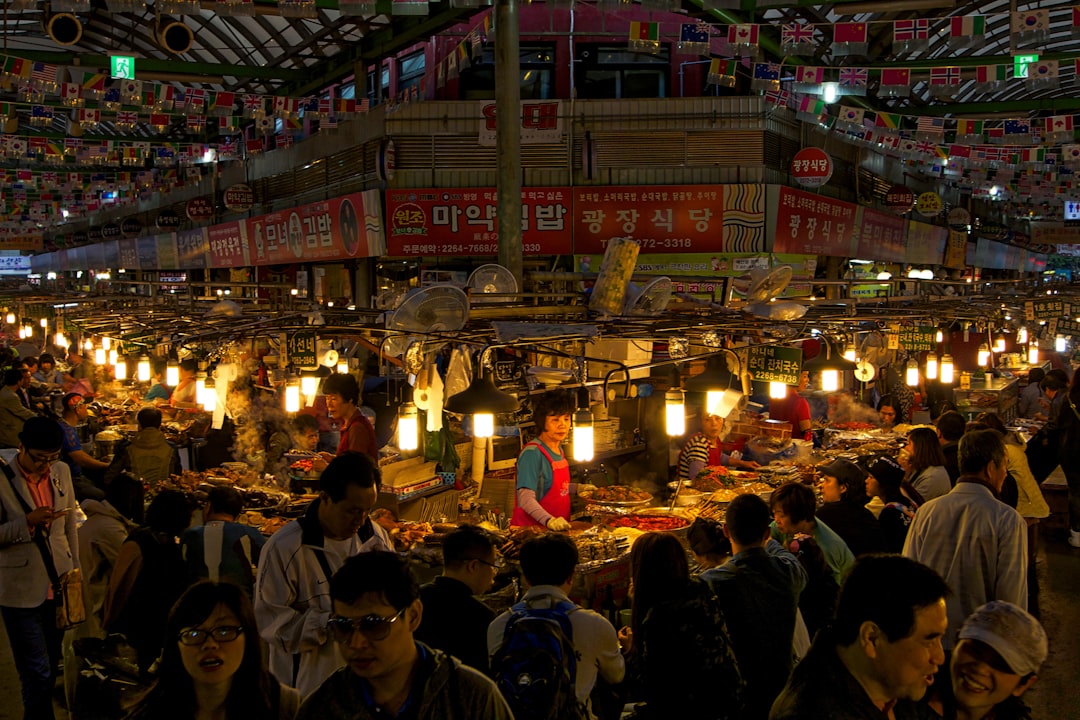
There is a specific kind of despair that arrives when you have three days in Seoul and a list that includes Gyeongbokgung Palace, the Gwangjang market, a night in Hongdae, the Jogyesa temple, and at least half a day in Bukchon Hanok Village — and you are standing at a subway exit at nine in the morning with no clear sense of which direction is north. This is precisely the situation that apps like Wanderlog recensione 2026: funziona davvero a Seoul? are designed to address, and in Seoul specifically, the question of whether any planning tool actually works is worth taking seriously. The city's subway is excellent and mostly self-explanatory, but the logic of its neighbourhoods is not geographic — it is social. Itaewon and Haebangchon are minutes apart but feel like different decades. Knowing that matters more than knowing the map.

What a good planning tool does in Seoul is not route optimisation but sequencing — helping you understand that Gyeongbokgung at nine in the morning before the tour groups arrive is a different experience from Gyeongbokgung at noon, and that Gwangjang market is exhausting on an empty stomach and overwhelming on a full one. The tool is only as good as the judgment you bring to it.
Insider tip Build buffer time into any Seoul itinerary. The city's transit is fast, but the neighbourhoods themselves demand more time than they appear to on a map. A twenty-minute subway ride often conceals a forty-minute walk on either end.
2 Urban Itinerary / Neighbourhood Walk · 0.0 km

서울 하루 코스: 용산에서 성수까지 나만의 루트

서울 하루 코스: 용산에서 성수까지 나만의 루트
The Korean is worth pausing on: 솔직히 말하면, 못 담아요. Honestly, you can't contain it. That is what a local blogger wrote about trying to plan a single day in Seoul, and it is the most accurate thing I have read about this city. The route from Yongsan to Seongsu — 서울 하루 코스: 용산에서 성수까지 나만의 루트 — is one of those itineraries that sounds like a commute but functions as a cross-section of the city's current self. Yongsan carries the weight of recent history: it was a US military base for decades, and the land has been slowly converting into parkland and cultural space. Haebangchon, the hillside neighbourhood nearby where the blogger says they live, is the kind of place where a Vietnamese restaurant and a Korean pojangmacha share a wall without anyone finding it strange.

Seongsu-dong, at the other end of this conceptual route, has been described so many times as Seoul's Brooklyn that the comparison has become almost meaningless. What it actually is: a former industrial district where tanneries and small factories have been colonised by design studios, specialty coffee shops, and boutiques selling things at prices that assume you flew here from somewhere expensive. The friction between those two identities — working-class infrastructure, aspirational retail — is visible in the architecture, and that tension is more interesting than either extreme alone.
Insider tip Cross the Seongsu Bridge on foot if the weather allows. The view of the Han River from mid-span, with the city on both banks, gives you a sense of Seoul's scale that no tower or hill quite replicates.
3 Viewpoint / Urban Orientation · 0.0 km

남산N서울타워 하루 코스: 강남에서 출발하는 완벽한 일정

남산N서울타워 하루 코스: 강남에서 출발하는 완벽한 일정
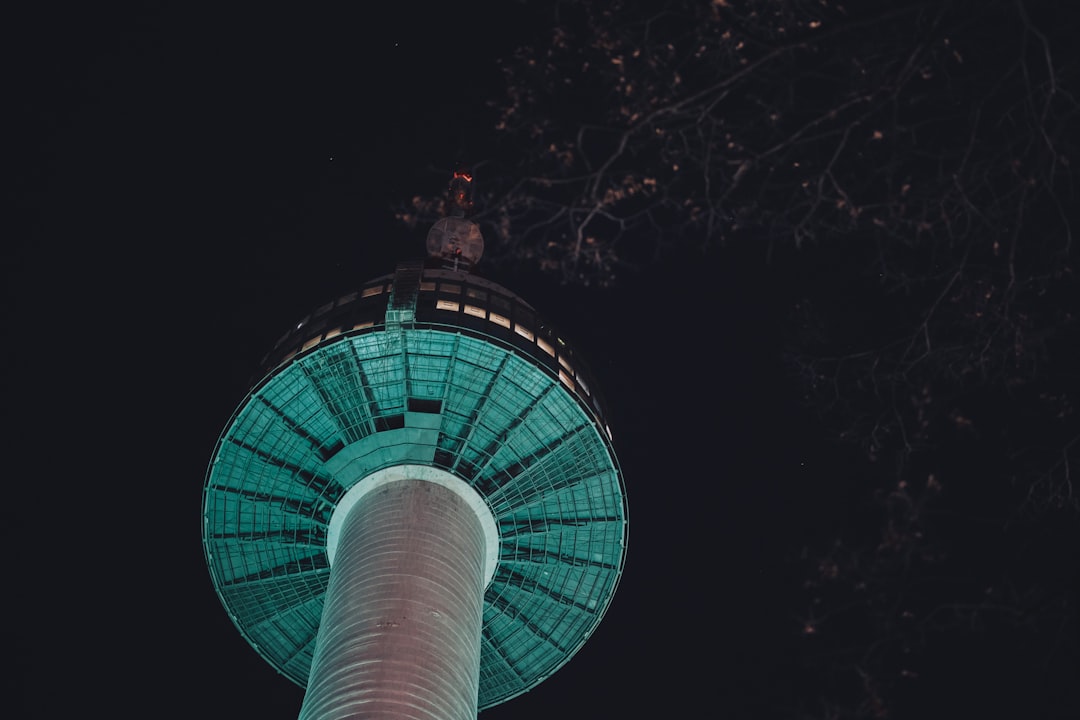
The honest thing to say about N Seoul Tower is that locals rarely go. It sits on Namsan mountain, visible from almost everywhere in the city, and has the status of a landmark that residents feel no particular need to visit — the way Parisians treat the Eiffel Tower, except with less irony and more genuine indifference. The travel writer's argument for going — and it is one I find persuasive, having spent time at observation decks in Tokyo, Hong Kong, and Chicago — is that you cannot understand a city until you have looked at it from above. The 남산N서울타워 하루 코스: 강남에서 출발하는 완벽한 일정 approach, starting in Gangnam and working north toward the mountain, is a reasonable way to structure the day because it forces you to cross the Han River and feel the city's fundamental division: the older, denser north, and the planned, wealthier south.

The tower itself is less interesting than the walk up Namsan. Take the path rather than the cable car if your knees allow it. The mountain is forested, surprisingly quiet given the city pressing in on all sides, and the approach gives you time to adjust your eyes before the panorama arrives.
Insider tip The love padlocks on the fence near the tower have been there long enough to become a kind of folk archaeology. The older ones are rusted, the inscriptions faded. Nobody seems to remove them. It is more melancholy than romantic, which is more interesting.
4 Historic Architecture / Neighbourhood · 0.0 km

북촌한옥마을 예산 완전 정복 | 부산 여행 비용 가이드

북촌한옥마을 예산 완전 정복 | 부산 여행 비용 가이드
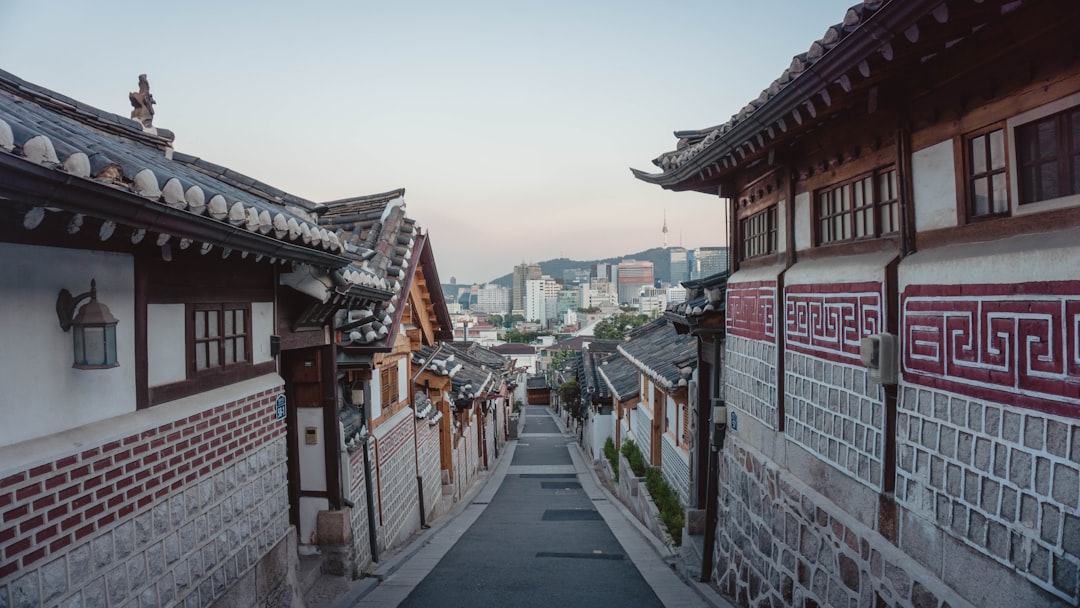
Bukchon Hanok Village is one of those places that exists in a state of permanent tension between what it is and what visitors want it to be. The hanok — traditional Korean wooden houses with tiled roofs and interior courtyards — are real, and many are genuinely old, dating from the early twentieth century when the neighbourhood developed as a residential district for middle-class Seoul families. What is less real is the silence and serenity that photographs imply. On weekends, Bukchon's main alleys are congested enough that the local ward office has posted signs asking visitors to keep their voices down, out of consideration for people who actually live there. That friction is worth knowing about before you go.

The 북촌한옥마을 예산 완전 정복 framework — thinking about what the experience costs in time, money, and patience — is genuinely useful here. The village is free to walk through, but the best views require climbing uphill, and the most photographed spots attract queues by mid-morning. The reward, if you arrive early on a weekday, is a streetscape that has survived Seoul's relentless appetite for demolition and reconstruction. That survival is not accidental; it required decades of preservation activism. The houses feel earned.
Insider tip Walk past Bukchon's main alleys and into the side streets toward Gahoe-dong. The crowds thin within two blocks, and the architecture is identical. You will have the rooflines largely to yourself.
5 Food / Fried Chicken · 0.0 km

강남 치킨 하루: 한국 프라이드 치킨 완벽 코스

강남 치킨 하루: 한국 프라이드 치킨 완벽 코스
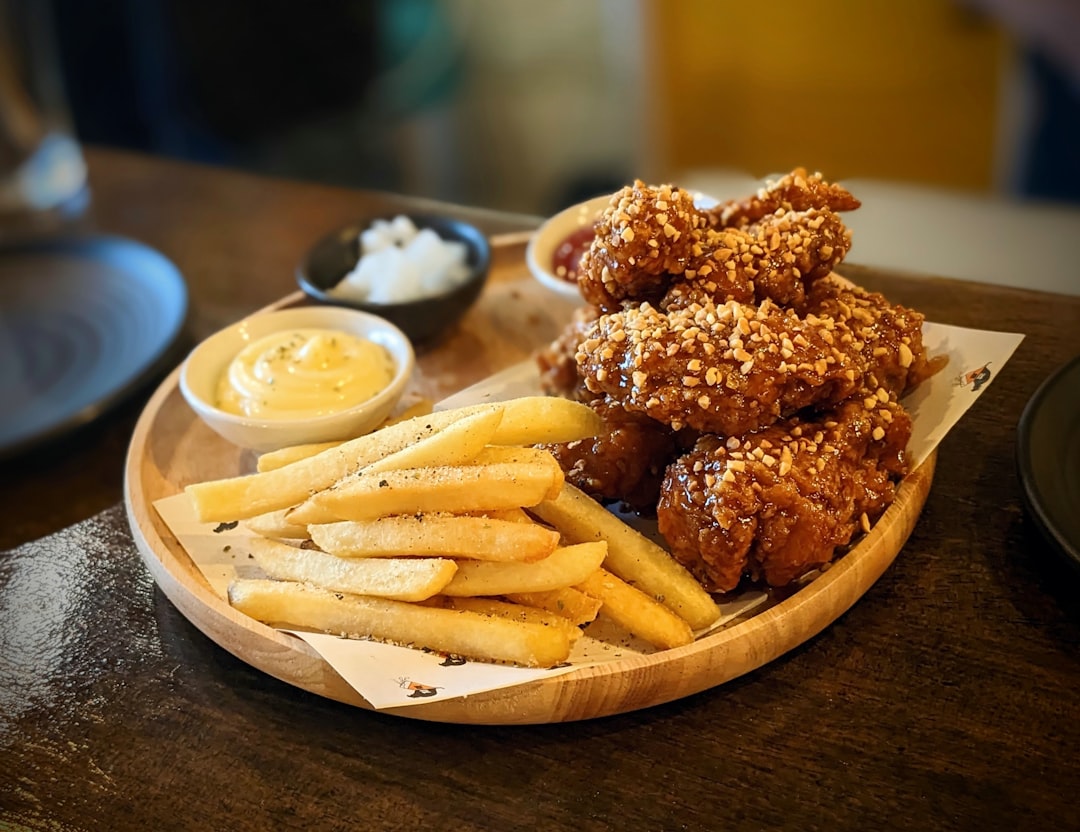
Korean fried chicken is one of those foods that has been written about so extensively in English-language media that the writing has started to obscure the thing itself. What the 강남 치킨 하루: 한국 프라이드 치킨 완벽 코스 concept gets right — the idea of treating a day of chicken-eating as a structured course rather than a single meal — is that Korean fried chicken is genuinely varied enough to reward that kind of attention. The double-frying technique produces a crust that stays crisp longer than most Western equivalents. The sauces range from soy-garlic to a fermented gochujang-based glaze that is sweet, hot, and slightly funky in a way that takes a moment to locate on your palate.

Gangnam-gu is an odd place to do this, because it is Seoul's most expensive district and fried chicken is fundamentally a democratic food — the kind of thing you eat at eleven at night with beer, at a plastic table, under fluorescent light. The better chicken shops in Gangnam understand this and maintain the informality despite the rents. The comparison to Tokyo's yakitori or Hong Kong's roast duck is apt: each of those foods has a grammar, a set of unspoken rules about how and when and with whom you eat it. Learning Korean chicken's grammar is worth the carbohydrates.
Insider tip Order half-and-half (반반, ban-ban) at any chicken shop — half plain fried, half sauced. It is the standard order for a reason: it lets you taste the quality of the bird before the sauce takes over.
6 Food / Korean Red Ginseng · 0.0 km

강남 홍삼 하루 코스: 뿌리부터 잔까지 제대로 즐기기

강남 홍삼 하루 코스: 뿌리부터 잔까지 제대로 즐기기
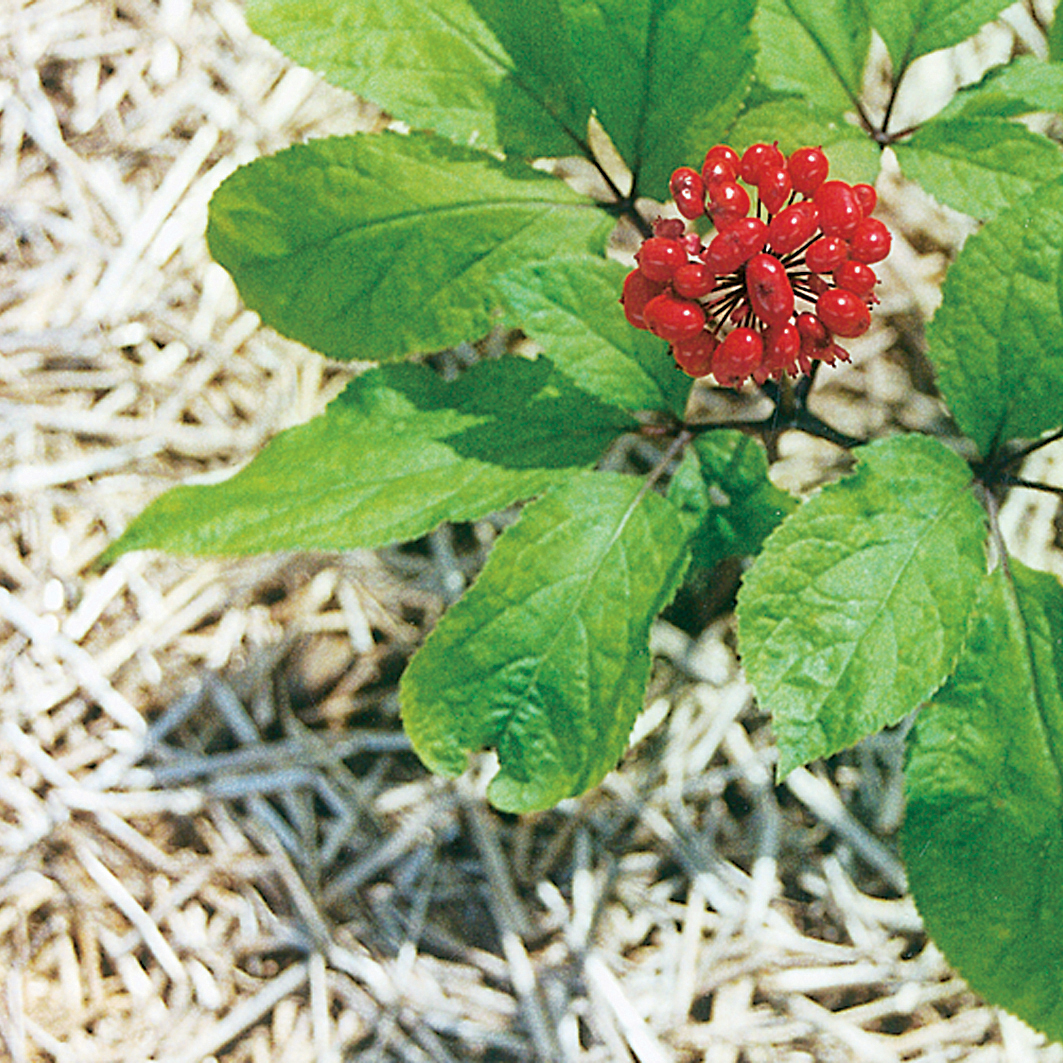
Red ginseng — 홍삼, hong-sam — occupies a strange cultural position in Korea. It is simultaneously a folk medicine, a gift-economy staple, and, increasingly, a culinary ingredient that serious chefs are treating with the same attention they give to dashi or miso. The 강남 홍삼 하루 코스: 뿌리부터 잔까지 제대로 즐기기 framing — from root to cup, properly — reflects a genuine shift in how younger Koreans are relating to an ingredient their grandparents kept in the medicine cabinet. The moment of recognition described in the source material — a Korean chef in Tokyo serving hong-sam consommé, prompting the question of why this hadn't registered at home — is the kind of small cultural dislocation that travel is actually good for.

In Gangnam, several specialty shops and upscale Korean restaurants now incorporate red ginseng into savory dishes, teas, and cocktails. The flavor is bitter, earthy, and slightly resinous — not immediately likeable, but persistent in the way that interesting flavors tend to be. The shops along Apgujeong-ro and around Sinnonhyeon station offer tastings, and the staff at the better ones can explain the processing difference between fresh ginseng, white ginseng, and the steamed-and-dried red variety without making you feel like you've wandered into a pharmaceutical consultation.
Insider tip Buy a small packet of hong-sam tea rather than the expensive extract bottles. It is cheaper, more portable, and gives you a clearer sense of the flavor before you commit to a larger purchase.
7 Food / Street Food · 0.0 km

부산 떡볶이 예산 가이드: 3,500원부터 2만원까지

부산 떡볶이 예산 가이드: 3,500원부터 2만원까지
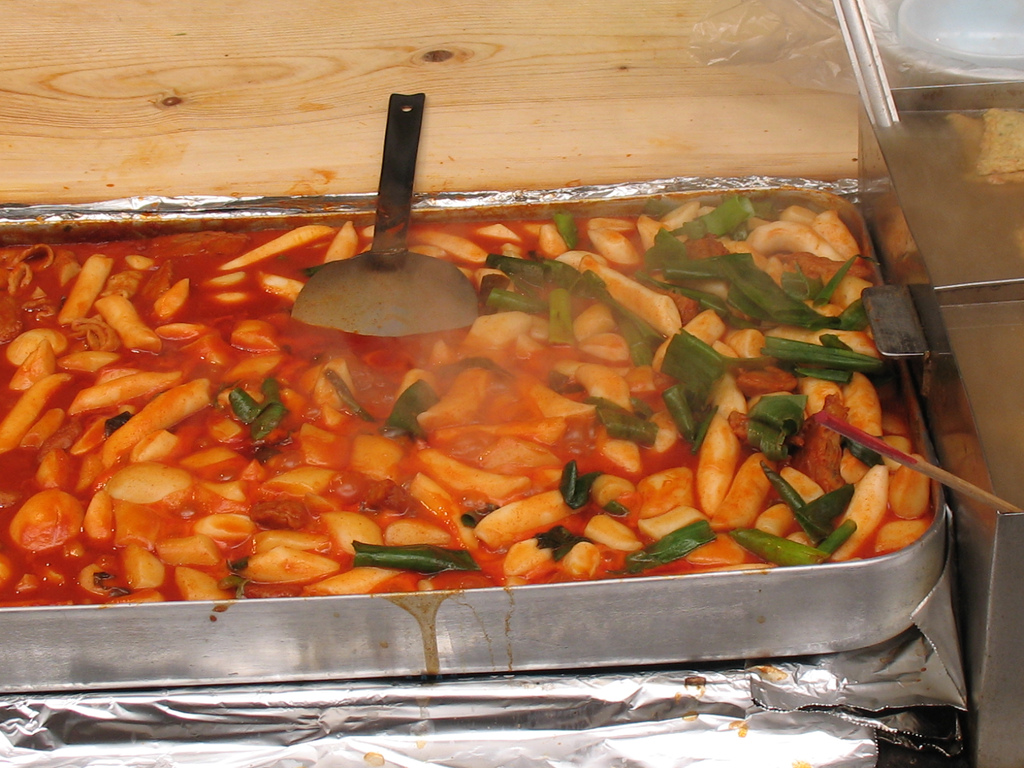
Tteokbokki — rice cakes in a gochujang sauce — is one of those foods that resists the kind of earnest food writing it tends to attract. It is cheap, it is everywhere, and it is the kind of thing that Korean children eat after school and that tourists eat because they have been told to. The 부산 떡볶이 예산 가이드: 3,500원부터 2만원까지 framing — from 3,500 won to 20,000 won — is a useful corrective to the idea that street food is automatically more authentic than restaurant food. The price range reflects a genuine spectrum: at the low end, you are eating from a cart or a pojangmacha, the rice cakes soft and the sauce sweet-hot and perfectly calibrated for exactly what it is. At the higher end, some restaurants have started making tteokbokki with premium ingredients, house-made rice cakes, and more complex sauce bases.

The Busan version has its own regional character — slightly different spice levels, often served with a fish cake broth that you drink from a paper cup alongside. The food is inseparable from the context of eating it: standing up, slightly too hot, at a counter that has probably been there for twenty years. That context is part of what you are paying for at any price point.
Insider tip Ask for the broth (국물, guk-mul) from the fish cake pot separately. It is usually free, deeply savory, and an excellent palate reset between bites of the spicier tteokbokki.
8 Shopping / K-Pop · 0.0 km

부산 K-POP 굿즈 완전 정복: 예산별 쇼핑 가이드

부산 K-POP 굿즈 완전 정복: 예산별 쇼핑 가이드
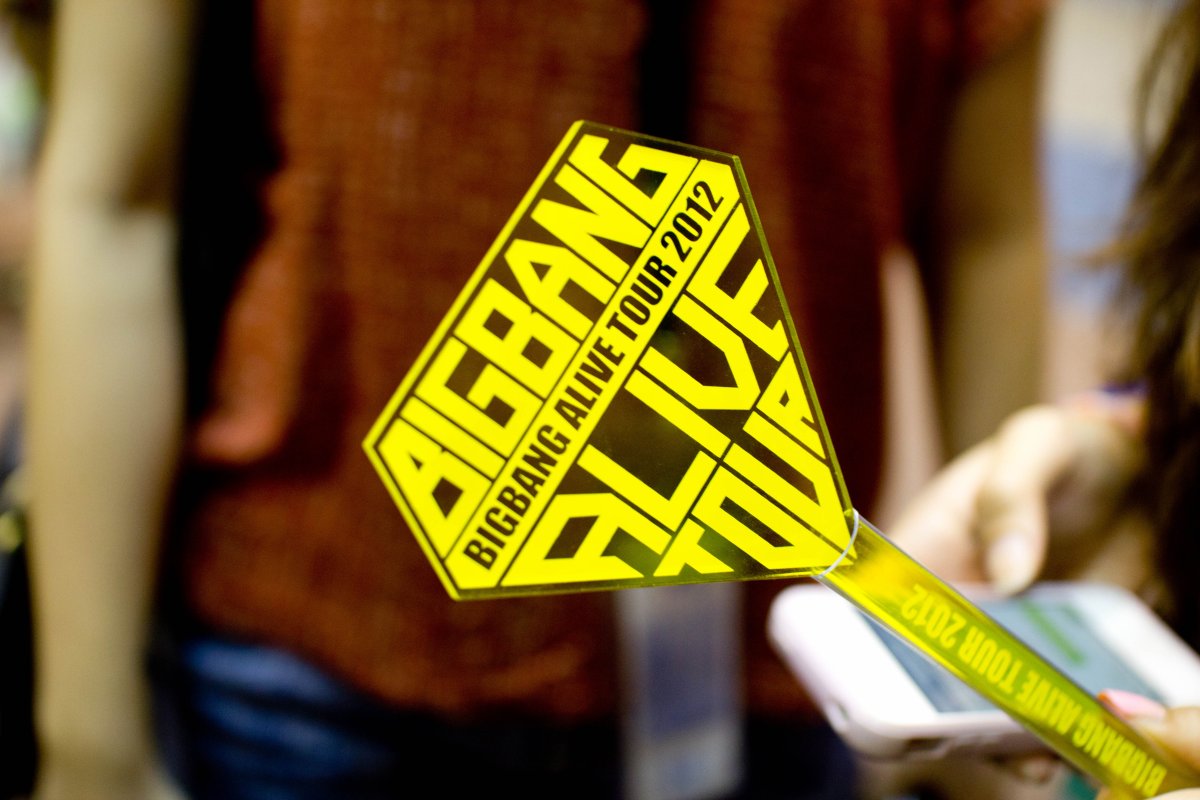
The K-pop merchandise economy is large enough and strange enough to warrant a section of its own, and the 부산 K-POP 굿즈 완전 정복: 예산별 쇼핑 가이드 approach — budget-stratified, honest about geographic limitations — is the right way to think about it. The source material is candid: Busan is not Seoul, and if you want the full range of official merchandise, fan-produced goods, and the particular retail theater of Myeong-dong or Hongdae, you need to be in Seoul. The shops around Hongdae's main strip and the dedicated idol merchandise stores in Myeong-dong operate on a logic that is partly retail and partly fandom infrastructure — places where you can spend forty minutes deciding between two versions of the same photocard.

What is worth noting, for visitors who are not already embedded in fandom culture, is that this shopping ecosystem has its own etiquette and its own economy of scarcity. Limited editions sell out. Some items are only available at specific locations. Prices for fan-produced goods (as opposed to official merchandise) are set by individual sellers and vary considerably. Going in with a budget and a specific list is more useful than going in with general enthusiasm.
Insider tip The area around SM Entertainment's SMTOWN store in Coex, Gangnam, is worth visiting even if you have only passing interest in K-pop. The store's design and the intensity of the fan activity around it are genuinely interesting as a cultural phenomenon.
9 Planning / City Overview · 0.0 km

Itinerario Perfetto a Seoul: Pianifica con Secret World
Itinerario Perfetto a Seoul: Pianifica con Secret World
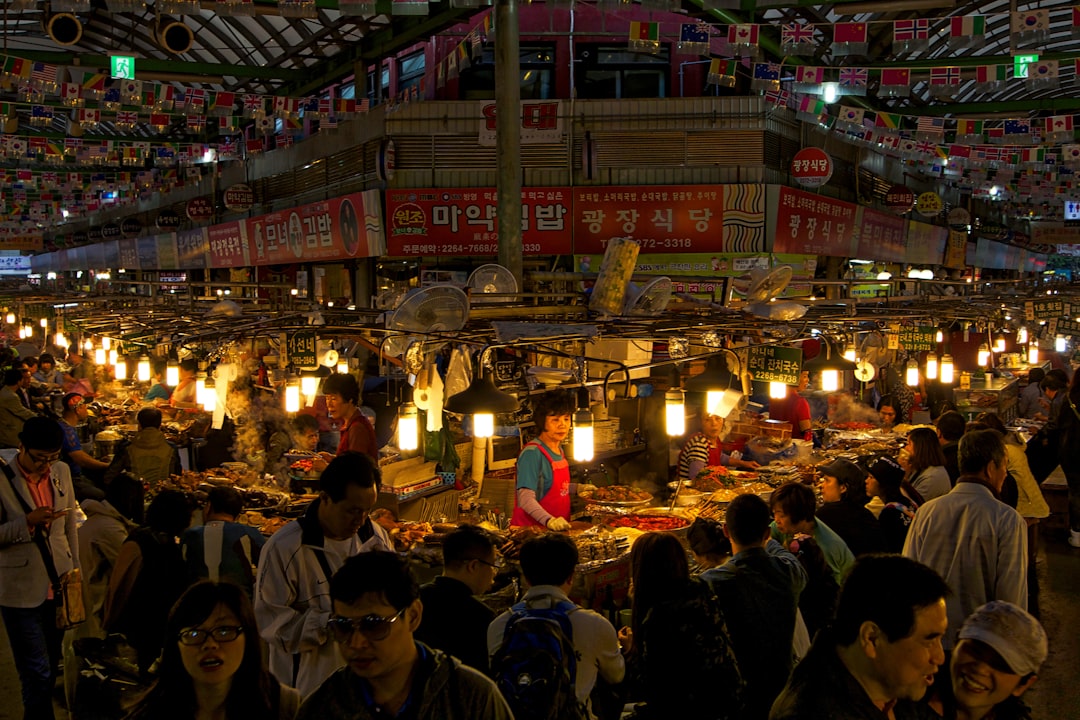
Seoul's official tourist infrastructure — the apps, the curated itineraries, the multilingual signage — is better than most cities its size, which is both useful and slightly homogenising. The Itinerario Perfetto a Seoul: Pianifica con Secret World framing gestures toward something that every experienced traveler eventually learns: that the perfect itinerary is the one you abandon by day two, when you find something the app didn't know about. The city's tension between historic Gyeongbokgung and the Dongdaemun Design Plaza — a Zaha Hadid building that looks like something from a different century entirely — is real and worth sitting with. They are not contradictions; they are the same city's different registers.

The more useful function of any planning tool in Seoul is helping you understand which neighbourhoods are adjacent in spirit rather than geography. Insadong and Bukchon feel continuous; Hongdae and Sinchon bleed into each other. Gangnam is its own separate logic. Getting that mental map in place before you arrive saves the first day from being entirely sacrificed to orientation.
Insider tip Download the Seoul Metro app (Kakao Metro or Naver Map both work well) before you land. The subway is the city's real nervous system, and understanding it makes everything else more manageable.
10 Day Trip / Traditional City · 0.0 km

전주 여행 예산 가이드: 얼마면 충분할까?

전주 여행 예산 가이드: 얼마면 충분할까?
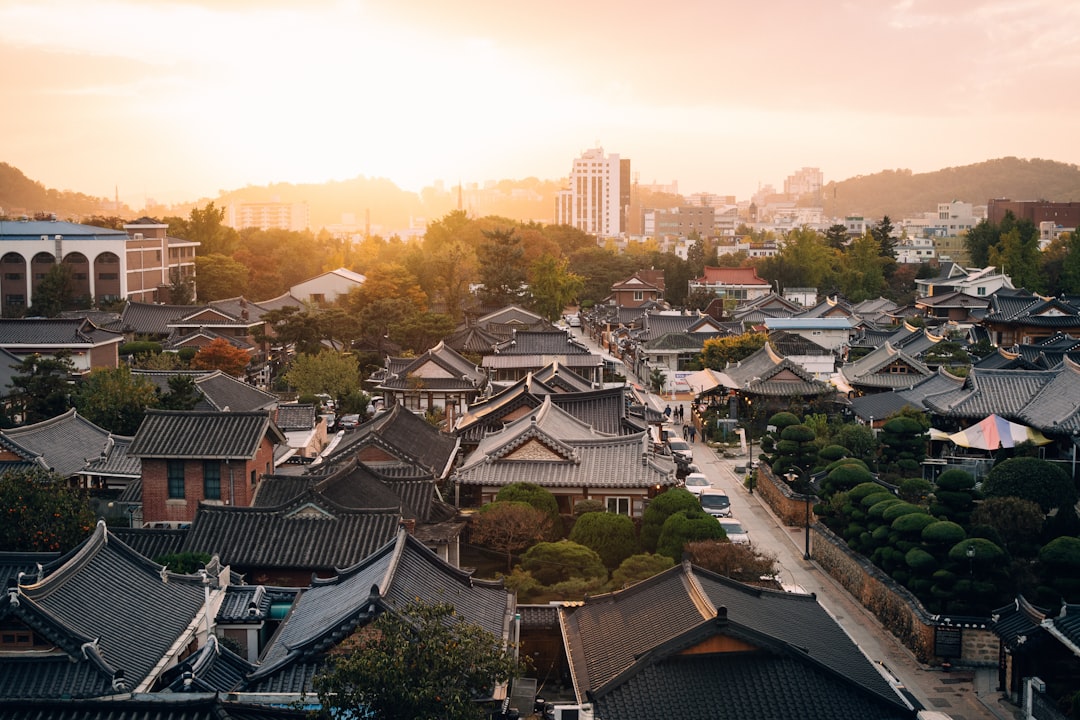
Jeonju is not Seoul, and the 전주 여행 예산 가이드: 얼마면 충분할까? question — how much is enough? — applies as much to time as to money. The city is about two hours from Seoul by KTX, which puts it within day-trip range, though overnight is better. What the source material captures accurately is the texture of the contrast: where Seoul is granite and glass and perpetual noise, Jeonju is tile roofs and the smell of fermented things and a pace that initially feels like slowness and eventually reveals itself as a different kind of attention. The Hanok Village in Jeonju is larger and less crowded than Bukchon, and the food — bibimbap in its most considered form, makgeolli in clay bowls, street snacks that are cheaper than anything in the capital — is reason enough to make the journey.

The budget question is genuinely interesting. Jeonju is significantly cheaper than Seoul for accommodation and food, which means that the KTX ticket, at around 30,000 to 40,000 won each way, is the main expense. A day in Jeonju, eating well and walking the hanok district, can be done for less than a moderate dinner in Gangnam. That arithmetic changes how you think about the city.
Insider tip Arrive hungry and go directly to the central market (Nambu Sijang) before the Hanok Village. The market food stalls open early, the crowds are local rather than tourist, and the bibimbap served in the market's food court is the version that Jeonju residents actually eat.
There is a thing that happens in Seoul, usually around the fourth or fifth day, when the city stops being a series of destinations and starts being a place. The subway stops become familiar. You develop opinions about which convenience store chain has the better kimbap. You find yourself walking an extra block to avoid a street that has too many people on it, the way a local would. None of this is insight, exactly. It is just the ordinary accumulation of experience that travel writers tend to dress up as revelation.

What Seoul actually teaches, if you let it, is something about the relationship between memory and demolition. This is a city that was largely destroyed in the early 1950s and has been rebuilding and rebuilding ever since, often tearing down what it just built to build something newer. The palaces and the hanok villages survive as conscious acts of preservation against that tendency, which gives them a different quality than old buildings in cities where age is simply the default. They are chosen. That choice is visible in how carefully they are maintained, and in the slight unreality that attaches to them — the sense that they are being held up against the city's own gravity.

You leave Seoul, usually, with the feeling that you have understood something and missed something in equal measure. That is probably the right feeling to leave with.
🏆 Pocket guide

Take this guide with you.

Save it offline, get walking directions, and discover thousands more places like the ones you just read.

Save offline Smart routes Hidden gems
Scan to download iOS / Android
Scan for AppGallery Huawei users

All places, on a map

Map data © OpenStreetMap contributors.

Frequently asked questions

What is the best time of year to visit Seoul?

Spring (late March to May) and autumn (September to November) are the most comfortable seasons. Spring brings cherry blossoms, which are genuinely worth seeing but also bring significant crowds to parks and palace grounds. Autumn has clear skies and the foliage on Namsan and in the palace gardens turns in ways that justify the photography. Summer is hot and humid, with a monsoon season in July and August that can disrupt outdoor plans. Winter is cold — genuinely cold, especially with wind — but the city functions normally, and the lack of tourist crowds at major sites is a real advantage.

How do you get around Seoul efficiently?

The subway is the correct answer for most journeys. It is extensive, reliable, cheap, and air-conditioned. A T-money card, loaded at any convenience store, works on the subway, buses, and some taxis. Taxis are metered and reasonably priced by international standards; the Kakao T app allows you to book them in English. Walking is often underestimated — many of the most interesting transitions in Seoul happen in the ten-minute walks between subway exits and destinations. Avoid driving: traffic in the city centre is slow, and parking is expensive and difficult.

Is Seoul an expensive city to visit?

It depends almost entirely on your choices. Street food, convenience store meals, and market eating are genuinely cheap — a filling meal at a pojangmacha or a market stall can cost under 5,000 won. The subway is inexpensive. Accommodation ranges from budget guesthouses in Hongdae or Insadong to hotels in Gangnam that charge rates comparable to Tokyo or London. The city's mid-range restaurant scene is good value by the standards of comparable Asian capitals. Where costs escalate quickly is in the upscale neighbourhoods — Cheongdam-dong, Apgujeong — where the pricing logic is closer to Paris than to the rest of Seoul.

Do you need to speak Korean to navigate Seoul?

Not for the basics. Subway signage is in English and Korean throughout the system. Major tourist areas have English-language menus and staff who can manage basic communication. Naver Map and Kakao Map both offer English interfaces and are more accurate for Seoul than Google Maps. That said, learning ten or fifteen words of Korean — numbers, please, thank you, where is — changes the quality of interactions in markets, smaller restaurants, and neighbourhoods outside the tourist circuit. The effort is noticed and appreciated in a way that goes beyond mere politeness.

Are there things in Seoul that tend to disappoint visitors?

Bukchon Hanok Village on a weekend afternoon is often a disappointment — the crowds are dense enough to make the experience feel more like a queue than a neighbourhood walk. Myeong-dong, once a genuinely interesting shopping district, has become heavily oriented toward tour groups and cosmetics retail, with prices that no longer reflect its original character. The Han River parks are popular with locals but can feel featureless to visitors expecting dramatic scenery. And the Dongdaemun Design Plaza, while architecturally interesting from the outside, has an interior that often fails to match its exterior ambition. None of these are reasons not to go — but calibrated expectations produce better experiences than inflated ones.

🏆 Read this offline

Save it to your phone.

Bookmark this guide, plan your trip offline, and discover thousands of places like these.

Bookmark Plan offline 60 languages
Scan to download iOS / Android
Scan for AppGallery Huawei users