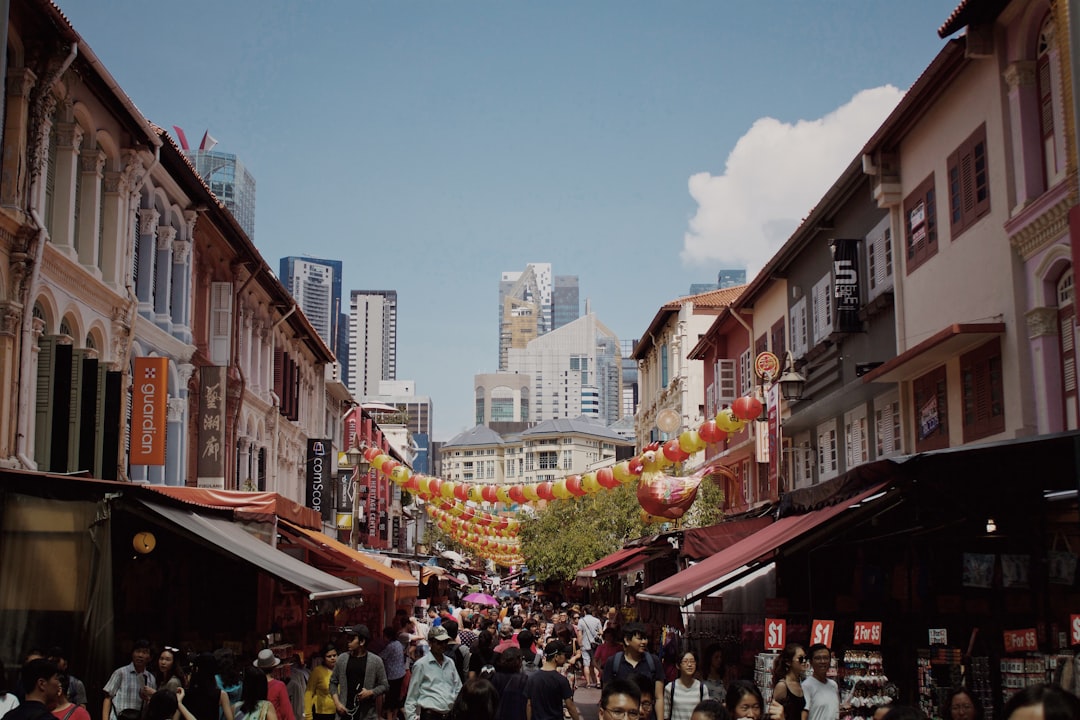
Singapore is, among other things, a city that makes fools of planners. In 720 square kilometres it packs a Chinese shophouse district, a Tamil neighbourhood, a Malay kampung heritage, a colonial administrative core, and a waterfront of such architectural ambition it looks like a film set for a near-future thriller. The density is not just physical. It is cultural, sensory, historical. You can walk from a Hindu temple to a craft gin bar in eight minutes and feel, genuinely, that you have crossed a continent.
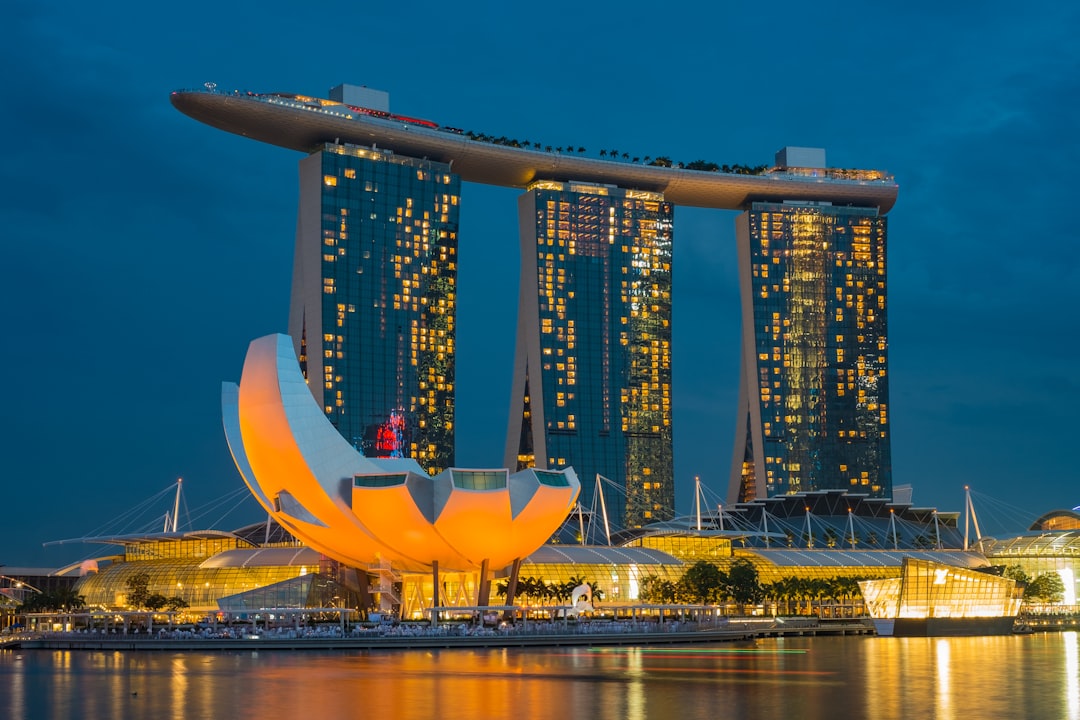
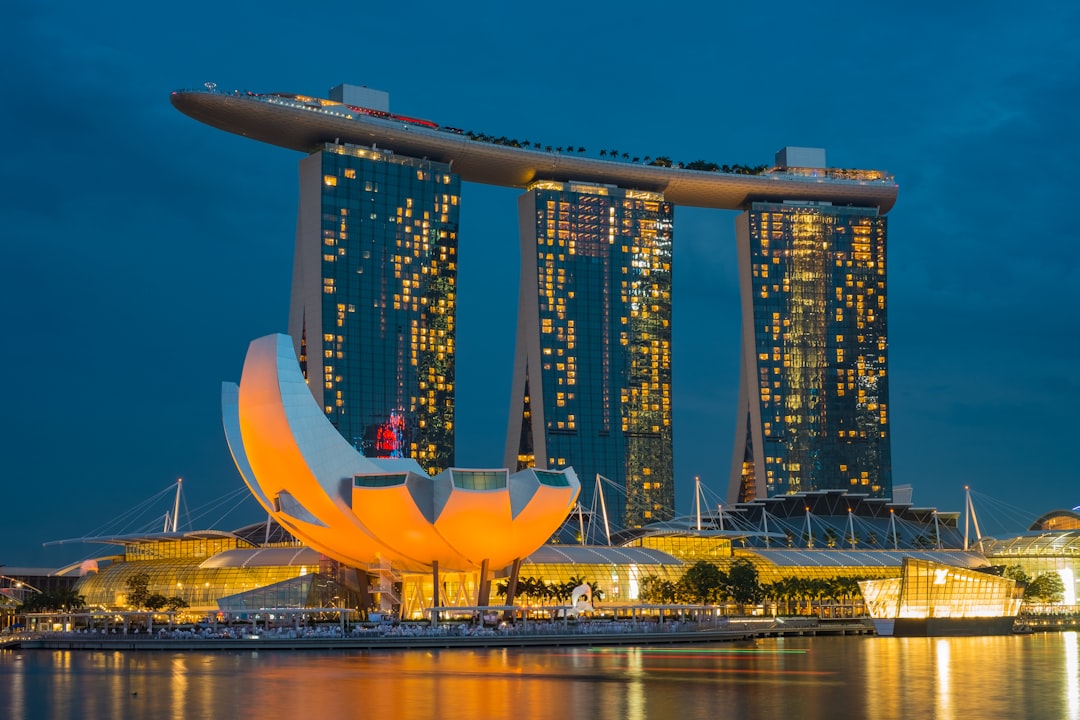
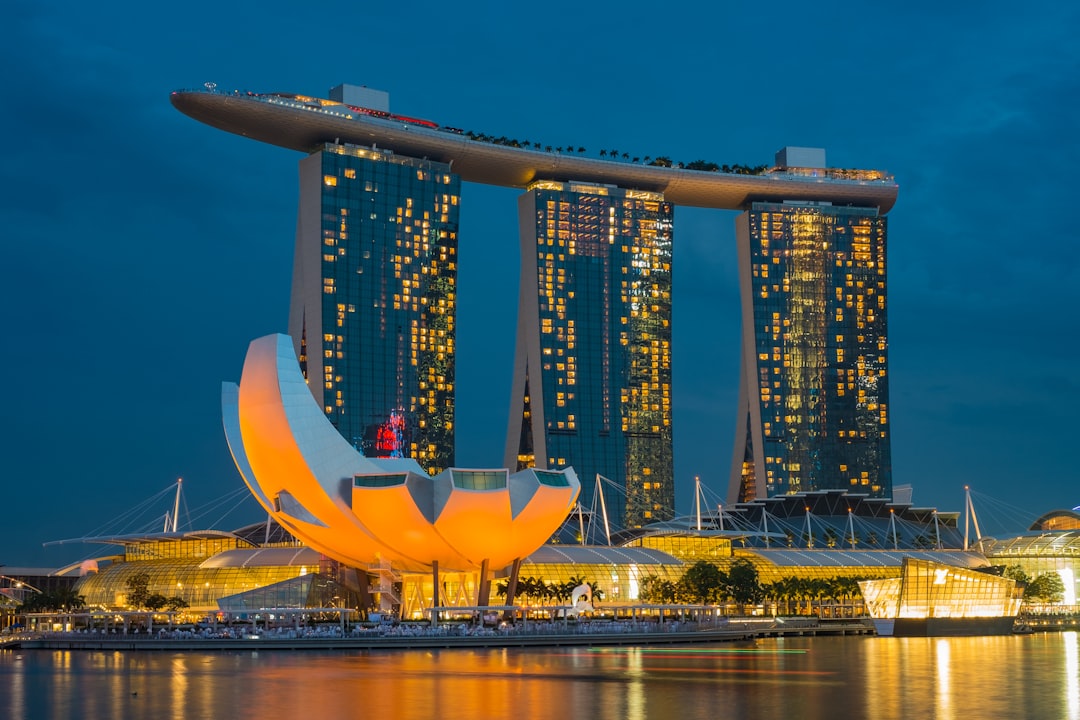
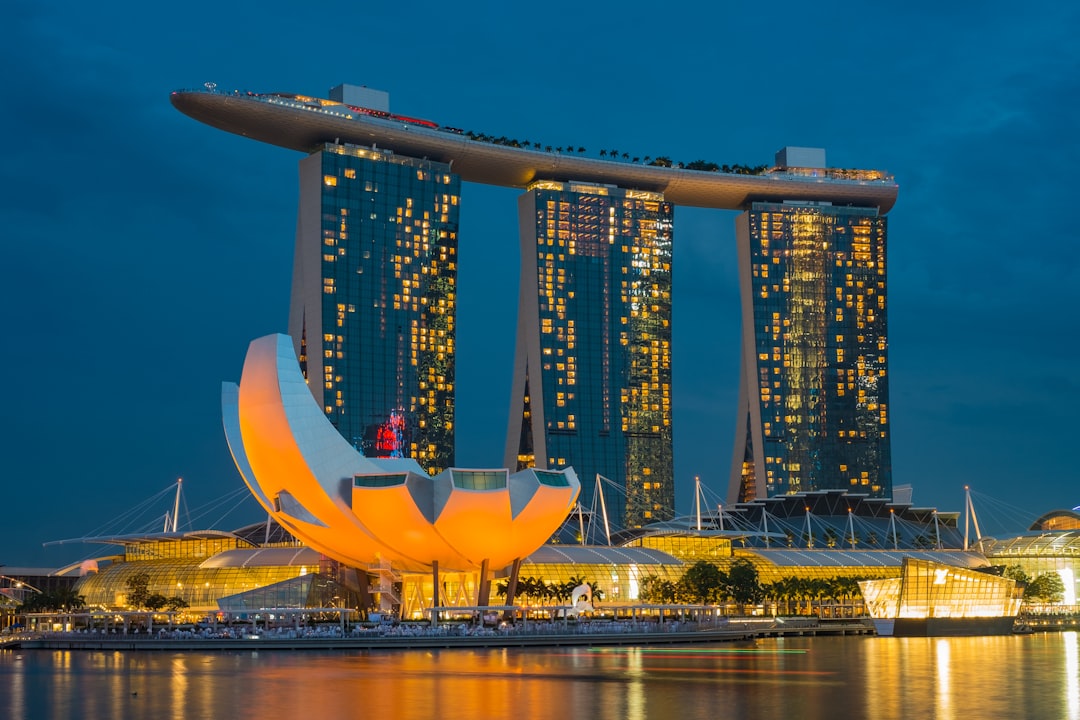
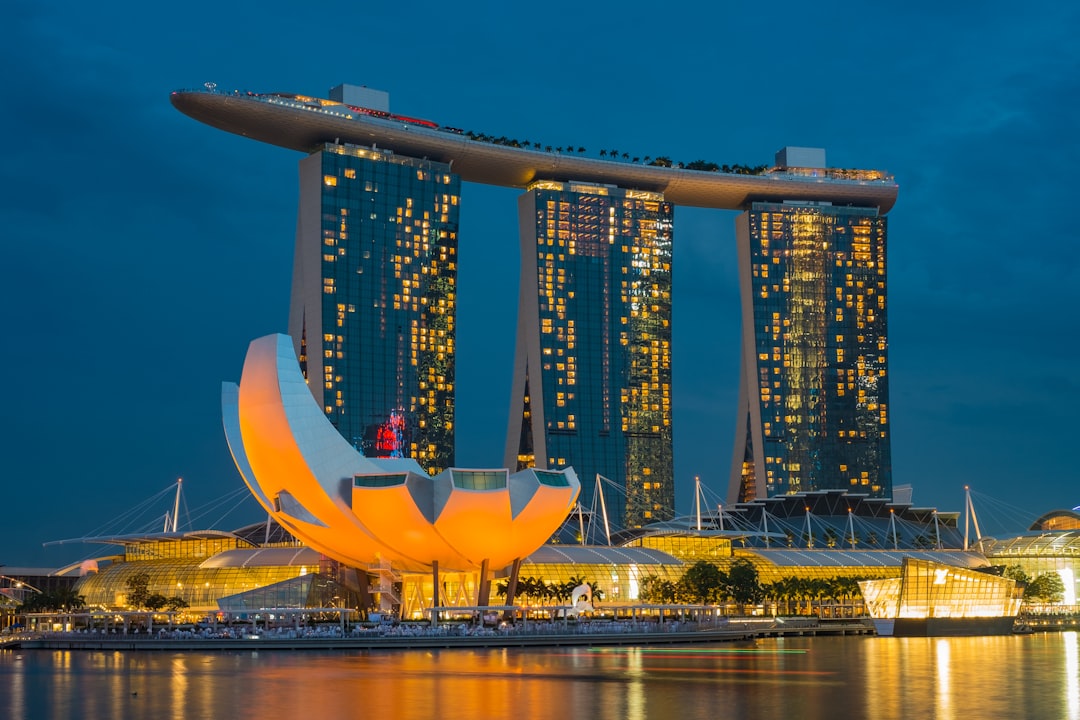
What follows is not a list of the obvious. You already know about the Marina Bay Sands infinity pool. You have seen the photographs. What I want to offer instead is a version of Singapore that takes longer to find and longer to forget — the city as it exists when the tour groups have moved on, when the light changes, when you are tired enough to stop performing the role of tourist and start simply being somewhere. Some of these places are well-known. What I am trying to describe is a way of being in them that the brochures consistently miss.
At a glance
- Chinatown: the neighbourhood that keeps surviving itself
- Little India: the one neighbourhood that refuses to be curated
- Gardens by the Bay: go at dawn, not dusk
- The Southern Ridges: four kilometres of forest above the city
- Orchard Road, sideways: the streets the mall architects forgot
- Maxwell Food Centre: the hawker centre as civic institution
- The Peranakan table: a cuisine that took three centuries to make
- Marina Bay at 6am: the city before it performs
- Fort Canning Hill: the island's long memory
- The National Museum and the question of what Singapore is
Chinatown: the neighbourhood that keeps surviving itself
The Tanjong Pagar end of the district, further from the tourist axis, still has the feel of a working neighbourhood. Wet market in the morning, old men playing chess in the afternoon.
Insider tip
The Buddha Tooth Relic Temple on South Bridge Road is free to enter and the fourth-floor museum is almost always quiet. Go between 2 and 4pm when the tour groups are elsewhere.
Little India: the one neighbourhood that refuses to be curated
An itinerary for Little India built around the standard circuit — Tekka Market, Sri Veeramakaliamman Temple, the shophouses on Kerbau Road — is a reasonable start. But the more interesting walk is the one you take without a destination, somewhere between Dunlop Street and Hindoo Road, where the neighbourhood's edges get softer and stranger. The Angullia Mosque on Serangoon Road, a building that has been there since the 1820s, sits with complete composure next to a mobile phone accessories shop. Singapore is full of these adjacencies. Little India has more of them than anywhere else.
Insider tip
Sunday afternoon is when the neighbourhood is most alive — and also most crowded. If you want the market at Tekka without the queue, arrive before 8am on a weekday.
Gardens by the Bay: go at dawn, not dusk
The reason to come is the gardens themselves at 7am, when the humidity is merely uncomfortable rather than punishing, when the Supertrees cast long shadows across the Bay South waterfront, and when the only other people present are elderly Singaporeans doing their morning tai chi and the occasional jogger. The free outdoor sections of the gardens — the Dragonfly Lake, the Heritage Gardens, the paths that run along the waterfront toward the Bayfront MRT — reward slow walking. The domed conservatories, the Flower Dome and the Cloud Forest, are worth the admission fee if you have not been before, though the queues on weekends can run to forty minutes. The context here matters: this entire area was reclaimed from the sea, the land built up from dredged sand, the gardens opened in 2011 on ground that did not exist thirty years earlier. Singapore's relationship with its own geography is one of the stranger stories in modern urbanism.
Insider tip
The OCBC Skyway walkway that runs between the Supertrees is open in the morning and offers a different perspective on the bay without the evening crowds. Tickets are sold separately from the conservatories.
The Southern Ridges: four kilometres of forest above the city
The Henderson Waves bridge, a sinuous timber structure that crests at about 36 metres above the valley floor, is genuinely worth the walk to reach it, though it photographs better than it surprises — you will have seen it before you arrive. What the photographs do not capture is the quality of the forest on either side: secondary jungle, yes, but thick enough that you can hear the birds over the traffic, and cool enough in the shade that the walk is manageable even in the early afternoon. The whole circuit, from HarbourFront MRT to Haw Par Villa MRT, takes two to three hours at a pace that allows for stopping.
Insider tip
Haw Par Villa at the eastern end of the route is one of Singapore's genuinely strange places — a 1930s theme park built around Chinese mythology, free to enter, and almost entirely devoid of other tourists on weekday mornings.
Orchard Road, sideways: the streets the mall architects forgot
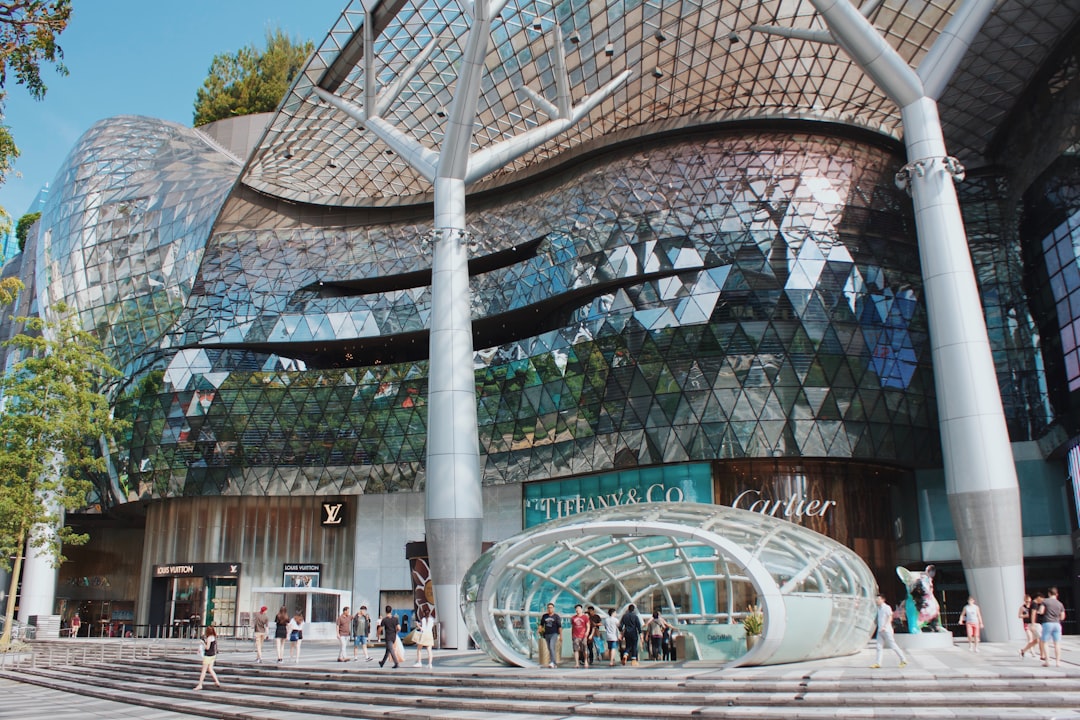
Tanglin Road, running southwest toward the Botanic Gardens, passes through a stretch of low-rise shophouses and embassies that feels almost provincial by Singapore standards. Emerald Hill Road, a conservation area of Peranakan terrace houses running north off Orchard, is the standard recommendation — and it is genuinely worth the detour, particularly in the late afternoon when the light falls on the painted facades at an angle that makes the tilework legible. The point is not to avoid Orchard Road but to use it as a spine and explore the ribs. The mall architects built inward. Everything interesting is outside.
Insider tip
The Botanic Gardens, a 15-minute walk from the Orchard end of the road, is a UNESCO World Heritage Site and free to enter. The National Orchid Garden within it charges a small admission fee and is the one part worth paying for.
Maxwell Food Centre: the hawker centre as civic institution
The queue at Tian Tian is real and can run to 30 minutes at lunch. It is worth it once. After that, explore the rest of the centre: the char kway teow stalls, the popiah vendor, the tong sui dessert shop at the back. The etiquette of hawker centres — reserving a table with a packet of tissues, ordering from multiple stalls and carrying trays across a crowded room — is worth learning before you arrive. It is not complicated, but getting it wrong marks you in ways that are mildly embarrassing.
Insider tip
Arrive at 11am, before the lunch rush. The centre opens earlier but the best stalls tend to set up around 10:30. Bring cash — most stalls still do not take cards, though this is slowly changing.
The Peranakan table: a cuisine that took three centuries to make
The canonical dishes — ayam buah keluak (chicken with the black nut from the kepayang tree, producing a sauce that tastes like nothing else on earth), babi pongteh (pork braised with fermented soybean), kueh pie tee (tiny pastry cups filled with jicama and prawn) — require restaurants that are still doing the labour-intensive versions rather than shortcuts. There are several in the Joo Chiat and Katong neighbourhoods, east of the city centre, where the Peranakan community has its strongest remaining presence. The food there tends to be better and cheaper than in the tourist-facing restaurants near Clarke Quay.
Insider tip
Joo Chiat Road on a Saturday morning has a cluster of Peranakan kueh (cake) shops that open early and sell out by midday. The coconut-based sweets are the ones to prioritise.
Marina Bay at 6am: the city before it performs
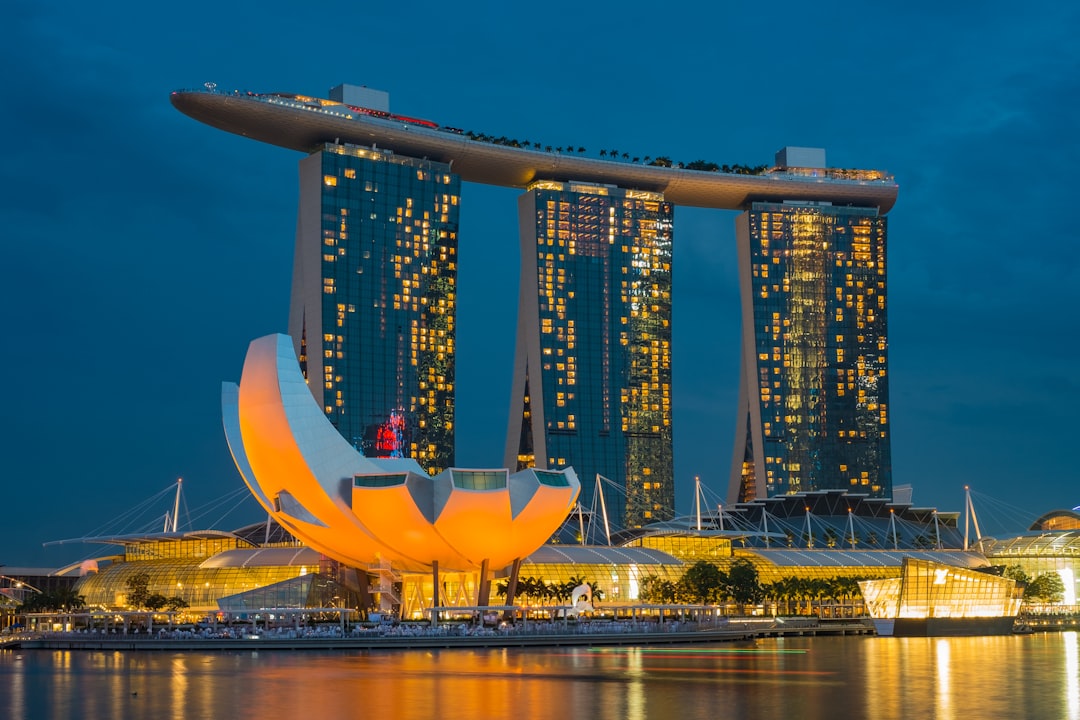
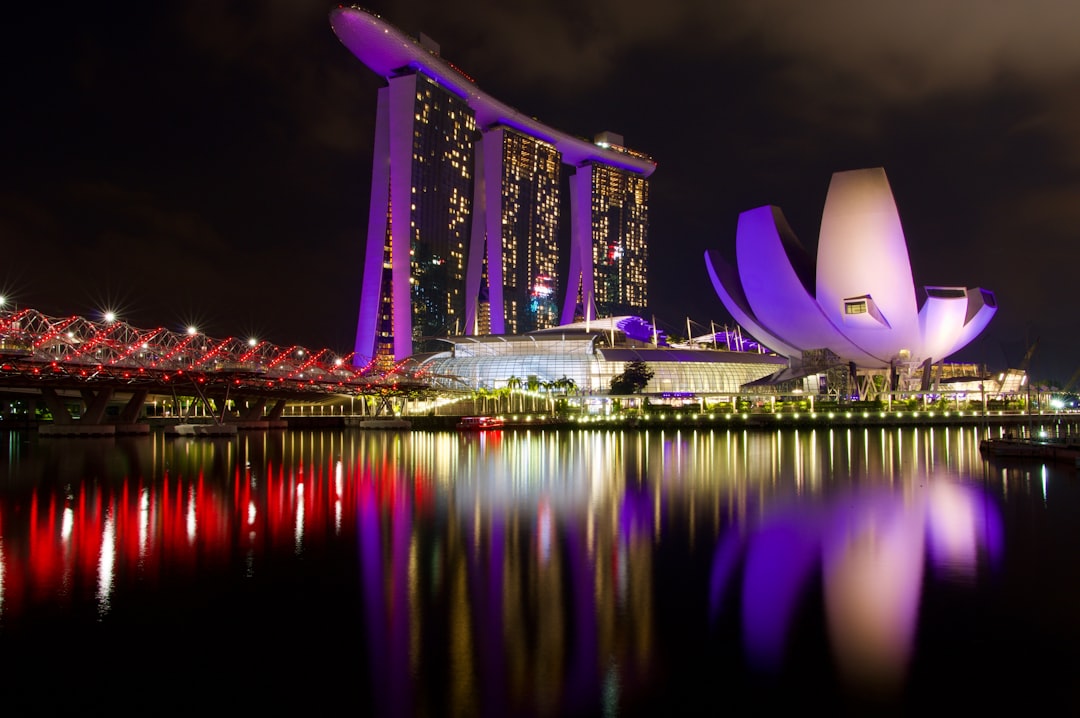
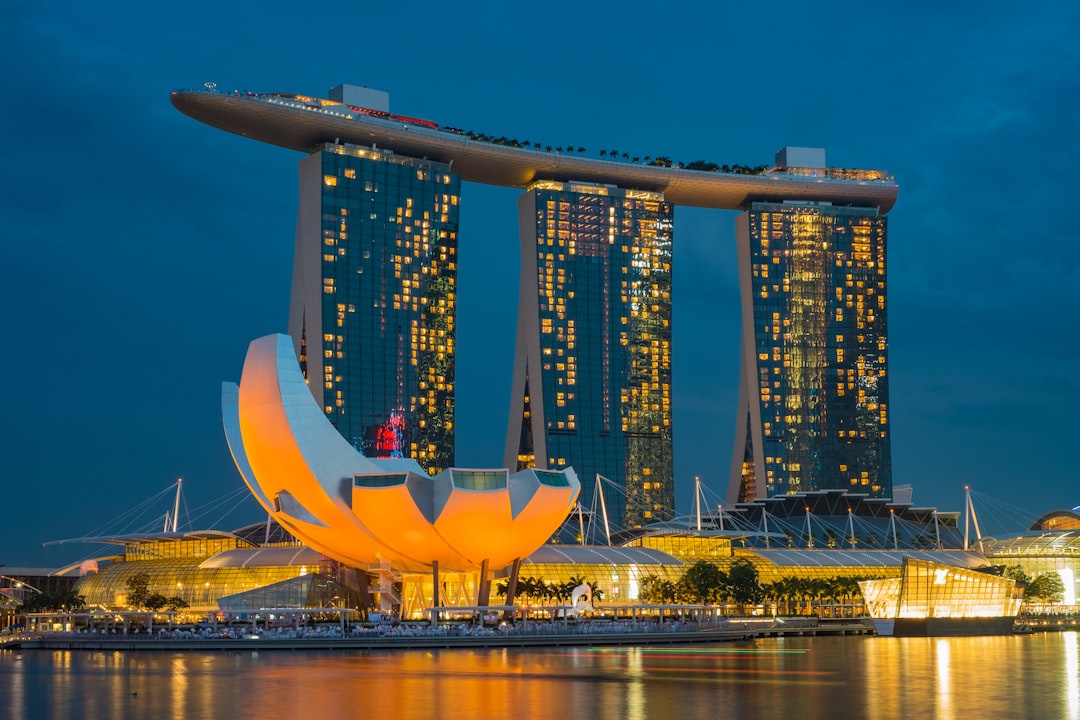
The walk from the Esplanade to the Merlion Park and then around to the Helix Bridge takes about forty minutes at a slow pace and is one of the better free experiences in the city. The Merlion itself — the half-lion, half-fish statue that functions as Singapore's national mascot — is smaller than you expect and surrounded by people taking the same photograph from the same angle at almost any hour. This is not a reason to avoid it. It is simply accurate information.
Insider tip
The rooftop bar at the Marina Bay Sands is only accessible to hotel guests without a paid ticket. The free alternative with a comparable view is the observation deck at the top of the Pinnacle@Duxton in Tanjong Pagar — $6, and almost no queue on weekday mornings.
Fort Canning Hill: the island's long memory
The Battle Box, the underground command centre from which Lieutenant General Arthur Percival directed the defence of Singapore in February 1942, is open for guided tours and is one of the more sobering historical experiences available in the city — not because of dramatisation but because of its plainness, the smallness of the rooms, the ordinariness of the furniture in which an enormous decision was made. The hill's surface, covered in mature rain trees and connected by paths that run between the old fort gate and the Armenian Church below, is a reasonable place to sit and think about what the city is built on.
Insider tip
The Armenian Church of St Gregory the Illuminator, at the foot of the hill on Hill Street, is the oldest Christian church in Singapore (consecrated 1836) and is usually unlocked during the day. It is very quiet inside.
The National Museum and the question of what Singapore is
The founding mythology of Singapore — that Stamford Raffles arrived in 1819 and established a trading post on an uninhabited island — is complicated here, gently but genuinely, by the evidence of earlier settlement, of the Malay kingdom that preceded the British, of the Indian, Chinese, and Malay communities whose labour built the colony. The museum does not resolve the tension between the city's official self-image and its actual history. It just makes the tension visible, which is more than enough. Admission to the permanent galleries has been free in recent years, though temporary exhibitions charge separately.
Insider tip
The museum café in the old rotunda is a reasonable place to sit after the galleries, and the building itself — the dome, the original 1887 structure — is worth examining from the outside before you go in.
Singapore rewards a particular kind of traveller: not the one who wants to be surprised by chaos, but the one who is willing to look carefully at order and find the strangeness underneath it. The city is, in some ways, the most controlled urban environment on earth — the fines for jaywalking, the prohibition on chewing gum, the housing policy that has shaped where almost every resident lives — and yet it produces, out of that control, a genuinely plural culture, a food tradition of remarkable depth, a relationship between ethnic communities that is neither frictionless nor broken.
What I keep coming back to, after many visits and one extended stay, is the feeling that Singapore is a city in the middle of an argument with itself about what it is and what it wants to be. The argument is conducted quietly, in architecture and food and museum curation and the names on street signs, rather than in political speech. You have to know where to look.
The ten things in this list are not the ten best things in Singapore in any absolute sense. They are ten ways of paying attention to a place that has thought very hard about itself and is still not entirely sure what it has found. That uncertainty, in a city this confident, is the most interesting thing about it. Come with time, come without the spreadsheet, and eat something you cannot identify. The rest will follow.
What I keep coming back to, after many visits and one extended stay, is the feeling that Singapore is a city in the middle of an argument with itself about what it is and what it wants to be. The argument is conducted quietly, in architecture and food and museum curation and the names on street signs, rather than in political speech. You have to know where to look.
The ten things in this list are not the ten best things in Singapore in any absolute sense. They are ten ways of paying attention to a place that has thought very hard about itself and is still not entirely sure what it has found. That uncertainty, in a city this confident, is the most interesting thing about it. Come with time, come without the spreadsheet, and eat something you cannot identify. The rest will follow.