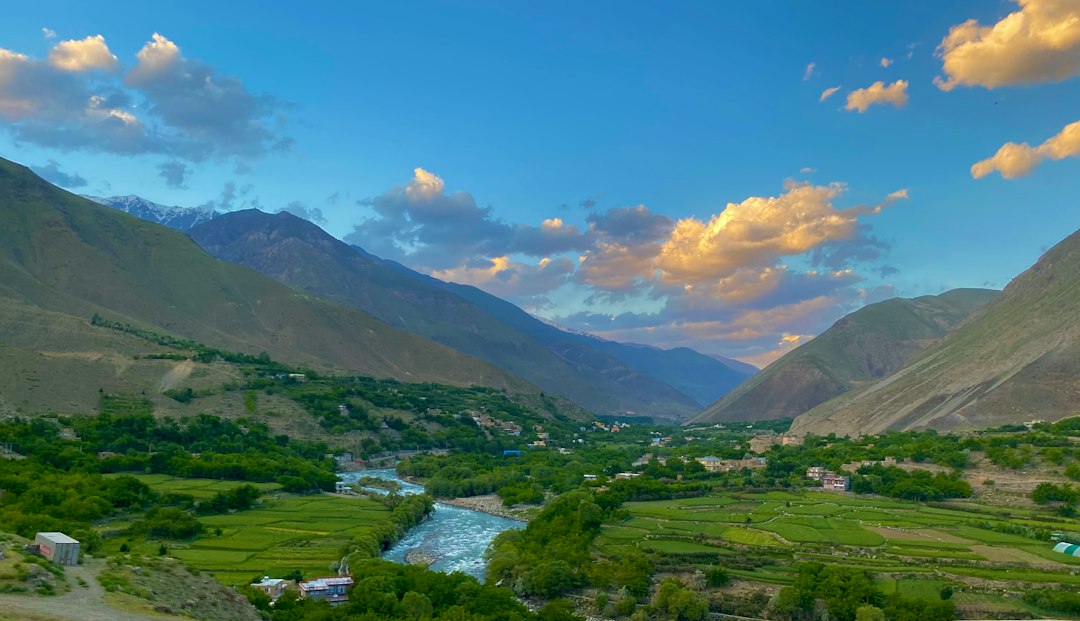

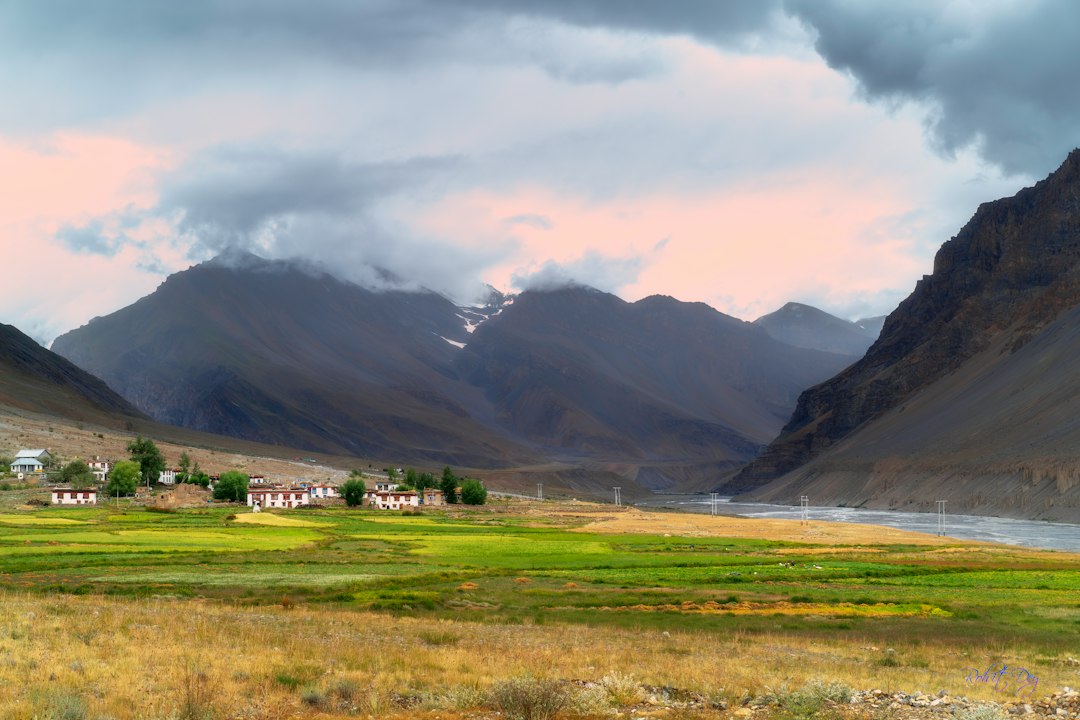
The journey begins at the edge of the rice fields, with feet still dry and the valley of the Mo Chhu river opening behind. A few steps beyond the village of Ruepisa, the path climbs steadily through cultivated terraces and then winds into a forest of pines and rhododendrons, where the shade is thick even in the central hours of the day. The destination is the Khamsum Yulley Namgyal Chörten, a Buddhist stupa built on a hill that overlooks the entire Punakha valley, in the heart of western Bhutan.
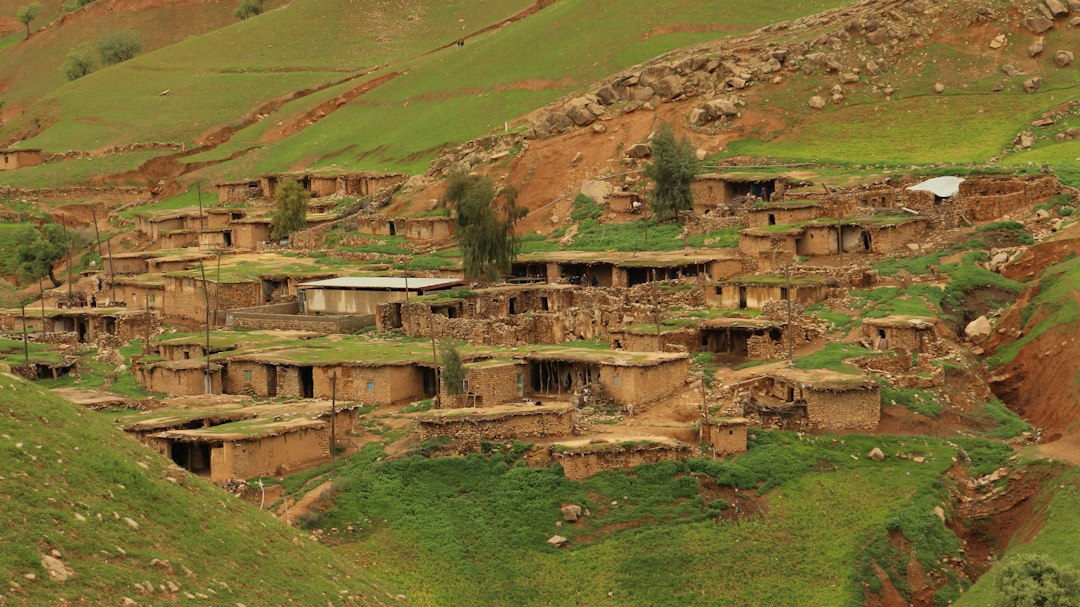
The stupa was completed in 1999 and its construction was commissioned by the Queen Mother Ashi Tshering Yangdon Wangchuck, with the intention of protecting the country from negative influences and promoting peace. The building, about 28 meters tall, represents one of the most elaborate examples of contemporary Bhutanese religious architecture, with four levels decorated with statues of deities and murals covering every interior wall.
The path between rice fields and forest
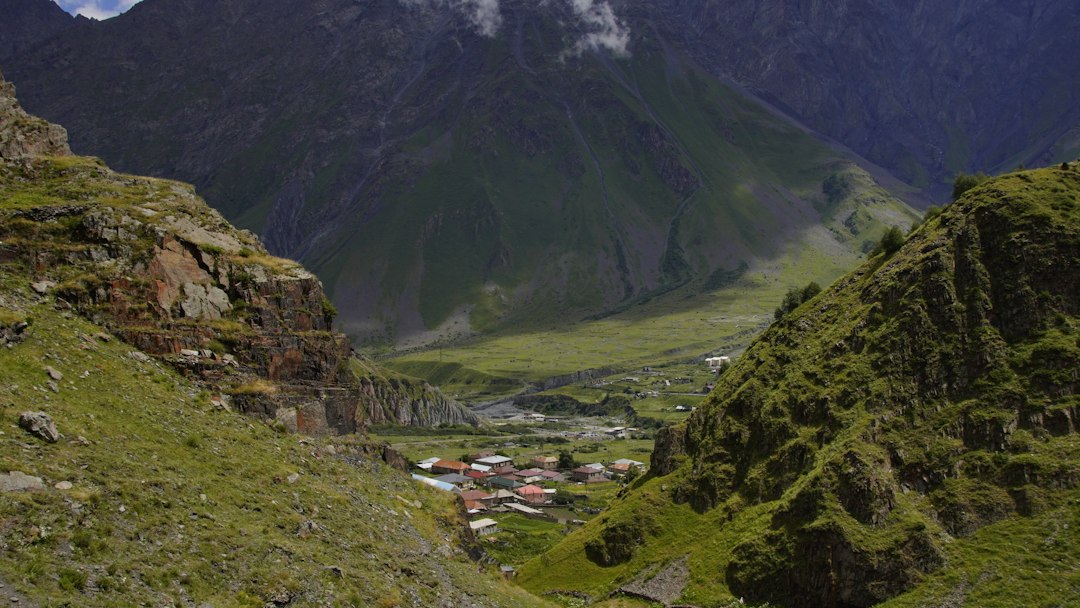
The route from the starting point near the river to the stupa takes on average 45-60 minutes of walking at a moderate pace. It is not a challenging trek, but the elevation gain is real: the path steadily climbs, and on humid days, the dirt path can become slippery. The first few minutes are spent among the cultivated fields, where it is common to encounter farmers at work, especially during the rice transplanting season between June and July.
Once past the agricultural area, the forest takes over. The path is marked and fairly clear, but in some places it narrows and requires attention. Along the way, prayer flags appear tied to the trees, and small votive shrines are encountered, indicating that the journey has a religious significance for the locals, not just a tourist one. The air becomes cooler as you ascend, and the sound of the river fades away until it disappears.
The Arrival and Structure of the Stupa
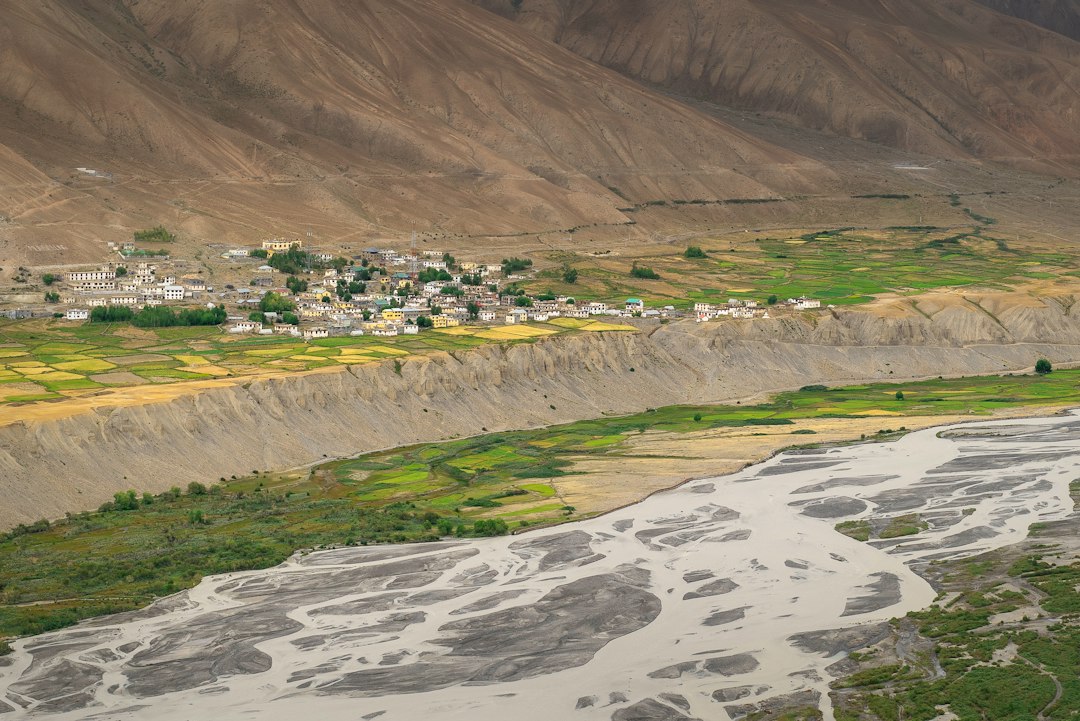
Once at the top, the view opens up unexpectedly: the Punakha Dzong, the monastic fortress built in 1637 at the confluence of the Mo Chhu and Pho Chhu rivers, appears below like a white and golden ship anchored among the waters. On clear days, the Himalayan hills that close the horizon to the north complete a panorama that alone justifies the ascent.
The stupa itself is accessible inside: the four levels can be reached via narrow and steep stairs, and each floor houses statues of Buddhist deities surrounded by thangka and golden relief decorations. The interior is dark and intimate, with butter lamps lit by the faithful. Visitors are invited to walk around the building in a clockwise direction, following the Buddhist tradition of kora. On the outer walls, the architectural details include protective masks and hand-painted floral patterns that take time to be appreciated in their complexity.
Practical tips for the visit
The starting point of the trail can be reached by car from Punakha in about 15-20 minutes, crossing the Mo Chhu river on a pedestrian suspension bridge that is already a small attraction in itself. There is no specific entrance ticket for the stupa, but visiting Bhutan requires payment of the mandatory daily tourist fee set by the Bhutanese government, which already includes access to cultural sites.
The best time for the ascent is early in the morning, before clouds form on the hills and obscure the view of the Dzong. Alternatively, late afternoon offers warm light on the rice fields. It is advisable to bring enough water, as there are no refreshment points along the trail. Shoes with non-slip soles are recommended, especially during the monsoon season from June to September. The complete visit, including the ascent, the visit inside the stupa, and the descent, takes on average two and a half hours.
The context of the Punakha valley
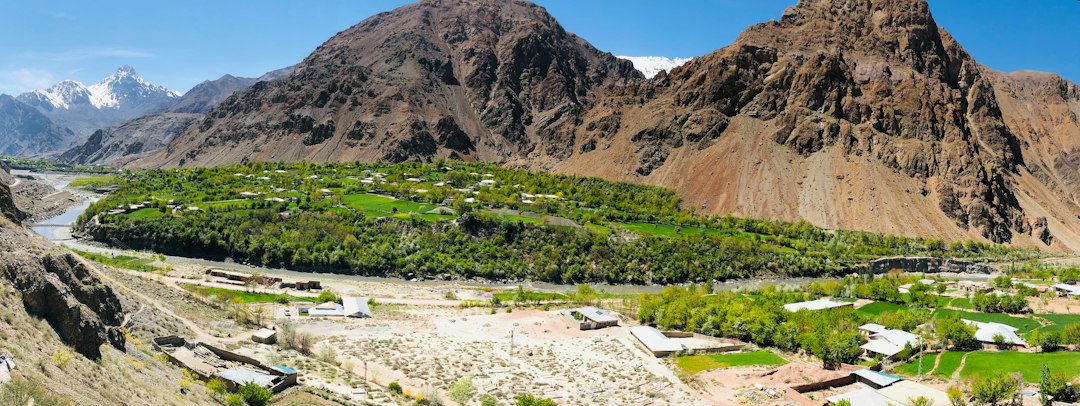
Punakha is one of the most fertile valleys in Bhutan, with a mild climate that makes it cultivable all year round. This trail allows you to observe the Bhutanese agricultural landscape up close, with a natural progression from cultivated plains to forest up to the viewpoint. It is not a path isolated from the human context: nearby villages are inhabited, and it is common to encounter children returning from school or elderly people climbing to the stupa for daily devotions.
The combination of walking in nature, religious architecture, and the panorama of the historic fortress makes this route one of the most complete that can be taken in the Punakha region without special equipment. It is accessible to those with a normal physical condition and represents a concrete way to connect with the landscape and daily life of the valley, away from purely monumental circuits.