
Because of its location, the Museum of St. Francis in Folloni is a museum structure closely linked to the territory, functional to the enhancement of inland areas and the preservation of an artistic heritage particularly affected by the earthquake of 1980. Opened to the public on September 18, 1981, enlarged in November '82, it contains works recovered in the most affected villages, such as Lioni, Conza della Campania, where art artifacts were found that are often authentic discoveries. Currently, most of the works have returned to their places of origin, but those that remain will soon be set up in a new museum setting. Among the many silverware, liturgical objects and sacred vestments conserved in the museum, of particular note is the splendid silver processional cross from the Aragonese period, some Neapolitan chalices, and above all the fifteenth-century vestments of Diego I Cavaniglia, found during excavations carried out in the convent. Recently restored and analyzed, the count's farsetto and giornea have shown how Naples was the protagonist of a Renaissance culture of European importance, for the workmanship of the fabrics and the type of decorations produced. Among the paintings that are certainly interesting are a San Francesco in ecstasy that the most up-to-date critics believe to be the work of the workshop of the painter Francesco Solimena and a painted lunette depicting an Annunciation, recently attributed to the Marche artist Francesco da Tolentino.
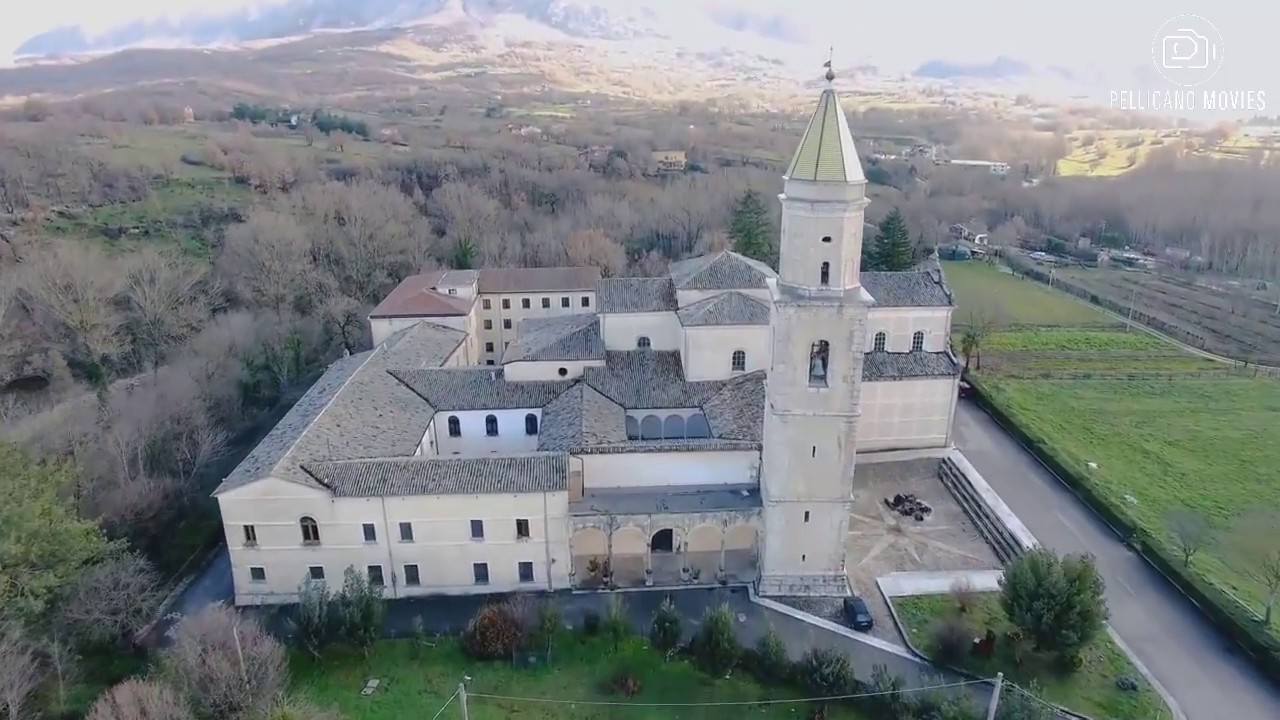
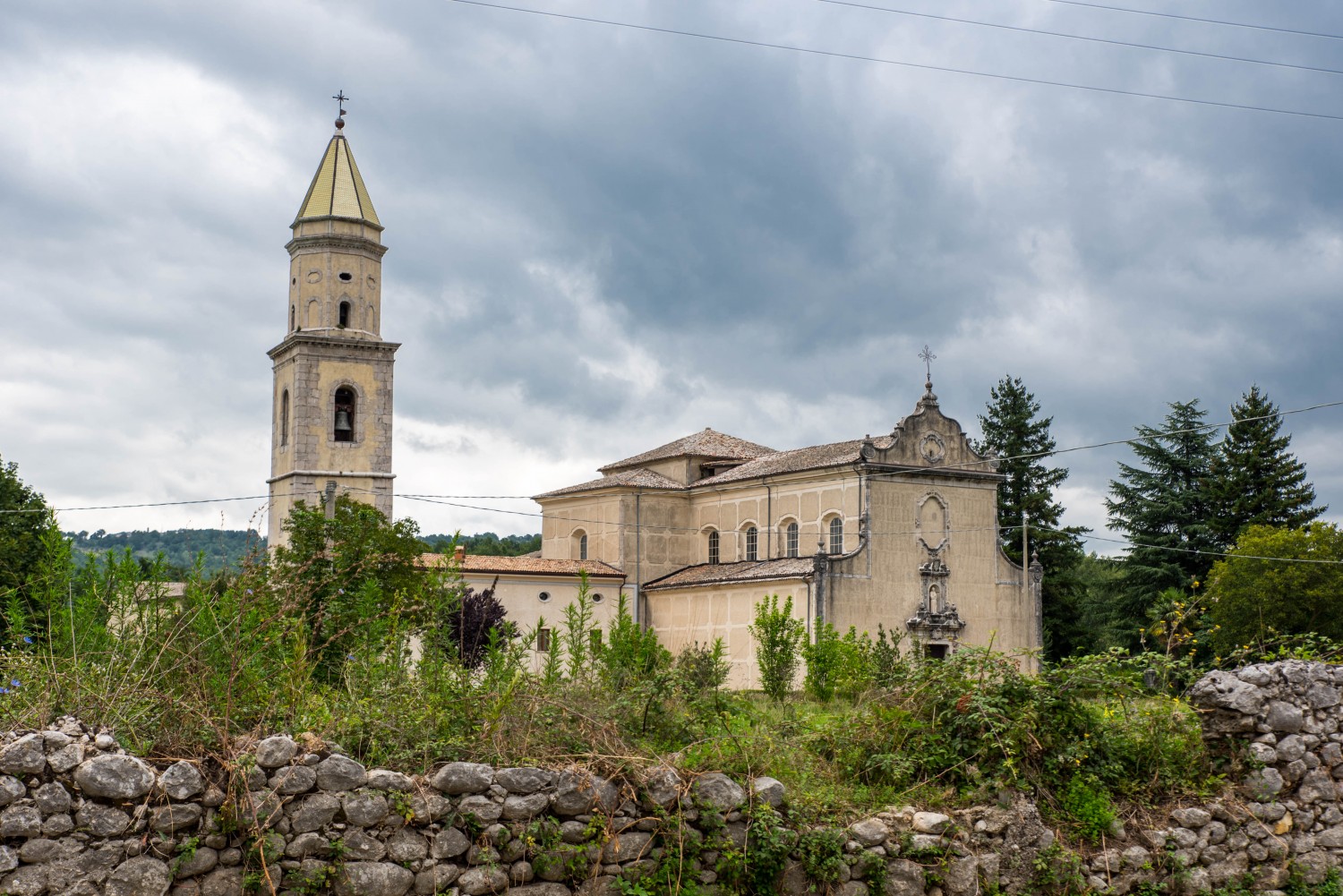
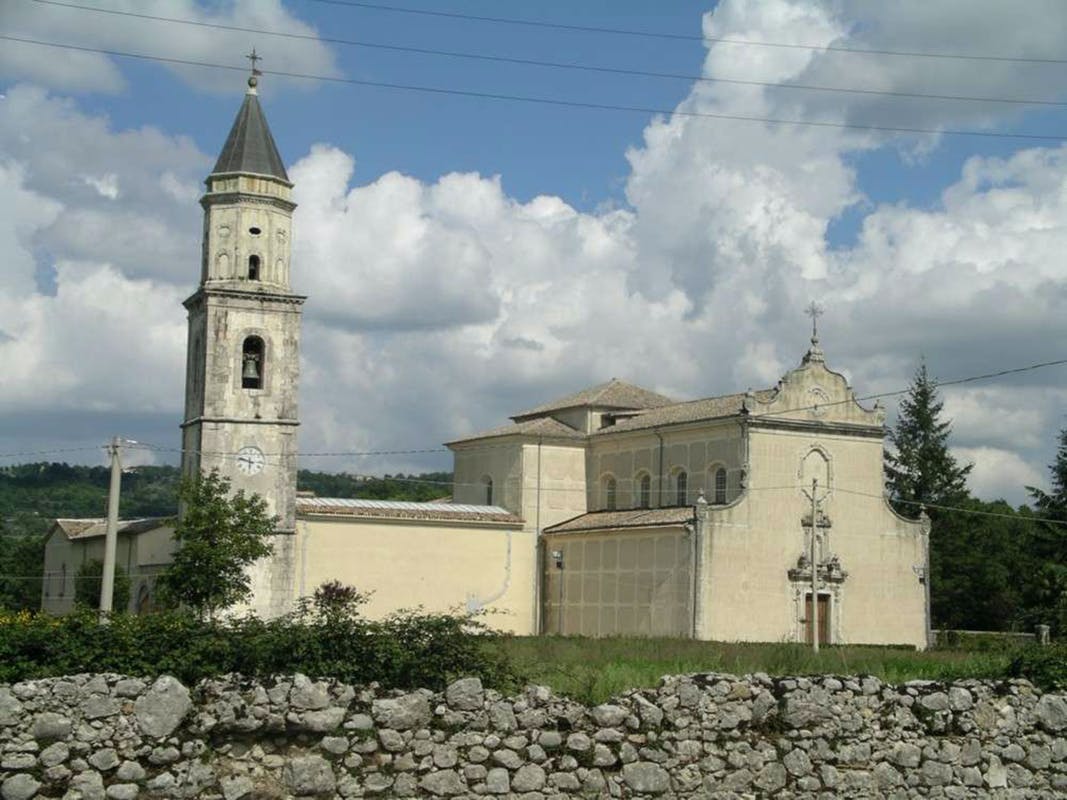
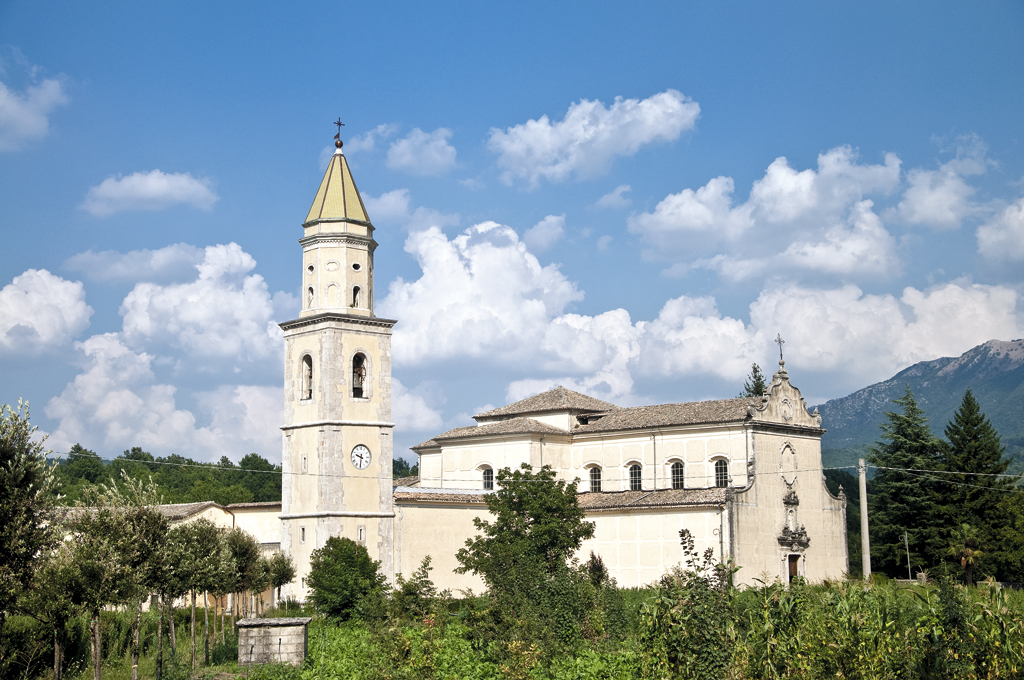
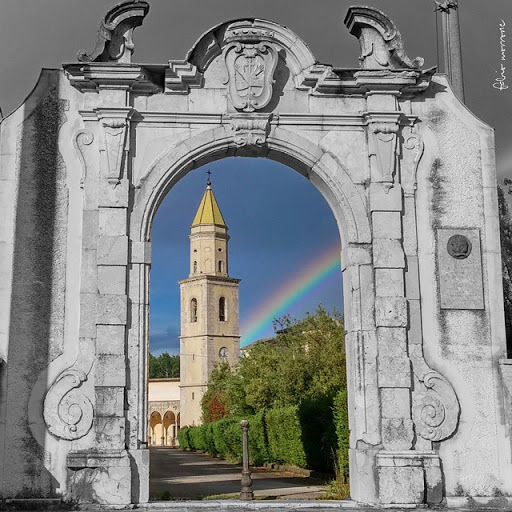
The history of the complex of St. Francis in Folloni dates back to the thirteenth century and is connected to the legend of the journey of St. Francis of Assisi to the sanctuary of St. Michael the Archangel on the Gargano. The first nucleus of the complex dates back to the thirteenth century and the ancient hermitage stood where today is the sacristy, as confirmed by wall remains emerged in recent excavations. In the sixteenth century a larger convent was built, but even of this phase there are only a few intact rooms, such as the cloister with the cistern. It is in the middle of the eighteenth century that the complex assumed the final architectural structure, with the construction of a new cloister and a new church that retained, like the previous ones, the title of the Annunciation. Of the sixteenth-century environments was preserved the left aisle and the choir, now known as the Chapel of the Crucifix (but the description of the church of '500 is in the Platea of the convent (1740-41), preserved in the State Archives of Avellino). The church has a single nave with side chapels, transept and choir embellished with stuccoes. Eighteenth-century are all the liturgical furnishings such as altars, the piles of holy water, the choir stalls, the pulpit and the confessionals. From the choir of the church leads to the Chapel of the Crucifix, whose altar contains the venerated relic of the Sack of St. Francis, and the sacristy, a rectangular plan, embellished with fine wooden carvings of the bench and a beautiful marble washbasin decorated with scrolls and dolphins crossed. In this environment is placed the magnificent cenotaph erected by Margherita Orsini in honor of her husband Diego I Cavaniglia, Count of Montella, who died in September 1481 for a wound suffered in Otranto, besieged by the Turkish fleet of Muhammad II, an ally of the Serenissima in the war between Naples and Venice. The suppressions of the French decade (1806-1816) and those following the Unification of Italy caused the abandonment of the convent by the friars who returned only in 1933, when it was restored thanks to the support of the citizens of Montella and Umberto II of Savoy, lover of this place.