
🎄 Win a month in Italy for two — €10,000 · The Secret Italy Prize GO →
← Back

Museum of the Sanctuary of Our Lady of Bonaria

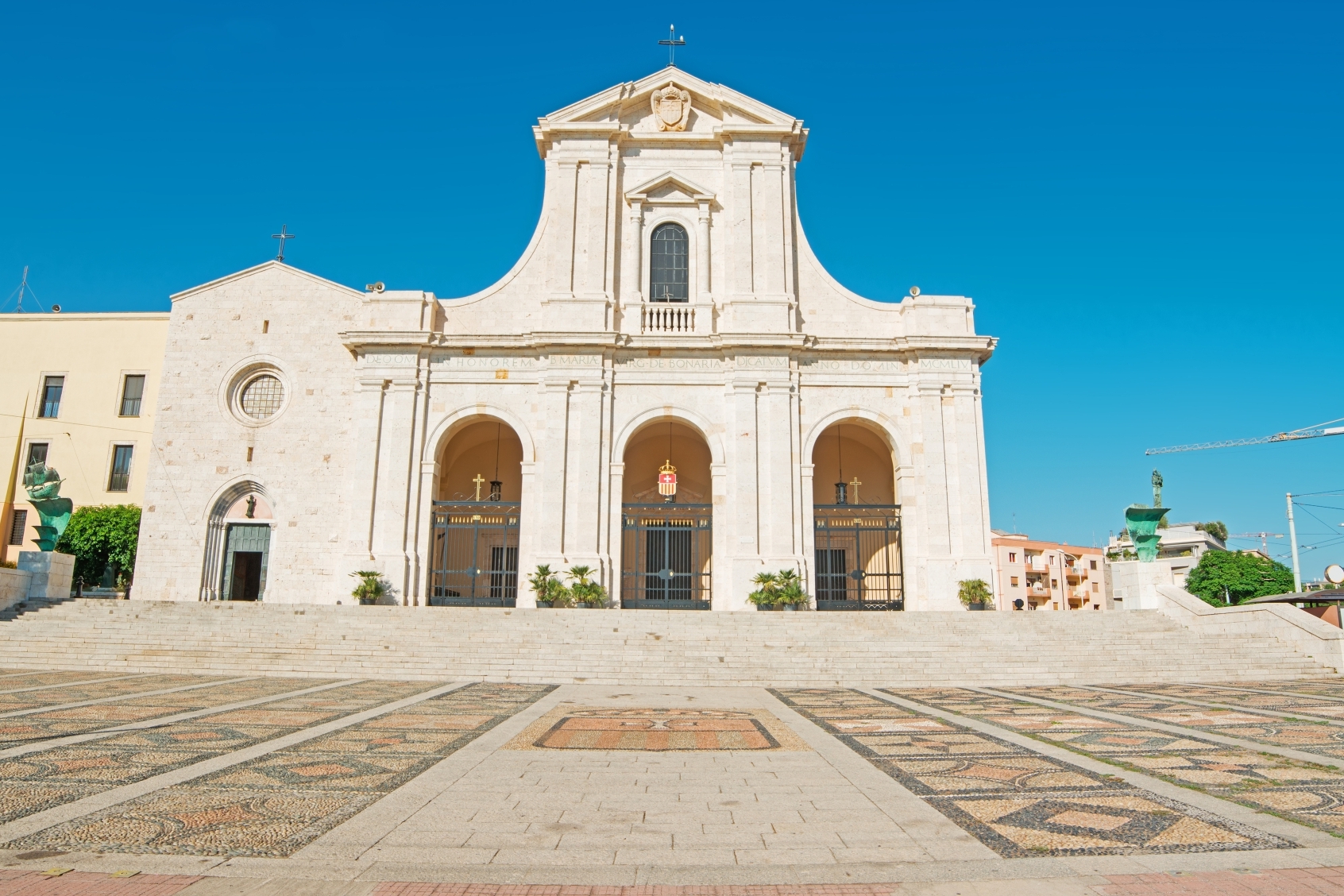
Museum of the Sanctuary of Our Lady of Bonaria — Cagliari, Italia.

Viale Bonaria, 4, 09125 Cagliari CA, Italia ★★★★☆ 244 views
Giovanna Pascoli
Cagliari
🏆 AI Trip Planner 2026

Get the free app

Discover the best of Cagliari with Secret World — the AI trip planner with 1M+ destinations. Get personalized itineraries, hidden gems and local tips. Free on iOS & Android.

🧠 AI Itineraries 🎒 Trip Toolkit 🎮 KnowWhere Game 🎧 Audio Guides 📹 Videos
Scan to download iOS / Android
Scan for AppGallery Huawei users

About Museum of the Sanctuary of Our Lady of Bonaria

Museum of the Sanctuary of Our Lady of Bonaria - Cagliari | Secret World Trip Planner

The museum is located in the spaces adjacent to the Sanctuary of Our Lady of Bonaria, on the hill of the same name, in a building of Aragonese origin and seat of the Mercedari order, known above all for its commitment over the centuries in favour of the liberation of slaves. The Sanctuary, instead, owes its fame to the wooden simulacrum of the Madonna landed on the beach in front of it in 1370, and to the consequent affirmation of a strong cult of the Virgin as protector of sailors. The relics collected are, for the most part, votive offerings of those who escaped shipwreck or slavery, but there is no lack of offerings from sovereigns and people with illustrious names such as, for example, the golden crowns offered, in February 1816, by Vittorio Emanuele I and Maria Teresa. Vestments, monstrances, chalices and precious reliquaries, gifts from princes and prelates, are thickened in the windows. From the top of a wall shines the large silver anchor offered by Queen Margherita of Savoy. Sabres, decorations, coins, porcelain and even sounding and bombs fill the display cases.


🗺 The smart Trip Planner app 🎄 Win a month in Italy — €10,000 →

Plan your visit to Cagliari

Suggested itinerary near Museum of the Sanctuary of Our Lady of Bonaria

MAJ+
500.000+ travelers worldwide
  1. 🌅
    Morning
    Museum of the Sanctuary of Our Lady of Bonaria
    📍 Cagliari
  2. ☀️
    Afternoon
    Cagliari 1920 History & Gallery
    📍 1.4 km · Cagliari
  3. 🌆
    Evening
    Top AI Travel Apps in Cagliari 2026: Discover Secret World
    📍 1.7 km · Cagliari

Buy Unique Travel Experiences

Powered by Viator

See more on Viator.com

Explore nearby · Cagliari

Frequently Asked Questions

The museum is renowned for housing a wooden statue of the Madonna that miraculously landed on the beach in 1370, which sparked a powerful cult of the Virgin Mary as the protector of sailors. The collection primarily features votive offerings from those who survived shipwrecks and slavery, along with precious gifts from royalty and religious leaders.
The museum displays an impressive collection including golden crowns donated by Vittorio Emanuele I and Maria Teresa in 1816, ornate vestments, monstrances, chalices, precious reliquaries, a large silver anchor from Queen Margherita of Savoy, sabres, decorations, coins, porcelain, and even cannons and bombs. These items represent centuries of donations from both common people and illustrious figures.
The museum is located in a building of Aragonese origin that served as the seat of the Mercedari order, a religious community known for their centuries-long commitment to liberating enslaved people. This historical connection makes the site particularly meaningful, as many of the votive offerings come from those who escaped slavery.
The museum is situated on the hill of Bonaria in spaces adjacent to the Sanctuary of Our Lady of Bonaria, housed within the historic Aragonese building that once served as the seat of the Mercedari order. The hilltop location offers proximity to both the museum and the sanctuary where the miraculous wooden Madonna statue is venerated.
The majority of items in the collection are votive offerings left by sailors and slaves who survived shipwrecks or achieved freedom, making each piece a personal testament to faith and deliverance. In addition to these humble offerings, the museum also features lavish gifts from sovereigns and religious prelates, creating a fascinating mix of devotion across all social classes.