
← Back

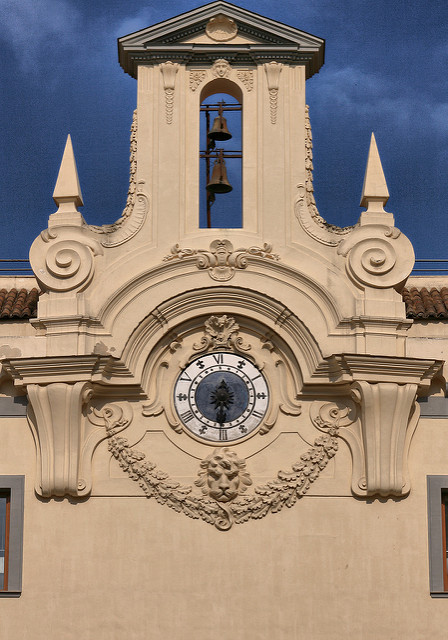
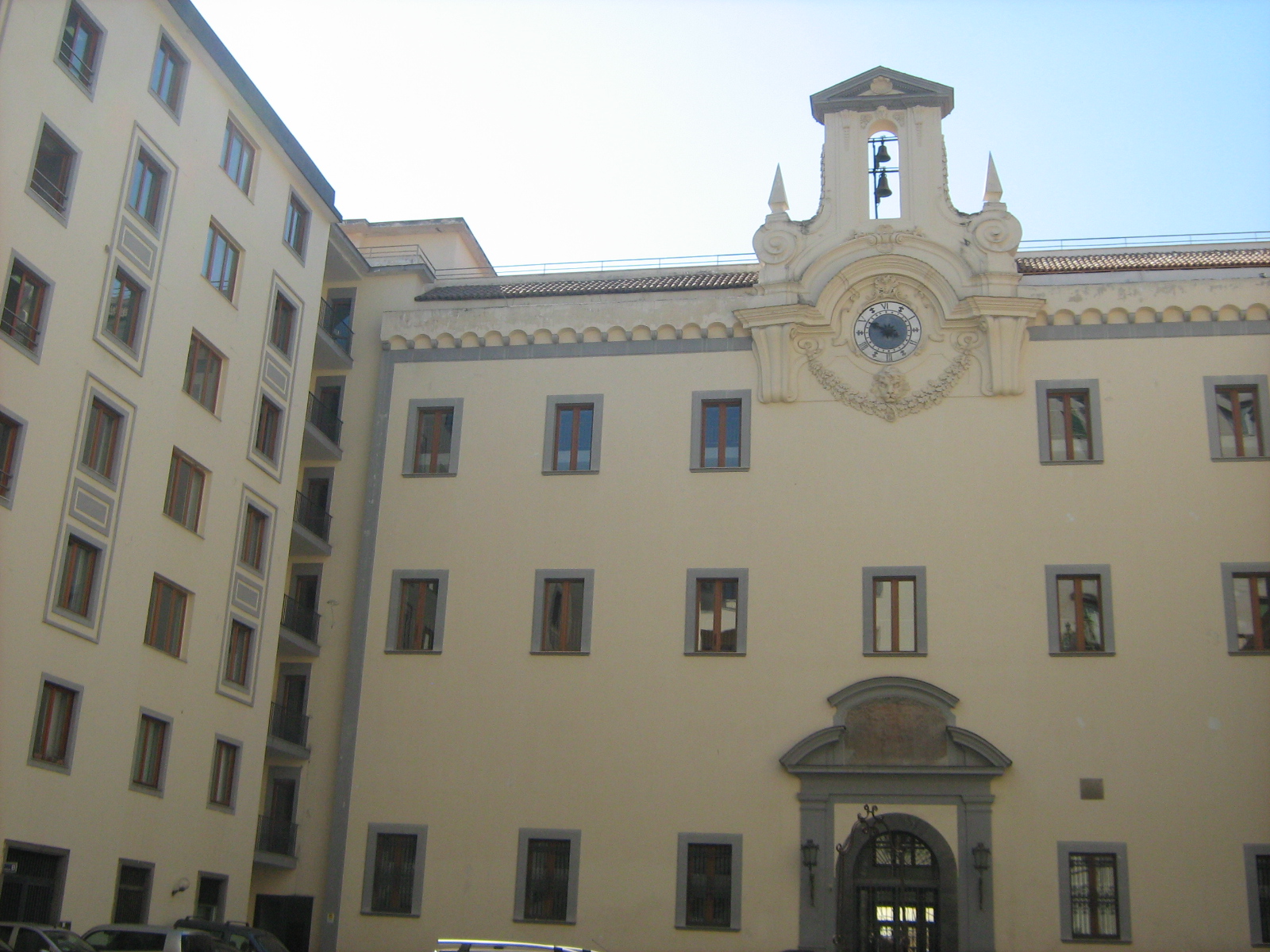
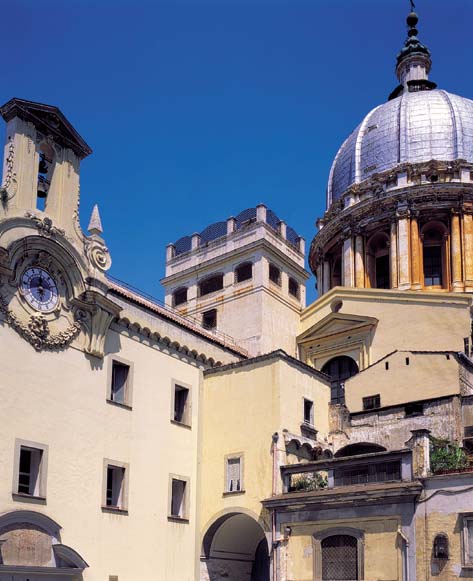
Roman-style clock

Via Toledo, 402, 80134 Napoli, Italia ★★★★☆ 192 views
Fiona Brenner
Napoli
🏆 AI Trip Planner 2026

Get the free app

Discover the best of Napoli with Secret World — the AI trip planner with 1M+ destinations. Get personalized itineraries, hidden gems and local tips. Free on iOS & Android.

🧠 AI Itineraries 🎒 Trip Toolkit 🎮 KnowWhere Game 🎧 Audio Guides 📹 Videos
Scan to download iOS / Android
Scan for AppGallery Huawei users

About Roman-style clock

Roman-style clock - Napoli | Secret World Trip Planner

Six-hour clocks, "so-called Roman-style clocks are special clocks that do not show the traditional division of time in XII hours, but in VI. They are sundials, which indicated, by the sound of bells, the ancient Italic Hours adopted, in Rome, by the Church towards the end of the 13th century. These Hours were marked considering the beginning of the measurement of time from the evening Avemaria, shortly after sunset, and no longer from midnight, as was customary. Four complete revolutions of the hand were therefore required to arrive at the 24-hour mark, thus dividing the day into four intervals from 6 hours each. To ensure a better understanding of the time, there was also the so-called ribot: after about a minute, the same number of chimes were repeated to make the time comprehensible even to the most distracted. Later, there was the invasion of Napoleonic troops into Italian territory, which led to the introduction of the hours known as Oltramontane or French-style, in which the day began at midnight and was divided into two twelve-hour intervals. This type of time counting, in short order, was adopted throughout Europe. The papal state, once the French had been driven out, attempted to restore the ancient measurement of time, according to the Italic Hours, but was forced to give it up, in turn adopting what had now become a universal method of counting.
Roman-style clock - Napoli | Secret World Trip Planner
🗺 The smart Trip Planner app

Plan your visit to Napoli

Suggested itinerary near Roman-style clock

MAJ+
500.000+ travelers worldwide
  1. 🌅
    Morning
    Roman-style clock
    📍 Napoli
  2. ☀️
    Afternoon
    Fountain of Monteoliveto
    📍 0.2 km · Napoli
  3. 🌆
    Evening
    Vittorio De Sica and the Pandola Palace
    📍 0.2 km · Napoli

Buy Unique Travel Experiences

Powered by Viator

See more on Viator.com

Explore nearby · Napoli

Frequently Asked Questions

Roman-style clocks, also called six-hour clocks, divide the day into six hours instead of the traditional twelve, requiring four complete hand revolutions to mark a full 24-hour period. These were special sundials that marked the ancient Italic Hours adopted by the Church in Rome towards the end of the 13th century, measuring time from the evening Avemaria (shortly after sunset) rather than from midnight.
The Italic Hours, which Roman-style clocks displayed, began measurement from the evening Avemaria, shortly after sunset, reflecting the Church's adoption of this timekeeping method in 13th-century Rome. This system divided daylight and nighttime differently than the modern midnight-based method, aligning with religious and seasonal practices of medieval Italy.
The ribot was a repeated chiming mechanism that would sound the same number of bells twice, with about a minute between the two sequences, to ensure people could understand the time even if they weren't paying close attention. This feature was essential for clarity in a time before widespread literacy and the prevalence of personal timepieces.
Roman-style clocks fell out of use after Napoleon's invasion of Italian territory, which led to the introduction of the French-style 'Oltramontane' hours dividing the day into two twelve-hour periods starting at midnight. Although the papal state briefly attempted to restore the Italic Hours after the French were driven out, they ultimately adopted the universal midnight-based system that had spread throughout Europe.
While Roman-style clocks are no longer in common use, examples of these historical timepieces can occasionally be found in Roman churches and museums that document medieval timekeeping practices and Church history. Visitors interested in this unique aspect of Roman history should inquire at major basilicas and the Vatican Museums, which house artifacts and information about the evolution of timekeeping in the city.