
🎄 Win a month in Italy for two — €10,000 · The Secret Italy Prize GO →
← Back

San Fele and the small medieval village

San Fele and the small medieval village — San Fele, Italia.

85020 San Fele PZ, Italia ★★★★☆ 607 views
Klaira Tanya
San Fele
🏆 AI Trip Planner 2026

Get the free app

Discover the best of San Fele with Secret World — the AI trip planner with 1M+ destinations. Get personalized itineraries, hidden gems and local tips. Free on iOS & Android.

🧠 AI Itineraries 🎒 Trip Toolkit 🎮 KnowWhere Game 🎧 Audio Guides 📹 Videos
Scan to download iOS / Android
Scan for AppGallery Huawei users

About San Fele and the small medieval village

San Fele and the small medieval village - San Fele | Secret World Trip Planner

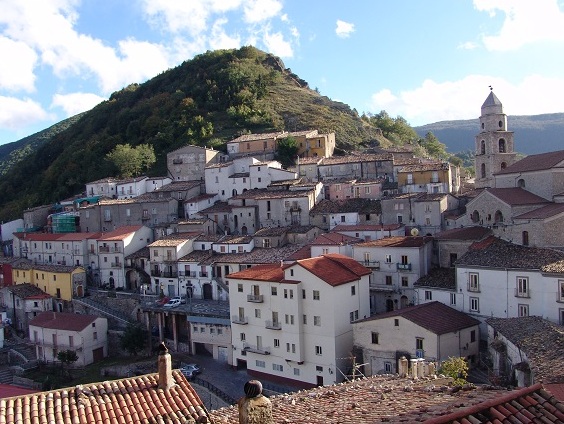
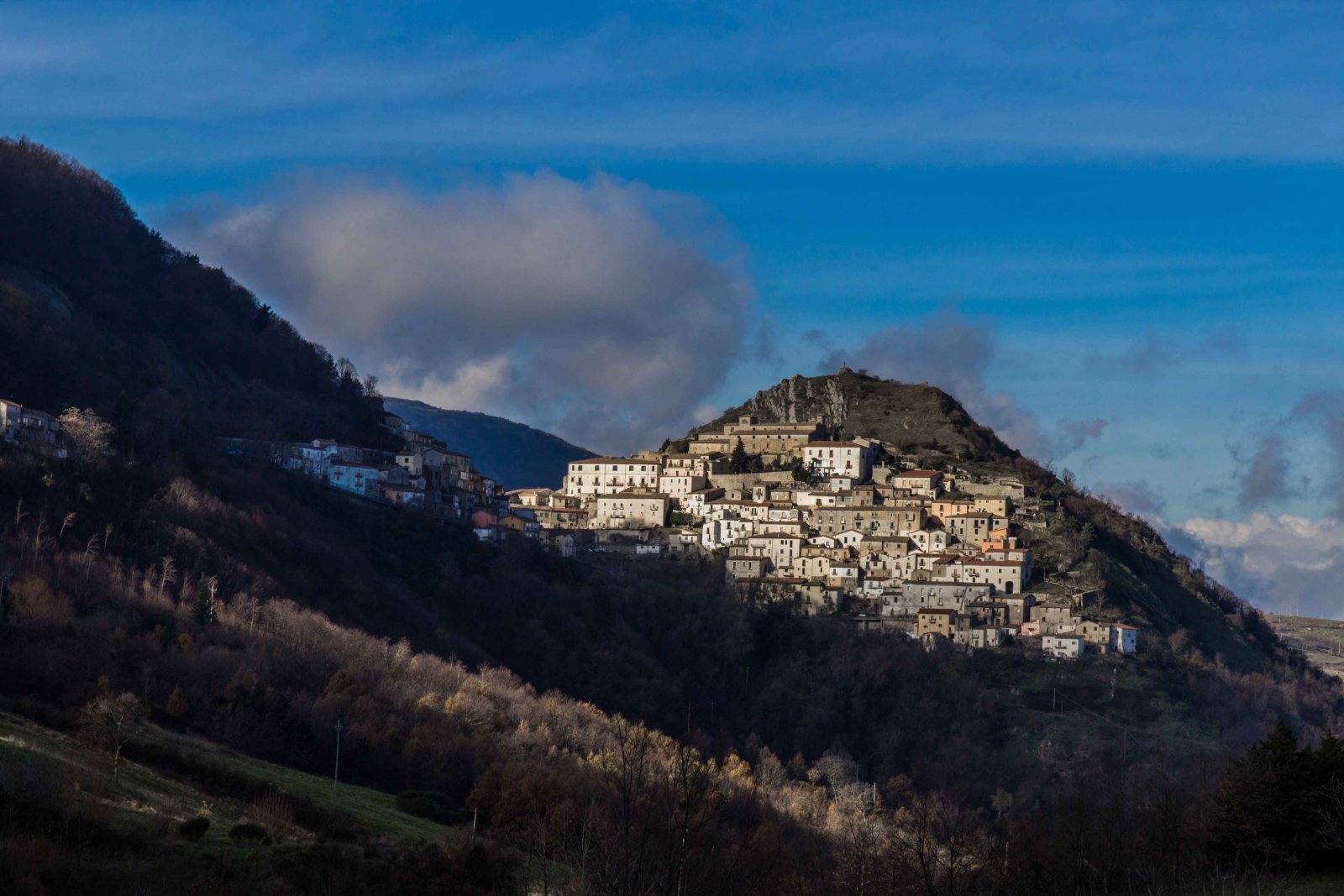
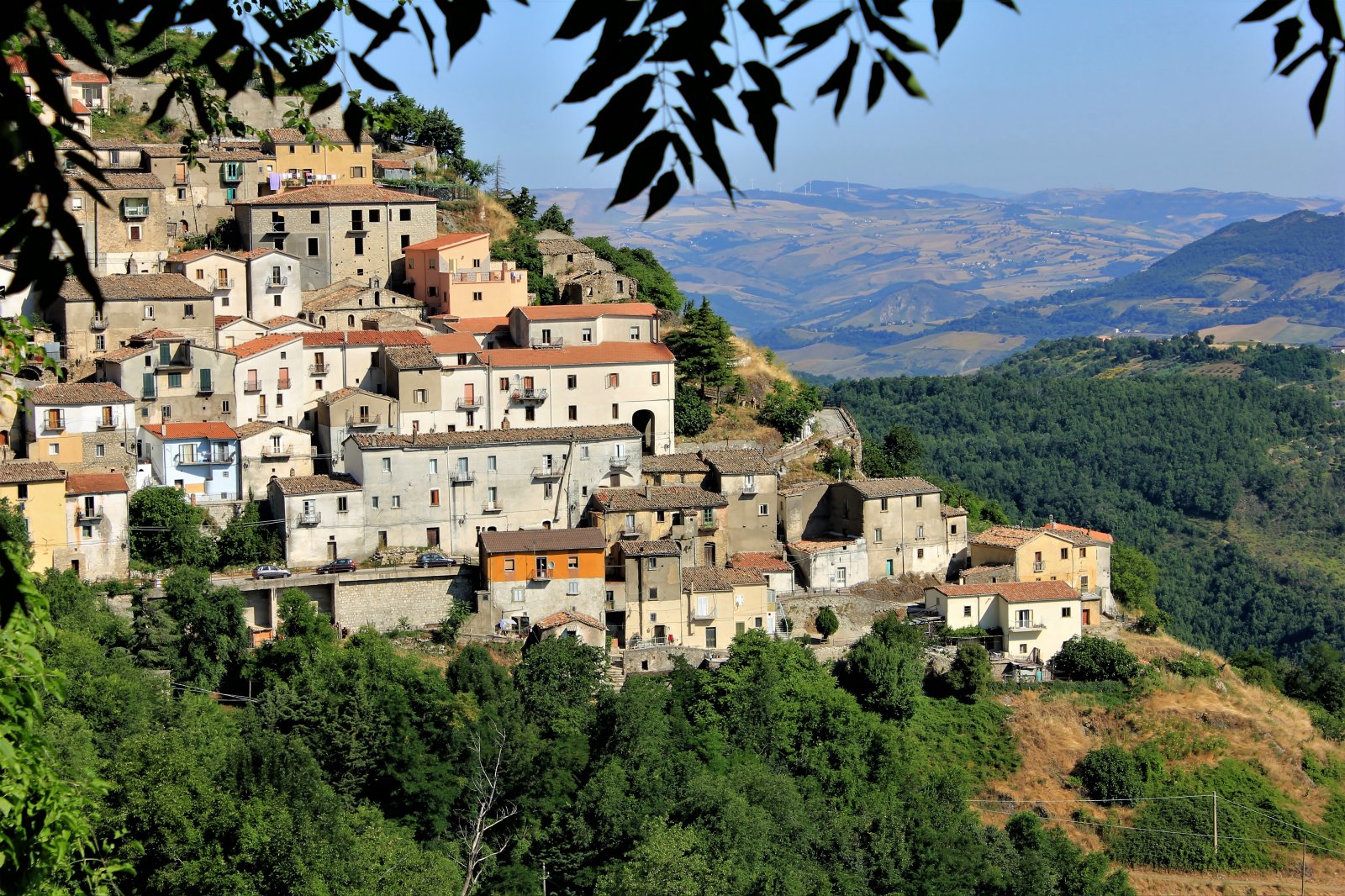
San Fele - whose name was originally Santo Felice - is a small medieval village in the province of Potenza in Basilicata and is part of the Mountain Community of Vulture.
San Fele and the small medieval village - San Fele | Secret World Trip Planner

Its origins date back to 969 A.D., when the populations settled in these areas, at the behest of Ottone I of Saxony, erected a fortress castle on a mountain in the Vitalba Valley for defensive purposes: later the village centre began to develop around this area. In addition to the fortress castle of undoubted historical and architectural value are also Palazzo Frascella imposing architecture located under the Monte Castello which is characterized by the reuse of building materials collapsed after the earthquakes; Palazzo Stia which was the home of the general of the post-unification Italian army Francesco Stia, called to stop the phenomenon of banditry; Palazzo Faggella one of the main buildings of the city, now the town hall, built in the seventeenth century and belonged to the Faggella family.

As far as religious architecture is concerned, the Church of Santa Maria della Quercia should be mentioned first of all: built in 1514, the Mother Church is located at the foot of Monte Castello, in the highest part of the city. The main structure with three naves, in the shape of a Greek cross, dates back to the 16th century, while the dome dates back to the 18th century.
San Fele and the small medieval village - San Fele | Secret World Trip Planner

Inside there is an ancient wooden crucifix of human size and a canvas by an unknown author from the 17th century, depicting Saint Rose of Viterbo, while in the left aisle there is an urn containing the relics of Saint Justino de Jacobis; while outside, on the main staircase, always in honour of the Saint, a Statue was erected in memory of his canonization, which took place in 1975.

With the earthquake of 1980 it suffered serious vertical injuries in the facade, arches and vaults, with partial detachments and collapses of plaster and stucco that led to the closure of the church to the public until the early 2000s.

Of undoubted interest are also the Badia di Santa Maria di Pierno, which is located on a wooded plateau about ten kilometers from the city and the birthplace of San Giustino de Jacobis located in the historic center of San Fele.destination of religious pilgrimages.


🗺 The smart Trip Planner app 🎄 Win a month in Italy — €10,000 →

Plan your visit to San Fele

Suggested itinerary near San Fele and the small medieval village

MAJ+
500.000+ travelers worldwide
  1. 🌅
    Morning
    San Fele and the small medieval village
    📍 San Fele
  2. ☀️
    Afternoon
    Basilicata: a pearl between Puglia and Calabria
    📍 0 km · San Fele
  3. 🌆
    Evening
    Abbey of Santa Maria di Pierno
    📍 6.2 km · San Fele

Buy Unique Travel Experiences

Powered by Viator

See more on Viator.com

Explore nearby · San Fele

Frequently Asked Questions

San Fele, originally named Santo Felice, is a medieval village in Potenza, Basilicata that was founded in 969 A.D. when populations settled in the area at the behest of Ottone I of Saxony, who ordered the construction of a fortress castle on a mountain in the Vitalba Valley for defensive purposes, around which the village center eventually developed.
The must-see palaces include Palazzo Frascella with its impressive architecture featuring reused materials from earthquake damage, Palazzo Stia which was home to general Francesco Stia, and Palazzo Faggella, a seventeenth-century building that now serves as the town hall. These buildings showcase the architectural heritage and noble history of the village.
The church, built in 1514 at the foot of Monte Castello, features an ancient wooden life-size crucifix, a 17th-century canvas depicting Saint Rose of Viterbo, and an urn containing the relics of Saint Justino de Jacobis. Outside on the main staircase stands a statue erected in 1975 commemorating Saint Justino's canonization.
The church was closed to the public following severe damage from the 1980 earthquake, which caused vertical injuries to the facade, arches, and vaults with partial collapses of plaster and stucco. It remained closed until the early 2000s when restoration work was completed.
The main church structure features three naves in the shape of a Greek cross, dating back to the 16th century, while the dome was added later in the 18th century. This combination of Renaissance and Baroque elements reflects the church's evolution over several centuries of construction.