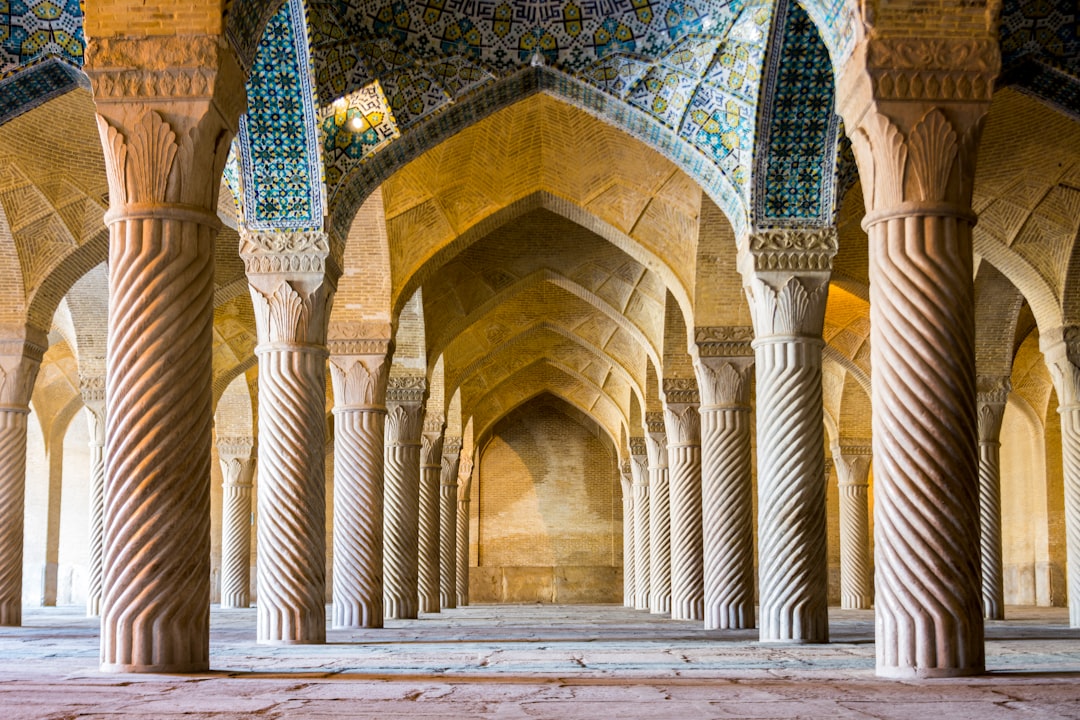

The name Shiraz immediately evokes a powerful and spicy red wine, loved in cellars around the world. Yet few know that this Iranian city, located in the Fars province at about 1,500 meters above sea level, is considered by many ampelographers and wine historians to be the birthplace of the Syrah grape, known in Australia as Shiraz. The connection between the city and the grape variety has been the subject of academic debate for decades, but the roots of Persian viticulture in this region date back at least 7,000 years, as evidenced by archaeological finds in the area.

Visiting Shiraz today means delving into a fascinating contradiction: Iran is an Islamic state where the production and consumption of alcohol have been banned since 1979, the year of the Islamic Revolution led by Ayatollah Khomeini. Yet the city retains in its historic gardens, its bazaars, and the collective memory of its inhabitants a deeply rooted wine culture, celebrated by medieval Persian poets such as Hafez and Rumi, both connected to this city.
The terroir of Shiraz: altitude, climate, and ancient soils
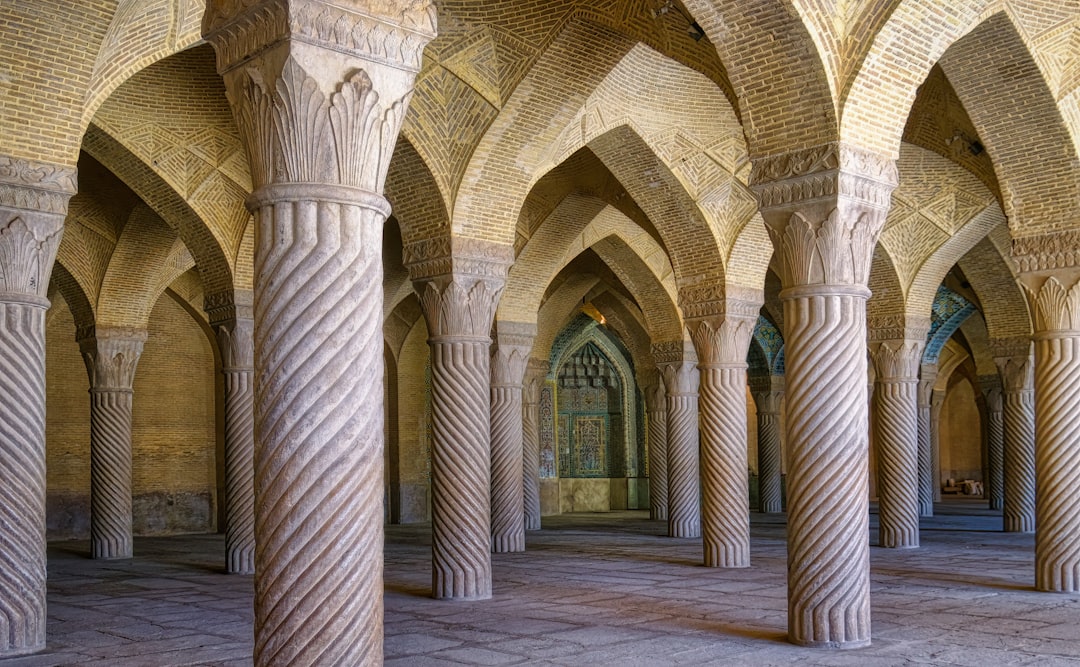
The Shiraz region is located in the Iranian hinterland, protected by the Zagros mountains that isolate it from the humid currents of the Persian Gulf. This position creates a continental microclimate with hot, dry summers and harsh winters, conditions that historically favored the cultivation of grapes with high sugar concentration. The limestone and clay soils of the Shiraz plain, enriched by millennia of river sediments, are still visible along the roads leading to Persepolis, the ancient Achaemenid capital founded by Darius I in 518 BC, located about 60 kilometers from the city.
At altitudes between 1,400 and 1,800 meters, the vines historically grew in conditions of significant daily temperature variation, a factor that preserves the natural acidity of the grape and develops complex aromatic profiles. Scholars of molecular ampelography, including the team from the University of California Davis, have conducted genetic analyses that place the origins of the Syrah grape variety in this area of the Middle East, although the exact path to the French Rhône Valley remains a subject of research.

The historic gardens and their connection to the vine
The Garden of Eram, inscribed on the UNESCO Heritage list in 2011 along with other Persian gardens, is one of the most representative places to understand the relationship between Iranian culture and the cultivation of plants. Founded probably during the Seljuk period, between the 11th and 12th centuries, and reorganized in its current form during the Qajar dynasty in the 19th century, the garden hosts fruit trees, cypress trees, and botanical species that reflect the tradition of chahar bagh, the quadripartite garden typical of Persian architecture. Although vines are not cultivated there today, the structure of the garden tells the story of the traditional irrigation system that for centuries has allowed viticulture in a semi-arid region.
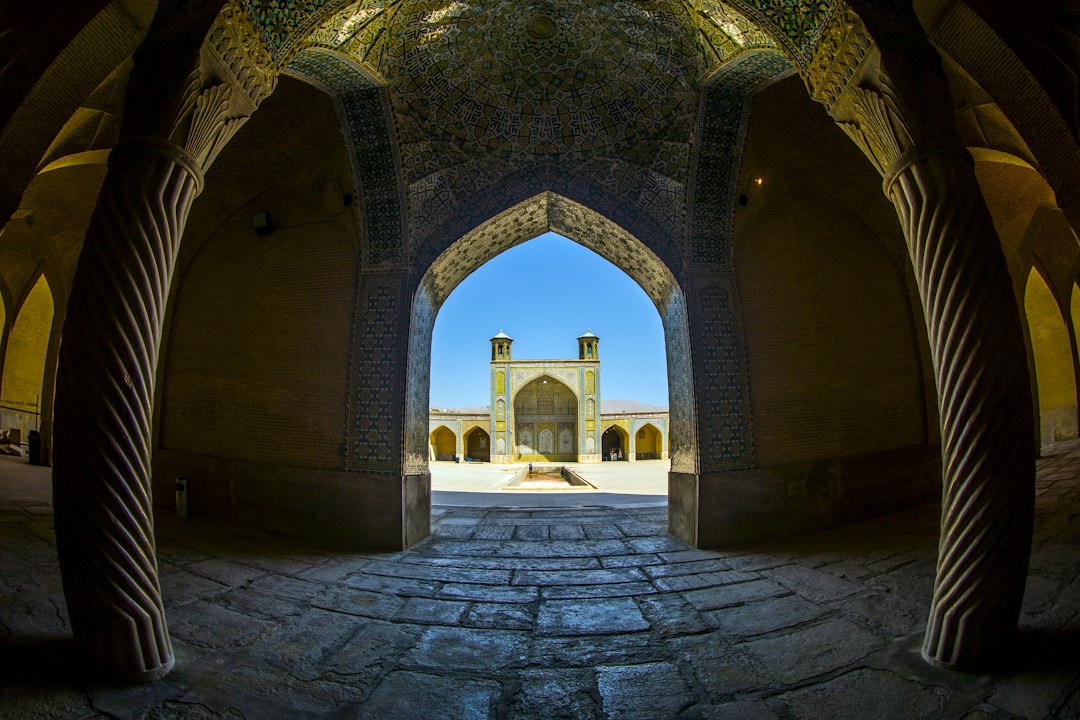
The Mausoleum of Hafez, the 14th-century poet who openly celebrated wine as a spiritual and sensual metaphor in his ghazals, is an essential landmark for anyone wanting to understand Persian wine culture. The complex, reconstructed in its current form in 1935 based on the design of architect André Godard, welcomes dozens of Iranians every day who recite verses of the poet in front of his marble tomb. Many of those verses explicitly speak of Shiraz wine.
What can be tasted today: the alcohol-free heritage
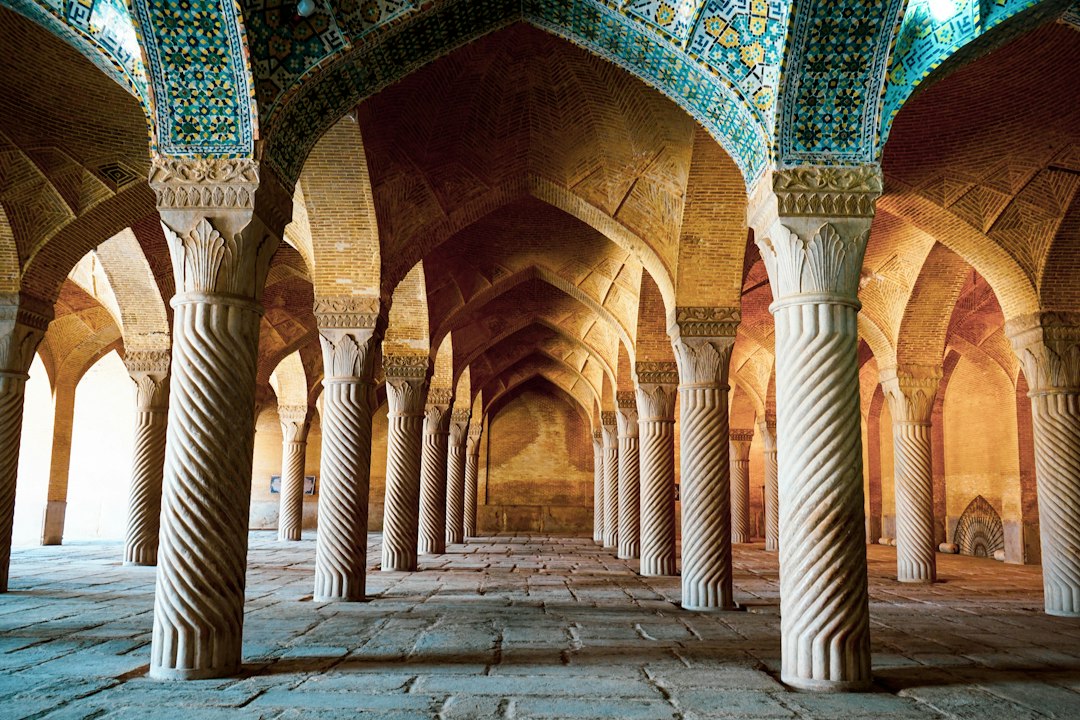
With the prohibition of alcohol, the winemaking tradition of Shiraz has transformed into a culture of table grapes and traditional balsamic vinegar. In the covered bazaars of the city, particularly in the Vakil Bazaar, built during the reign of Karim Khan Zand in the second half of the 18th century, one can find concentrated grape juices called doshab, aged wine vinegars, and local varieties of raisins that retain intense aromatic profiles, with notes of dried fruit, spices, and earth that recall the classic descriptors of international Syrah.
The Armenian and Zoroastrian Christian communities present in Iran have historically maintained the right to produce wine for religious use, and some families from these communities in Shiraz preserve winemaking traditions passed down orally. It is not possible to purchase wine as a foreign tourist, but understanding this context greatly enriches the visit.
Practical tips for visiting Shiraz
The best time to visit Shiraz is spring, between March and May, when temperatures are mild and the gardens are in full bloom. In summer, temperatures can exceed 38°C. The Eram Garden is open to the public every day with an entrance fee of a few thousand Iranian tomans, a symbolic amount by Western standards. The Hafez Mausoleum is free to access and is worth visiting at sunset, when the slanting light illuminates the decorated tiles and the atmosphere is particularly intimate.
To reach Shiraz from Europe, a flight with a stopover is necessary, usually in Istanbul or Dubai, with a total travel time of about 7-10 hours. Shiraz International Airport is about 12 kilometers from the city center. Tourists must obtain a visa before departure or upon arrival, depending on nationality: it is advisable to check the updated conditions at the Iranian embassy in your country before leaving.