
← Back

State Archives of Naples

Via Grande Archivio, 5, 80138 Napoli, Italia ★★★★☆ 172 views
Marika Leone
Napoli
🏆 AI Trip Planner 2026

Get the free app

Discover the best of Napoli with Secret World — the AI trip planner with 1M+ destinations. Get personalized itineraries, hidden gems and local tips. Free on iOS & Android.

🧠 AI Itineraries 🎒 Trip Toolkit 🎮 KnowWhere Game 🎧 Audio Guides 📹 Videos
Scan to download iOS / Android
Scan for AppGallery Huawei users

About State Archives of Naples

State Archives of Naples - Napoli | Secret World Trip Planner

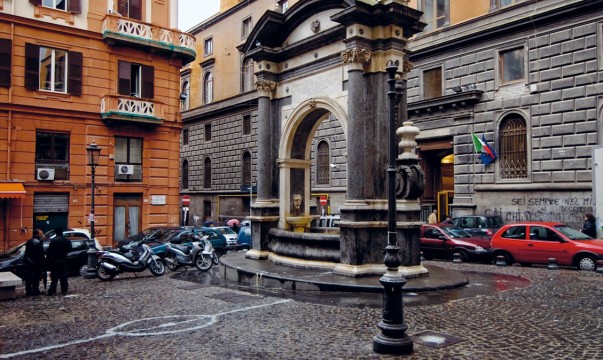
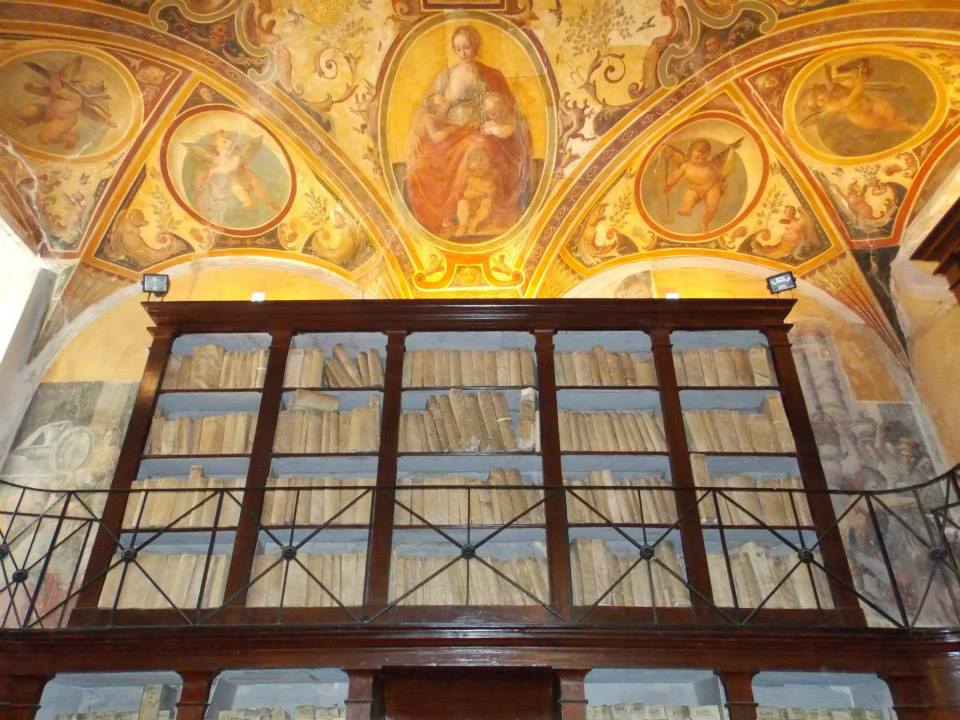
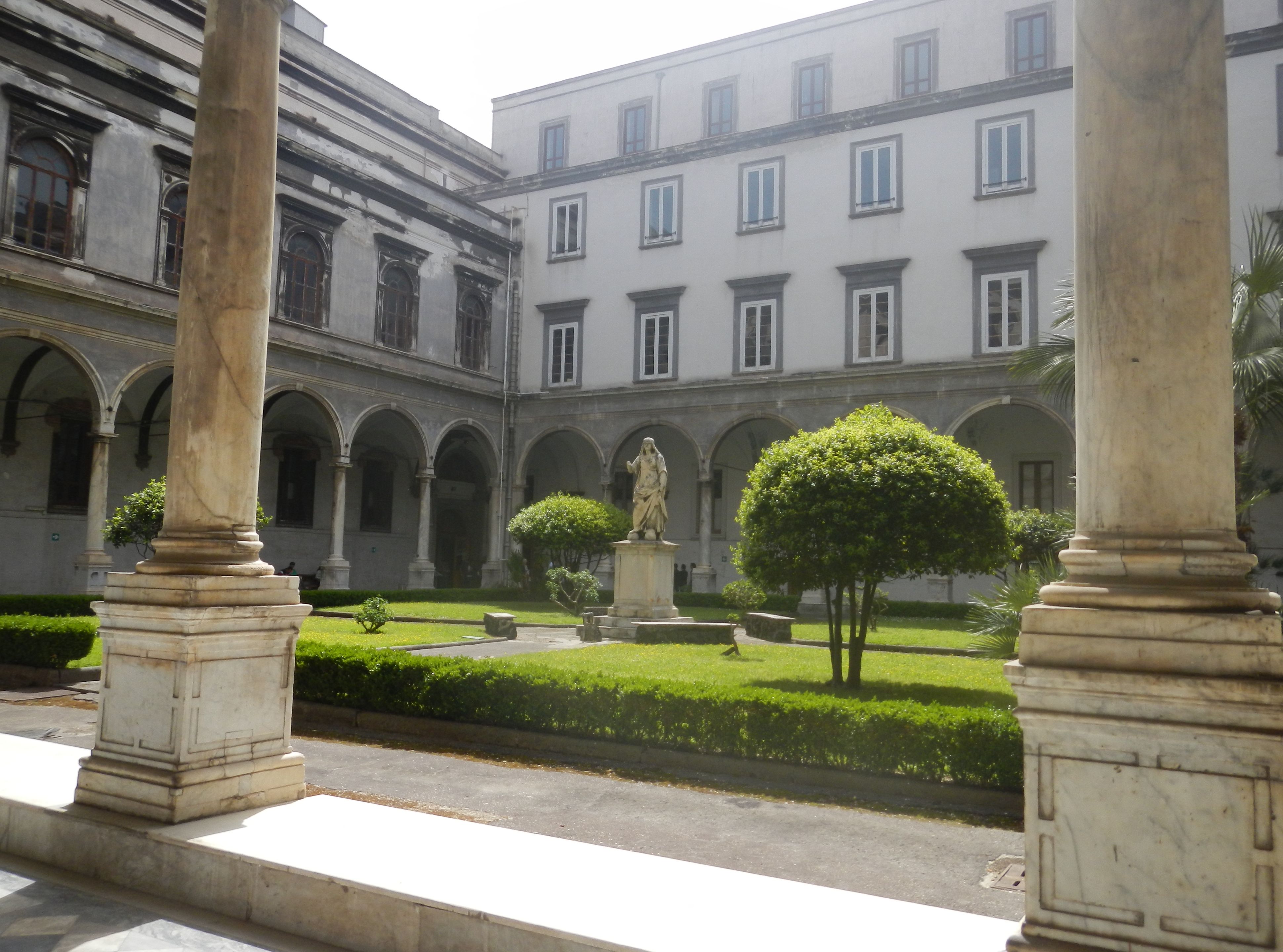
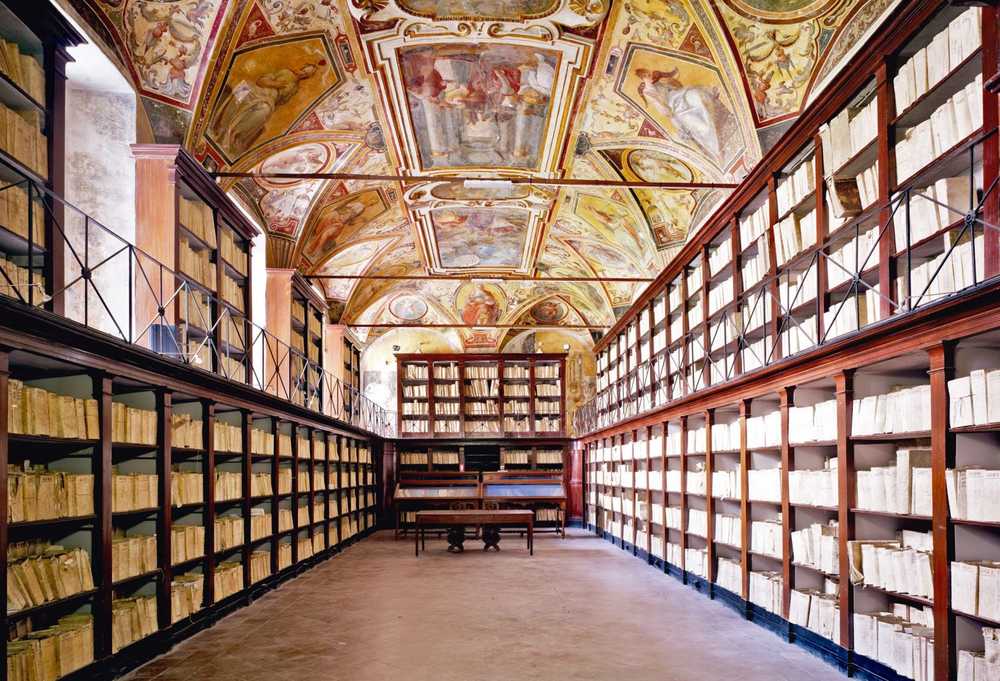
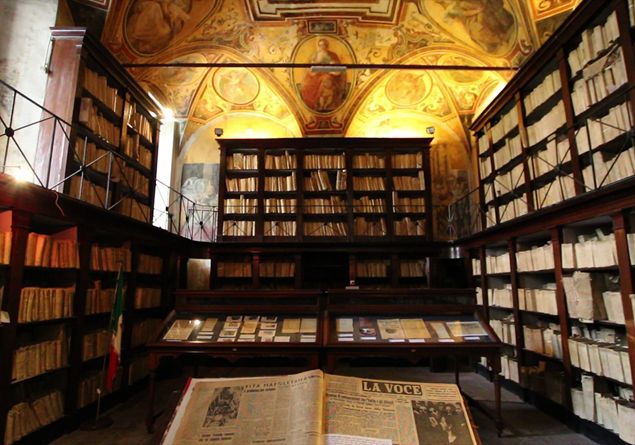
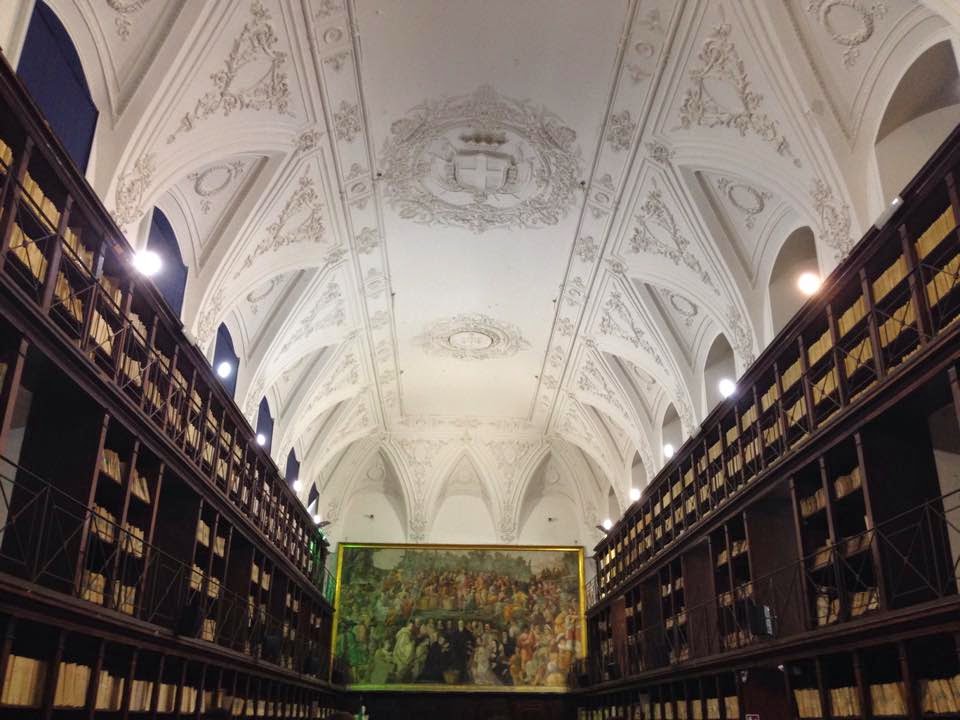
The Naples State Archives is housed in the ancient Benedictine monastery of Saints Severinus and Sossio, in the heart of the city's ancient center. Its history is linked to the presence, since the 9th century, of the Benedictines who had founded a coenoby where, in 902, they transferred the body of St. Severinus and, after some time, the relics of St. Sossio, found in Miseno. The striking cloister known as the Atrium of the Platanus, the oldest part of the monastery, takes its name from the tree that - according to law34platnda - was allegedly planted by St. Benedict. Its Renaissance fresco cycle is the most complete in the city and depicts episodes from the Saint's life. It was completed in 1515 by Antonio Solario known as "the Gypsy." Flanking it are two other courtyards: the First Atrium corresponds to the original entrance, while the second, Atrio Capasso, is dedicated to the famous Neapolitan scholar who held the position of Director of the State Archives of Naples. Finally we come to the Atrium of the Marbles, begun in 1598 and completed in 1623, which represents the culmination of the monastery's renovation program during the Renaissance. Inside are the monumental Halls: Chapter of the Monks, now the Catasti Hall, frescoed by Belisario Corenzio in the early 1600s with parables, allegorical figures and scenes from the Gospel; the Refectory, now the Filangieri Hall, with its large fresco depicting the multiplication of the loaves and fishes and the allegory of the foundation of the Benedictine order, also by Corenzio; and the striking Tasso Hall, so named in memory of the poet's stay in the Benedictine monastery. In 1799 the monastery was suppressed because of the monks' suspected sympathies with revolutionary ideas, and the building was used, for a short time, as the seat of the Naval Academy. Fine wooden furnishings also characterize some of the rooms on the third floor, where the Ministry of Foreign Affairs and the Farnese Archives are kept, while somewhat secluded is the Pharmacy, characterized by inlaid shelves and beautiful flooring. Also worthy of note are the rooms on the fourth floor: the Library; the School of Paleography, Archivistics and Diplomatics; the Diplomatic Room; the Hall of the Gentile Archives; and the room that houses most of the documents produced by the Royal Chamber of Sommaria.
State Archives of Naples - Napoli | Secret World Trip Planner
🗺 The smart Trip Planner app

Plan your visit to Napoli

Suggested itinerary near State Archives of Naples

MAJ+
500.000+ travelers worldwide
  1. 🌅
    Morning
    State Archives of Naples
    📍 Napoli
  2. ☀️
    Afternoon
    Fried Poppers
    📍 0.1 km · Napoli
  3. 🌆
    Evening
    Naples and the Doll's Hospital: A Magic Place
    📍 0.1 km · Napoli

Buy Unique Travel Experiences

Powered by Viator

See more on Viator.com

Explore nearby · Napoli

Frequently Asked Questions

The Naples State Archives is housed in the ancient Benedictine monastery of Saints Severinus and Sossio, located in the heart of Naples' ancient center. The monastery's history dates back to the 9th century when Benedictines founded it and later transferred the body of St. Severinus there in 902, making it a site of significant religious and cultural importance.
The highlight is the Atrium of the Platanus, the oldest part featuring a Renaissance fresco cycle completed in 1515 by Antonio Solario depicting St. Benedict's life. Other notable courtyards include the First Atrium (the original entrance), Atrio Capasso (named after a famous director of the archives), and the stunning Atrium of the Marbles, completed in 1623, which represents the pinnacle of the monastery's Renaissance renovation.
Belisario Corenzio frescoed the major halls in the early 1600s, including the Chapter of the Monks (now Catasti Hall) with parables and Gospel scenes, and the Refectory (now Filangieri Hall) featuring the multiplication of the loaves and fishes. The striking Tasso Hall commemorates the poet Torquato Tasso's stay at the Benedictine monastery.
In 1799, the monastery was suppressed due to the monks' suspected sympathies with revolutionary ideas, and the building was briefly used as the seat of the Naval Academy. This marked a turning point in the building's history, eventually leading to its transformation into the State Archives.
The third floor contains fine wooden furnishings and houses the Ministry of Foreign Affairs offices as well as the Farnese Archives. This upper level represents an important repository for diplomatic and aristocratic documents spanning centuries of Neapolitan history.