
🎄 Win a month in Italy for two — €10,000 · The Secret Italy Prize GO →
← Back

The Castle of Melfi: from the Normans to the Angevins

The Castle of Melfi: from the Normans to the Angevins — Melfi, Italia.

Via Normanni, 85025 Melfi PZ, Italia ★★★★☆ 312 views
Maya Tiger
Melfi
🏆 AI Trip Planner 2026

Get the free app

Discover the best of Melfi with Secret World — the AI trip planner with 1M+ destinations. Get personalized itineraries, hidden gems and local tips. Free on iOS & Android.

🧠 AI Itineraries 🎒 Trip Toolkit 🎮 KnowWhere Game 🎧 Audio Guides 📹 Videos
Scan to download iOS / Android
Scan for AppGallery Huawei users

About The Castle of Melfi: from the Normans to the Angevins

The Castle of Melfi: from the Normans to the Angevins - Melfi | Secret World Trip Planner

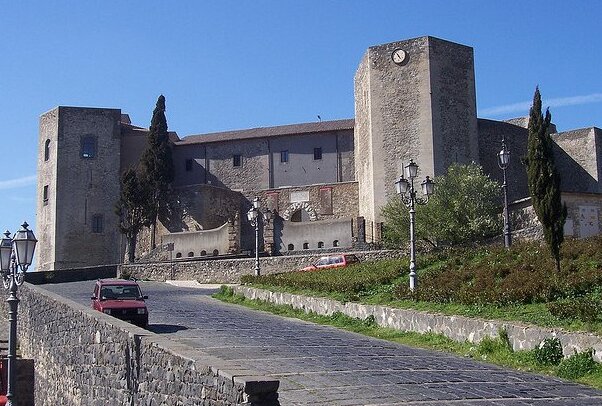
The Castle of Melfi has a long history: built by the Normans, it was restored and enlarged by the Swabians and then by the Angevins. Among the rooms of the famous castle, destination of many visitors, Frederick II promulgated the Constitutiones Augustales of the Kingdom of Sicily. The imposing silhouette of the Swabian Norman castle is the symbol of Melfi and its history is linked to the prominent figures who have followed one another over the centuries in the city on the slopes of Mount Vulture. Wanted by Robert Guiscard, enlarged by Frederick II, equipped with new towers by Charles I of Anjou, remodeled by the Caracciolo and the Doria, to see it, the castle of Melfi seems almost to emerge on top of a hill and you can not help but share the opinion of those who consider it the most famous castle in Basilicata and one of the largest in southern Italy.

Immediately you can see the ten towers, seven rectangular and three pentagonal, of the four entrances, three are Angevin, and through one of them, open of Doria, you access the village through a bridge, once a drawbridge. Once past the main door, you enter the beautiful main courtyard, overlooked by the baronial palace and the noble chapel.

The ground floor of the castle houses the National Archaeological Museum of Melfi, where the important archaeological documentation found in the area is kept, while in the Clock Tower you can appreciate the splendid Roman Sarcophagus, found in 1856, also known as the "Rapolla Sarcophagus", because it was once kept in the square of the town of Vulture. Certainly belonged to a personage of high rank, is a refined product of the second half of the second century from Asia Minor. The lid depicts the deceased lying down.


🗺 The smart Trip Planner app 🎄 Win a month in Italy — €10,000 →

Plan your visit to Melfi

Suggested itinerary near The Castle of Melfi: from the Normans to the Angevins

MAJ+
500.000+ travelers worldwide
  1. 🌅
    Morning
    The Castle of Melfi: from the Normans to the Angevins
    📍 Melfi
  2. ☀️
    Afternoon
    Hidden Treasures of Italy: The Rapolla Sarcophagus
    📍 0 km · Melfi
  3. 🌆
    Evening
    Villages of Italy | Melfi
    📍 0.6 km · Melfi

Buy Unique Travel Experiences

Powered by Viator

See more on Viator.com

Explore nearby · Melfi

Frequently Asked Questions

The Castle of Melfi was originally built by the Normans under Robert Guiscard, then enlarged by the Swabians under Frederick II, and further equipped with new towers by Charles I of Anjou. It was later remodeled by the Caracciolo and Doria families, making it one of the largest castles in southern Italy with ten towers—seven rectangular and three pentagonal.
The Castle of Melfi is most famous for being the place where Frederick II promulgated the Constitutiones Augustales of the Kingdom of Sicily, a landmark legal document. The castle's imposing silhouette on a hill overlooking Mount Vulture has made it the symbol of Melfi and reflects the region's rich medieval history shaped by prominent rulers over centuries.
The castle features a beautiful main courtyard overlooked by a baronial palace and noble chapel, accessible through one of four main entrances. The ground floor houses the National Archaeological Museum of Melfi, while the Clock Tower displays the splendid Roman Sarcophagus (Rapolla Sarcophagus) from the second century, discovered in 1856 and originally kept in Vulture.
The Rapolla Sarcophagus is a refined Roman sarcophagus from the second half of the second century, crafted from Asia Minor and belonging to someone of high rank. It can be seen in the Clock Tower of the Castle of Melfi, and features a lid depicting the deceased lying down—a notable artistic piece found locally in 1856.
The castle has four main entrances, three of which are Angevin, and visitors access the village and castle through a bridge that was once a drawbridge. Once past the main door, you enter the impressive main courtyard which serves as the heart of this massive fortress complex perched on a hilltop.