
🎄 Win a month in Italy for two — €10,000 · The Secret Italy Prize GO →
← Back

Viterbo | The cathedral of San Lorenzo

Viterbo | The cathedral of San Lorenzo — Viterbo, Italia.

01100 Viterbo VT, Italia ★★★★☆ 747 views
Maya Kim
Viterbo
🏆 AI Trip Planner 2026

Get the free app

Discover the best of Viterbo with Secret World — the AI trip planner with 1M+ destinations. Get personalized itineraries, hidden gems and local tips. Free on iOS & Android.

🧠 AI Itineraries 🎒 Trip Toolkit 🎮 KnowWhere Game 🎧 Audio Guides 📹 Videos
Scan to download iOS / Android
Scan for AppGallery Huawei users

About Viterbo | The cathedral of San Lorenzo

Viterbo | The cathedral of San Lorenzo - Viterbo | Secret World Trip Planner

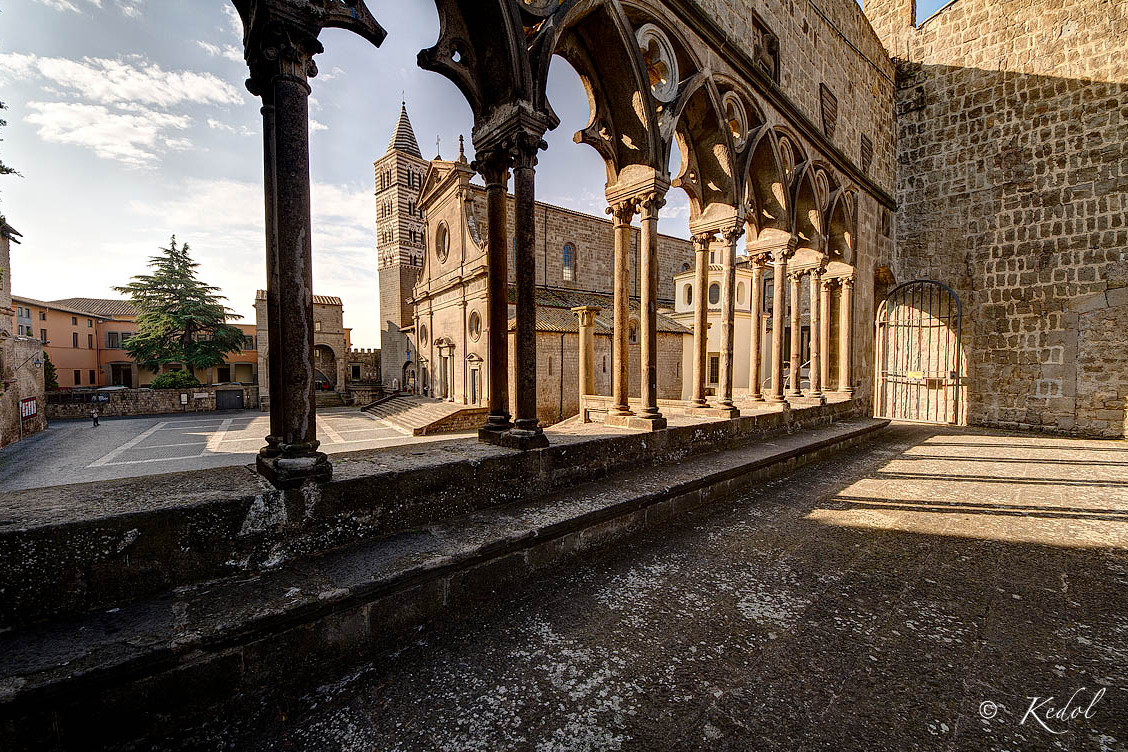
The cathedral dedicated to S. Lorenzo was built in the 12th century in Romanesque style, on the site of an ancient parish church whose records date back to 850. In 1181 it was recognized as the main church of Viterbo and Tuscia by Pope Alexander III (1159-1181), only a few years after the official concession of the bishop's chair.
Viterbo | The cathedral of San Lorenzo - Viterbo | Secret World Trip Planner

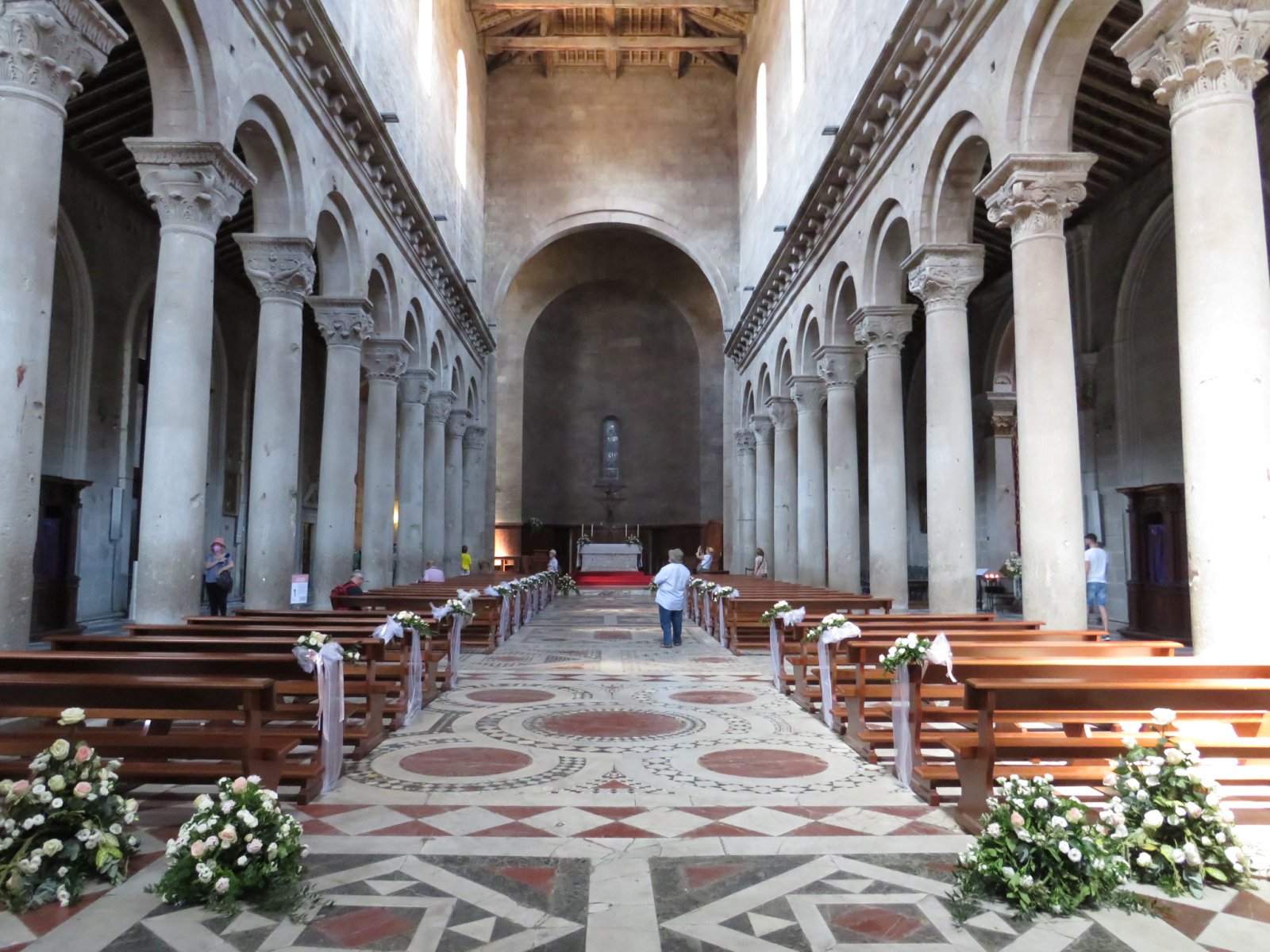
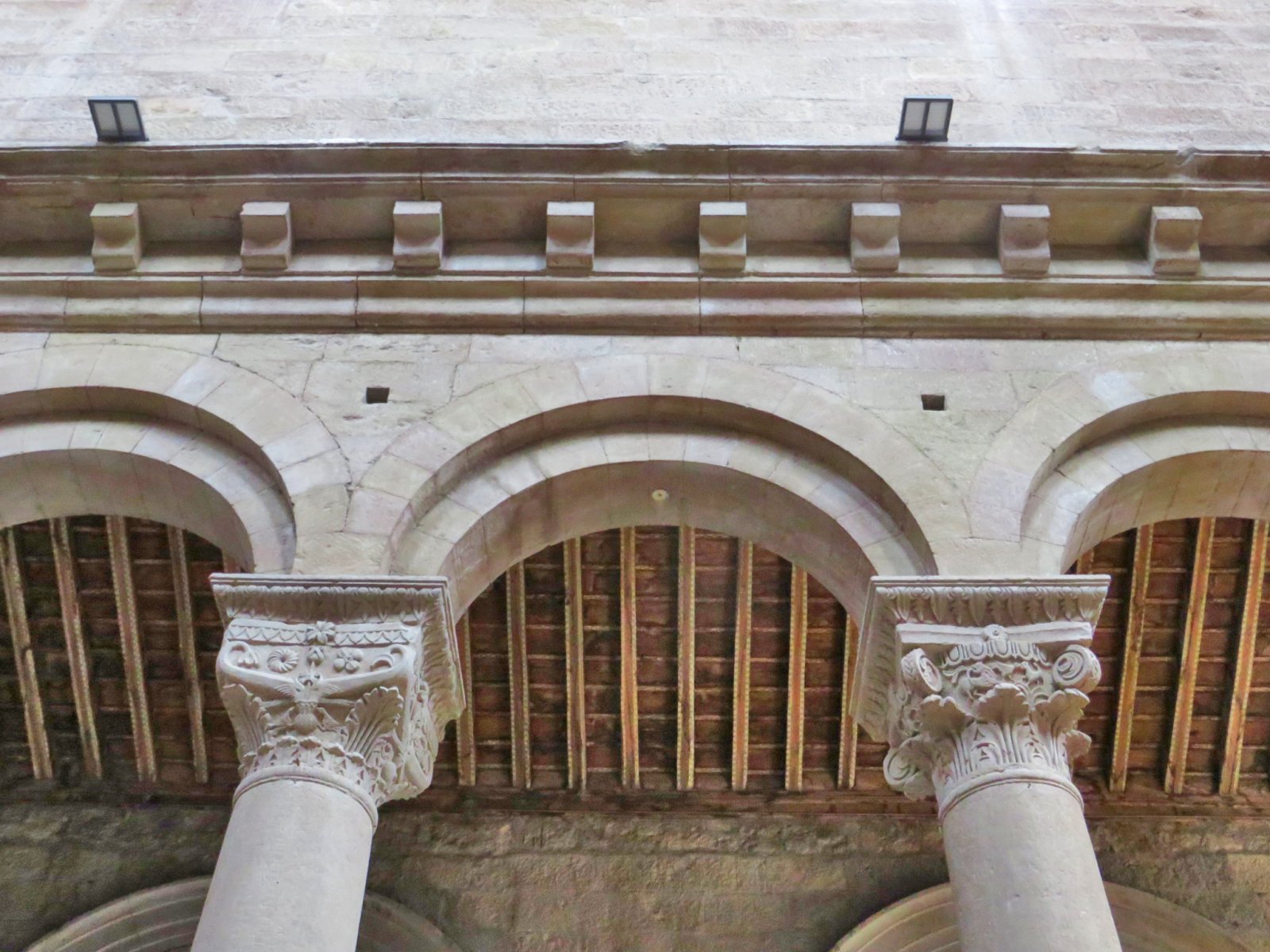
From the middle of the thirteenth century the cathedral became even more important: the presence of the popes in Viterbo, residing in the famous papal palace, made the cathedral the scene of religious and political events of great clamour, such as the excommunication of Corradino of Swabia and the coronation of seven popes. The temple was erected according to the usual basilica typology with three naves and concluded with as many apses (the central one very emerging compared to the lateral ones); to this layout, of clear Romanesque matrix, in 1192 was added the transept, of lower height than the middle nave. The interior space, harmonious and monumental, was, and still is, marked by two rows of arches supported by columns with finely carved peperino capitals.

The latter are a valuable product developed by the local workers, who were influenced by the lessons of the Nordic masters present in Viterbo since the end of the eleventh century. The bell tower was built at the end of the thirteenth century in a distinctly Gothic style; marked by four orders of twin mullioned windows, it was influenced by the effect of the two-coloured stone of the Tuscan church foundations (the cusp was added in the middle of the fifteenth century). The primitive layout of the cathedral was, however, profoundly altered by the interventions that took place several times over time, which partly erased the sharp scansion of the Romanesque lines and completely destroyed the original facade adorned with three skillfully perforated rose windows (one of them has been reassembled on the right side of the church and another has been rebuilt on a wall of the bishop's palace). The current façade, lightened by three symmetrically arranged oculi, is the result of the total reconstruction carried out in 1570. Inside the cathedral there are interesting paintings, such as the frescoes in the apse area, dating back to the late thirteenth century, the fourteenth century ones that still remain to the left of the entrance and the fragments that qualify the part above the entrance to the baptistery. Finally, the panel with the so-called Madonna della Carbonara, dating back to the 12th century; the splendid Carrara marble baptismal font made at the end of the 15th century by Francesco d'Ancona; the sarcophagus of Pope John XXI (1276-1277), the only Portuguese pontiff, also remembered by Dante in Paradise; the valuable canvas of the high altar with the representation of St. Lawrence, made by Giovan Francesco Romanelli in the first half of the 18th century, and the ten panels that adorn the walls of the nave.

Viterbo | The cathedral of San Lorenzo - Viterbo | Secret World Trip Planner
🗺 The smart Trip Planner app 🎄 Win a month in Italy — €10,000 →

Plan your visit to Viterbo

Suggested itinerary near Viterbo | The cathedral of San Lorenzo

MAJ+
500.000+ travelers worldwide
  1. 🌅
    Morning
    Viterbo | The cathedral of San Lorenzo
    📍 Viterbo
  2. ☀️
    Afternoon
    Viterbo | Papal Palace and The Fountain of the Loggia
    📍 0 km · Viterbo
  3. 🌆
    Evening
    Viterbo | Medieval quarter of San Pellegrino
    📍 0.3 km · Viterbo

Buy Unique Travel Experiences

Powered by Viator

See more on Viator.com

Explore nearby · Viterbo

Frequently Asked Questions

The Cathedral of San Lorenzo was built in the 12th century in Romanesque style, constructed on the site of an ancient parish church with records dating back to 850. Pope Alexander III officially recognized it as the main church of Viterbo and Tuscia in 1181, just a few years after the bishop's chair was established there.
From the middle of the thirteenth century, the cathedral became a venue for major religious and political events due to the popes' residence in the nearby papal palace. Notable events include the excommunication of Corradino of Swabia and the coronation of seven popes within its walls.
The interior features three naves with apses in classical basilica style, supported by two rows of arches carried by columns with finely carved peperino capitals—a valuable local stone product influenced by Northern European masters. The harmonious and monumental space was expanded in 1192 with the addition of a lower transept.
The bell tower was built at the end of the thirteenth century in distinctly Gothic style, featuring four orders of twin mullioned windows and influenced by the two-colored stone effect typical of Tuscan churches. The cusp was added in the middle of the fifteenth century, creating a striking visual element visible throughout Viterbo.
The cathedral's original layout has been significantly altered by numerous interventions over centuries, which partially erased the sharp Romanesque lines and completely destroyed the original façade. However, some original decorative elements like the rose windows have been preserved—one reassembled on the right side of the church and another rebuilt on a wall of the bishop's palace.