
🎄 Win a month in Italy for two — €10,000 · The Secret Italy Prize GO →
← Back

The Tomb of the Duce

The Tomb of the Duce — 58043 Castiglione della Pescaia GR, Italia.

58043 Castiglione della Pescaia GR, Italia ★★★★☆ 221 views
Giovanna Pascoli
58043 Castiglione della Pescaia GR
🏆 AI Trip Planner 2026

Get the free app

Discover the best of 58043 Castiglione della Pescaia GR with Secret World — the AI trip planner with 1M+ destinations. Get personalized itineraries, hidden gems and local tips. Free on iOS & Android.

🧠 AI Itineraries 🎒 Trip Toolkit 🎮 KnowWhere Game 🎧 Audio Guides 📹 Videos
Scan to download iOS / Android
Scan for AppGallery Huawei users

About The Tomb of the Duce

The Tomb of the Duce - 58043 Castiglione della Pescaia GR | Secret World Trip Planner

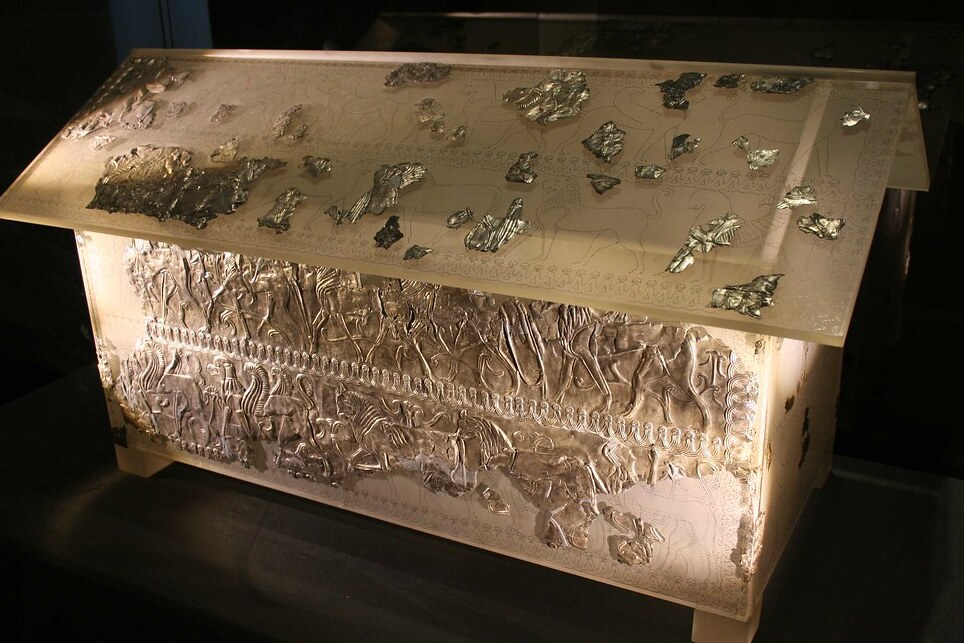
The Duce's tomb, located on the hill of Poggio al Bello, on the north-eastern slopes of Poggio alla Guardia, belongs to the "circle" type of tombs; its construction dates back to the third quarter of the 7th century B.C., at the height of the Orientalizing period, when Vetulonia seemed to reach the highest level of power and wealth in its history. The tomb of the Duce, to be considered a real family tomb, preserves the remains and the very rich trousseau of the Etruscan Prince Raku Kakanas, whose name is inscribed on the bottom of a silver cup; covered with silver foil was also the bronze ark that kept his ashes, embossed with royal (bull, panther, horse) and fantastic (griffin) animals and perhaps made by Syrian craftsmen working in Cerveteri. Dug in 1886 by Falchi, the tomb was violated in ancient times: the central pit had in fact been emptied. In spite of this, it was possible to recover from the other pits numerous objects, corresponding to at least four distinct funeral outfits that accompanied the dead of the aristocratic family buried in the pits inside the stone circle. The Circolo del Duce was found in the thick bush and brought to light on 30 April 2014, on the occasion of the celebration commemorating the centenary of the death of Isidoro Falchi, by the local Archaeological Cultural Association of the same name, named, like the Museum, after the famous discoverer of Vetulonia.


🗺 The smart Trip Planner app 🎄 Win a month in Italy — €10,000 →

Plan your visit to 58043 Castiglione della Pescaia GR

Suggested itinerary near The Tomb of the Duce

MAJ+
500.000+ travelers worldwide
  1. 🌅
    Morning
    The Tomb of the Duce
    📍 58043 Castiglione della Pescaia GR
  2. ☀️
    Afternoon
    Civic Archaeological Museum of Vetulonia
    📍 0.4 km · 58043 Castiglione della Pescaia GR
  3. 🌆
    Evening
    Scarlino and the Rocca Pisana
    📍 11 km · 58043 Castiglione della Pescaia GR

Buy Unique Travel Experiences

Powered by Viator

See more on Viator.com

Explore nearby · 58043 Castiglione della Pescaia GR

Frequently Asked Questions

The Tomb of the Duce is a circle-type tomb located on Poggio al Bello near Vetulonia, constructed during the third quarter of the 7th century B.C. during the Orientalizing period, when Vetulonia was at the height of its power and wealth. It served as a family tomb for the Etruscan aristocracy, including Prince Raku Kakanas.
The tomb contained numerous rich objects including a silver cup inscribed with the name of Prince Raku Kakanas and a bronze ark covered in silver foil that held his ashes, intricately embossed with royal animals (bull, panther, horse) and a griffin. Archaeologists recovered remains from at least four distinct funeral outfits from various pits within the stone circle, despite the central pit having been violated and emptied in ancient times.
The tomb was originally excavated in 1886 by the famous archaeologist Isidoro Falchi, and it was formally brought to light and documented on April 30, 2014, by the local Archaeological Cultural Association during a centenary celebration honoring Falchi's death. The museum in Vetulonia is named after this renowned discoverer.
The Tomb of the Duce is situated on the hill of Poggio al Bello on the north-eastern slopes of Poggio alla Guardia in the Vetulonia archaeological area. The tomb was originally found in thick bush vegetation before being excavated and properly documented by archaeologists.
The tomb is significant because it contains evidence of the Orientalizing period when Vetulonia reached its peak prosperity and power, as well as artifacts like the Syrian-crafted bronze ark that reveal international trade connections and artistic sophistication. The preservation of multiple funeral outfits and royal animal decorations provides valuable insights into Etruscan aristocratic burial practices and wealth.